

 English
 Español
 Deutsch
 عربى
عربى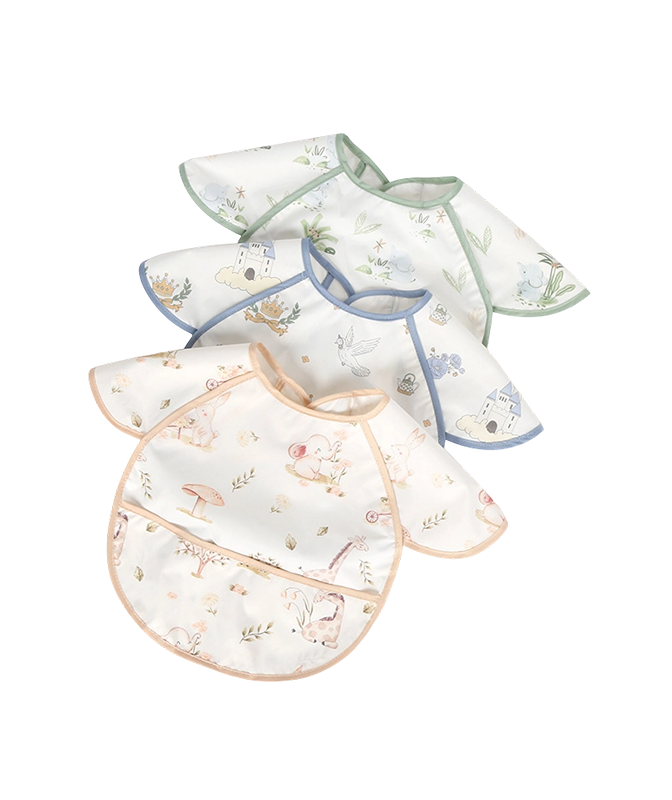

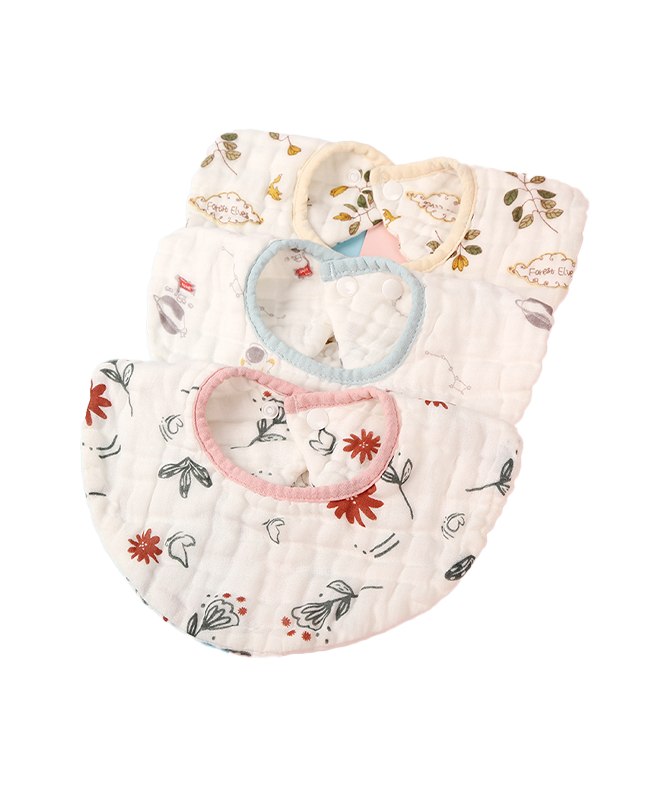
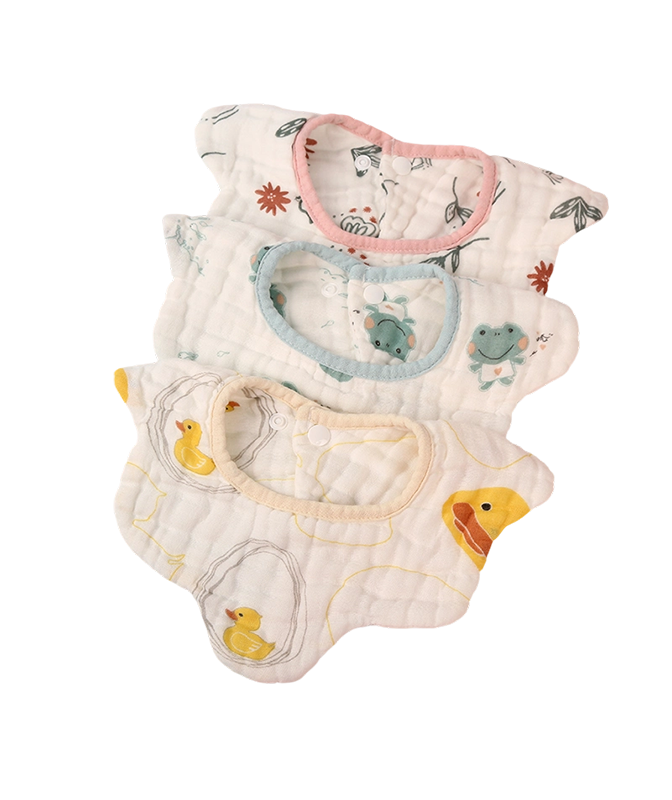
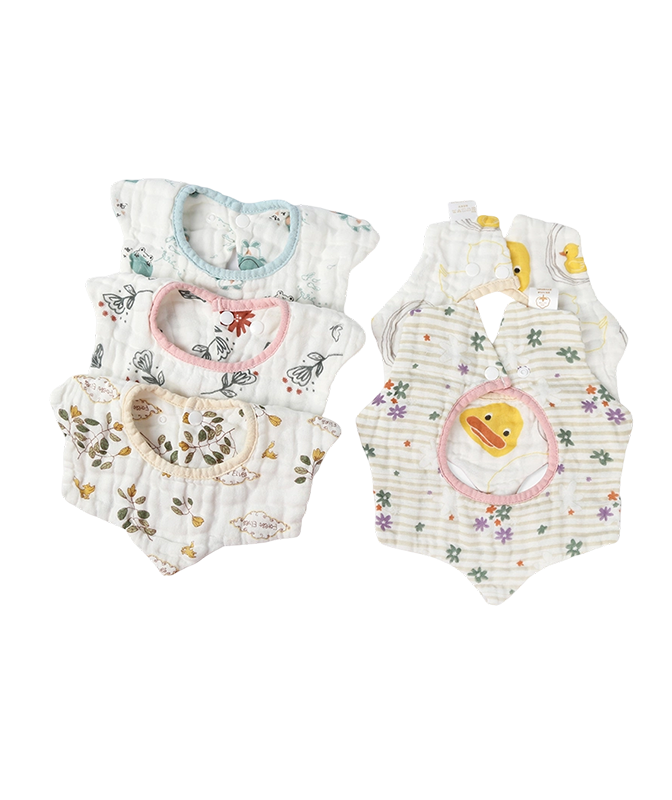
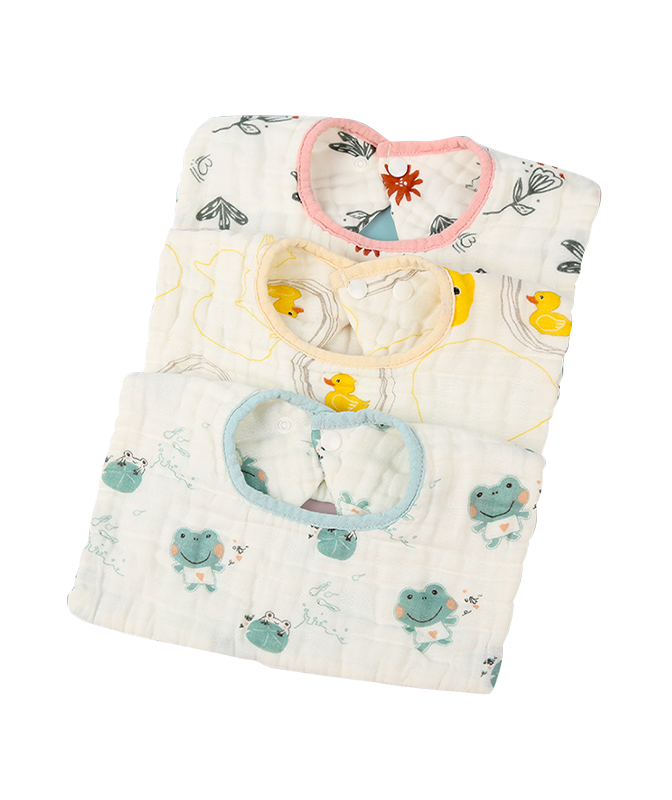
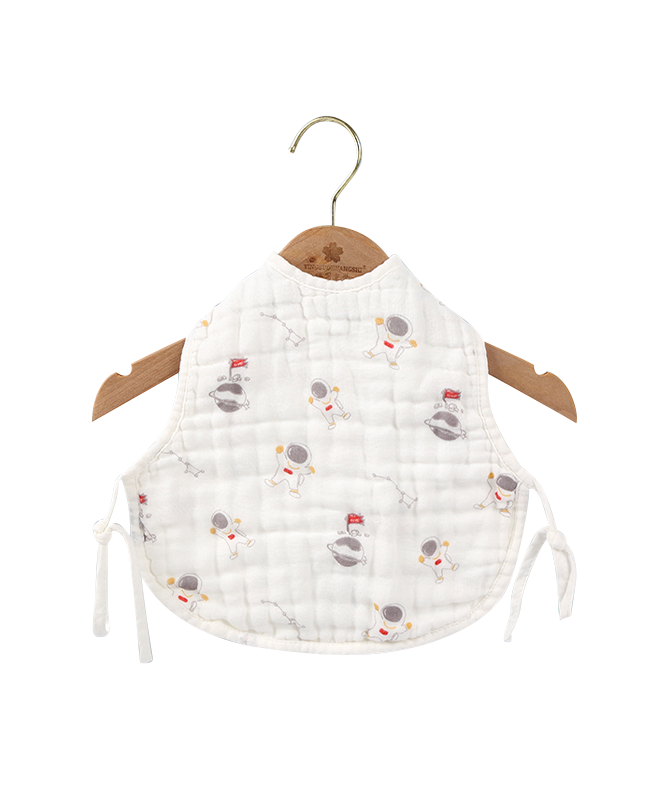
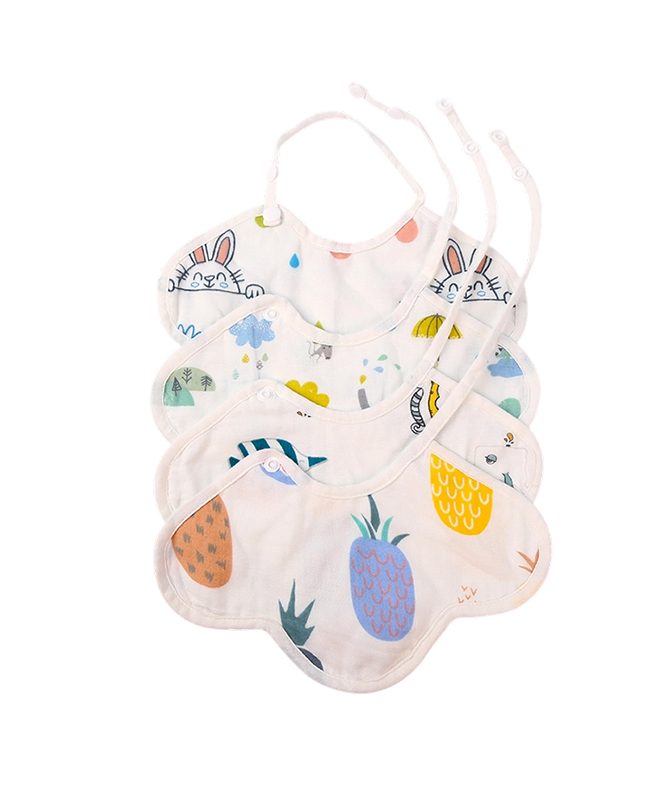
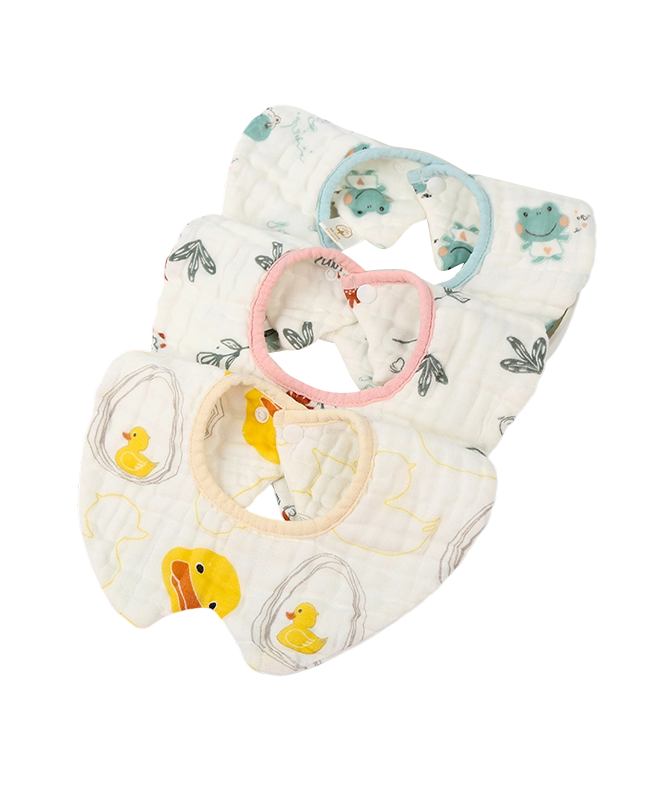
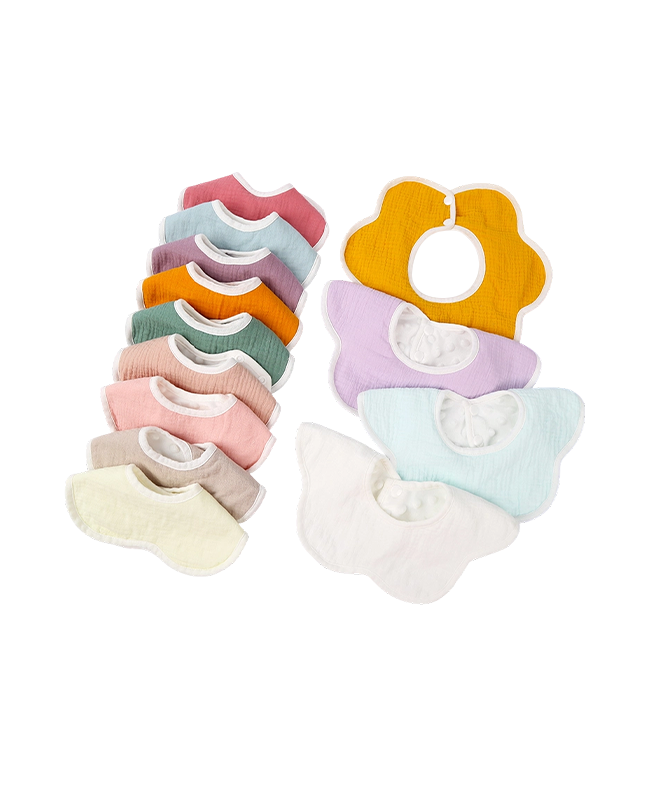
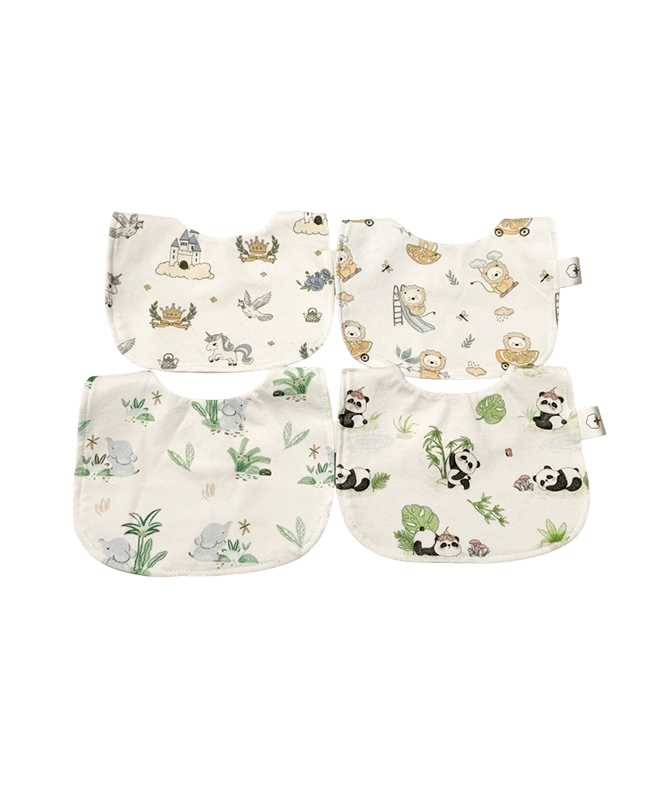
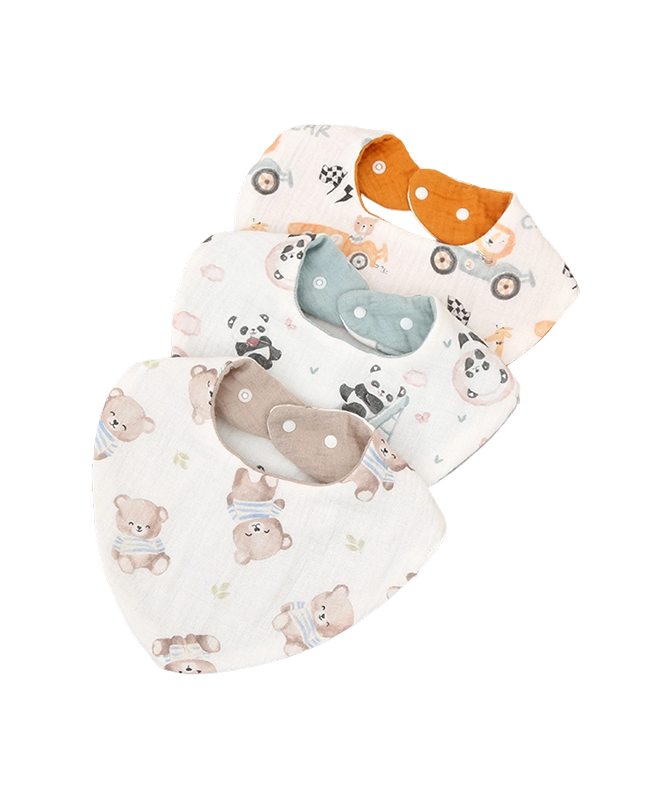
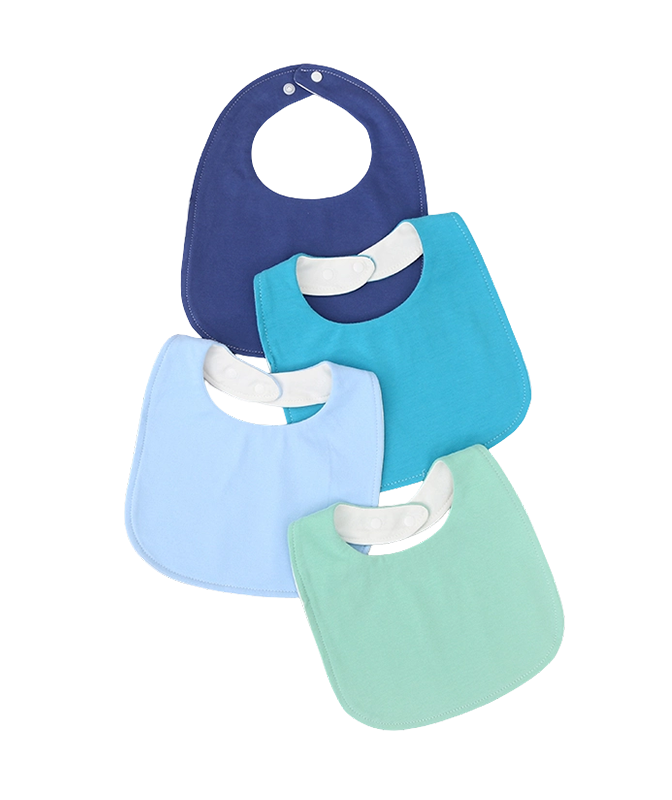




Caring for infants today often involves balancing practical daily routines with attention to health and sustainability. Baby Textile Products and Organic Cotton Baby Bibs have gained attention as part...
READ MORE

About Qunying
Jinhua Qunying Textile Co., Ltd. operates from its own premises spanning approximately 7,000 square metres, achieving a daily production capacity of 60,000 items. With 15 years of specialisation within the maternal and infant products sector, the company has consistently focused on the research, development, and production of mid-to-high-end cotton goods for infants and young children. Its products are exported to countries including Europe, America, Japan, South Korea, and Vietnam. As a China eco-friendly baby products supplier and baby accessories factory, we are mainly engaged in wholesale infant safety products, we undertake contract manufacturing for numerous domestic and international brands, possessing thorough familiarity with the operational models of major e-commerce platforms. Its products, quality standards, and responsiveness have garnered consistent and profound recognition from a broad client base. Core product lines include: bibs, bath towels, sweat towels, pillows, sleeping bags, and nappy pads. OEM and ODM customisation services are available. With a warehouse holding 10 million yuan worth of fabric and inventory, the company offers bespoke production from a single item, complimentary sample production, and drop-shipping services.
- Reasonable Prices
- Sufficient Equipment
- Stone Experts
- Modern Technology
- Fast Service
- 24/7 Services
News
-
-
Feeding a baby involves a series of small but important tasks, from handling spills to keeping the infant comfortable throughout the process. Baby Textile Products and Organic Cotton Baby Bibs are oft...
READ MORE -
We are thrilled to announce that Jinhua Qunying Textile Co., Ltd. will be participating in the 2026 China (UAE) Export Brand Joint Expo, which will take place from June 17-19 at the Dubai World Trade ...
READ MORE -
We are excited to announce that Jinhua Qunying Textile Co., Ltd. will be participating in the 2026 China (Vietnam) Export Brand Joint Expo, which will take place from May 13-15 at the Saigon Exhibitio...
READ MORE -
We are excited to announce our participation in the upcoming IBTE Jakarta International Toy and Baby Products Expo, set to take place from August 19th to 22nd, 2026, at the Jakarta International Exhib...
READ MORE
Message Feedback
Products Industry knowledge
Why Are Eco-friendly Baby Products Important Today?
Eco-conscious baby products are designed to reduce exposure to potentially harmful substances while reducing environmental impact. Infants have developing immune systems and thinner skin, which makes them more sensitive to chemical exposure compared to adults.
Key material considerations include:
Organic cotton and natural fibers: These materials are grown without synthetic pesticides or chemical treatments. They are commonly used in clothing, swaddles, and bedding.
Food-grade silicone: Often used in feeding products, silicone does not release harmful compounds under normal use conditions and maintains stability under temperature changes.
Glass and stainless steel: These materials are frequently used in feeding bottles because they do not absorb odors or degrade over time.
Environmental and health benefits:
Reduced exposure to volatile organic compounds (VOCs)
Lower risk of skin irritation and allergic reactions
Longer product lifespan compared to low-quality plastics
Reduced waste due to durability and recyclability
Practical selection advice:
Parents should look for certification labels such as OEKO-TEX®, GOTS (Global Organic Textile Standard), or BPA-free declarations. These certifications indicate compliance with specific safety and chemical use standards. Washing new textile products before use also helps remove residual manufacturing particles.
Eco-friendly choices are not limited to clothing. Feeding utensils, bath products, and even toys increasingly use safer material compositions that align with both infant safety and environmental responsibility.
What Baby Accessories Support Daily Care Efficiency?
Baby accessories serve practical roles in feeding, hygiene, mobility, and organization. While they may appear simple, their design directly affects caregiving efficiency and infant comfort.
Common accessory categories and their purposes:
- Feeding support items
- Bibs protect clothing from food and saliva.
- Burp cloths help maintain hygiene after feeding.
- Bottle drying racks improve sanitation by allowing proper airflow.
- Hygiene and cleaning tools
- Soft washcloths and towels help prevent skin irritation.
- Grooming kits typically include nail clippers, brushes, and nasal aspirators.
- Changing mats provide a clean, portable surface.
- Mobility and organization products
- Diaper bags with compartment systems allow organized storage of essential items.
- Stroller organizers improve access to feeding bottles, wipes, and personal items.
- Portable bottle warmers support feeding outside the home.
Factors to evaluate when selecting accessories:
- Ease of cleaning
- Durability under repeated washing
- Material softness and flexibility
- Structural integrity of closures and fasteners
Well-designed accessories help caregivers respond quickly to infant needs, which can reduce stress during feeding or changing routines. They also help maintain hygiene standards by preventing contamination of feeding and care items.
How Do Infant Safety Products Reduce Risks?
Infant safety products are designed to address predictable hazards in home and travel environments. Since infants gradually develop mobility, preventive safety measures become increasingly necessary.
Major safety product categories include:
- Environmental safety controls
- Safety gates restrict access to stairs and unsafe areas.
- Cabinet locks prevent access to hazardous substances.
- Corner guards reduce injury risk from sharp furniture edges.
- Monitoring and supervision tools
- Baby monitors allow caregivers to observe movement and sound remotely.
- Motion sensors can alert caregivers to unusual inactivity or movement.
- Travel protection systems
- Car seats are designed to absorb impact forces and secure infants during transport.
- Stroller harness systems prevent accidental falls.
Safety design features to evaluate:
- Compliance with regulatory standards such as ASTM or EN safety certifications
- Secure locking mechanisms that resist accidental release
- Stable mounting systems that remain fixed under normal use
Installation and usage considerations:
Proper installation significantly affects product performance. For example, incorrectly installed safety gates or car seats may not provide the intended protection. Following manufacturer instructions and periodically checking product stability helps maintain protective effectiveness.
Safety products function as preventive tools. They reduce injury likelihood by controlling access to hazards and improving supervision capabilities.
How Should Parents Balance Function And Safety Needs?
Choosing infant care products involves evaluating how materials, structure, and function align with developmental needs. Several general principles help guide decision-making:
- Prioritize material safety: Products in contact with skin or food should use non-toxic, stable materials.
- Evaluate practical usability: Products should support routine caregiving tasks without adding unnecessary complexity.
- Check structural stability: Safety equipment should remain secure during regular use.
- Consider long-term durability: Products that maintain integrity over time reduce replacement frequency.
Parents may also consider how products integrate into daily routines. For example, accessories that simplify feeding preparation or safety tools that require minimal adjustment often support more consistent use.
Another important factor involves developmental timing. Safety needs evolve as infants transition from lying down to crawling and standing. Products appropriate for newborns may differ from those needed at six or twelve months.
Contact Us
-

-

+86-0579-82360699
+86-13757979229
+86-18967494288 -

1st Floor, Building E7, Feiyang Smart Manufacturing Town, South Second Ring West Road, Bailongqiao Town, Wucheng District, Jinhua City, Zhejiang Province, China
QUNYING
Copyright © 2025 by Jinhua Qunying Textile Co., Ltd. Rights Reserved.

Wholesale Infant Safety Products