English
 Español
 Deutsch
 عربى
عربى
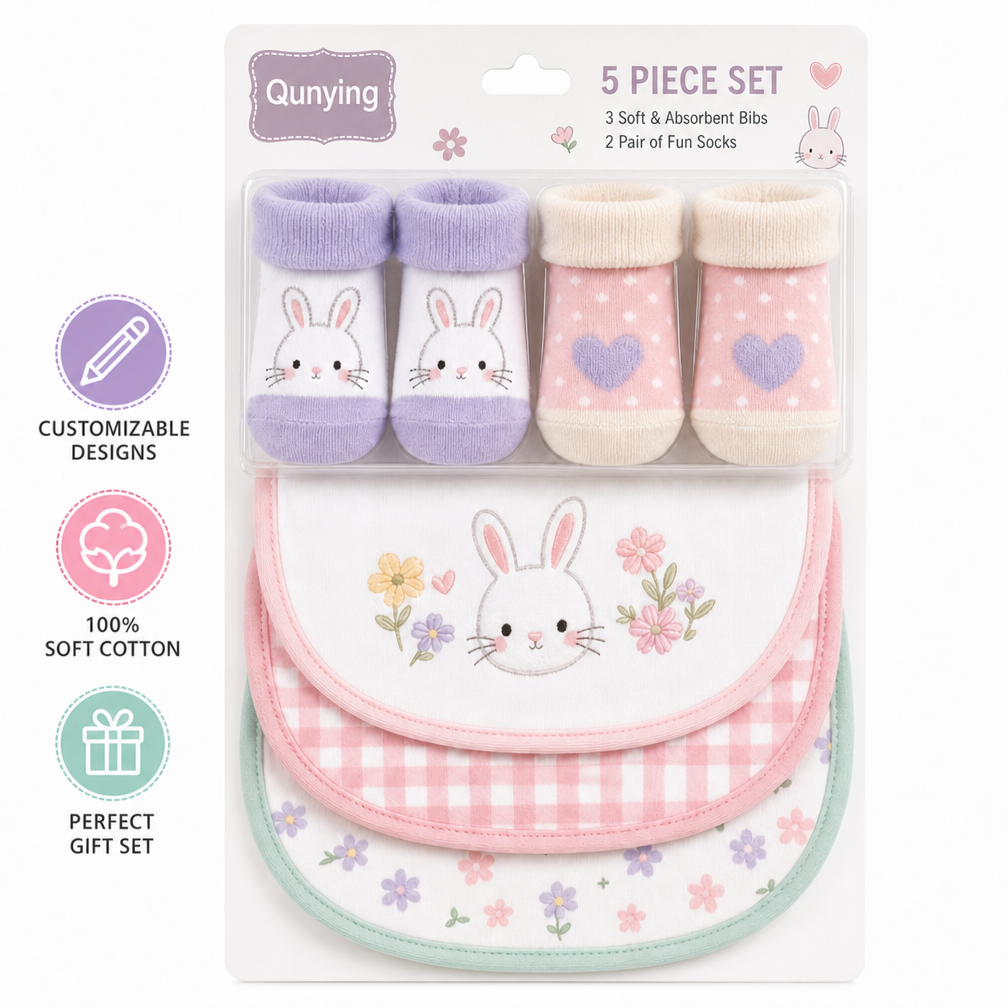
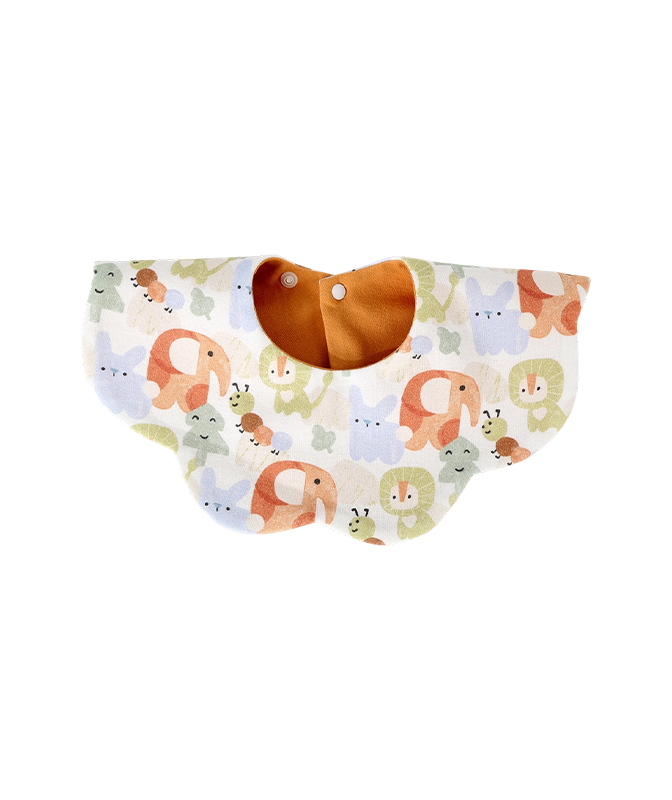
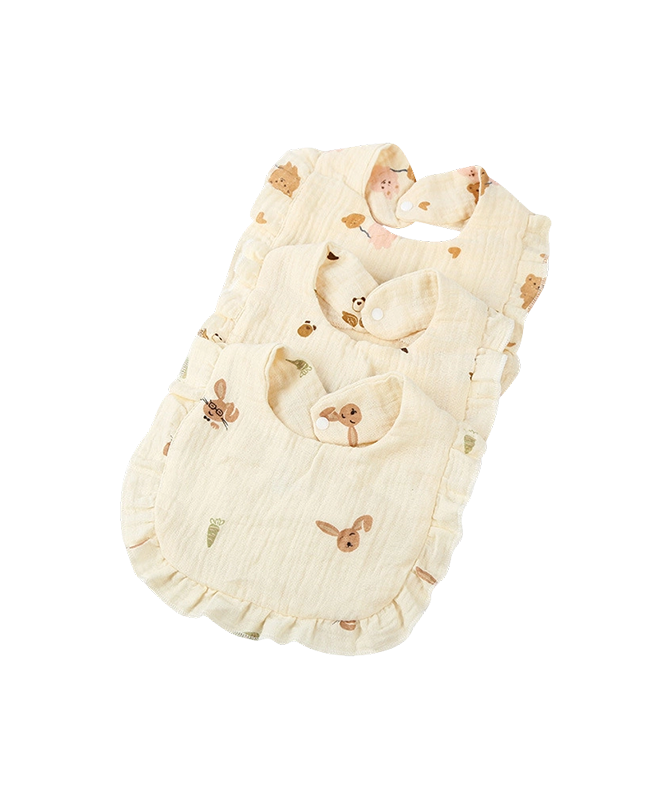
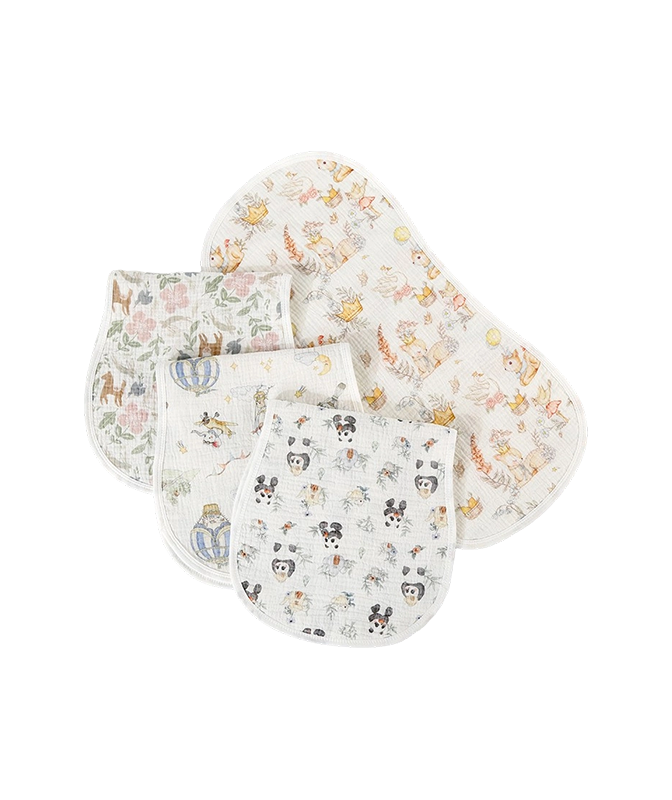
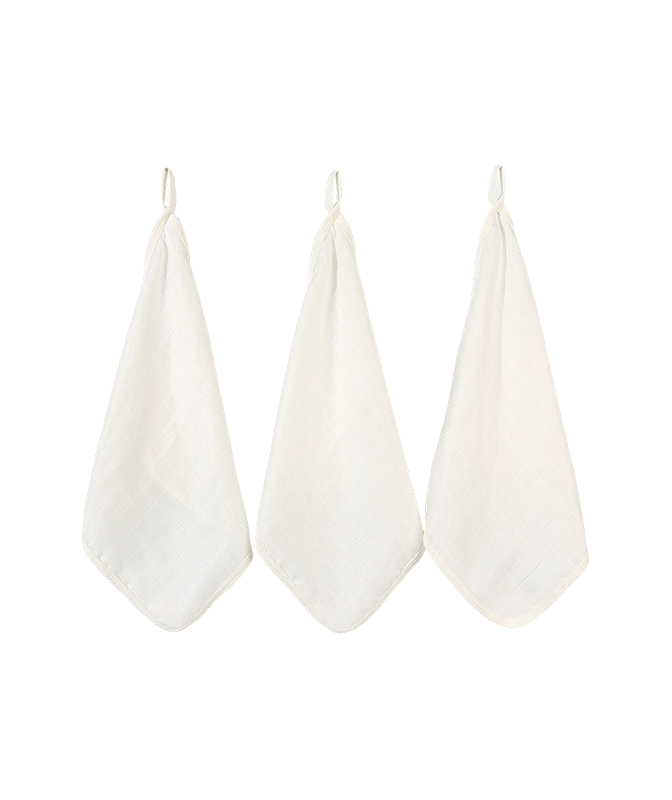
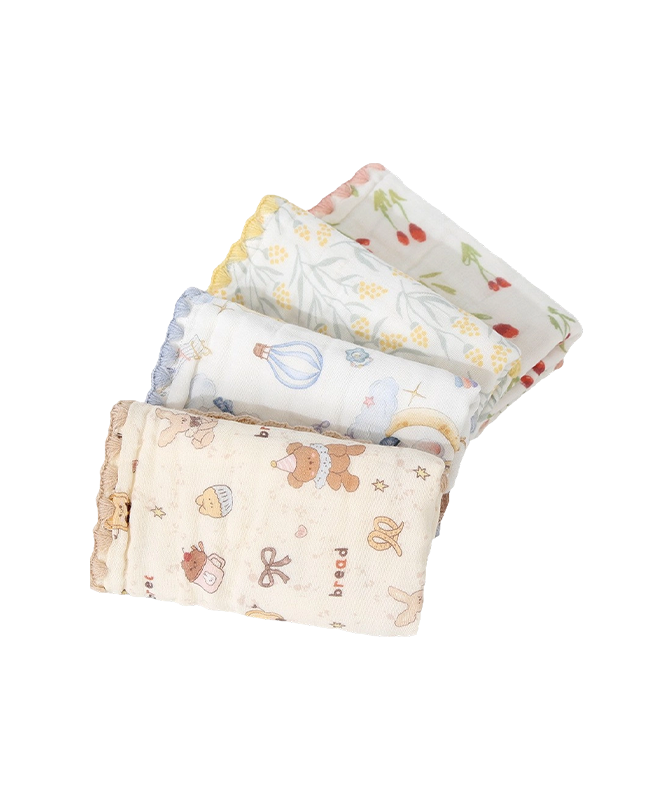
Feeding a baby involves a series of small but important tasks, from handling spills to keeping the infant comfortable throughout the process. Baby Textile Products and Organic Cotton Baby Bibs are often part of this daily routine, offering both practical coverage and a gentle touch on sensitive skin. Selecting textiles that are soft, absorbent, and easy to manage can help caregivers maintain smoother feeding routines and reduce interruptions caused by wet clothing, irritation, or cumbersome laundering.

Material Considerations for Practical Use
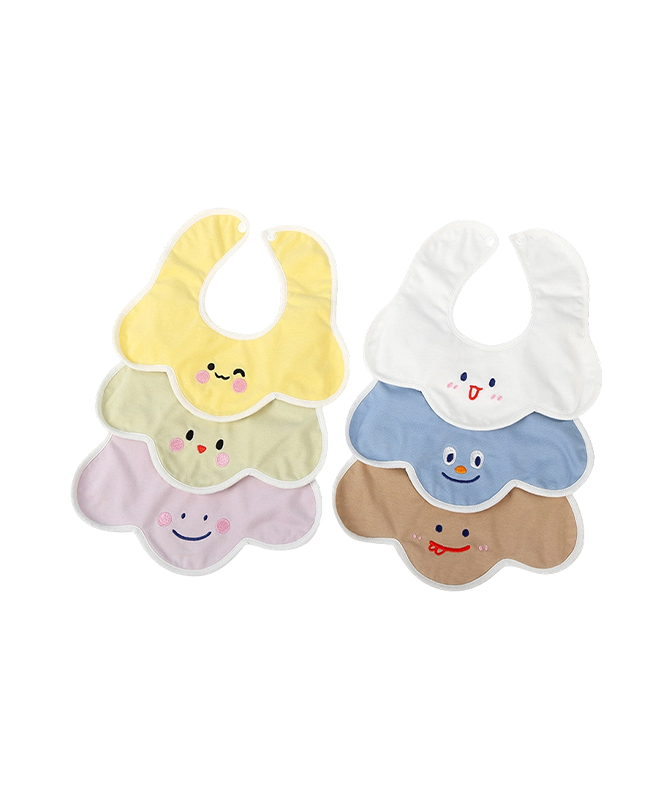
Organic cotton is a natural fiber grown without synthetic pesticides or fertilizers, which reduces the presence of chemical residues. This contributes to a gentle contact surface for delicate skin. Organic Cotton Baby Bibs made from this material tend to be soft, breathable, and absorbent, which makes them suitable for handling drool, milk, or other feeding-related spills. Choosing these materials allows caregivers to maintain a more manageable feeding environment, where moisture is absorbed efficiently and the baby’s skin is not exposed to prolonged dampness.
- Softness of fibers reduces friction and potential skin irritation.
- Breathable structure allows air circulation to keep the area under the bib dry.
- Absorbent quality helps contain liquids, limiting frequent clothing changes.
These characteristics support practical considerations rather than exaggerated claims, focusing on everyday usability and convenience.
Fitting and Adjustability
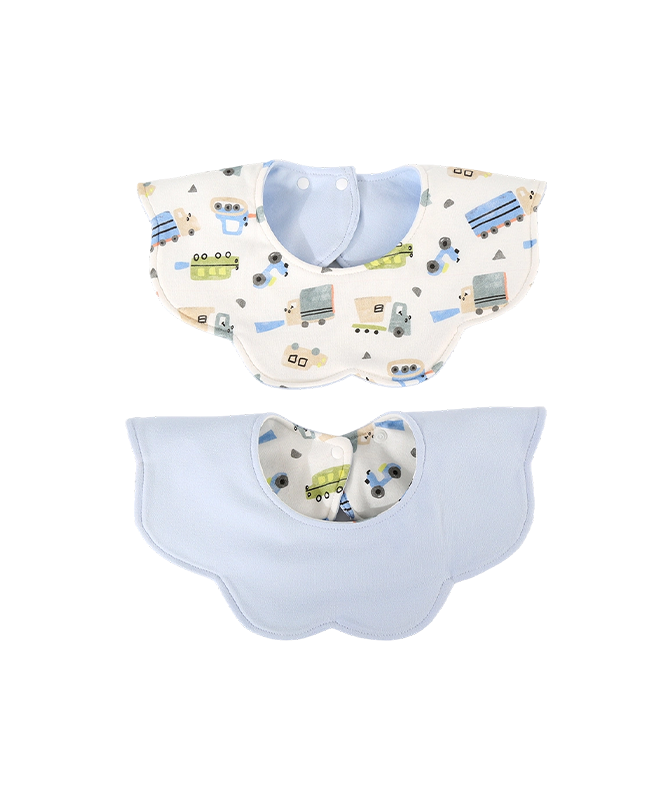
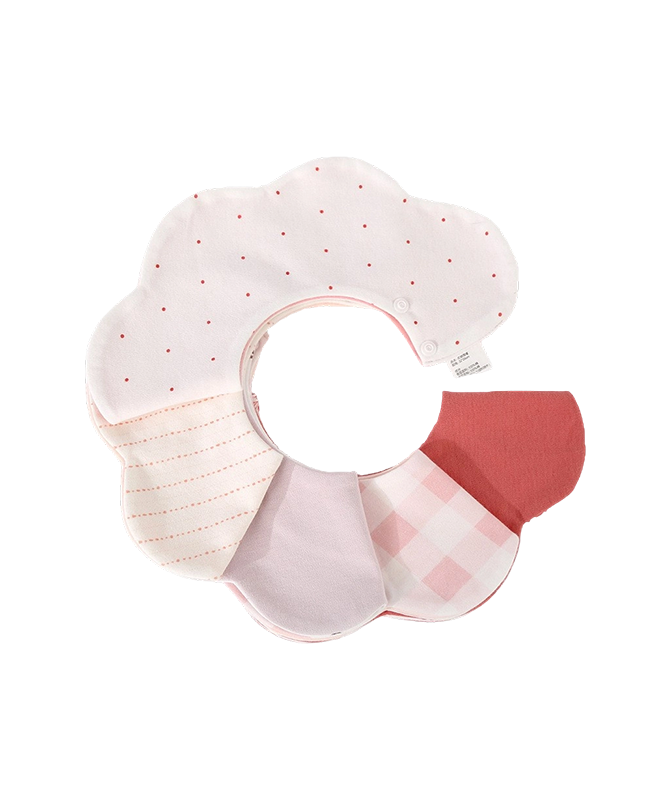
Proper fit can influence both comfort and ease of use. Bibs that are too tight may leave impressions on the neck or rub against the skin, while overly loose bibs can fold or shift, allowing moisture to remain in contact with the baby. Many Organic Cotton Baby Bibs include adjustable fasteners such as snaps or velcro straps, making them suitable for various ages and sizes. Correct fitting ensures that the bib covers the chest adequately without interfering with feeding movements, supporting smoother routines and reducing the need for constant adjustment.
Cleaning and Maintenance
How bibs are maintained directly affects their usability in daily feeding. Washing with mild, fragrance-free detergents prevents chemical residue accumulation while preserving softness. Avoiding strong bleaches or fabric softeners reduces fiber wear, and washing at appropriate temperatures helps maintain shape and fit. Air-drying or using low-heat settings prevents shrinkage and keeps bibs gentle to the touch. Well-maintained bibs remain consistent in their comfort, which simplifies repeated use during multiple feedings each day.
Everyday Feeding Scenarios
Bibs play a practical role during meals, protecting clothing and skin while simplifying cleanup. When babies spill milk, drool, or puree, Organic Cotton Baby Bibs absorb moisture efficiently and prevent it from pooling against the skin or clothing. They are also useful during teething, when drool may be more frequent, helping caregivers manage feeding and clothing changes with less interruption. Integrating bibs into feeding routines allows parents to handle daily tasks more smoothly and maintain a cleaner environment without introducing extra effort.
Selecting Complementary Baby Textile Products
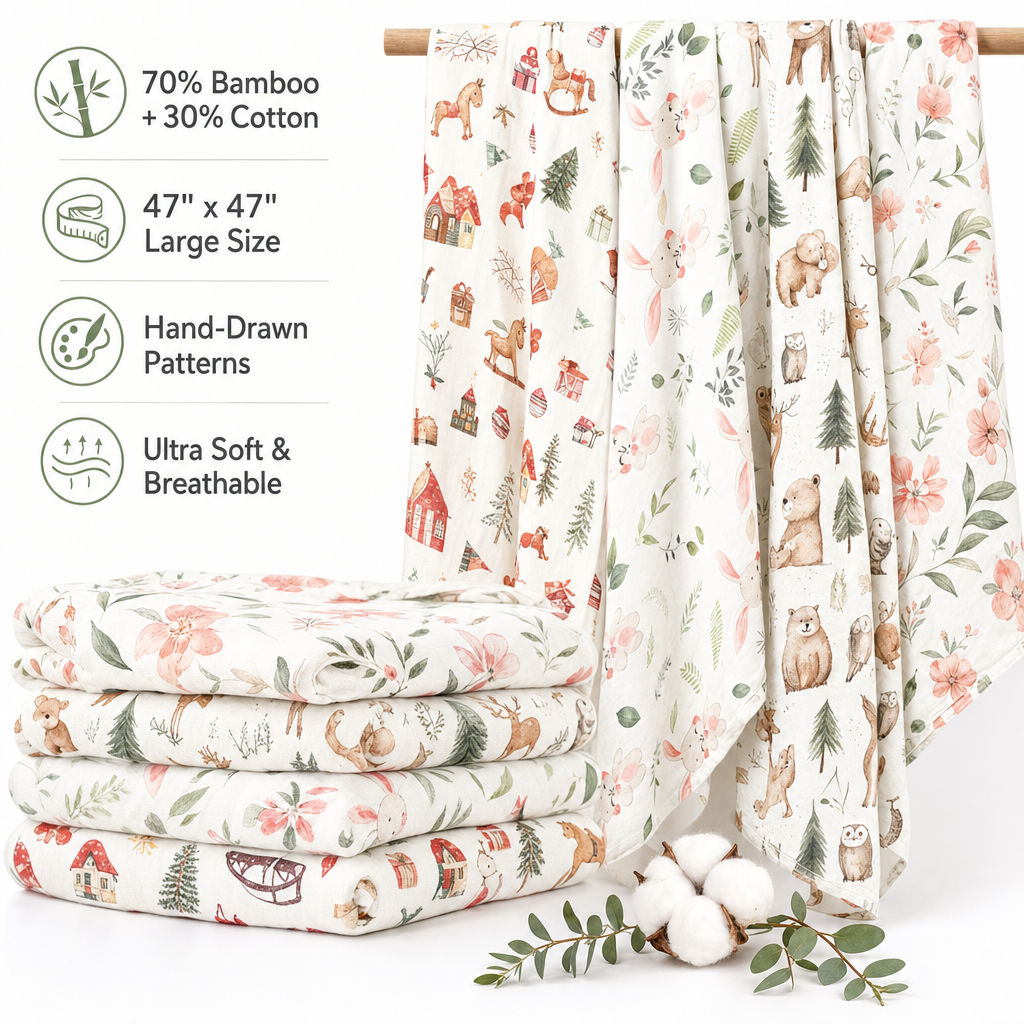
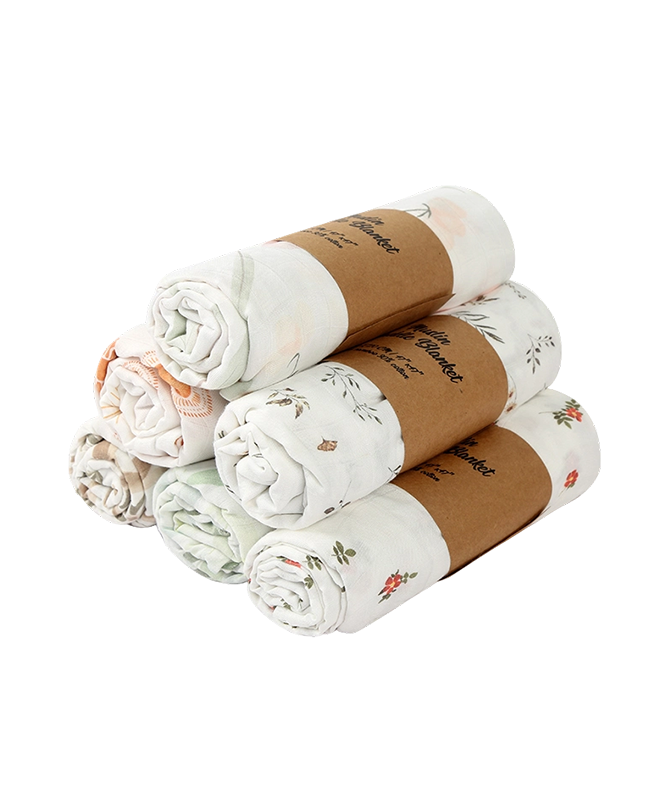
Bibs are often used alongside other baby textile items, such as onesies, sleepwear, and blankets. Coordinating materials with similar softness and breathability contributes to consistent comfort for the infant. Layering textiles thoughtfully, ensuring that damp or soiled items are replaced promptly, and choosing fabrics that are durable yet gentle can make feeding routines more manageable. These choices are practical, supporting a smoother rotation of clothing and reducing the need for excessive washing or repeated adjustments.
Incorporating Efficiency into Routine
Beyond material and fit, caregivers can consider features that simplify daily use. Bibs that are machine-washable, easy to adjust, or designed with wider coverage reduce time spent on handling spills or clothing changes. Integrating these products strategically into feeding times—placing clean bibs ready before each meal, storing extras within reach, and pairing them with absorbent clothing—supports a more organized approach. By combining thoughtful selection, proper maintenance, and routine planning, caregivers can maintain feeding schedules with less disruption while keeping the baby comfortable.