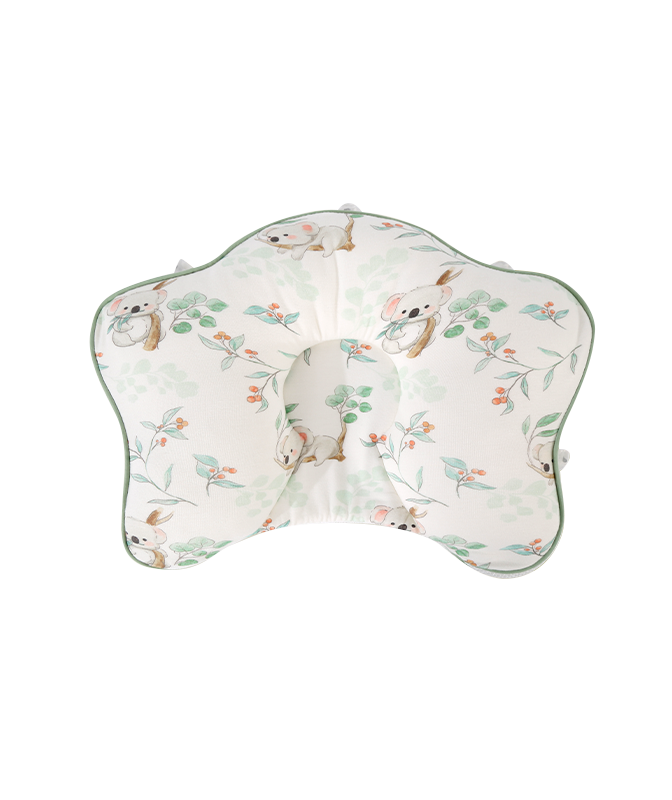
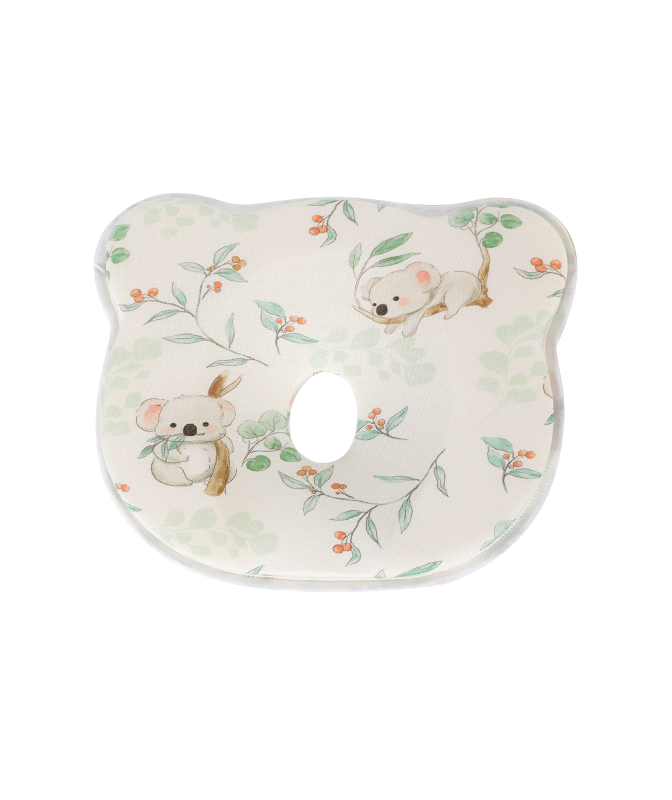
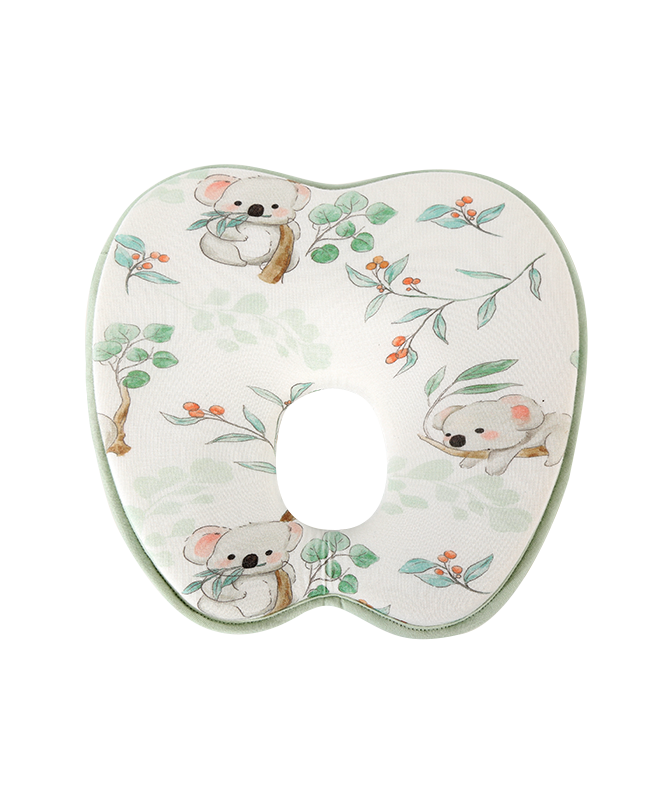
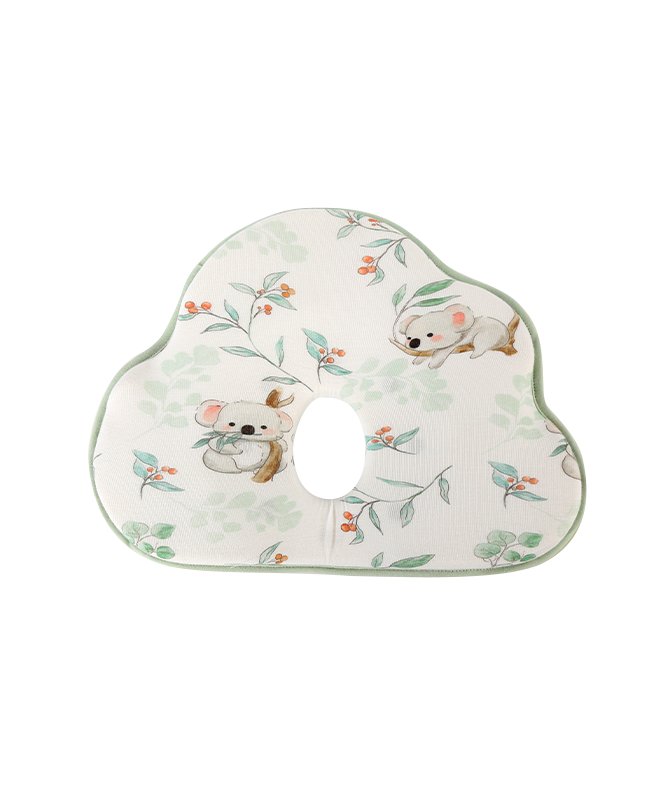
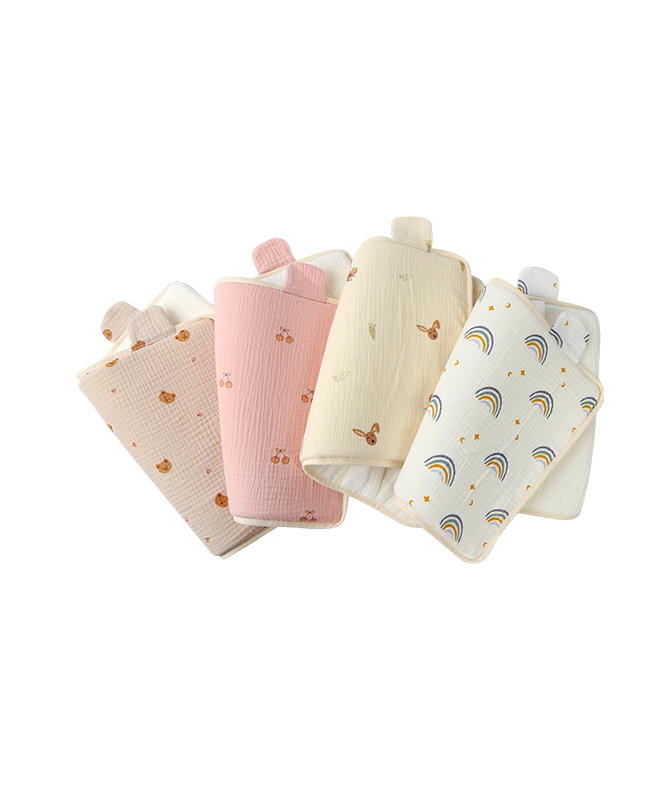
Why Do Baby Pillows Matter in the Early Months?
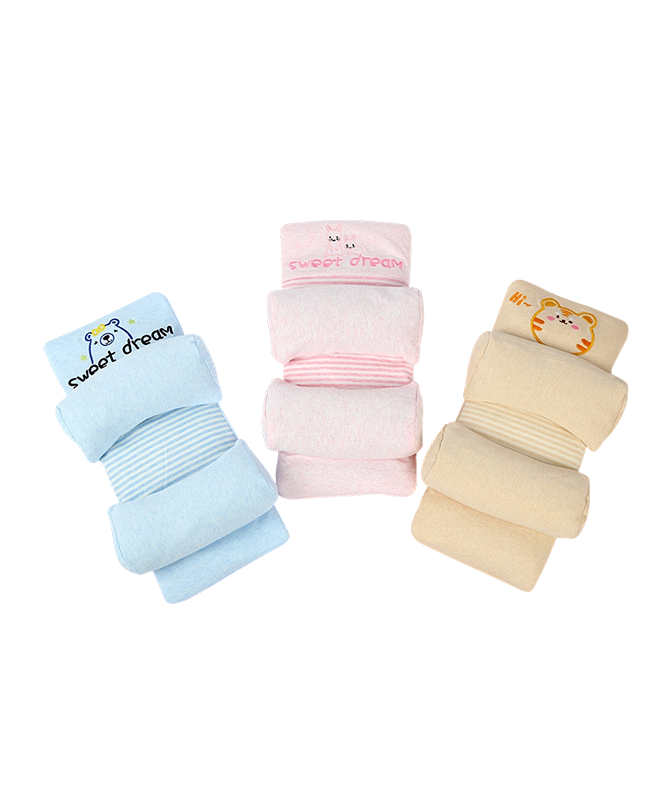
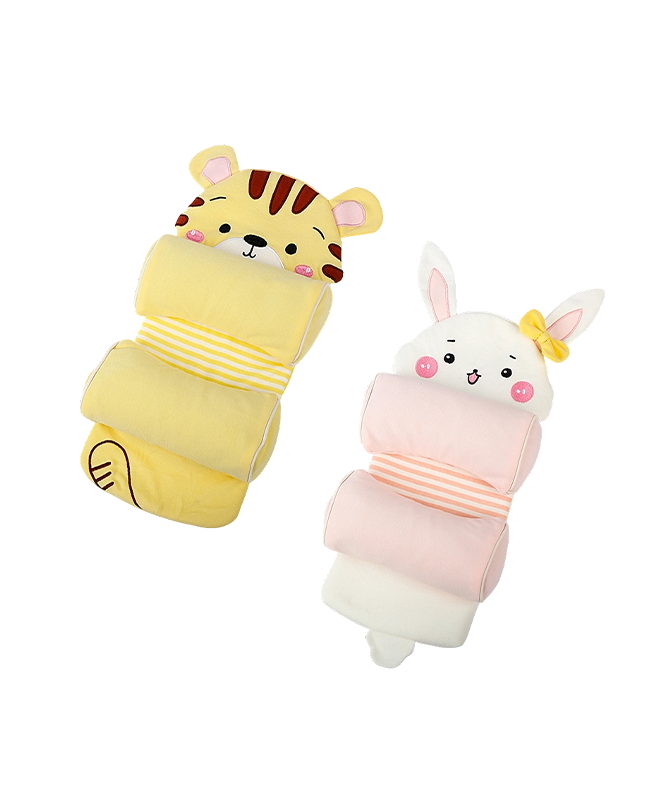
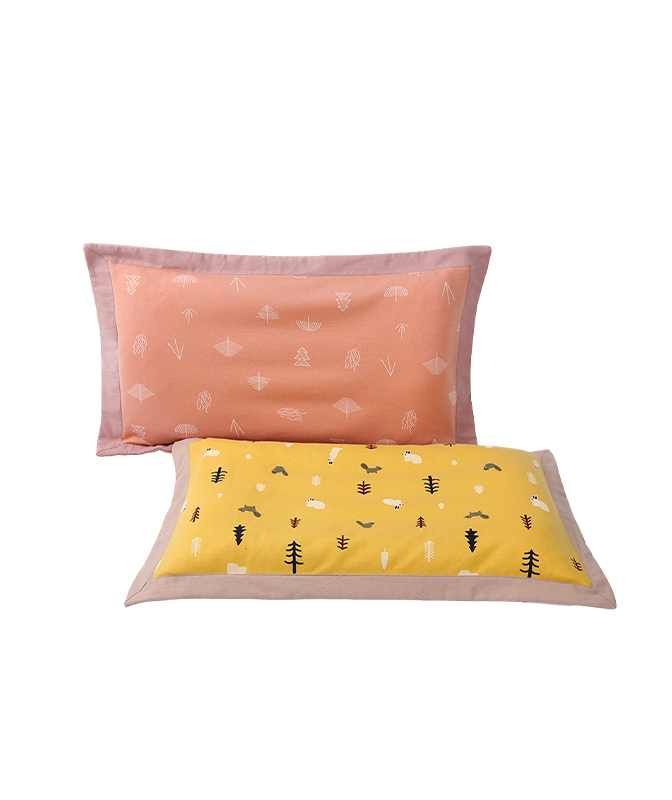
Baby Pillows are generally designed to provide gentle support for an infant’s head and neck during rest, but their use is often influenced by regional practices and pediatric sleep guidance. In early infancy, the skull remains soft and still developing, which makes pressure distribution an important consideration.
In practice, Baby Pillows are usually made with very low loft or minimal height to reduce uneven pressure on the head. Some caregivers use them to help maintain a slightly centered sleeping position, especially during supervised naps. However, usage patterns vary widely depending on cultural habits and medical recommendations.
From a functional perspective, Baby Pillows are often evaluated based on airflow, surface flatness, and fabric breathability rather than thickness. The goal is not elevation but gentle contact and reduced friction during movement.
How Does Newborn Pillow Cotton Affect Comfort?
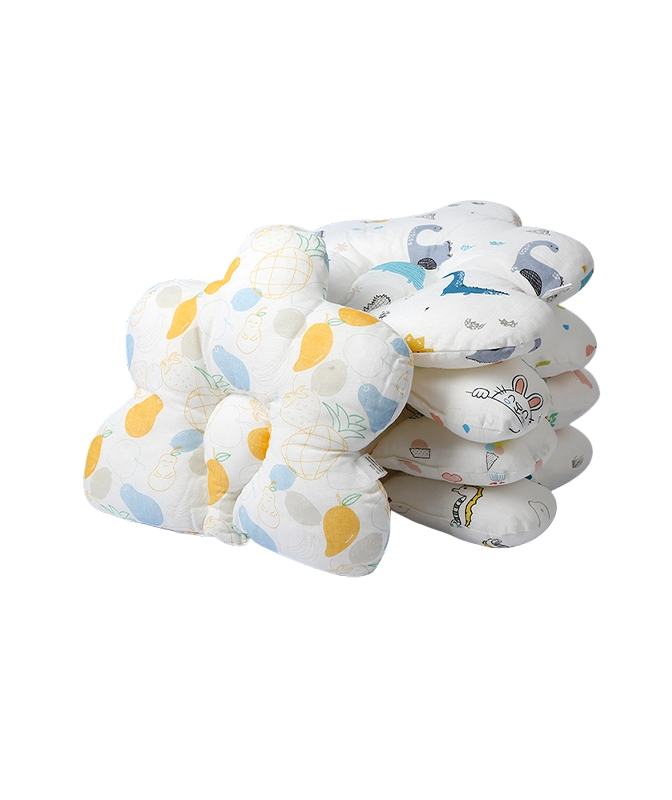
Newborn Pillow Cotton refers to the filling and surface fabric composition used in infant pillows designed for very early-stage babies. Cotton remains a widely used material due to its soft texture and moisture-absorbing properties, which help regulate surface humidity during sleep.
What makes Newborn Pillow Cotton relevant is its interaction with sensitive skin. Newborns tend to have higher skin permeability, so fabric choice can influence comfort levels.
In production, Newborn Pillow Cotton products often use layered structures, combining outer cotton fabric with lightly compressed inner filling. This structure prevents clumping and helps maintain a consistent surface feel after repeated washing.
Caregivers often evaluate cotton-based newborn pillows based on wash durability and shape retention. Since infant bedding is frequently cleaned, the fiber stability of Newborn Pillow Cotton becomes an important factor in long-term use.
When Are Baby Flat Pillows Used?
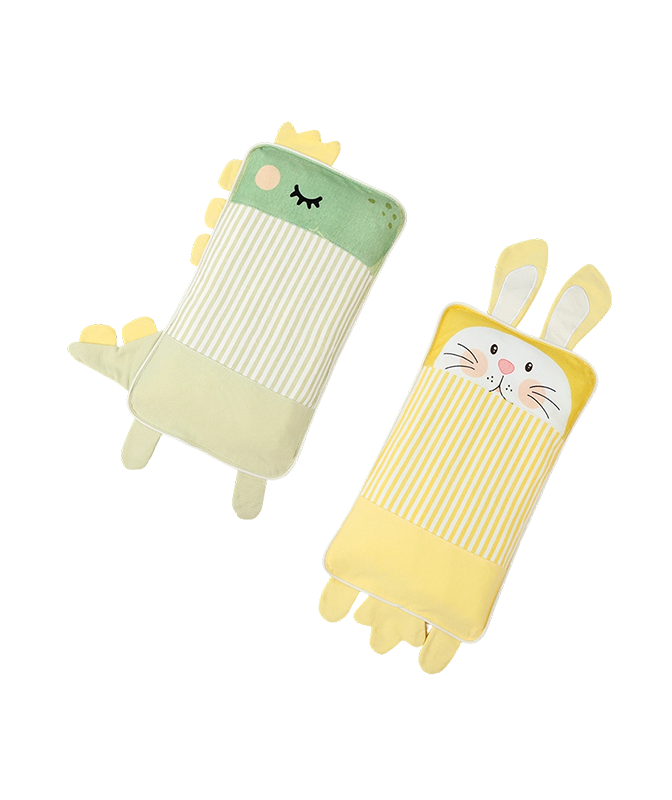
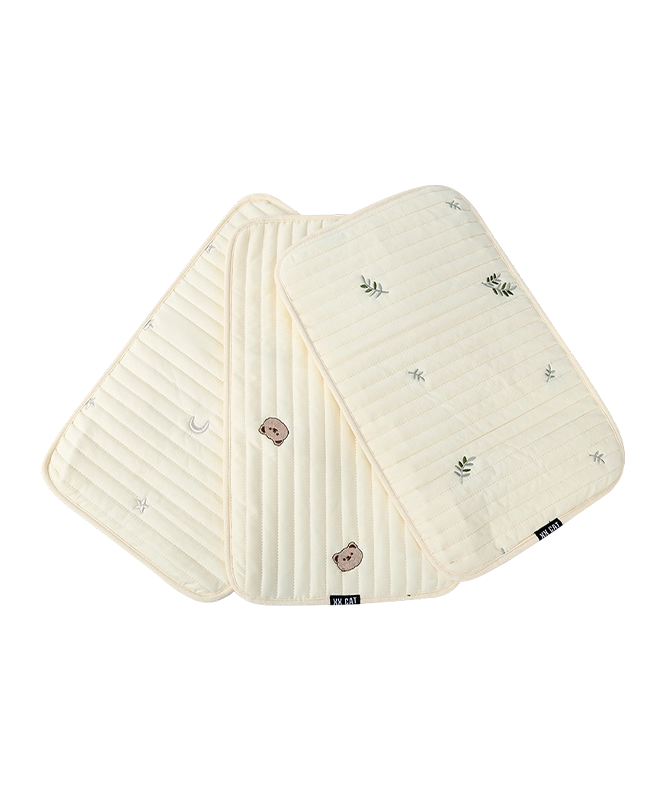
Baby Flat Pillows are designed with extremely low height, sometimes appearing almost level with the sleeping surface. Their design focuses on reducing elevation while still offering a soft transition between the mattress and the infant’s head.
These pillows are often introduced during transitional sleep stages when caregivers feel the need for slight head cushioning without significant lift. Baby Flat Pillows are also used in situations where infants tend to roll their heads frequently during sleep, as the flat structure reduces abrupt angle changes.
A key design aspect is even pressure distribution. Unlike traditional pillows with curved loft, Baby Flat Pillows rely on uniform padding across the surface.
Material choice also matters. Many Baby Flat Pillows incorporate breathable fabrics combined with thin cotton or fiber layers to maintain airflow while preserving softness.
What Factors Influence Safe Material Selection?
When comparing Baby Pillows, Newborn Pillow Cotton, and Baby Flat Pillows, material behavior often becomes the central point of evaluation. Infants have limited ability to regulate temperature, so heat dissipation plays a role in sleep comfort.
Cotton-based materials, especially those used in Newborn Pillow Cotton products, tend to support better air exchange compared to denser synthetic fillings. However, structure also matters. Even breathable fabric can become less effective if the padding is too compact.
Baby Pillows and Baby Flat Pillows often differ in internal construction rather than external appearance. One may have slight contour shaping, while the other prioritizes flat uniformity. These structural differences influence how heat and moisture are distributed during sleep.
Washing frequency is another practical factor. Infant bedding is typically cleaned more often than adult bedding, so material resilience, seam strength, and shrink resistance are important considerations in all three product types.
How Do Design Differences Affect Head Support?
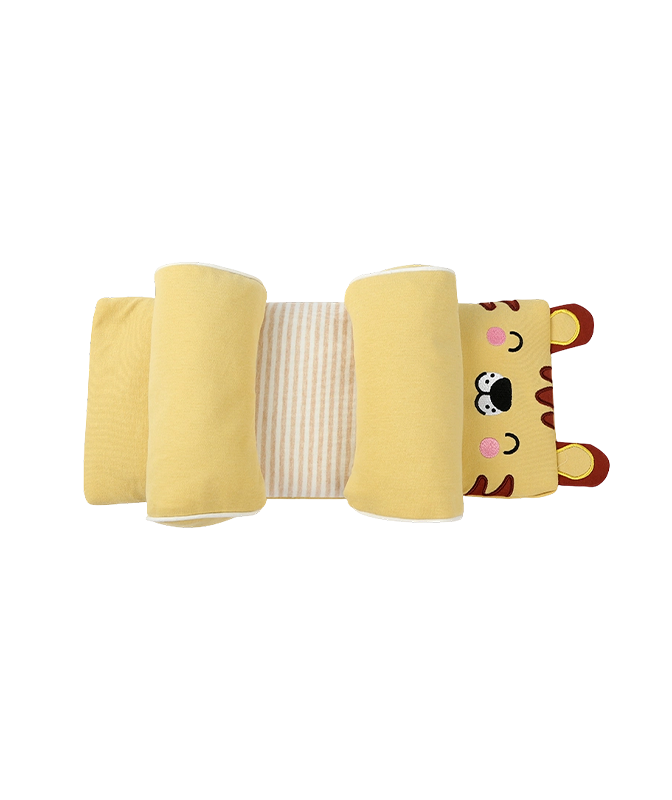
Head support in infant bedding is less about firmness and more about consistency. Baby Pillows may introduce mild contouring, while Baby Flat Pillows distribute weight evenly without directional shaping.
In early developmental stages, uneven support may cause temporary head positioning preferences. For this reason, many caregivers prefer flatter structures during the initial months. Newborn Pillow Cotton fillings are often adjusted to maintain softness without forming raised areas.
The relationship between pillow height and neck alignment is subtle in infants, since their neck muscles are still developing. Therefore, both Baby Pillows and Baby Flat Pillows are generally designed with minimal elevation rather than structural lift.


 English
 Español
 Deutsch
 عربى
عربى