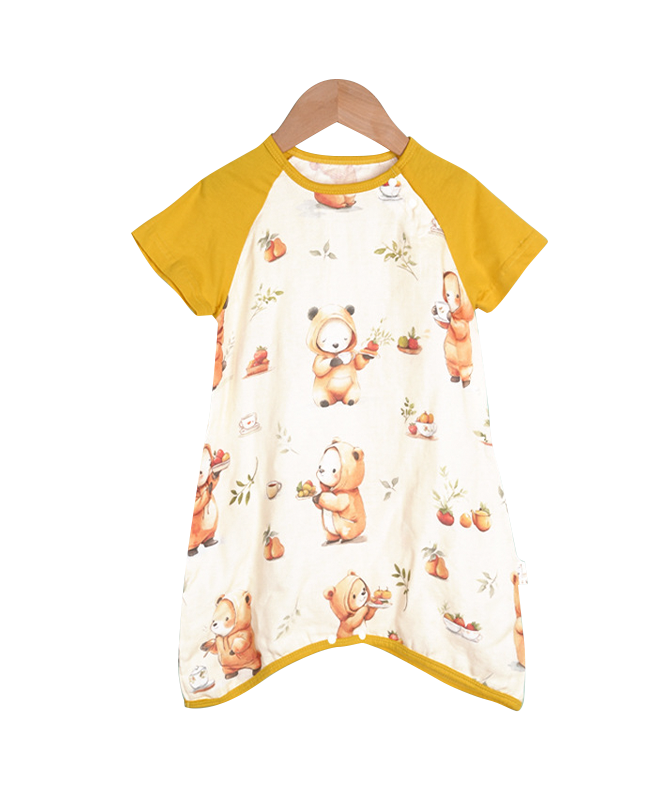
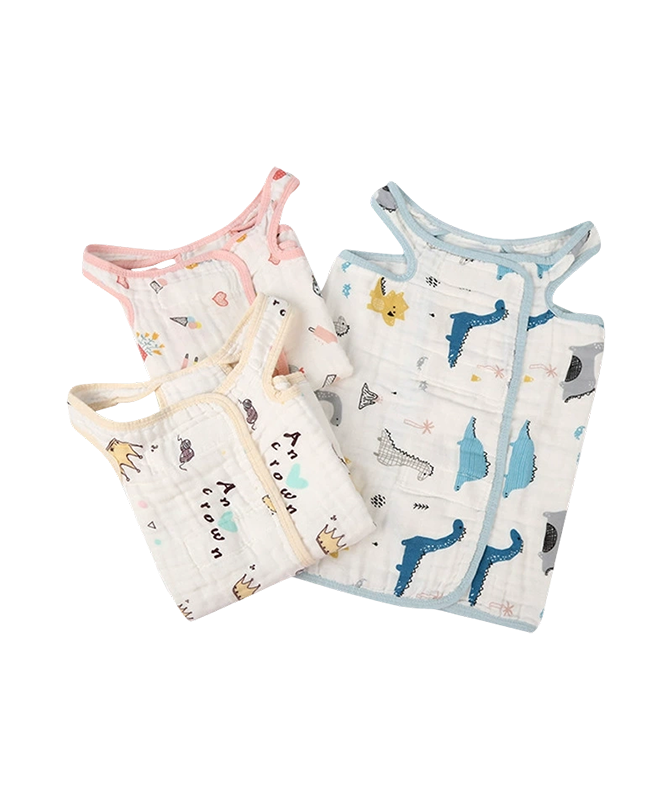
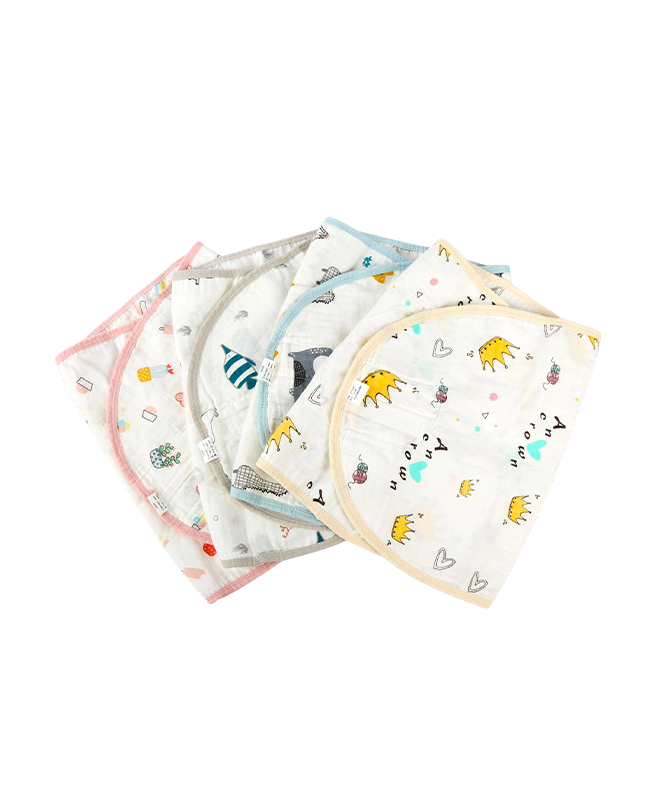
How does Baby Sleeping Sack support infant sleep routines?
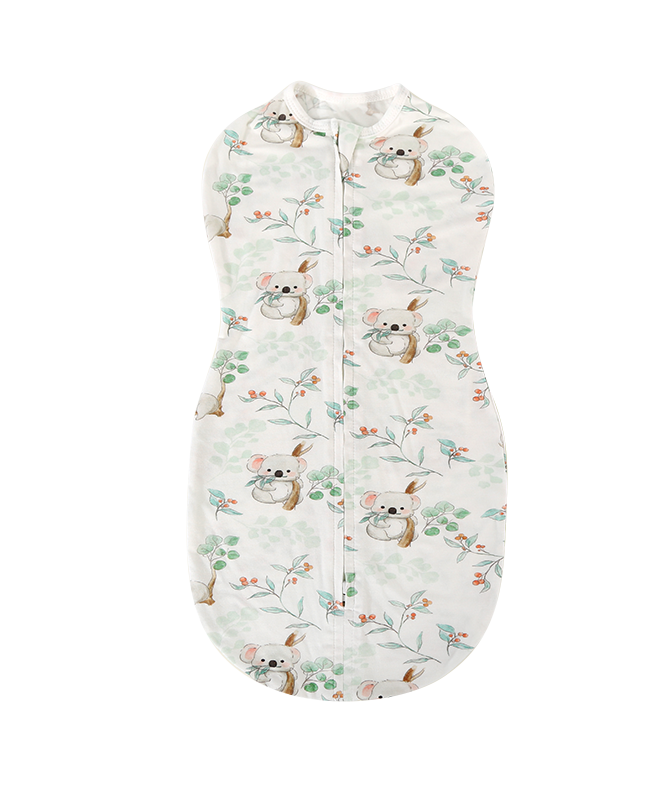
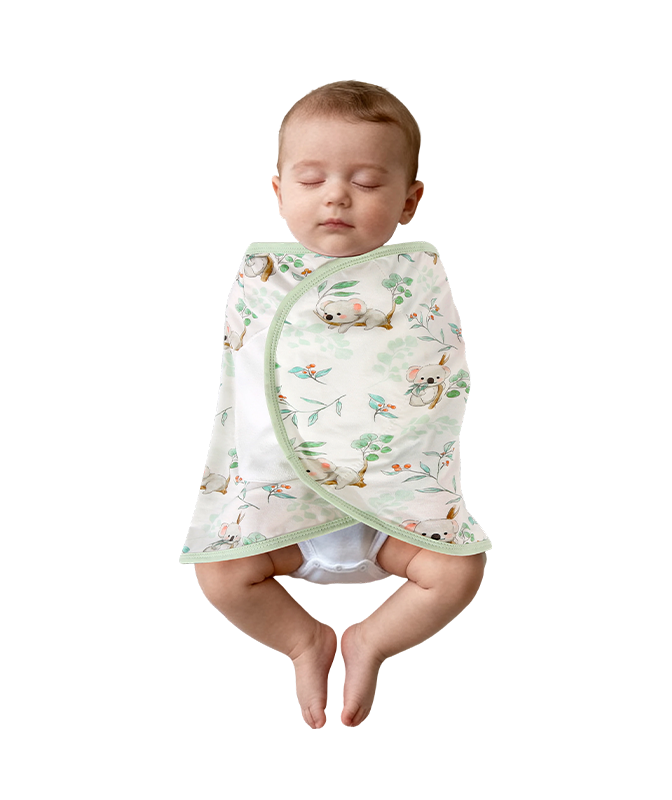
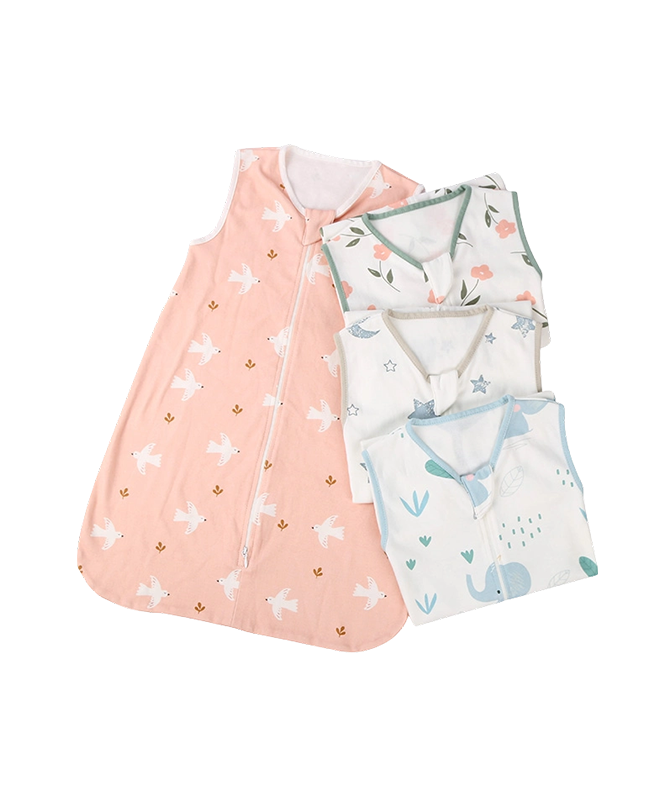
A Baby Sleeping Sack is mainly designed for early-stage infants who cannot control their sleep movements well. Instead of using loose blankets, the wearable structure keeps the covering consistent throughout the night.
Key functional points include:
- Stable coverage: Prevents fabric from shifting during sleep
- Temperature balance: Helps maintain consistent warmth without layering blankets
- Safer structure design: Reduces loose textile around the face area
- Seasonal material options: Cotton, bamboo fiber blends, or padded fillings, depending on room temperature
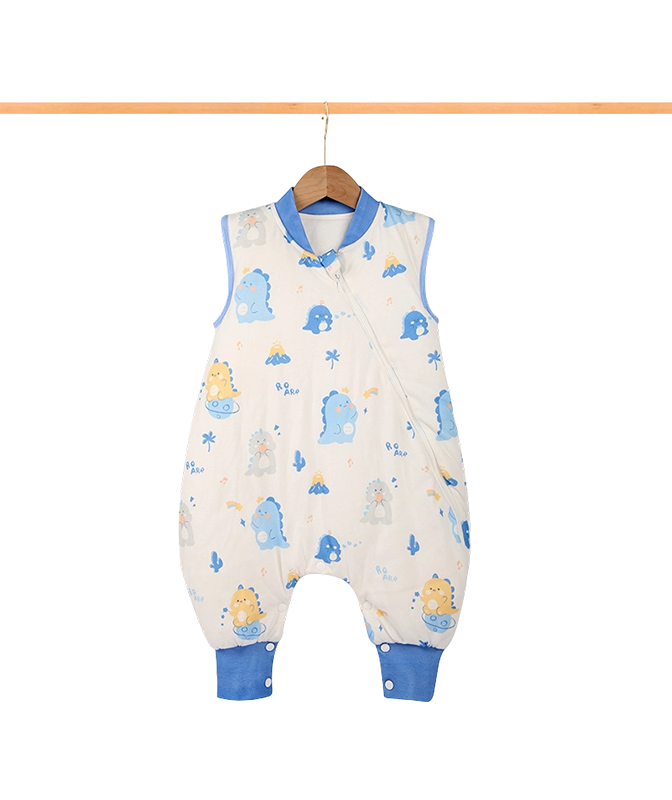
In practical use, caregivers often notice that a Baby Sleeping Sack reduces the need for nighttime adjustments. The zipper placement is usually designed for quick diaper changes, often positioned at the front or side with protective lining to avoid skin irritation.
Sizing is generally based on body length rather than age, which helps ensure enough leg movement while avoiding excess fabric. This balance is important because infants still need slight mobility for natural sleep positioning.
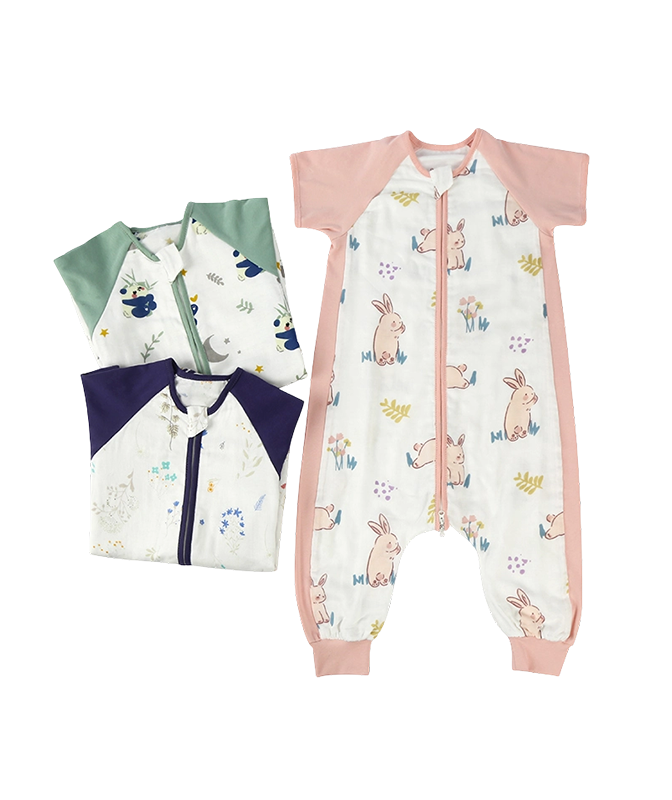
What makes the Toddler Sleep Sack suitable for mobility stages?
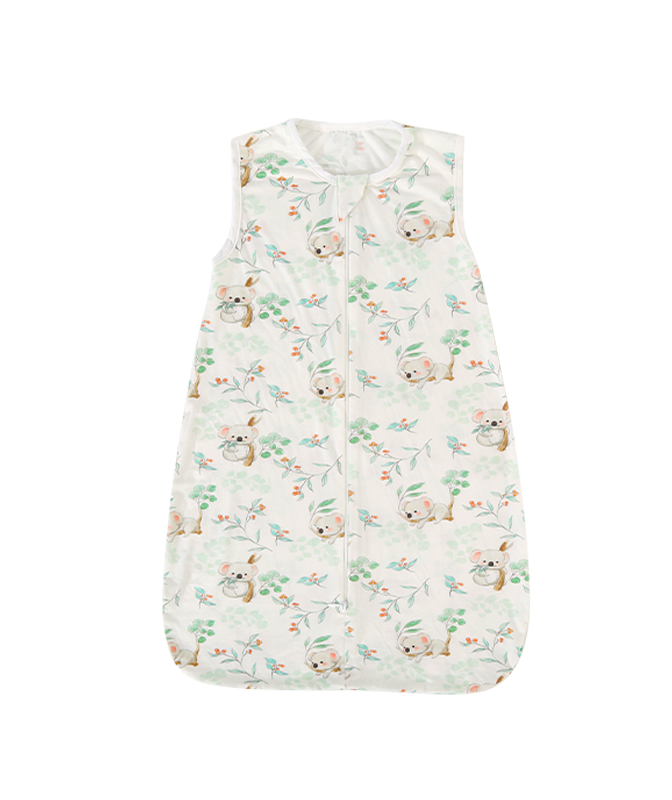
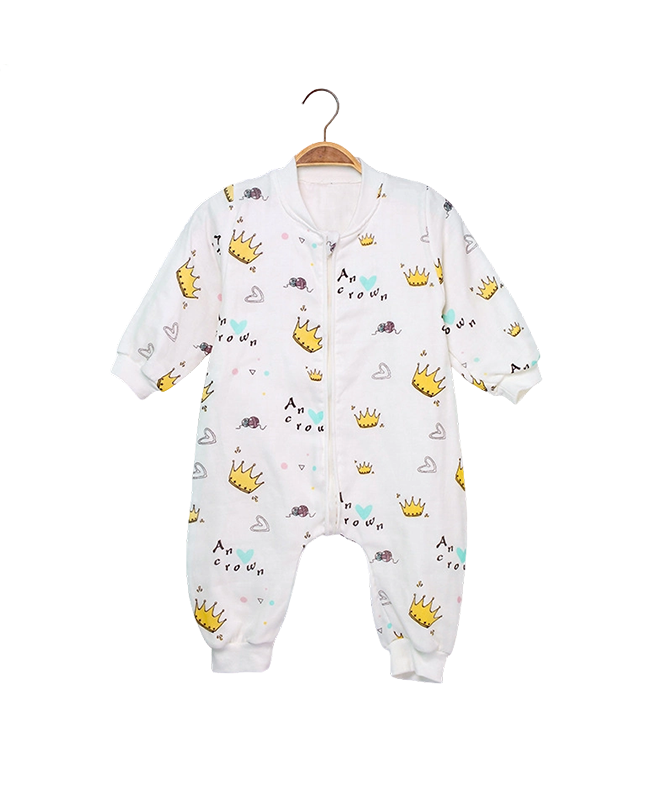
As children enter walking and climbing stages, the Toddler Sleep Sack adjusts its structure to match increased movement during sleep and daily activity.
Main characteristics include:
- Wider lower section: Allows natural leg movement and standing in crib
- Improved flexibility: Supports rolling, stretching, and repositioning during sleep
- Durable fabric selection: Designed for frequent washing and active use
- Reduced restriction design: Focuses more on comfort than immobilization
At this stage, sleep behavior becomes more active and less predictable. A Toddler Sleep Sack helps maintain a familiar sleep cue while still allowing independence in movement.
Caregivers often rely on consistent bedtime routines, and this type of sleepwear becomes part of that structure. The material is usually medium-weight to adapt to different indoor temperatures, reducing the need for extra bedding layers.
Why are Baby Sleeping Bags used in varied environments?
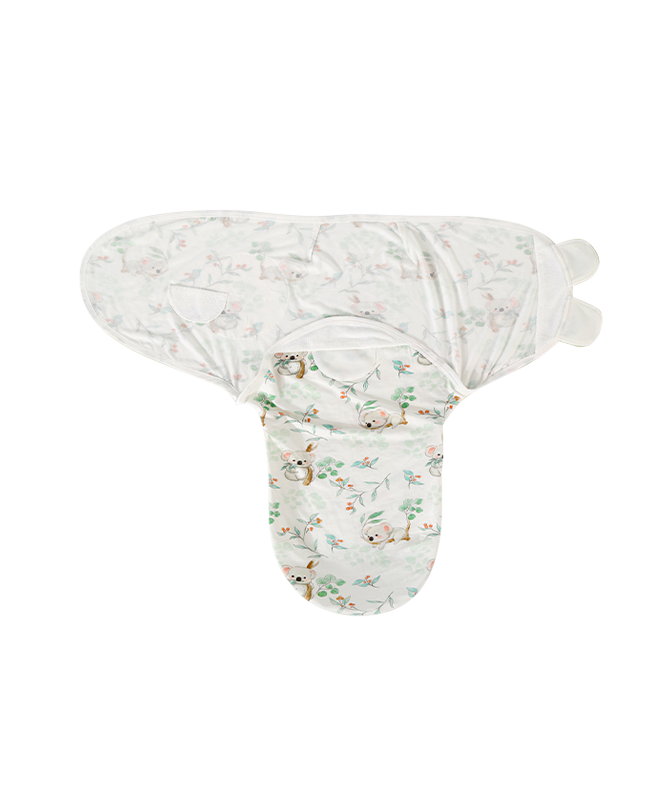
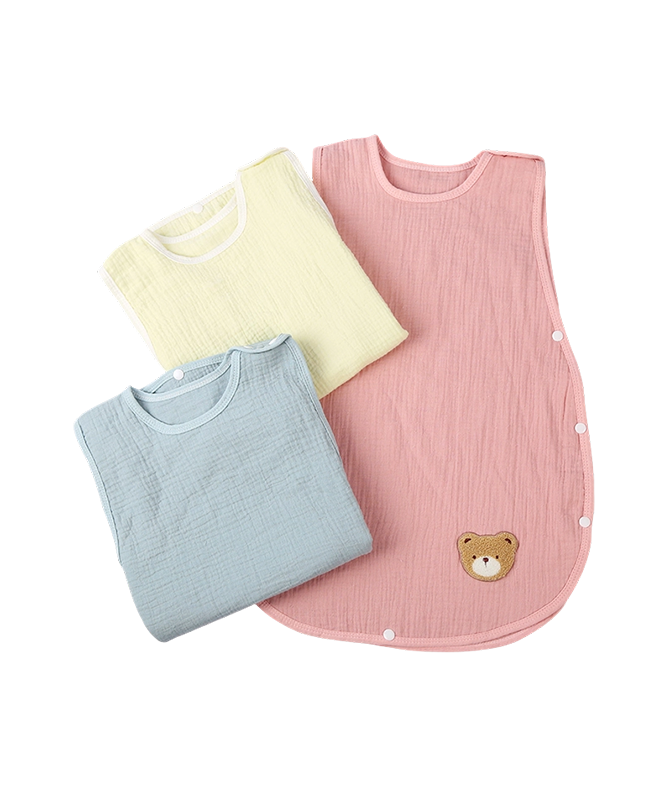
The term Baby Sleeping Bags generally refers to a broader category of wearable sleep systems designed for infants and young children. Unlike traditional outdoor sleeping bags, these are adapted for indoor sleeping environments.
Core functional points include:
- Enclosed structure: Helps maintain stable thermal conditions
- Multi-layer adaptability: Some designs include removable or adjustable insulation
- Environmental flexibility: Suitable for different room temperatures and travel use
- Comfort-focused filling distribution: Helps avoid cold spots or uneven warmth
From a usage perspective, Baby Sleeping Bags are often chosen for travel or unfamiliar sleeping environments. The consistent structure provides a familiar sleep setting, which can help reduce sleep disruption when routines change.
Material engineering plays an important role. Manufacturers often focus on breathable fabrics combined with evenly distributed filling to avoid overheating or moisture buildup during longer sleep periods.
How do these sleep systems compare in real use?
When comparing Baby Sleeping Sack, Toddler Sleep Sack, and Baby Sleeping Bags, the main differences relate to mobility allowance, age stage suitability, and structural flexibility. The Baby Sleeping Sack focuses more on early infancy, where movement control and consistent coverage are key. The Toddler Sleep Sack shifts toward mobility and independence while still maintaining safe coverage during active sleep phases. Baby Sleeping Bags extend the concept into a more adaptable format that can be used across different environments and seasons.
Each type addresses a specific developmental need rather than replacing one another. In many households, it is common for caregivers to transition from Baby Sleeping Sack to Toddler Sleep Sack as the child grows, and then occasionally use Baby Sleeping Bags for travel or environmental adjustments.
Material choice, sizing accuracy, and temperature suitability remain central considerations across all three categories. While designs vary, the underlying goal is to support stable sleep conditions without introducing unnecessary complexity into nighttime routines.


 English
 Español
 Deutsch
 عربى
عربى