English
 Español
 Deutsch
 عربى
عربى
A baby's skin is thin. It overheats fast. It reacts to trapped moisture. The fabric touching a newborn has to let air move while keeping the baby warm. A breathable baby textile factory produces knitted fabrics that do this. Cotton blends, bamboo, micro-modal, technical mesh. The fabric has to be soft enough for skin contact, breathable enough to prevent rashes, and durable enough for daily washing. For baby clothing brands, swaddle makers, and nursery textile buyers, the fabric is the product.
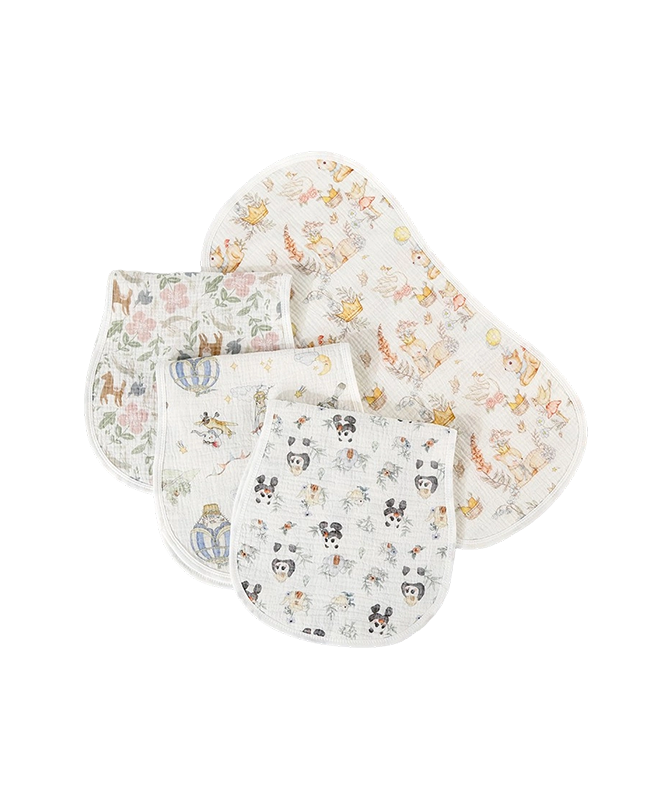
What Breathable Means in Practice
Breathable means air passes through. Moisture evaporates. The skin stays dry. A breathable baby textile factory designs fabric structures that allow this airflow while maintaining the softness babies need.
The knit structure decides how much air moves. Open knits breathe more than dense weaves. A breathable baby textile factory using jersey knits, pointelle patterns, and mesh inserts creates fabric that moves air. A tight interlock for warmth balances airflow against insulation.
The fiber decides what happens to moisture. Cotton absorbs it but dries slowly. Bamboo and micro-modal wick it away from the skin and dry faster. A breathable baby textile factory blends fibers to get both: cotton for softness, modal for wicking, a small amount of elastane for stretch.
The fabric weight sets the use. Lightweight fabrics from 100 to 150 gsm suit summer clothing and swaddles. Heavier fabrics from 200 gsm up suit winter layers and sleep sacks. A breathable baby textile factory offers a range so the brand can build a full seasonal line.
The Fibers That Touch the Skin
Cotton is the baseline. Organic cotton is the premium. A breathable baby textile factory sourcing organic cotton gives brands the certification story consumers pay for. The fiber is soft, natural, and trusted.
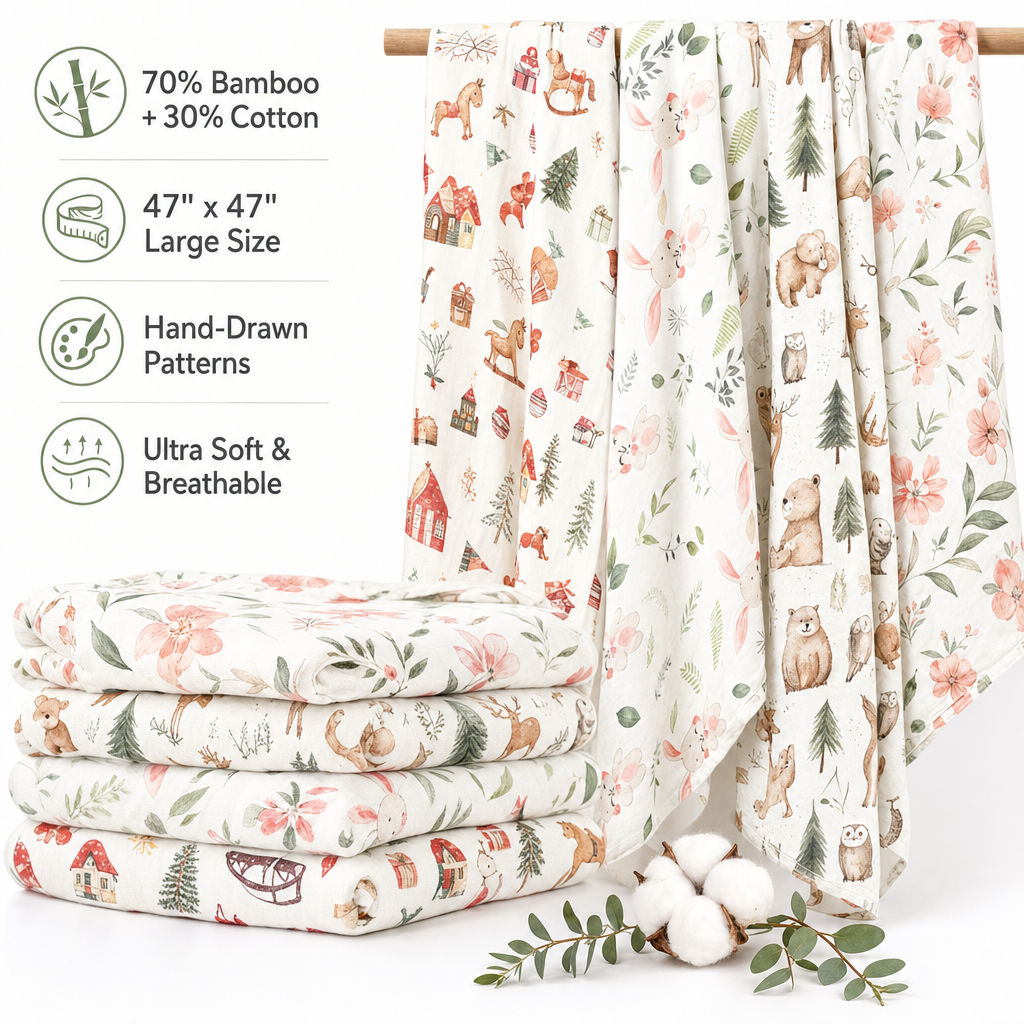
Bamboo rayon is the growth category. It is smoother than cotton, more breathable, and naturally antibacterial. A breathable baby textile factory producing bamboo fabric needs proper chemical management in the viscose process. The resulting fabric is soft enough for eczema-prone skin.
Micro-modal is the luxury option. It is finer than silk, breathable, and holds its shape through washing. A breathable baby textile factory offering micro-modal serves the premium baby market where the fabric is the selling point.
The Wash Test Decides Everything
Baby fabric gets washed constantly. After every wear. After every spill. A breathable baby textile factory has to produce fabric that survives the laundry without shrinking, pilling, or losing its softness.
Shrinkage control is the first test. Fabric that shrinks more than a few percent turns a size 6-month onesie into a size 3-month after three washes. A breathable baby textile factory pre-shrinks during finishing. The buyer measures shrinkage on the first sample and every production batch.
Pilling resistance is the second test. Cheap fabric pills after a few washes. A breathable baby textile factory using longer staple fibers and proper finishing produces fabric that stays smooth.
Colorfastness is the third test. The fabric has to hold its color through washing and against the baby's skin. A breathable baby textile factory using quality dyes and proper fixation produces fabric that does not bleed.
Here is what a breathable baby textile factory needs to deliver:
- Knit structures that balance airflow and coverage
- Fiber blends that wick moisture and dry fast
- Fabric weights from lightweight to heavyweight
- Organic cotton certifications where required
- Shrinkage control tested per batch
- Colorfastness that holds through washing
Where the Fabric Ends Up
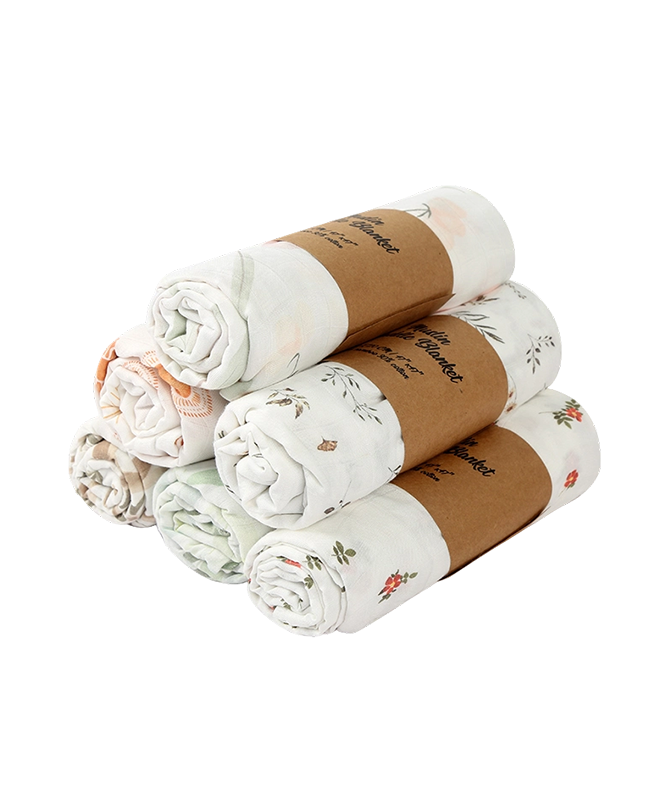
Swaddle blankets wrap a newborn for hours. The fabric has to be breathable enough to prevent overheating, soft enough for skin contact, and strong enough for wrapping. A breathable baby textile factory producing swaddle fabric runs open knits with high airflow.
Baby clothing sits against the skin all day. The fabric has to move with the baby, wick moisture, and survive constant washing. A breathable baby textile factory producing clothing fabric focuses on stretch recovery and durability.
Nursery textiles, crib sheets, blankets, mattress covers, need breathability for safety. A breathable baby textile factory producing nursery fabric follows safe sleep guidelines for airflow.
What Happens When the Fabric Fails
The fabric shrinks after the first wash and the garment no longer fits. Returns pile up. A breathable baby textile factory that pre-shrinks and tests prevents this. The fabric pills and looks old after a week. Quality fibers and finishing keep it smooth. The color bleeds onto other items in the wash. A breathable baby textile factory that tests colorfastness per batch prevents the angry customer photos.
A breathable baby textile factory produces fabric that touches a baby's skin for hours every day. The knit lets air move. The fibers wick moisture. The finish survives the laundry. Choose a factory that controls shrinkage, holds color, and delivers the hand feel the brand promises. The baby stays dry and comfortable. That is what the fabric is for. That is what the factory has to get right.