English
 Español
 Deutsch
 عربى
عربى
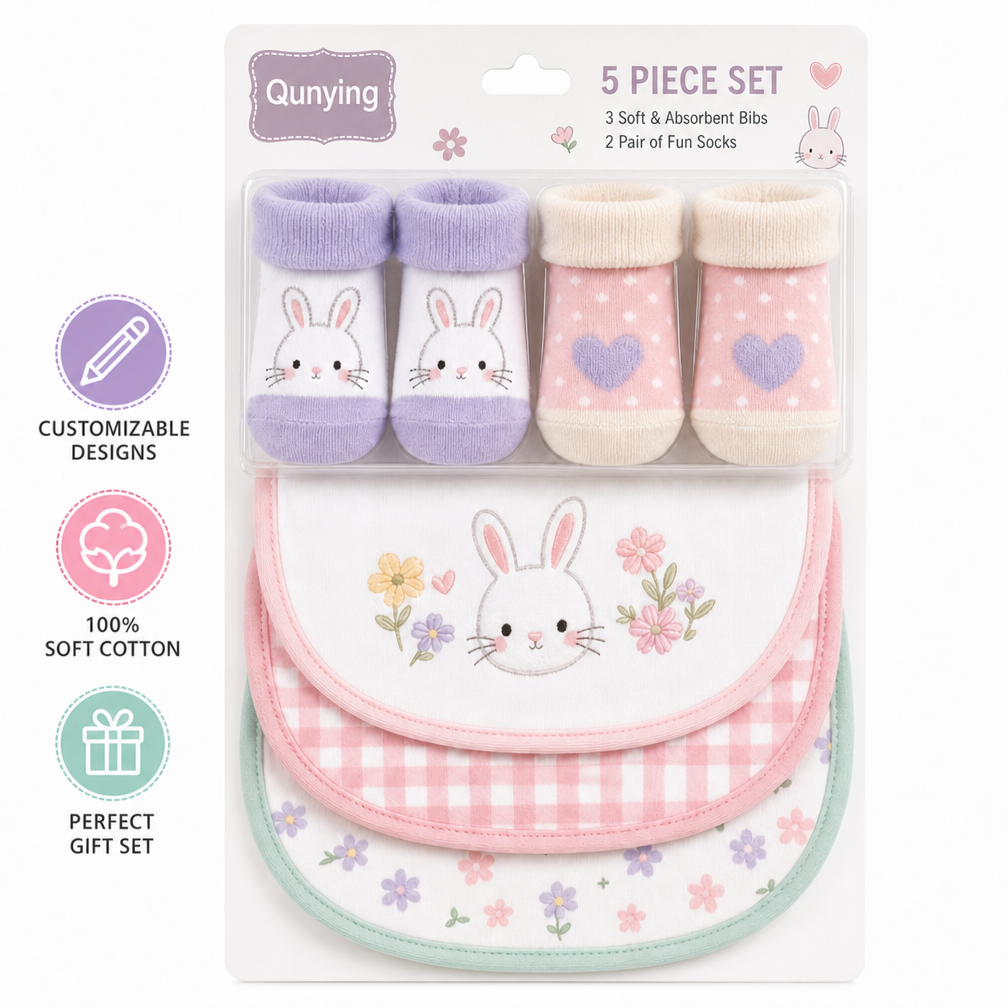
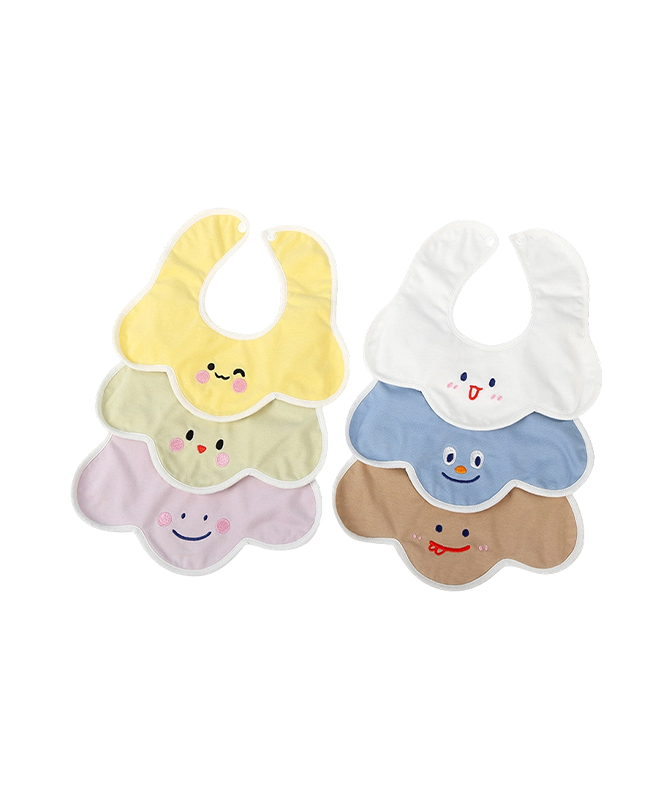
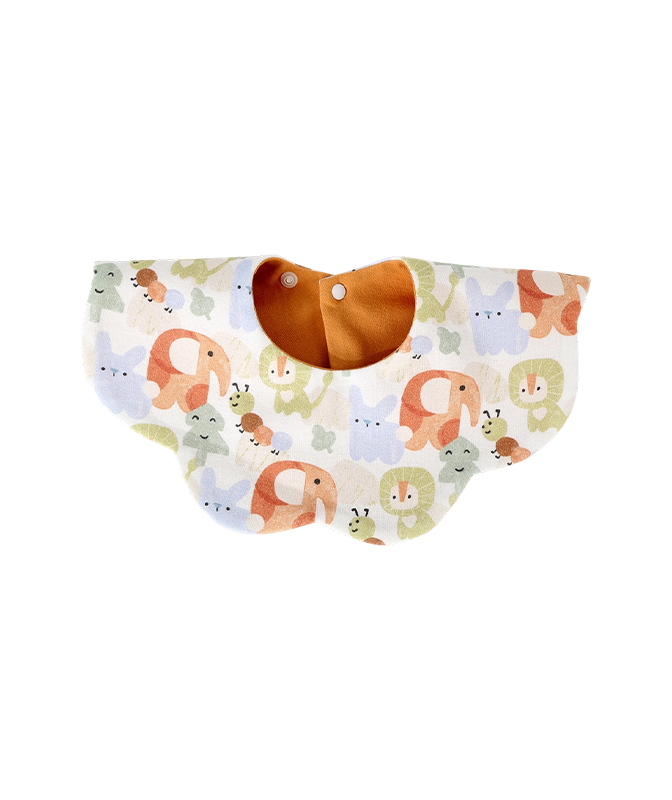
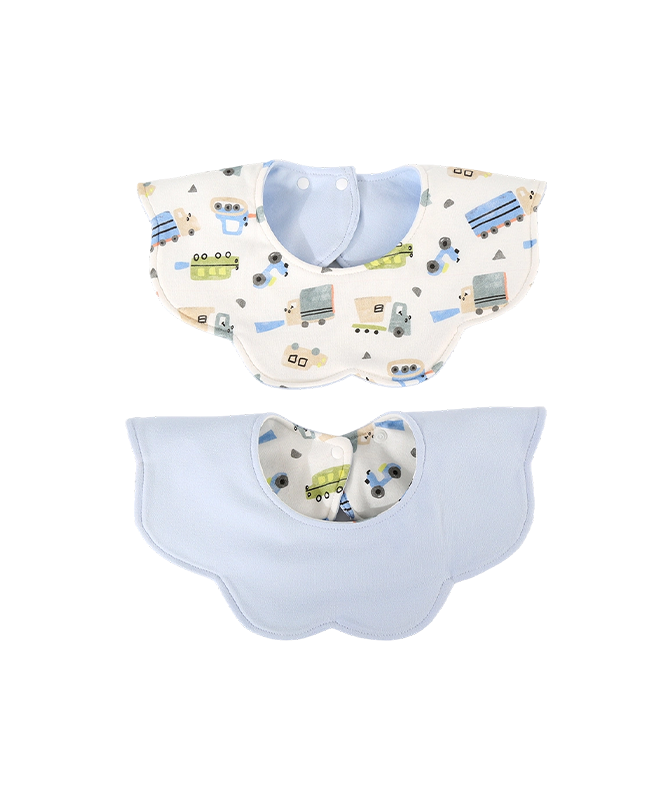
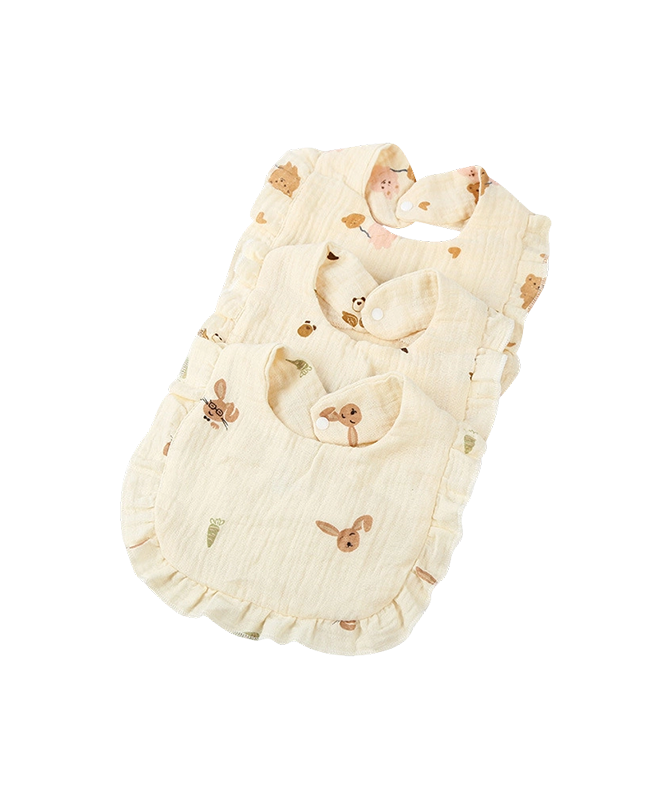
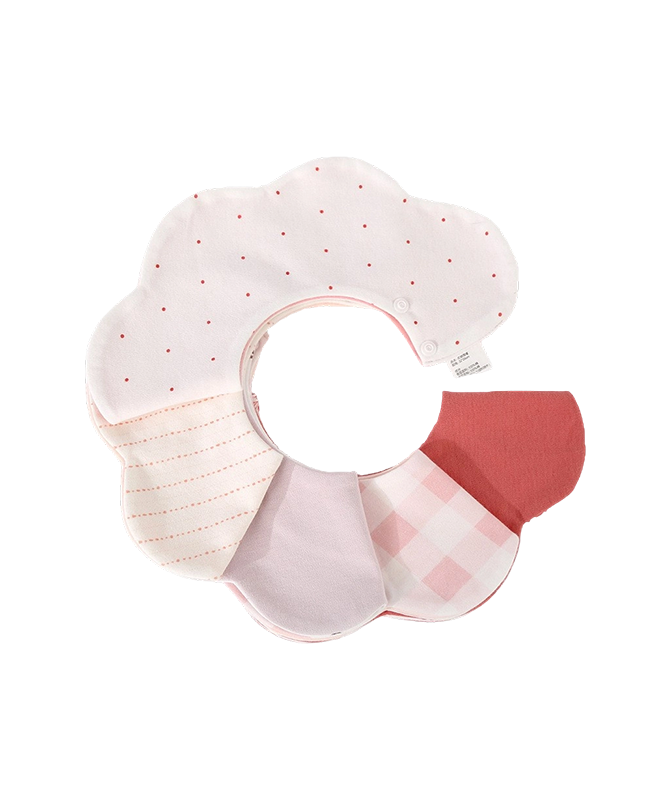
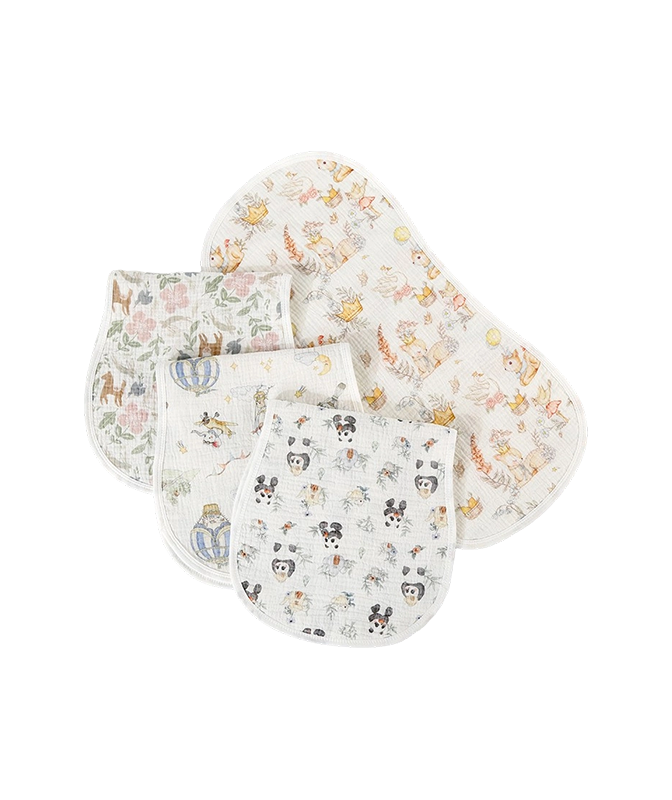
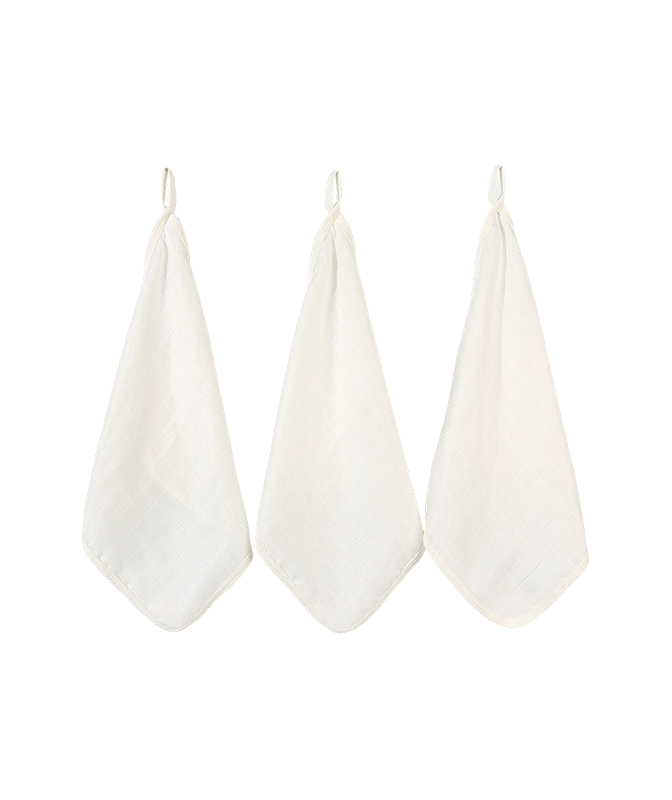
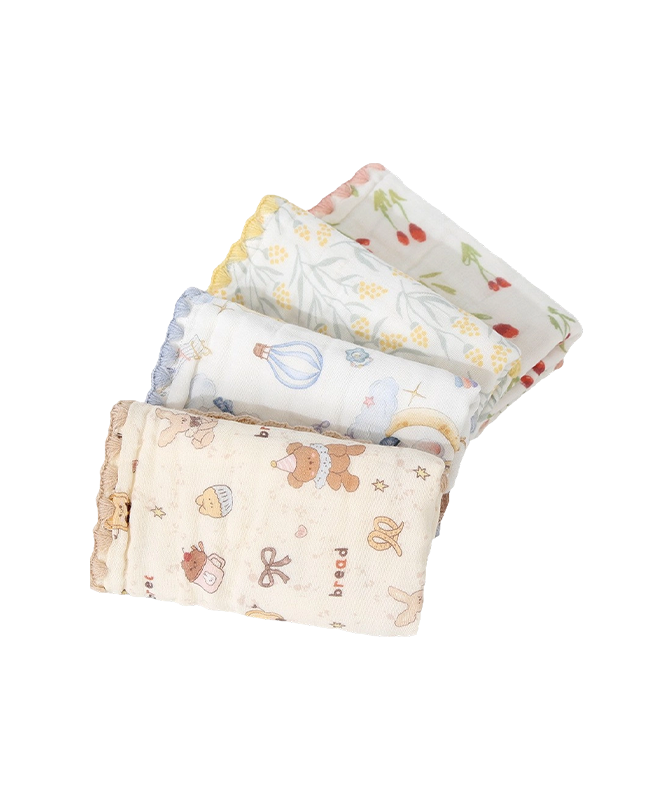
Caring for infants today often involves balancing practical daily routines with attention to health and sustainability. Baby Textile Products and Organic Cotton Baby Bibs have gained attention as part of this approach, offering soft, absorbent, and manageable options for feeding and drooling periods. Modern families often consider these products not only for their gentle contact with sensitive skin but also for how they can simplify everyday tasks and fit into broader household routines.
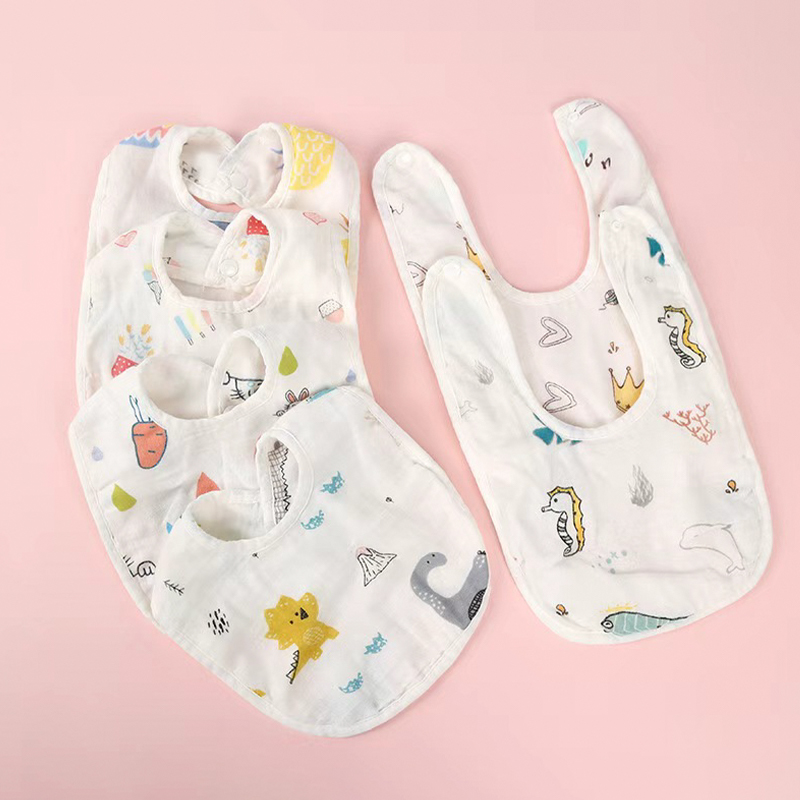
Material Choices and Everyday Comfort
Organic cotton is grown without synthetic pesticides or chemical fertilizers, which reduces exposure to residues that could irritate delicate skin. Bibs made from this material provide a soft and breathable surface that gently contacts the neck and chest. The absorbent qualities of organic cotton allow caregivers to manage milk, drool, or puree more efficiently, reducing the frequency of clothing changes and maintaining a comfortable environment for the baby. Compared with some conventional fabrics, organic cotton maintains a balance of softness and practical durability, supporting repeated use without significant wear.
- Soft and flexible fibers prevent friction against sensitive areas.
- Breathable structure allows airflow, reducing prolonged dampness.
- Absorbent surface manages spills and drool, helping simplify routine clothing care.
This combination of characteristics contributes to smoother feeding times and less interruption, while providing an accessible solution for everyday care.
Proper Fit and Adjustability
Too tight a bib may leave marks or rub against the skin, while loose bibs can fold or trap moisture, which can be inconvenient during feeding. Many Organic Cotton Baby Bibs come with adjustable fasteners such as snaps or velcro, allowing parents to adapt them to the baby’s age and neck size. Properly fitted bibs stay in place, cover clothing adequately, and reduce the need for constant adjustments, making feeding sessions simpler and more manageable.
Cleaning and Longevity
Routine cleaning is an important part of using baby textile products effectively. Washing organic cotton bibs with mild, fragrance-free detergents helps avoid chemical residues and maintains fiber softness. Avoiding harsh bleach or fabric softeners reduces wear on the material, and washing at recommended temperatures prevents shrinkage or distortion. Air-drying or using low heat keeps the fibers gentle to the touch, ensuring bibs continue to feel soft against the skin. By maintaining these practices, caregivers can keep bibs usable and comfortable for multiple feedings without frequent replacement.
Daily Feeding Scenarios
During meals, bibs act as a practical barrier between the baby’s skin and moisture from milk or food. They are particularly useful during teething stages, when drooling increases, helping caregivers manage both clothing and skin contact. Using bibs in this way simplifies the overall feeding process, allowing parents to focus on feeding and comfort rather than constant clothing changes.
Coordinating with Other Baby Textile Products
Choosing complementary materials with similar softness and breathability ensures consistent comfort for the infant. Coordinating laundry and rotating soiled items promptly supports hygiene while maintaining comfort. Thoughtful selection of textile products helps streamline routines, allowing families to manage daily care efficiently while maintaining practical organization of clothing and feeding accessories.
Convenience and Practical Features
Beyond material and fit, caregivers often select bibs for features that simplify daily use. Machine-washable fabrics, adjustable closures, and designs that offer wide coverage reduce time spent handling spills or changing clothing repeatedly. Strategically placing clean bibs before meals and keeping extras within reach helps create smoother feeding routines. Families who consider these practical aspects alongside material quality find it easier to maintain predictable routines while keeping the baby comfortable and clothing protected.