English
 Español
 Deutsch
 عربى
عربى
Managing baby care often involves frequent clothing changes, especially during feeding and teething stages. Baby Textile Products and Organic Cotton Baby Bibs offer a practical solution to reduce the number of clothing changes needed each day. These items act as a barrier between spills, drool, and clothing, helping to contain messes while maintaining comfort for the baby. Understanding where and how to use them effectively can help caregivers streamline laundry routines and make daily care more manageable.
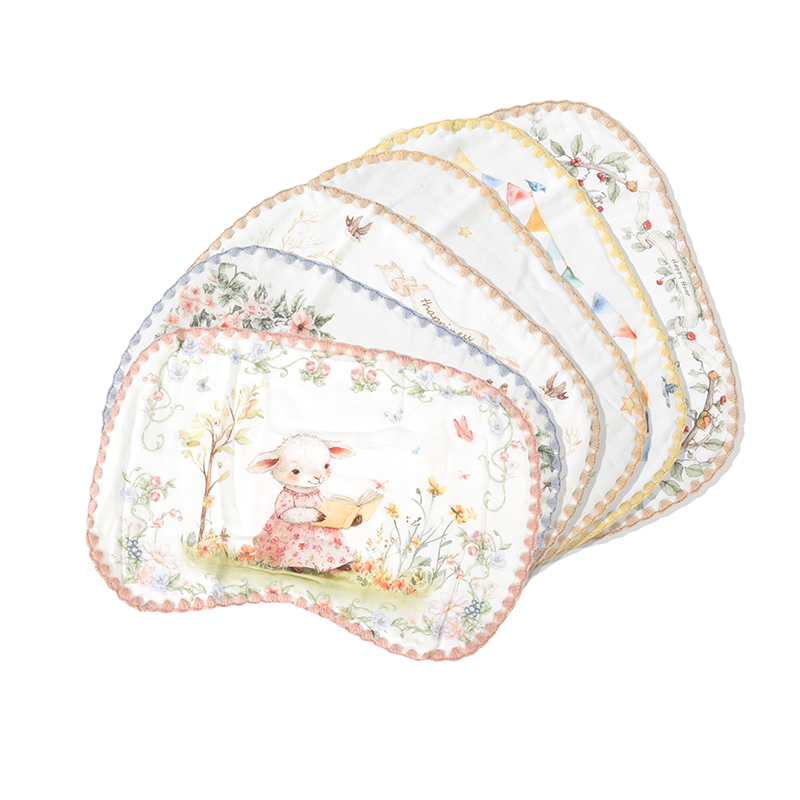
Situations Where Bibs Provide Practical Coverage
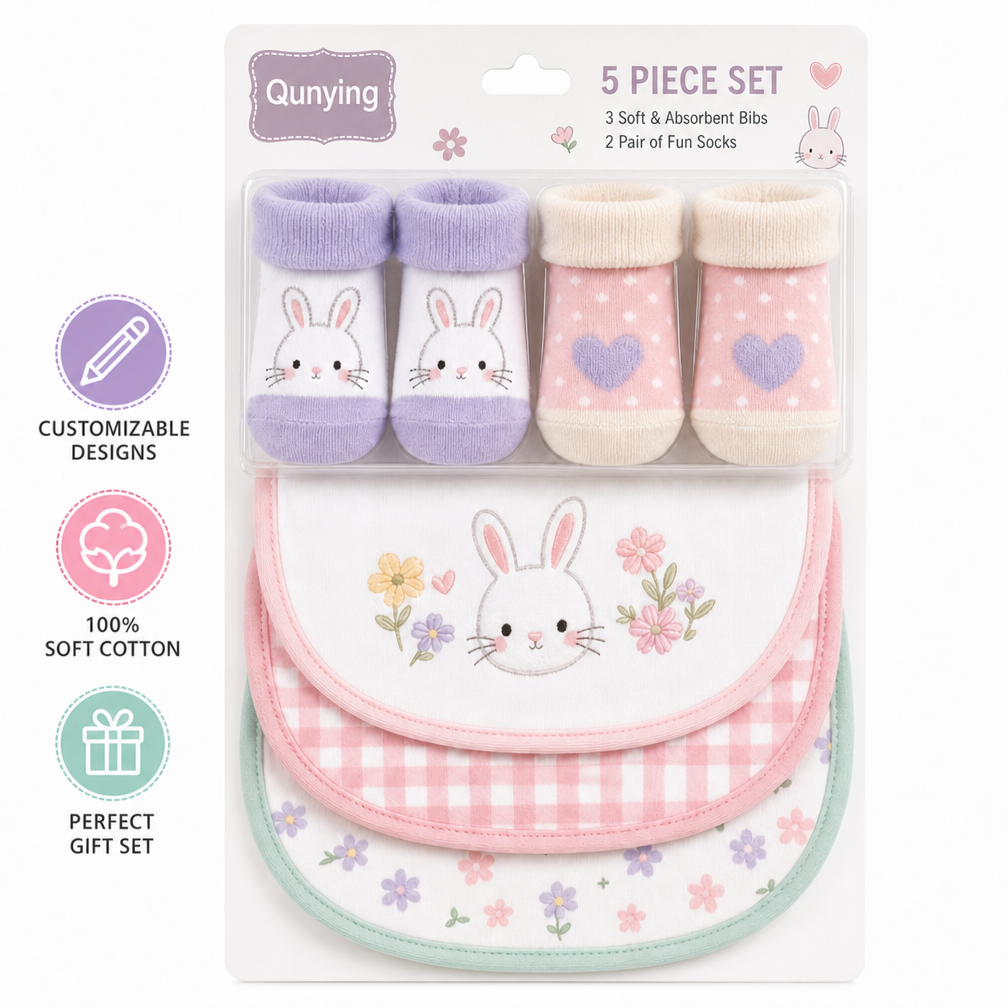
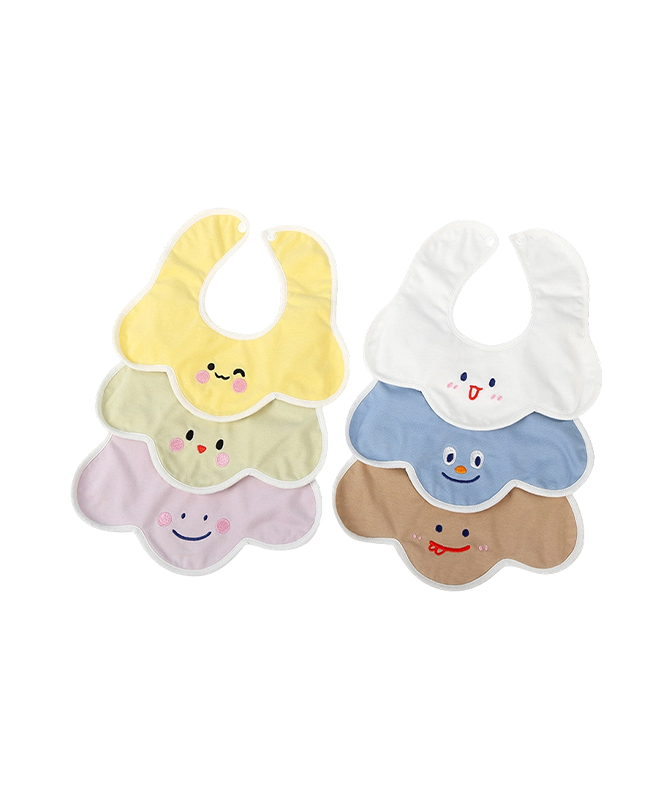
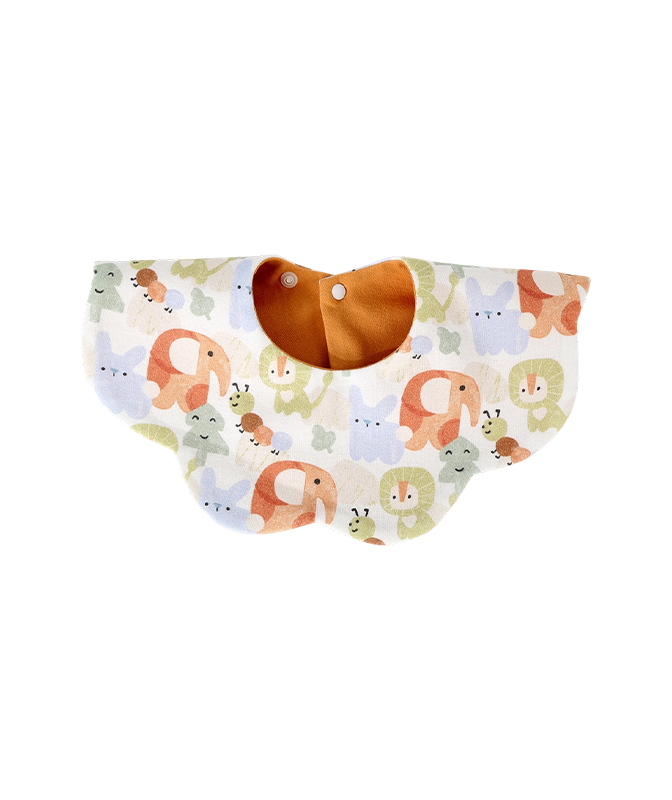
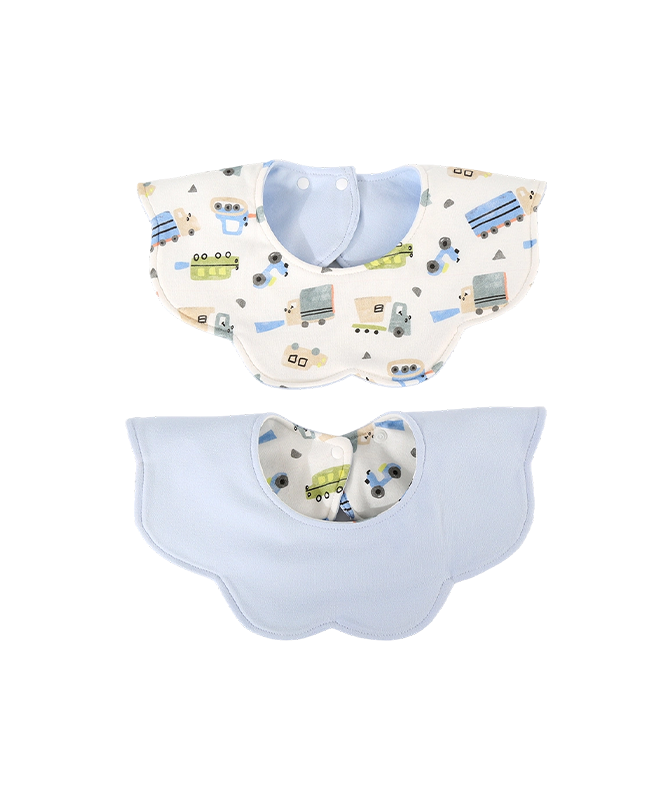
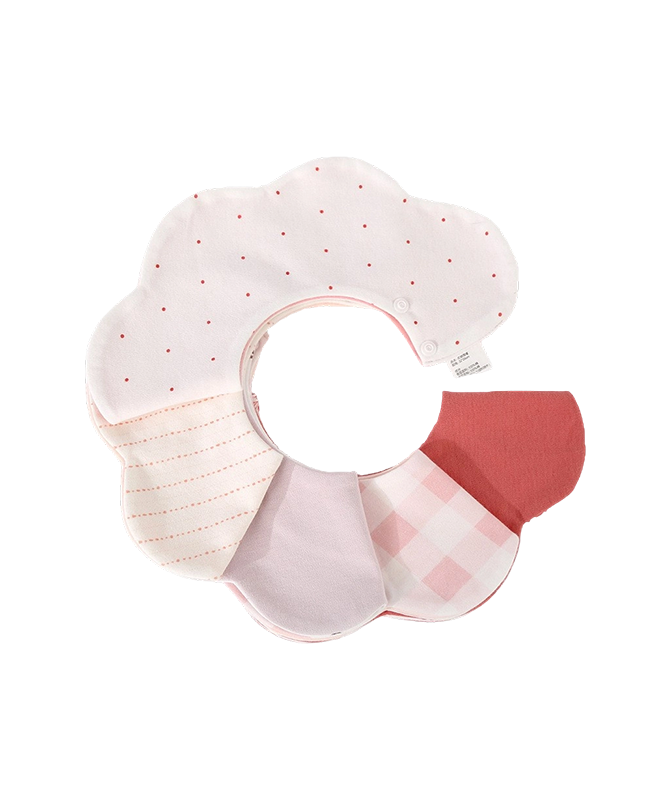
Organic Cotton Baby Bibs are designed to cover the chest, neck, and upper clothing areas, which are commonly exposed to liquids during feeding. Their soft and absorbent material allows them to collect milk, formula, or pureed foods before it reaches the underlying garments. By providing targeted coverage, these bibs help maintain clothing cleanliness for longer periods, reducing the number of daily washes required.
- During bottle or breastfeeding sessions, bibs absorb dribbled milk efficiently.
- While the baby is teething, drool is collected by the bib instead of clothing layers.
- Solid foods such as purees or snacks are partially contained, preventing large spills onto onesies or pants.
This practical approach allows caregivers to maintain cleaner clothing without extra effort, which can be particularly useful for families managing multiple daily feedings.
Choosing the Right Fit and Material
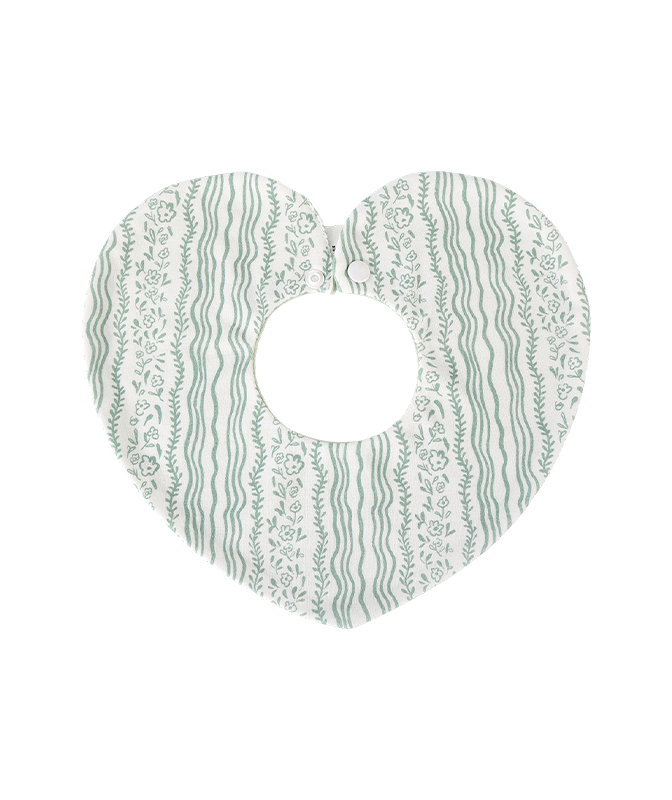
Bibs that fit appropriately provide better coverage and reduce the likelihood of liquids reaching other garments. Organic Cotton Baby Bibs often include adjustable closures, allowing them to stay in place comfortably around the neck. Proper fit ensures that the fabric lies flat against clothing and does not fold or shift, which can otherwise cause localized spills or damp spots. Choosing bibs with the right size and material balance ensures daily coverage is maintained without creating discomfort for the baby.
Laundry Practices and Durability
How bibs are cared for affects their ability to maintain daily performance. Washing with mild, fragrance-free detergents preserves softness and prevents chemical residue build-up. Avoiding harsh bleach or fabric softeners reduces fiber damage, keeping the bib gentle to the touch. Proper temperature settings and air-drying or low-heat drying help maintain shape and fit. Well-maintained bibs remain effective over multiple uses, supporting reduced frequency of laundering underlying clothing items.
Extended Use in Routine Feeding
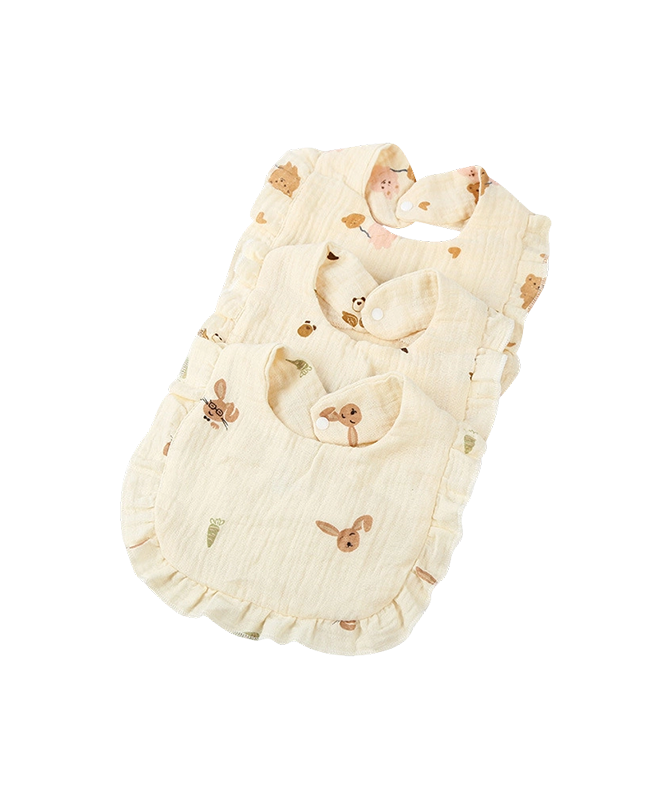
During daily feeding routines, bibs help manage minor spills and drool consistently. When used properly, a single bib can protect clothing through several small feeding sessions before requiring a wash. This is particularly noticeable during morning and evening feeding periods when babies may drool or spit up frequently. Caregivers can rotate bibs efficiently, using a fresh one only when the previous becomes visibly soiled or saturated. This strategy allows clothing to stay cleaner for longer periods, supporting less frequent laundry cycles.
Coordinating with Other Baby Textile Products
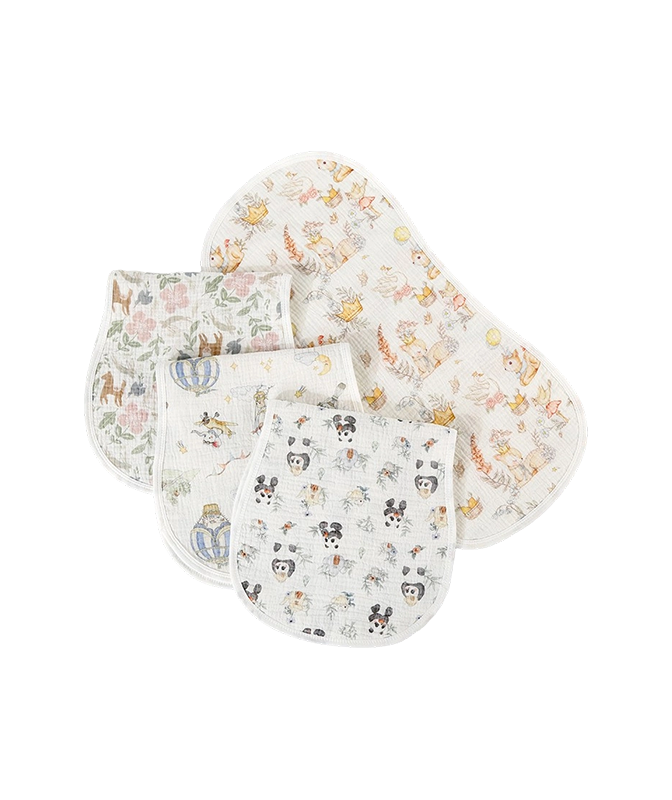
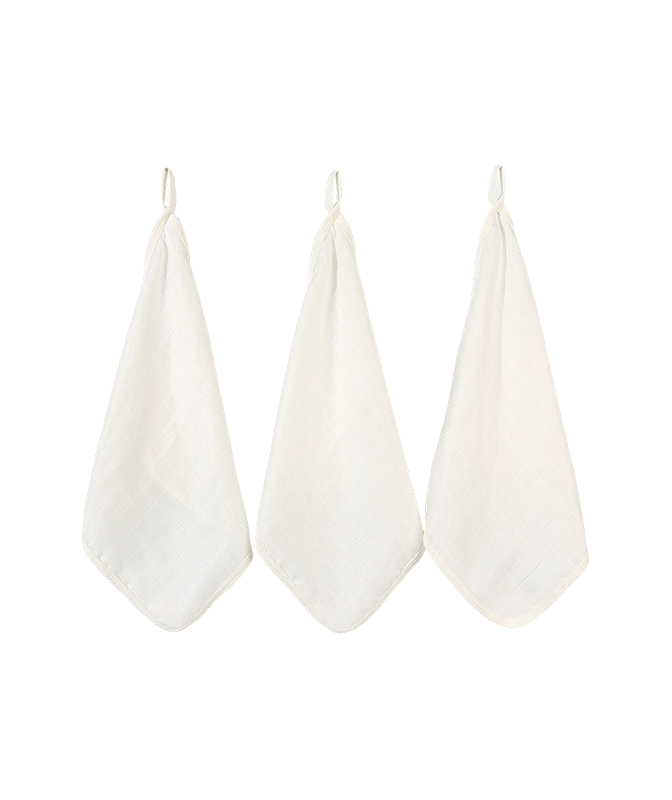
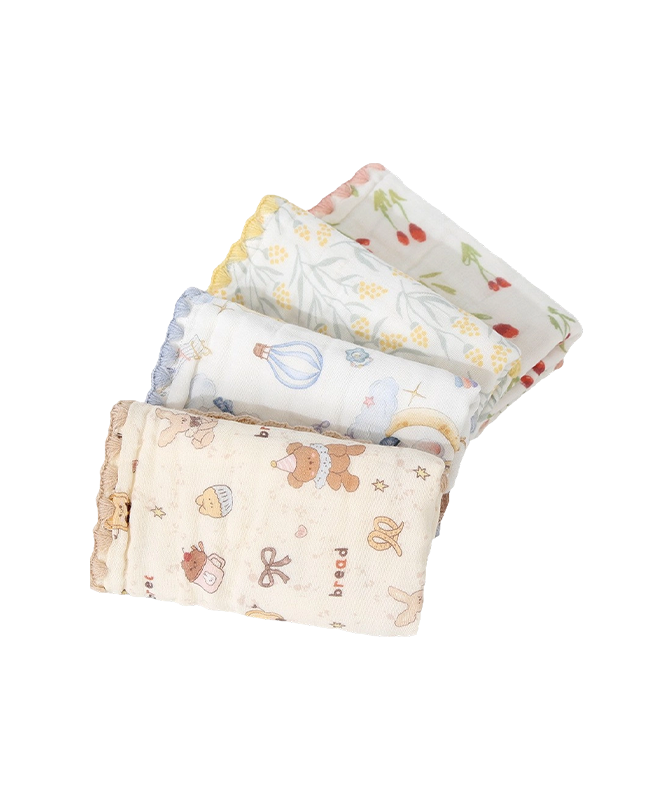
Pairing them with onesies, sleepwear, and other garments made from soft, breathable fabrics ensures the baby remains comfortable even when a bib absorbs moisture. Choosing complementary products that share similar care requirements simplifies household routines and reduces the overall frequency of washes required for daily infant care.
Practical Tips for Daily Management
Beyond material and fit, caregivers can consider additional features and routines that support reduced laundry needs. Wider coverage bibs protect more of the underlying clothing, while machine-washable designs allow for quick turnaround between uses. Keeping bibs within easy reach and incorporating them into regular feeding sessions ensures that messes are contained immediately. Families can manage clothing and linens more efficiently by integrating bib use into habitual feeding and teething routines, which naturally decreases the number of clothing changes and laundry cycles.