English
 Español
 Deutsch
 عربى
عربى
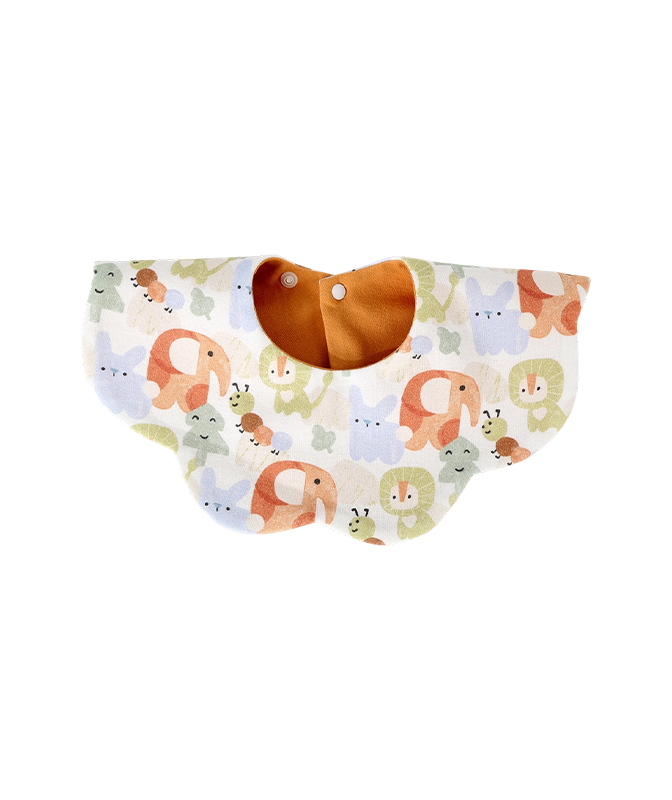
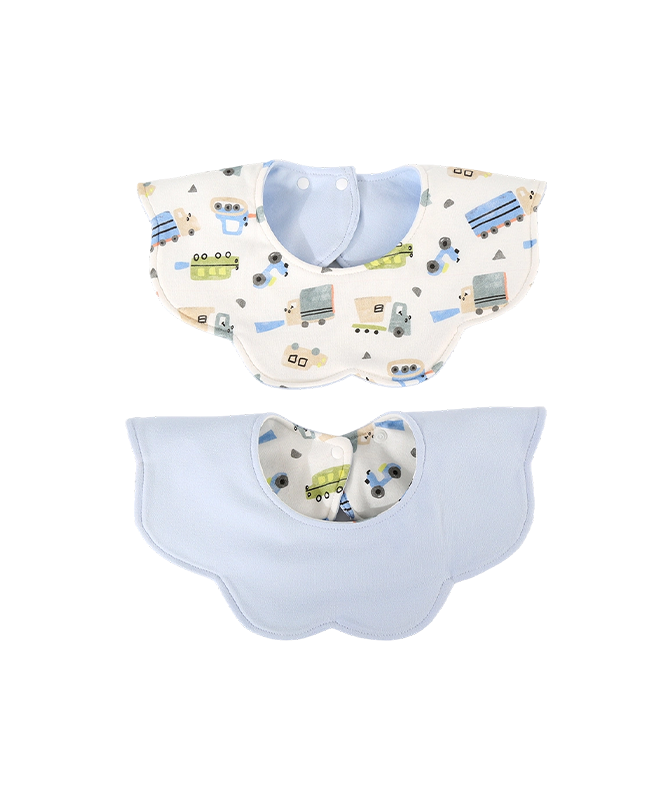
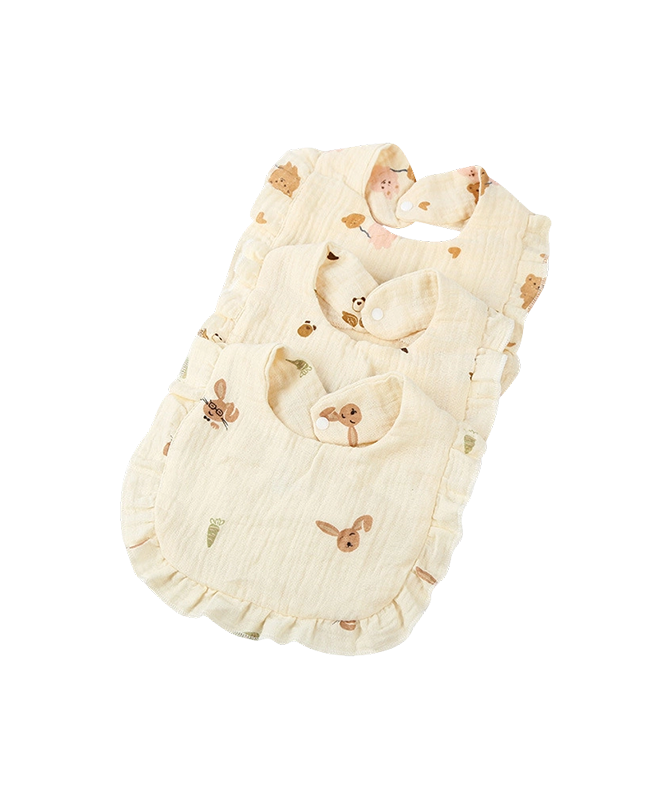
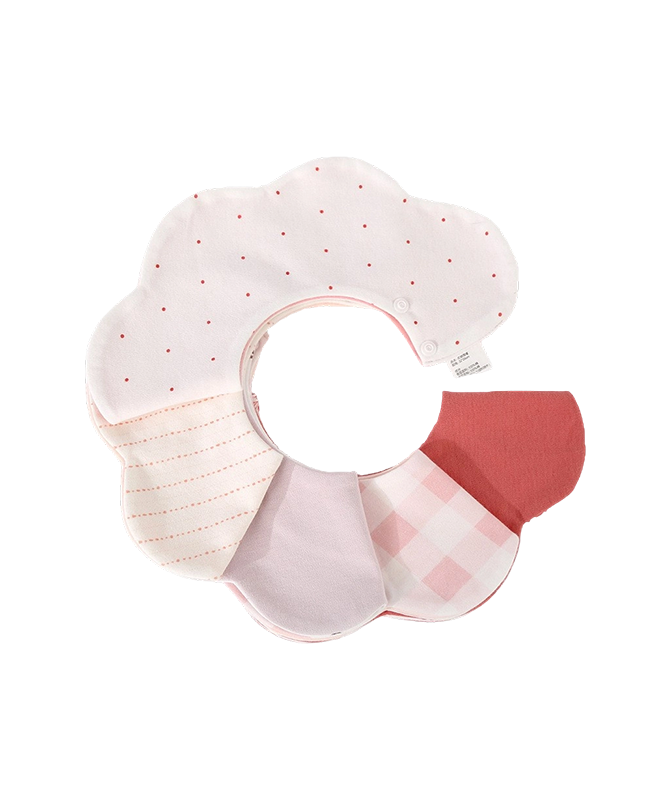
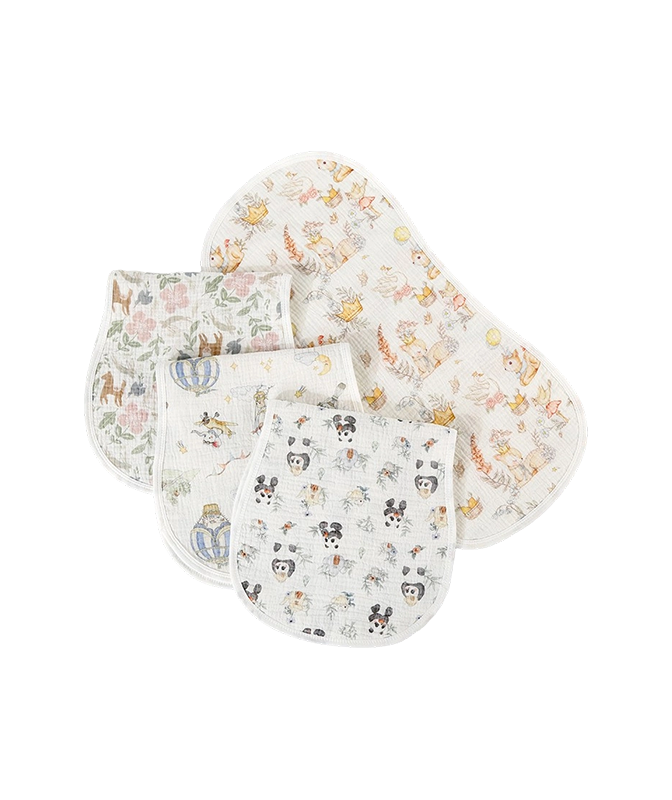
Feeding routines with infants often come with small but frequent messes, making everyday care more demanding than expected. Products like Baby Burp Cloths and Multi-purpose Baby Cloths are commonly used to handle spills, dribbles, and unexpected spit-ups during feeding time. While simple in design, these cloths play a practical role in maintaining cleanliness, protecting clothing, and reducing the need for constant outfit changes.

Why Feeding Time Often Causes Mess
Infants naturally have limited control over swallowing and digestion, especially in the early months. Spit-up, milk dribble, and drooling are common during and after feeding, whether breastfeeding or bottle-feeding.
Without a protective layer, milk residue may soak into clothes, furniture, or bedding. This not only increases laundry frequency but can also create discomfort for the baby if clothing remains wet for extended periods. A burp cloth placed over the caregiver’s shoulder or under the baby’s chin acts as a barrier, catching moisture before it spreads.
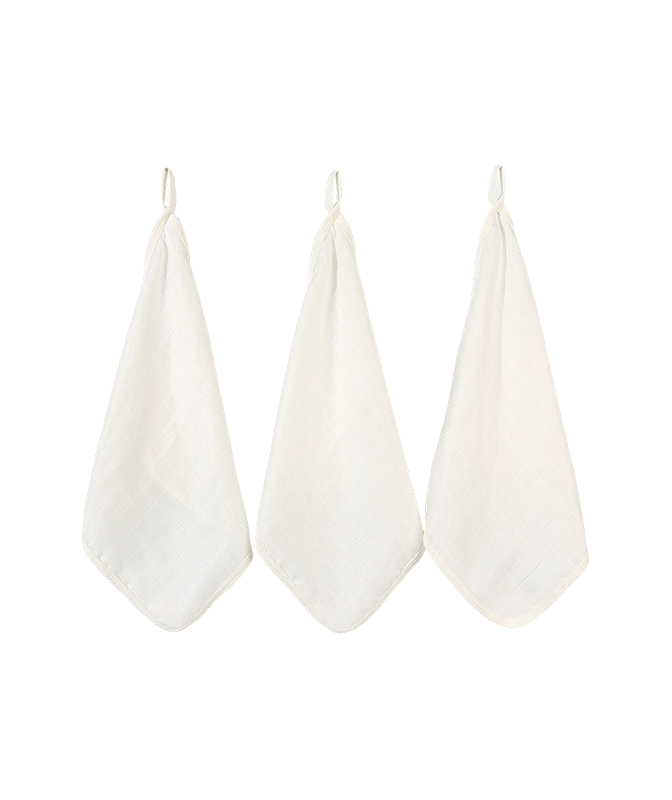
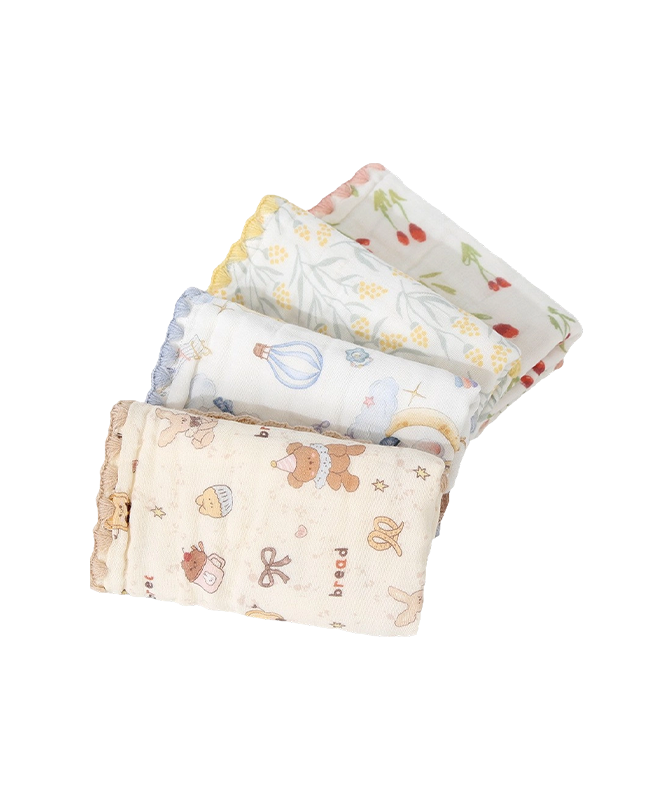
Multi-purpose baby cloths extend this function beyond feeding. They can be used throughout the day for quick cleanups, making them a consistent part of daily care routines.
Everyday Functions Beyond Burping
Although commonly associated with burping, these cloths serve a variety of roles throughout the day. Their soft texture and manageable size make them suitable for multiple uses without requiring separate products for each task.
For example, during feeding, a cloth can be placed under the baby’s chin to catch drips. After feeding, it can be repositioned on the caregiver’s shoulder to absorb spit-up. Later, the same cloth may be used to wipe the baby’s mouth or hands.
Multi-purpose baby cloths are also helpful during diaper changes, acting as a temporary surface cover or cleaning aid. When traveling, they can serve as quick wipes or light covers for unexpected situations. This versatility reduces the number of items caregivers need to carry, especially when outside the home.
Practical Features That Support Daily Use
Certain design features make these cloths more suitable for repeated daily use. Understanding these aspects can help caregivers choose products that align with their routines:
Absorbent fabric layers
Materials such as cotton or muslin help absorb moisture quickly, reducing the spread of liquids.
Soft surface texture
Gentle fabrics help prevent irritation on a baby’s sensitive skin, especially around the face and neck.
Appropriate size and shape
Larger or contoured shapes provide better coverage for shoulders or laps during feeding.
Durability for frequent washing
Since these cloths are used multiple times a day, they need to maintain their structure after repeated washing.
Lightweight and portable design
Easy-to-fold cloths fit conveniently into diaper bags or pockets for quick access.
These features contribute to consistent usability without requiring complicated handling or maintenance.
Reducing Laundry and Clothing Changes
One of the more noticeable benefits of using burp cloths is the reduction in clothing changes. Feeding-related messes often occur several times a day, and without protection, both the baby and caregiver may need to change outfits frequently.
By placing a cloth between the baby and clothing, moisture is absorbed before it reaches fabric layers underneath. This helps keep clothes dry for longer periods, especially during short feeding sessions or quick burping routines.
Over time, this can reduce the number of daily laundry loads. While cloths themselves still need to be washed, they are smaller and easier to clean compared to full outfits or bedding.
Choosing the Right Cloth for Different Situations
Not all feeding situations are the same, and different cloth types may suit different needs. For example, thicker cloths may be more suitable for nighttime use when spit-up is more likely to occur after feeding. Thinner, lightweight options may be preferred for daytime use or travel.
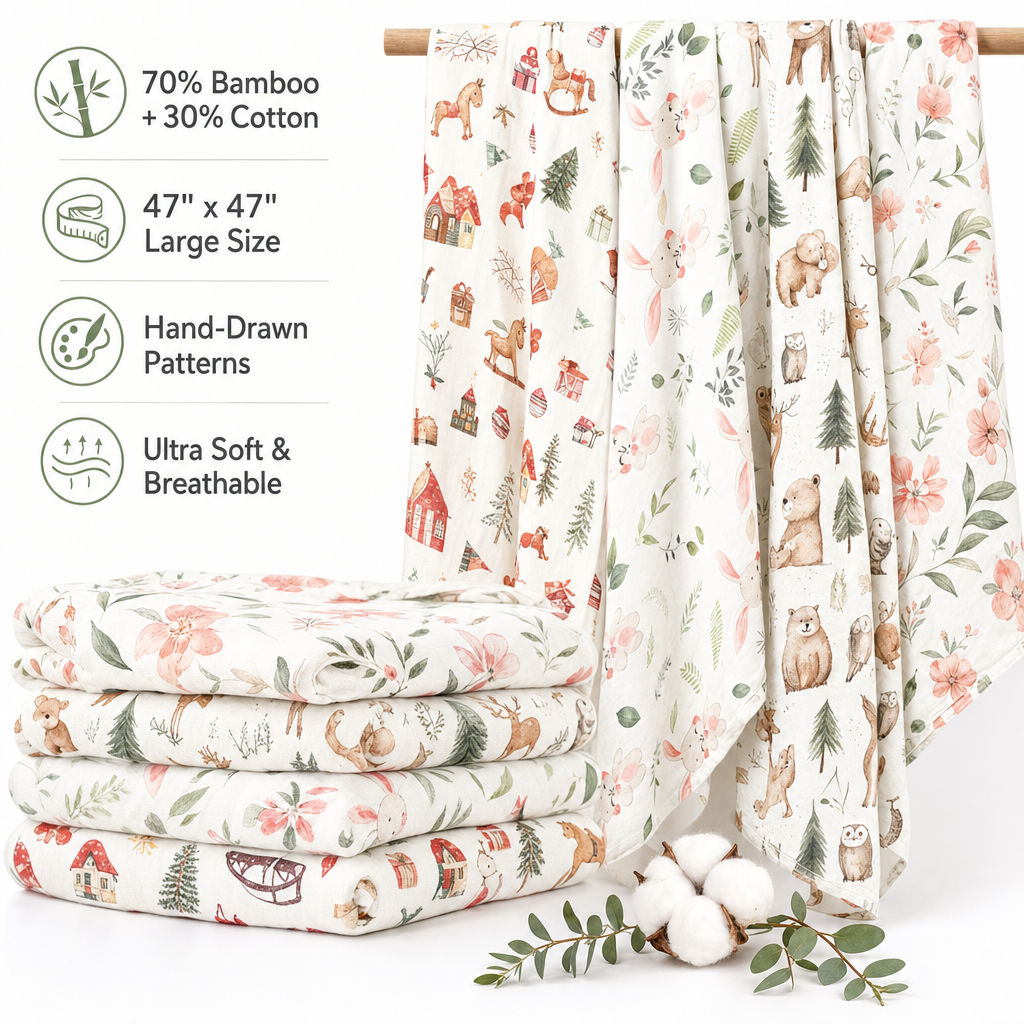
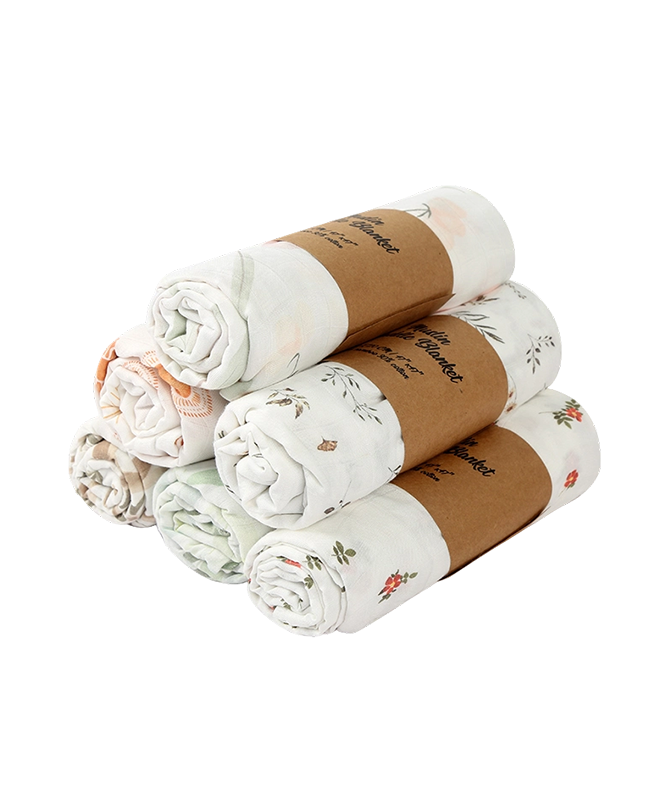
Material choice also matters. Cotton is commonly used for its balance between softness and absorbency, while muslin offers a lighter feel with breathable qualities. Some cloths include multiple layers to improve absorption without increasing bulk.
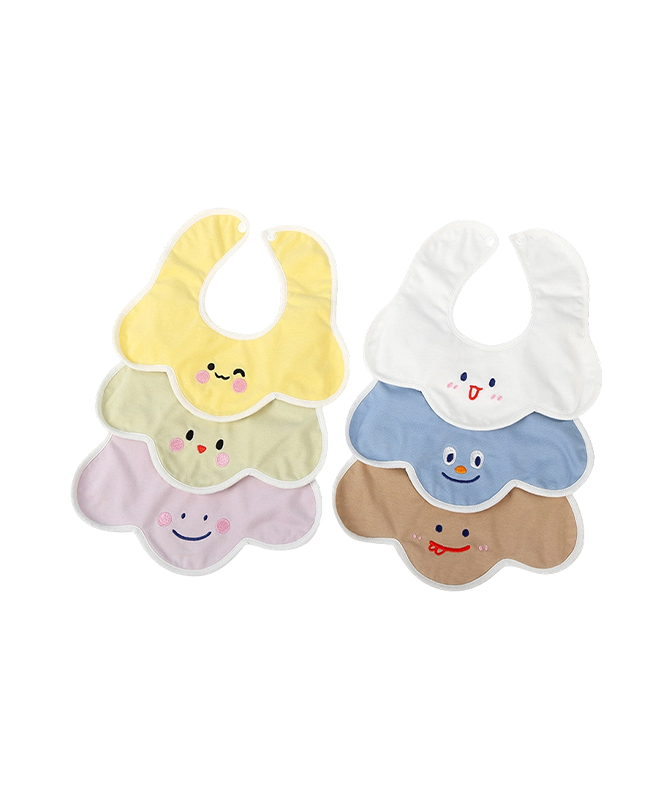
Shape can influence usability as well. Rectangular cloths provide flexibility, while contoured designs may stay in place more easily on the shoulder. Selecting a mix of types can help caregivers adapt to different situations throughout the day.
Maintaining Hygiene Through Proper Use
Since these cloths come into contact with milk, saliva, and skin, regular cleaning is necessary. Using a fresh cloth for each feeding session helps maintain hygiene and reduces the risk of odor buildup.
Washing with mild detergent and avoiding strong chemical residues helps preserve fabric quality and ensures the cloth remains suitable for sensitive skin. Air drying or low-heat drying can help maintain the softness and shape of the material over time.
It is also helpful to keep multiple cloths available throughout the day. Having a supply ready allows caregivers to replace used cloths quickly without interrupting feeding routines.