English
 Español
 Deutsch
 عربى
عربى
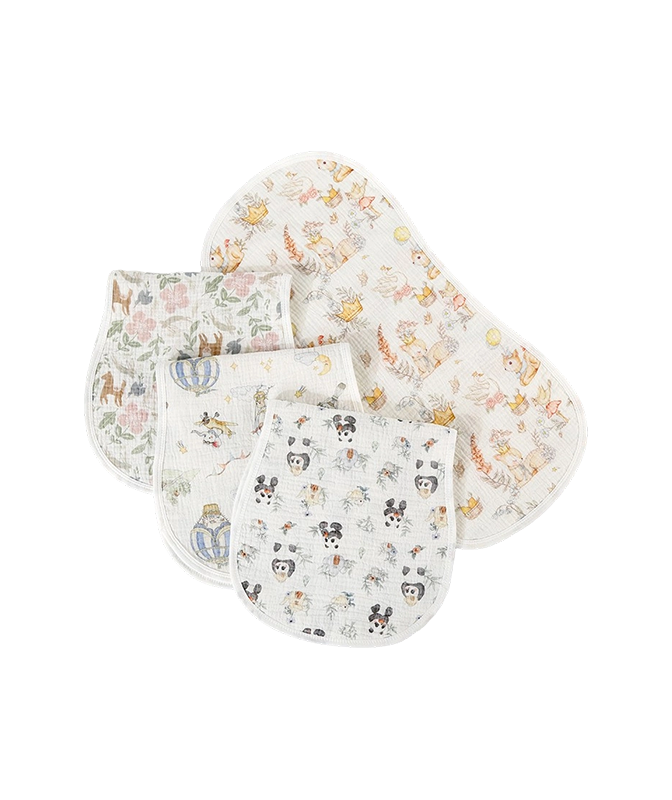
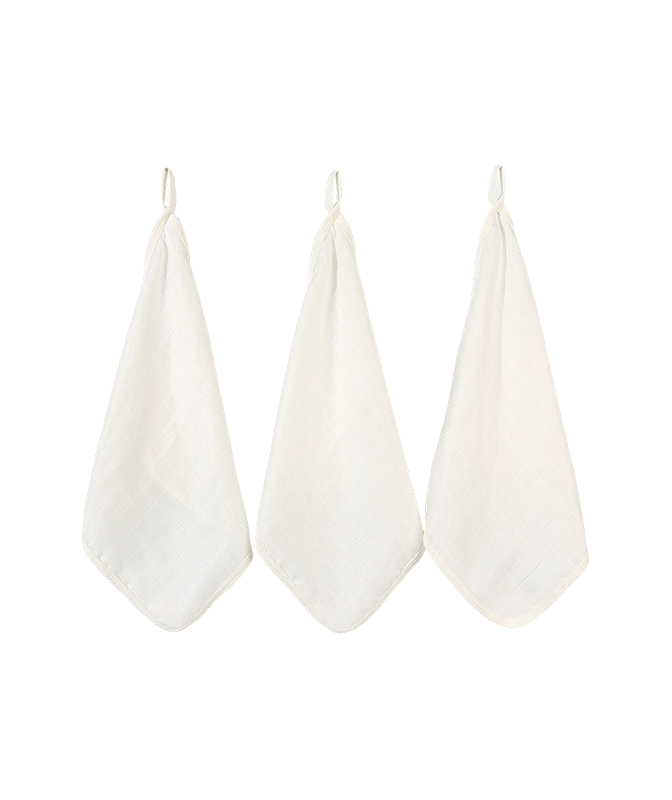
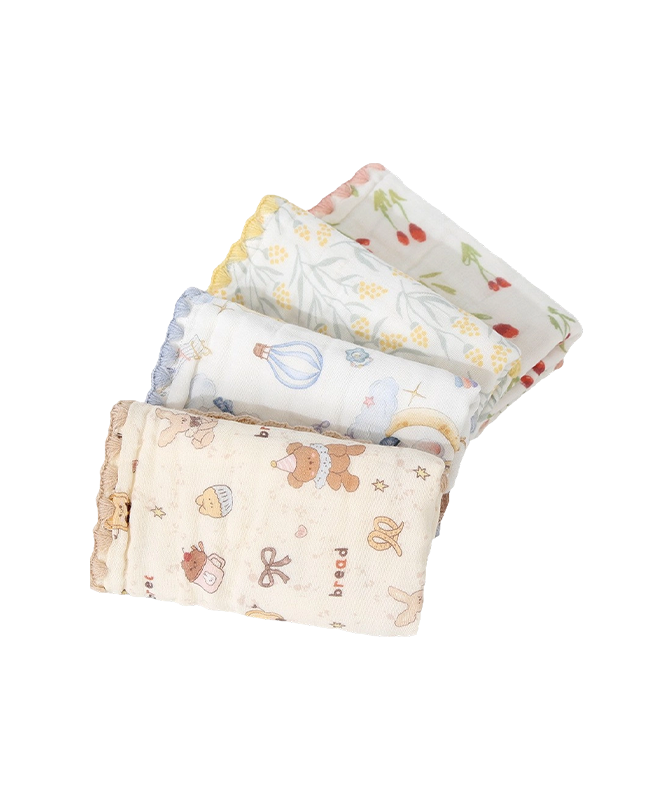
Caring for infants with delicate skin often requires extra attention to everyday items that come into direct contact with their face and neck. Products such as Baby Burp Cloths and Multi-purpose Baby Cloths are used frequently during feeding and cleaning routines, making their material and construction especially important for babies who are prone to irritation. Choosing the right cloths can help reduce friction, manage moisture, and support a more comfortable daily experience without adding complexity to care routines.
What Sensitive Skin Needs
Infant skin is thinner and more reactive than adult skin, which means it can respond quickly to moisture, rough textures, or chemical residues. During feeding, areas around the mouth, chin, and neck are often exposed to milk and saliva. If these areas remain damp or are wiped with coarse fabrics, mild redness or irritation may develop.
Burp cloths used in these situations should help absorb moisture while maintaining a gentle surface. Multi-purpose baby cloths are also used for wiping and cleaning throughout the day, so their repeated contact with the skin makes consistency in material quality important. Instead of focusing only on appearance or thickness, caregivers may benefit from considering how the fabric feels after multiple washes and how it interacts with moisture over time.
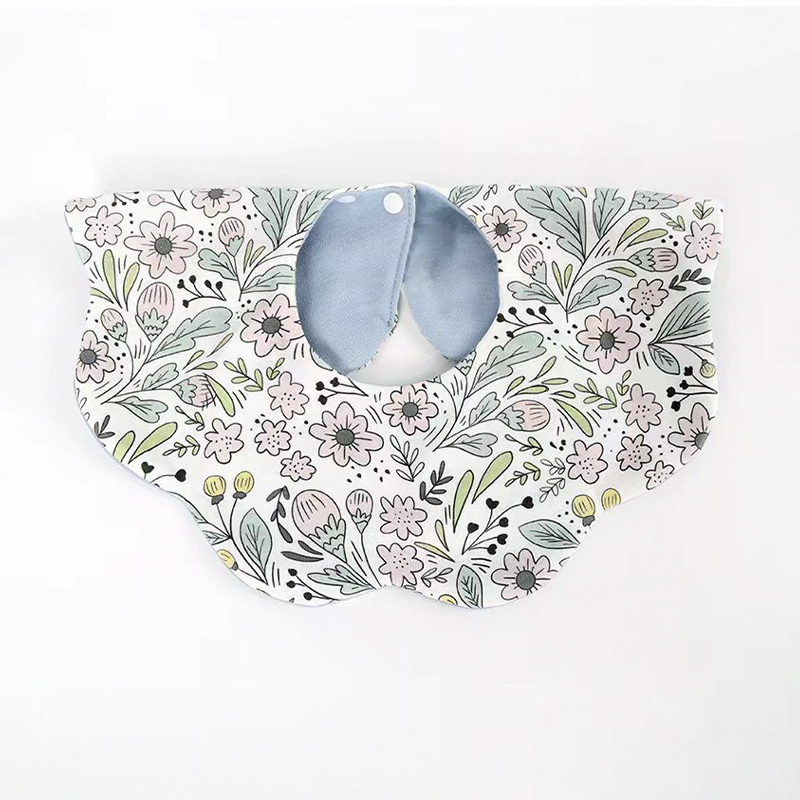
Fabric Choices That Are More Skin-Friendly
Material selection is an important aspect when choosing clothes for sensitive skin. Different fabrics offer varying levels of softness, breathability, and absorbency.
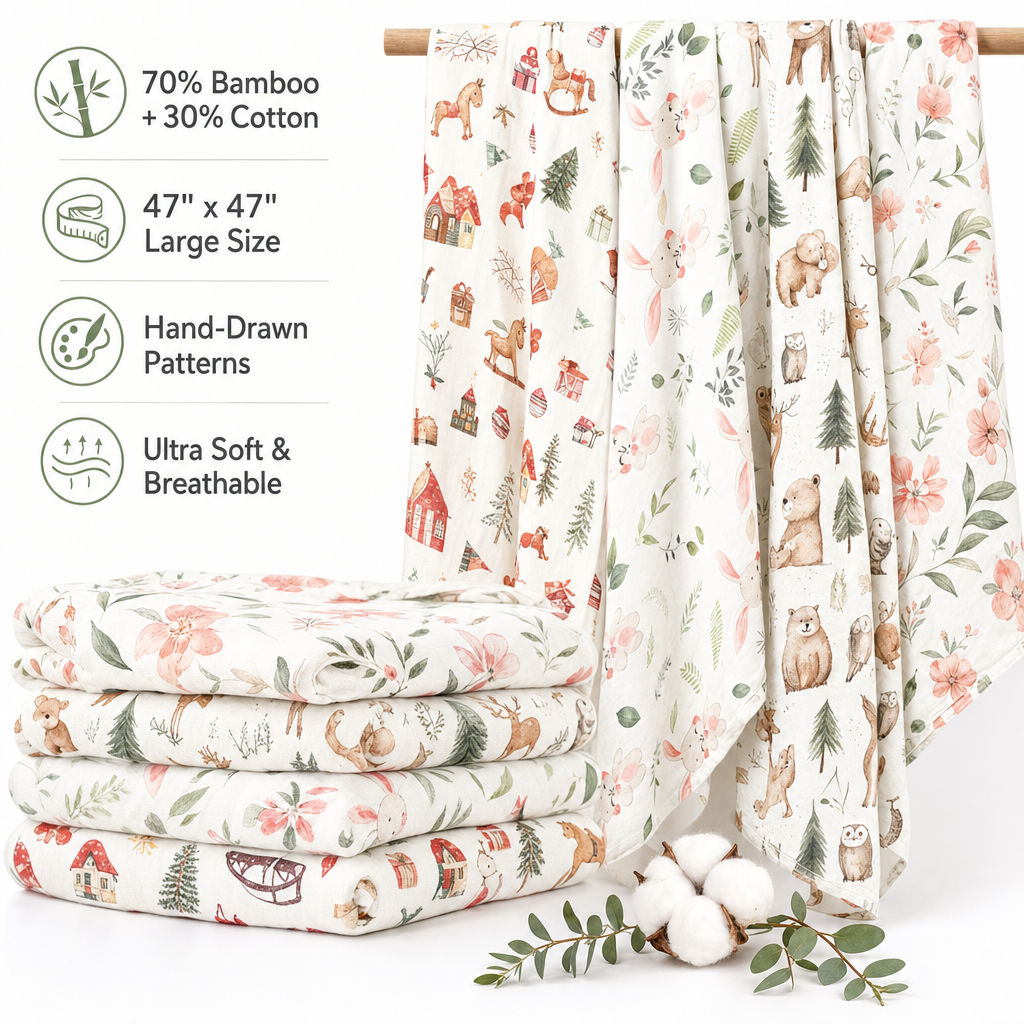
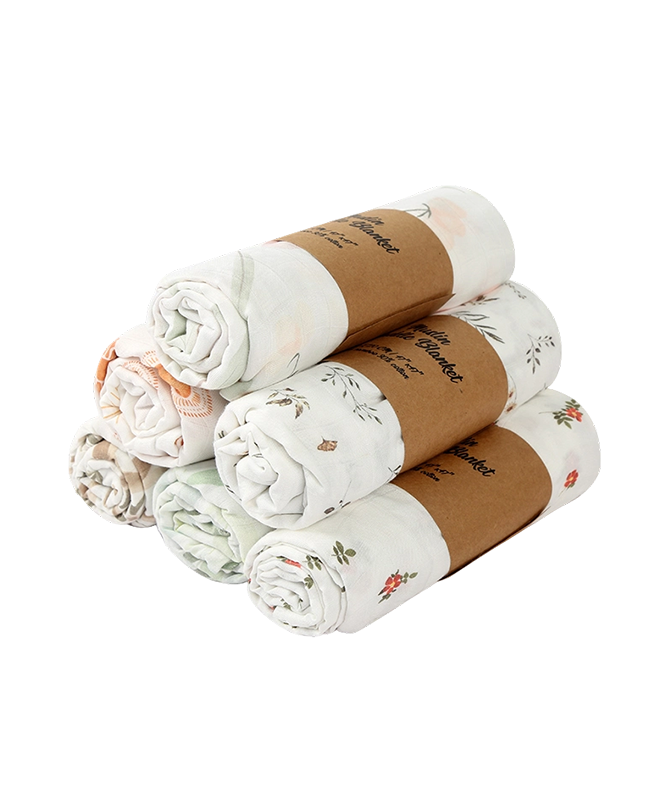
Cotton is widely used because it provides a balance between softness and moisture absorption. Organic cotton options may appeal to caregivers who prefer fewer chemical treatments during production, although performance still depends on overall fabric quality. Muslin, a loosely woven cotton fabric, is known for its lightweight and breathable structure. It becomes softer with repeated washing, which can be beneficial for long-term use.
Bamboo-based fabrics are another option, often chosen for their smooth texture. However, it is important to check how the material is processed, as some manufacturing methods may involve chemical treatments that affect the final product.
Blended fabrics can offer durability, but they may not always provide the same softness as natural fibers. When selecting multi-purpose baby cloths, choosing materials that maintain a gentle feel after frequent washing can help reduce the risk of irritation.
Key Features to Look for When Selecting Cloths
When evaluating different products, several practical features can help determine whether a cloth is suitable for sensitive skin:
Soft and smooth surface texture
Fabrics should feel gentle to the touch without noticeable roughness or stiffness.
Good absorbency without heaviness
Cloths should absorb moisture efficiently while remaining lightweight enough for regular handling.
Breathable structure
Materials that allow air circulation help reduce prolonged dampness on the skin.
Reinforced yet soft edges
Stitching should be secure but not coarse, as edges often come into contact with the babys face.
Chemical-free or low-residue finishing
Avoiding strong dyes or finishing agents can help reduce potential skin reactions.
These factors contribute to consistent daily use without requiring additional adjustments or protective layers.
Size and Thickness Considerations for Daily Comfort
The size and thickness of a burp cloth influence how it performs during feeding and cleaning. Larger cloths provide more coverage, which can be helpful when placed over a caregivers shoulder or across the babys chest. This reduces the chance of moisture reaching clothing underneath.
Thickness should be balanced carefully. Cloths that are too thin may not absorb enough liquid. On the other hand, overly thick cloths can feel bulky and may trap heat or moisture against the skin.
For sensitive skin, a medium-weight fabric with layered construction often works well. It allows for sufficient absorption while maintaining flexibility and breathability. Multi-purpose baby cloths in this category can also transition easily between feeding, wiping, and general cleaning tasks.
The Role of Washing and Maintenance
Even the softest fabric can become less comfortable if not maintained properly. Washing practices play a significant role in preserving the suitability of burp cloths for sensitive skin.
Using mild, fragrance-free detergents helps reduce the risk of residue remaining on the fabric. Strong scents or chemical additives may cause irritation, especially when cloths are used on the face. Rinsing thoroughly ensures that detergent is fully removed.
Drying methods also affect texture. Air drying can help maintain softness, while high-heat drying may cause fabrics to stiffen over time. If a dryer is used, selecting a lower heat setting may help preserve the fabrics feel.