English
 Español
 Deutsch
 عربى
عربى
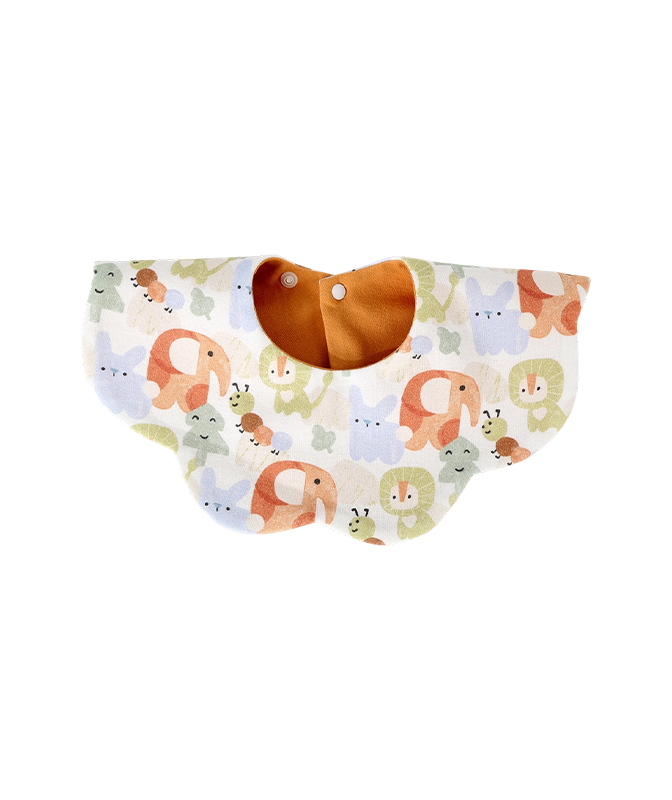
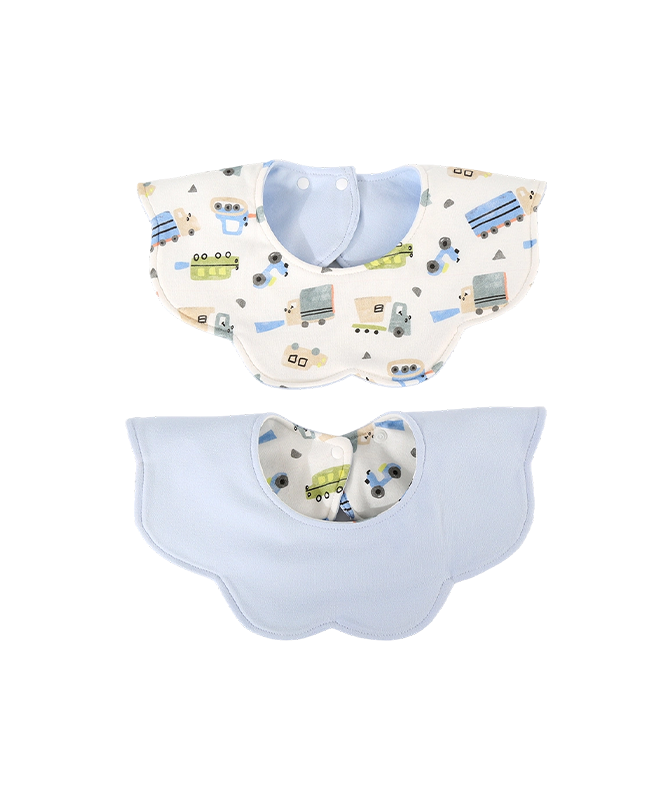
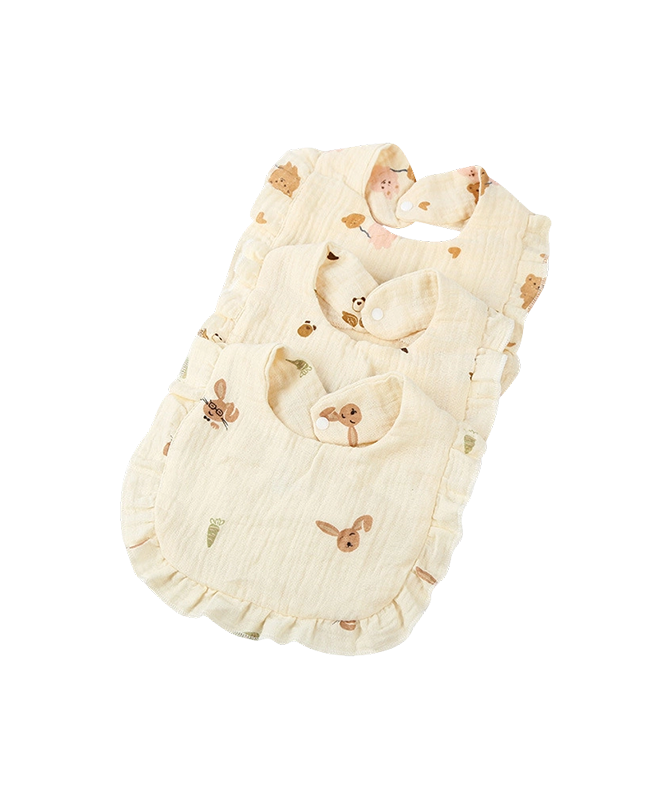
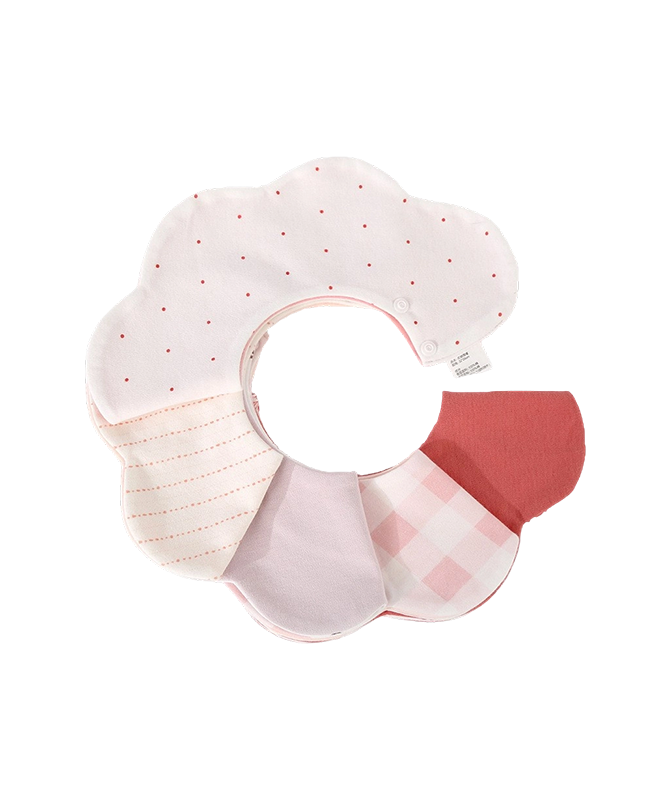
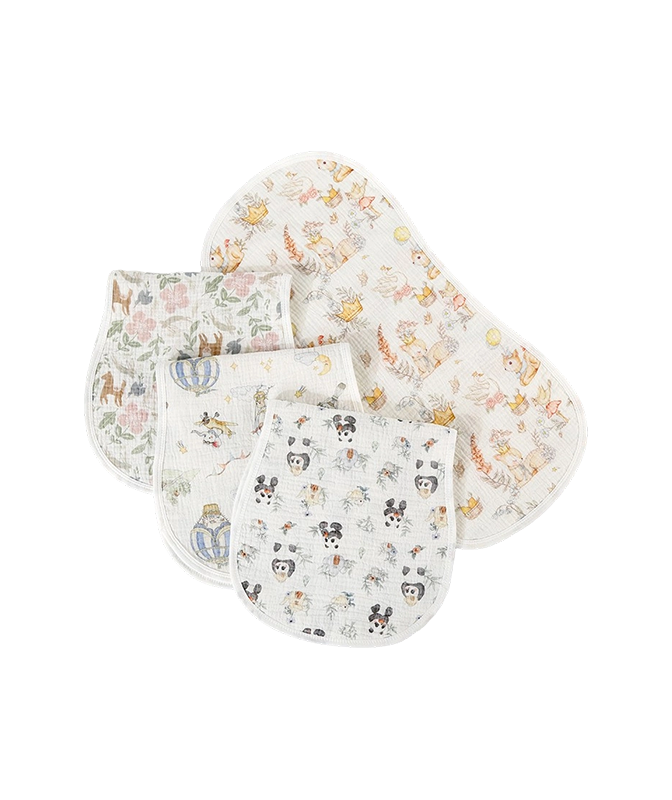
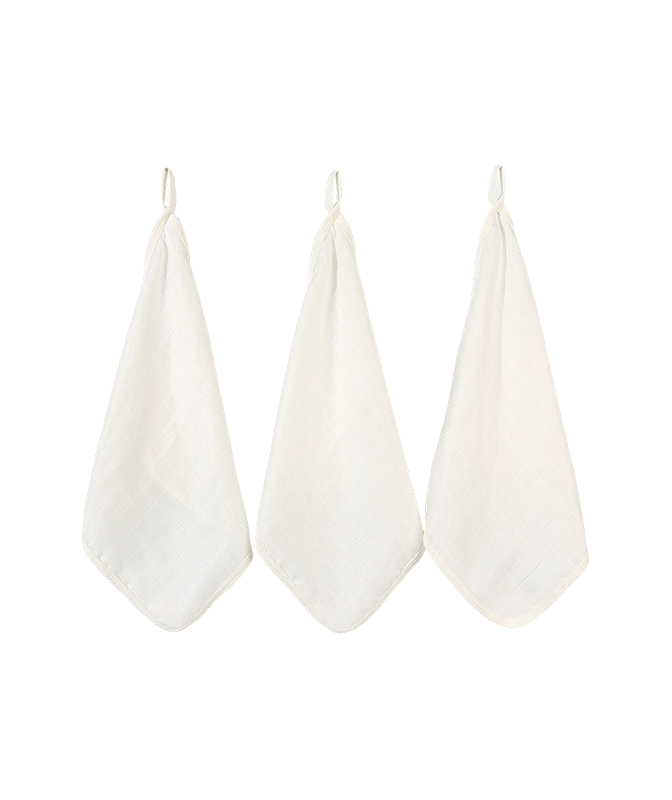
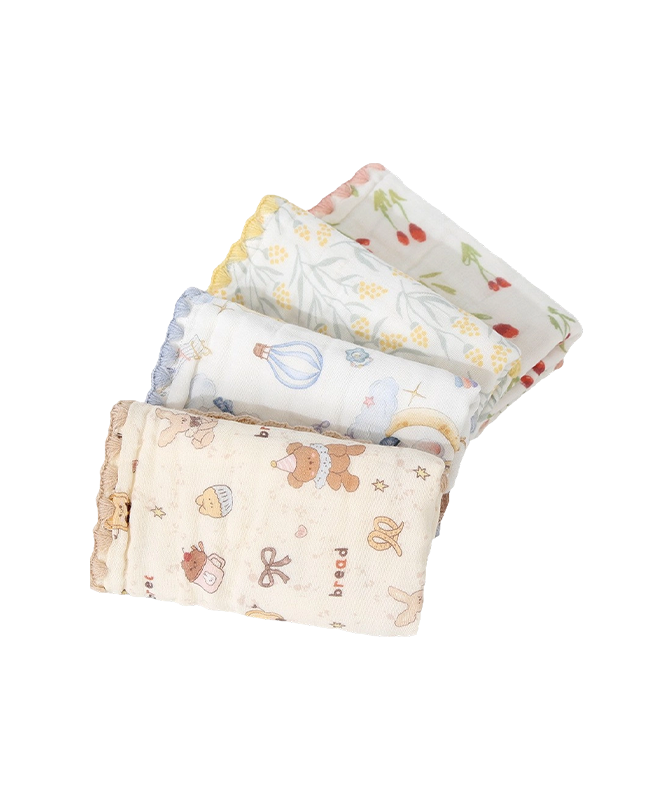
Eco-conscious parenting involves making daily choices that reduce environmental impact while attending to the practical needs of a baby. Baby Textile Products and Organic Cotton Baby Bibs are frequently highlighted in discussions of sustainable infant care. Selecting textiles made from natural fibers not only contributes to environmental mindfulness but also provides practical benefits in day-to-day baby care.
Environmental Impact of Textile Choices
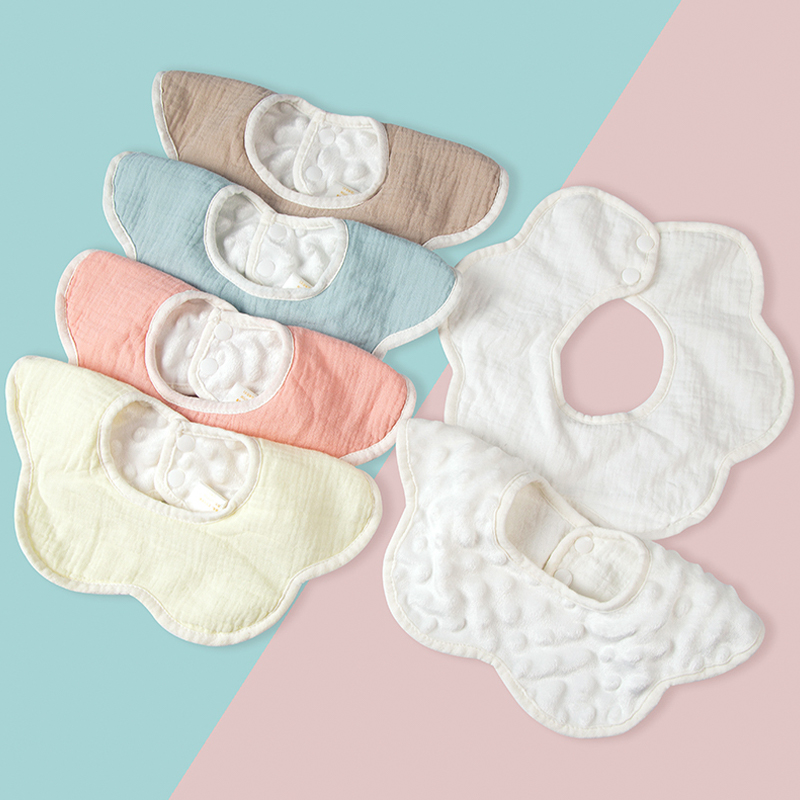
The materials used in baby products can influence both environmental outcomes and household routines. Organic cotton, for example, is grown without synthetic pesticides or fertilizers, reducing chemical runoff and soil contamination. By choosing organic materials for bibs, onesies, and other daily wear, parents contribute to a lower environmental footprint compared with conventional textiles. At the same time, organic cotton maintains softness and absorbency, which are practical features for feeding and drooling management.
- Fewer chemical inputs during cultivation protect local ecosystems.
- Biodegradable fibers reduce long-term waste accumulation.
- Durable construction allows repeated use without rapid degradation.
- These considerations are relevant for eco-conscious families who want to align practical baby care with sustainability principles.
Practical Benefits for Daily Care
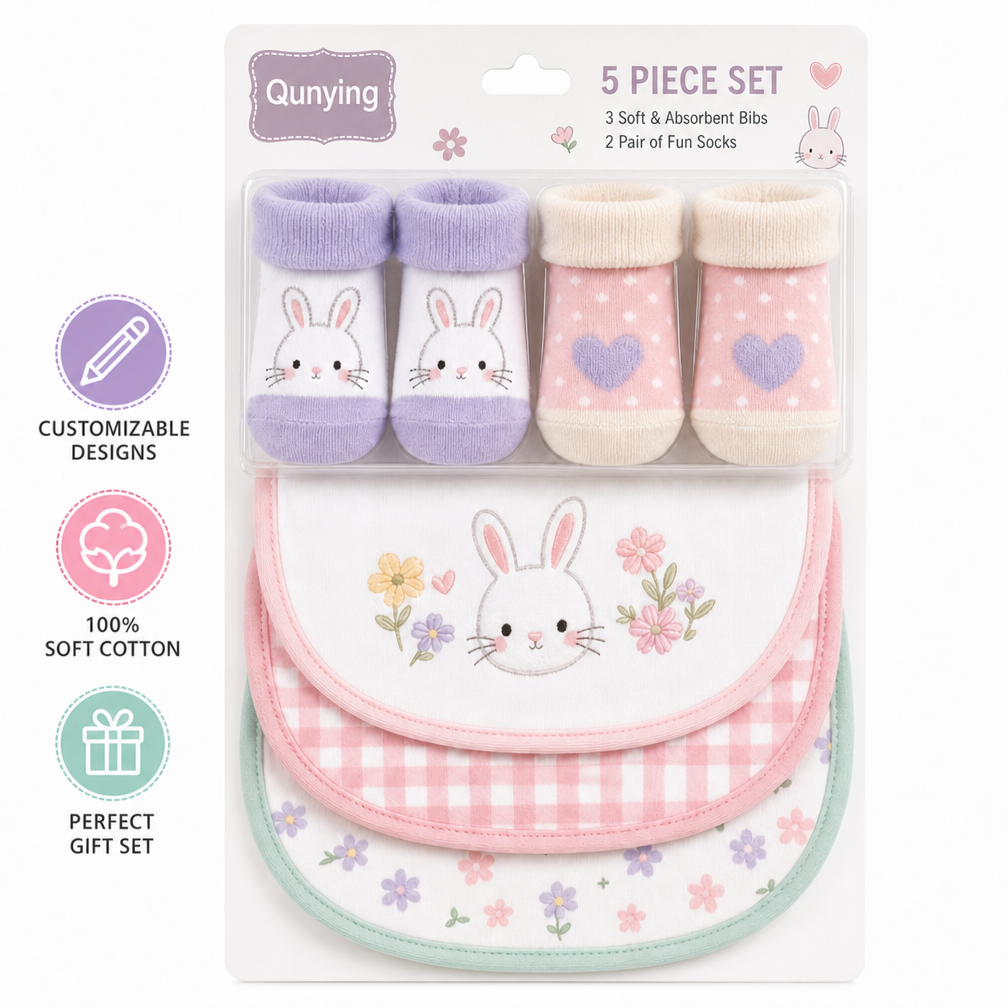
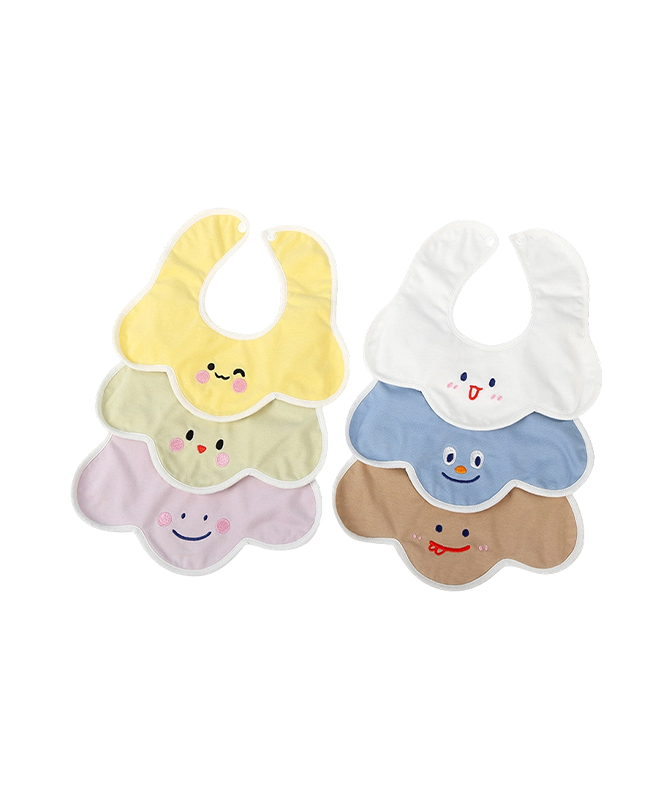
Eco-friendly textiles often intersect with everyday convenience. Organic Cotton Baby Bibs can help manage spills and drool efficiently while remaining gentle on delicate skin. Their softness reduces friction and potential irritation, which is helpful during feeding, teething, or periods of excessive drooling. Breathable fibers allow air circulation, preventing prolonged dampness under the bib. When paired with other baby textile items such as soft onesies or sleepwear, these products help maintain comfort while simplifying daily care routines. Parents benefit from fewer clothing changes, easier laundry management, and an overall smoother feeding process.
Choosing the Right Size and Material
Selecting appropriate sizes and materials for eco-friendly baby textiles is an important consideration. Bibs that are too tight may leave marks or rub against sensitive skin, while oversized bibs can fold and trap moisture. Organic cotton items often feature adjustable closures, making them easier to fit to the baby’s needs. Parents can also consider layering textiles made from similar fibers to maintain consistency in comfort and care. Choosing items thoughtfully reduces daily challenges while supporting a more sustainable approach to clothing rotation and reuse.
Laundry Practices for Eco Parenting
Maintaining textile hygiene while minimizing environmental impact is a practical aspect of eco parenting. Washing organic cotton bibs and garments with mild, fragrance-free detergents reduces chemical residues and helps preserve fiber quality. Avoiding harsh bleaches or fabric softeners prevents unnecessary wear, and air-drying or low-heat drying preserves softness and shape. Careful laundering extends the lifespan of these products, which supports both sustainability and daily practicality by reducing the frequency of replacements. Through mindful washing routines, caregivers can balance hygiene, comfort, and environmental responsibility.
Integration into Daily Routines
Bibs and other baby textile products can be used strategically to support a smoother day-to-day routine. During feeding, organic cotton bibs absorb liquid efficiently, reducing dampness on the skin and clothing. They can also serve as a protective layer during teething, minimizing the need for constant clothing changes. Parents who plan textile rotation and include eco-friendly products in their daily schedules find it easier to manage laundry loads, maintain cleanliness, and reduce waste. These items support practical organization while aligning with eco-conscious parenting goals.
Selecting Complementary Baby Textile Products
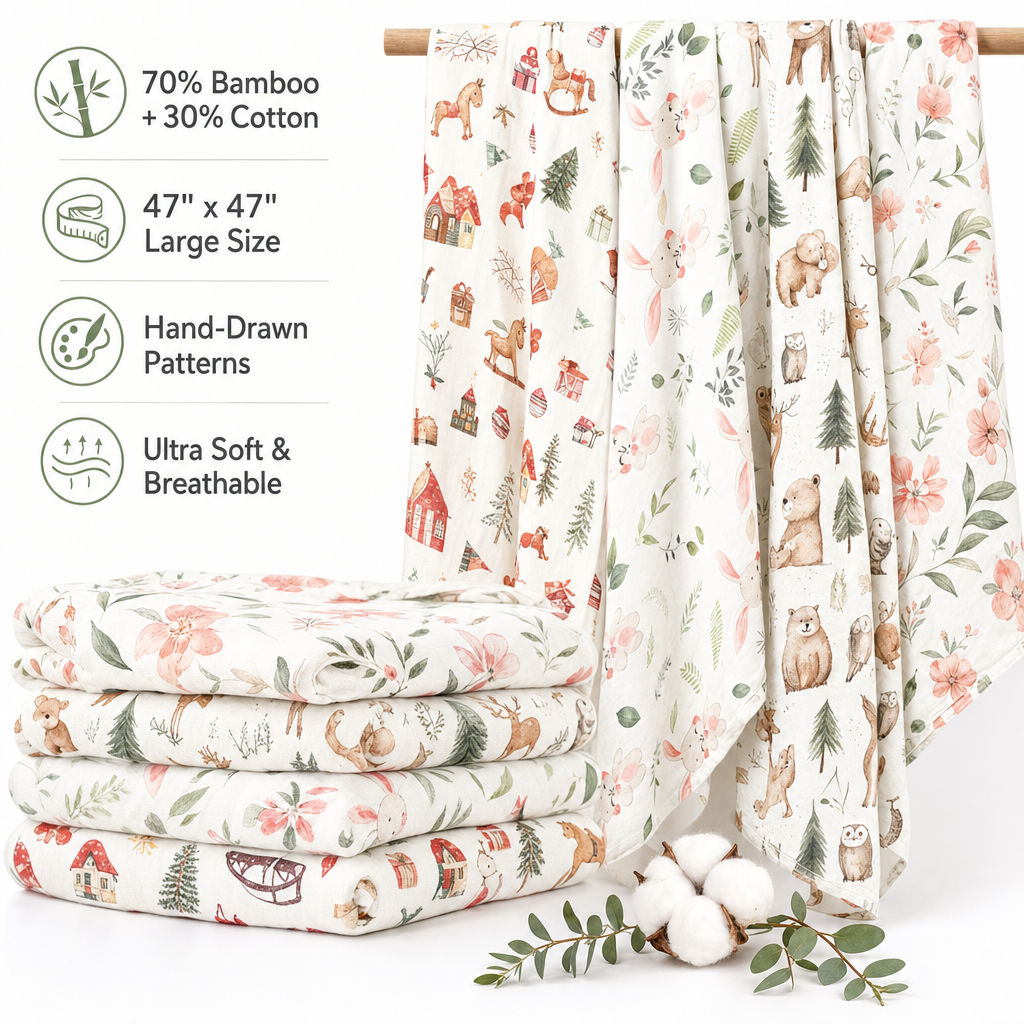
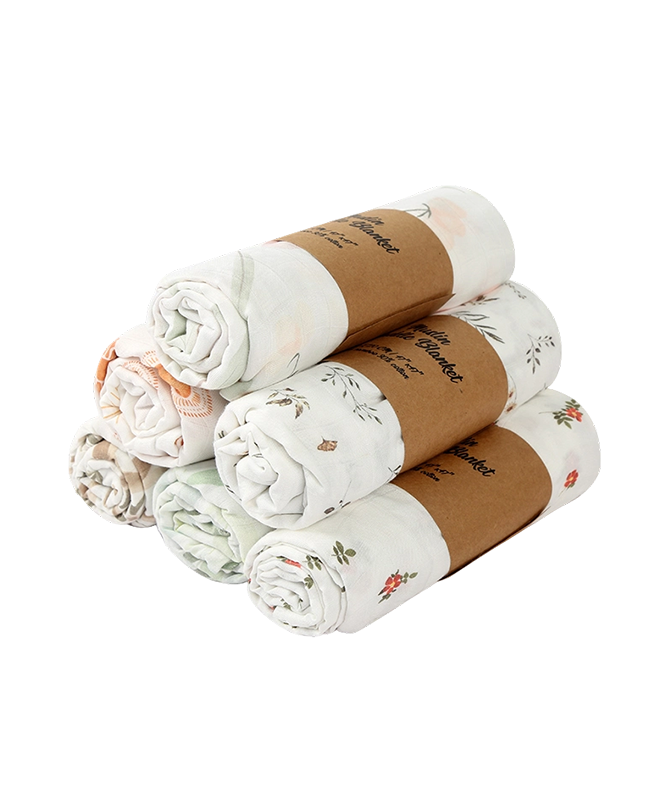
A broader eco-friendly approach can include coordinating bibs with other baby textile items. Organic cotton sleepwear, swaddles, and blankets complement bibs by offering consistent softness and breathability. By choosing products from similar materials, parents can maintain uniform comfort and reduce irritation. Regular monitoring of wear and tear, prompt laundering of damp items, and thoughtful layering help integrate these textiles into daily care efficiently. This combination supports practical handling of feeding, sleeping, and playtime needs while considering environmental impact.