English
 Español
 Deutsch
 عربى
عربى
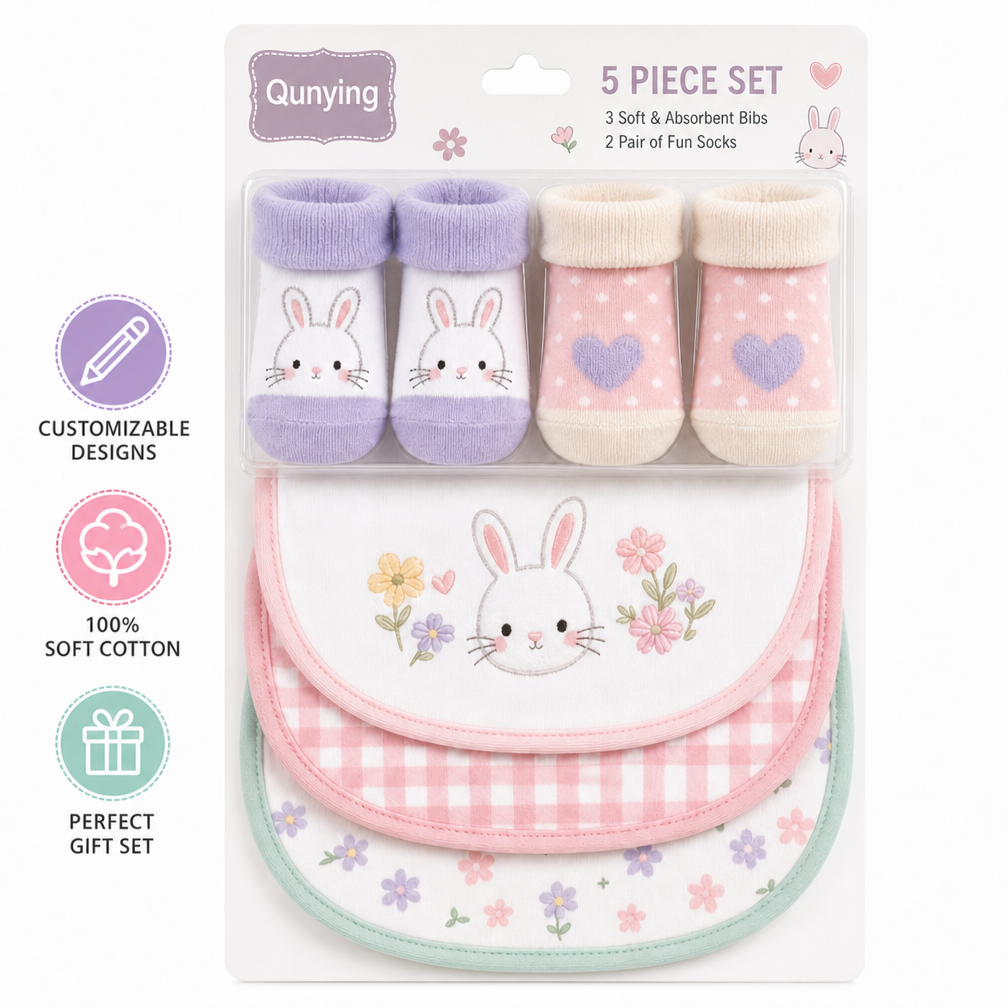
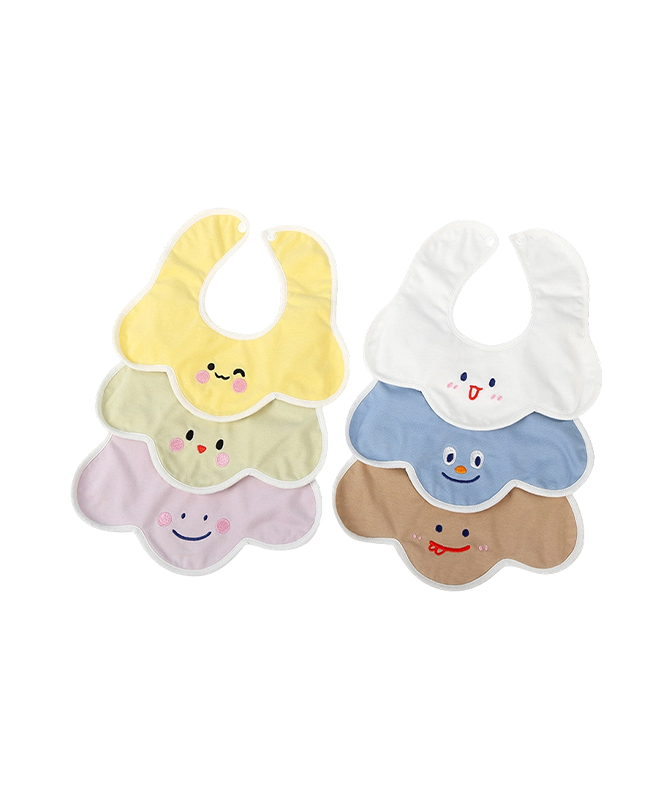
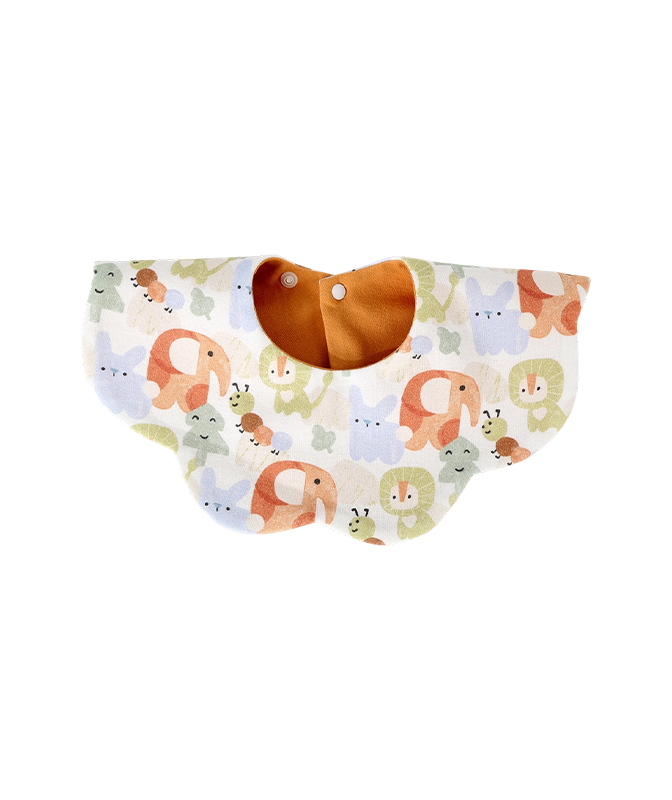
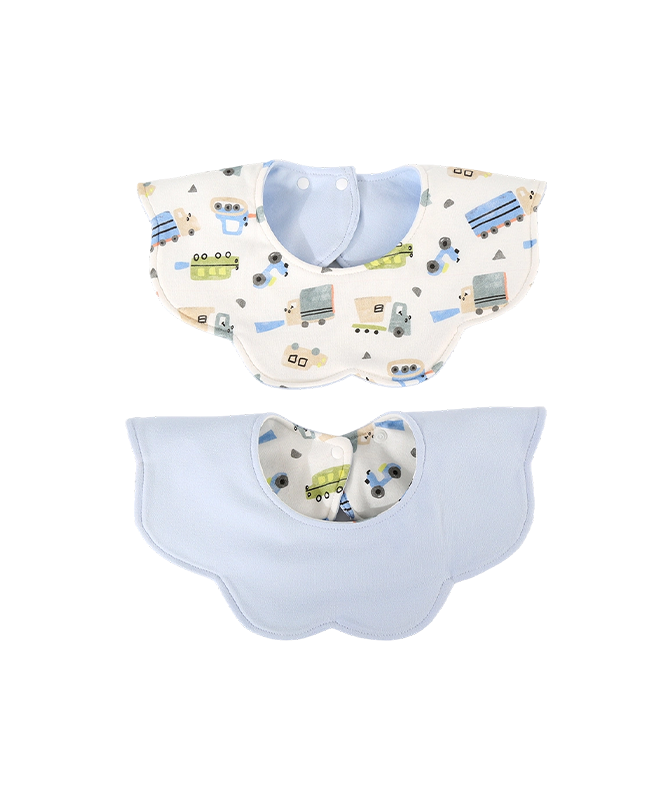
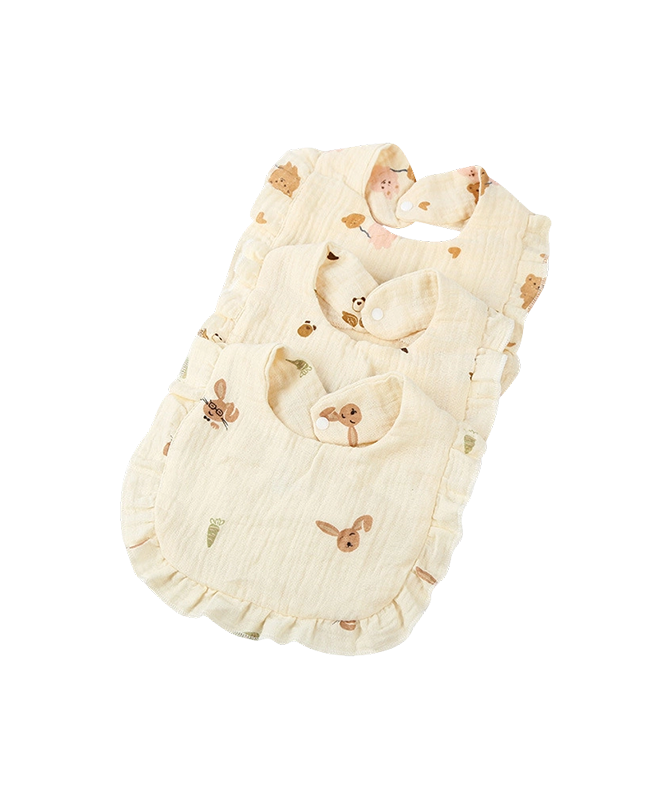
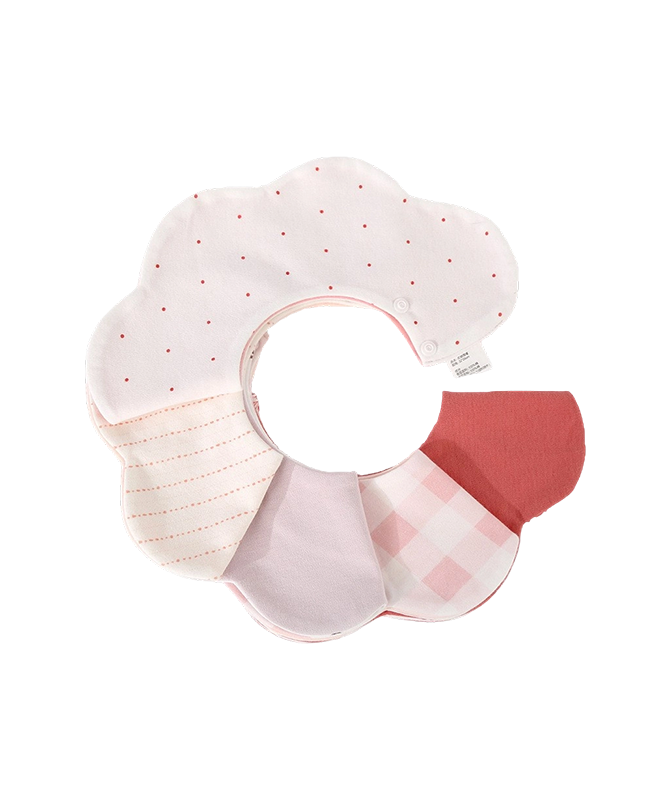
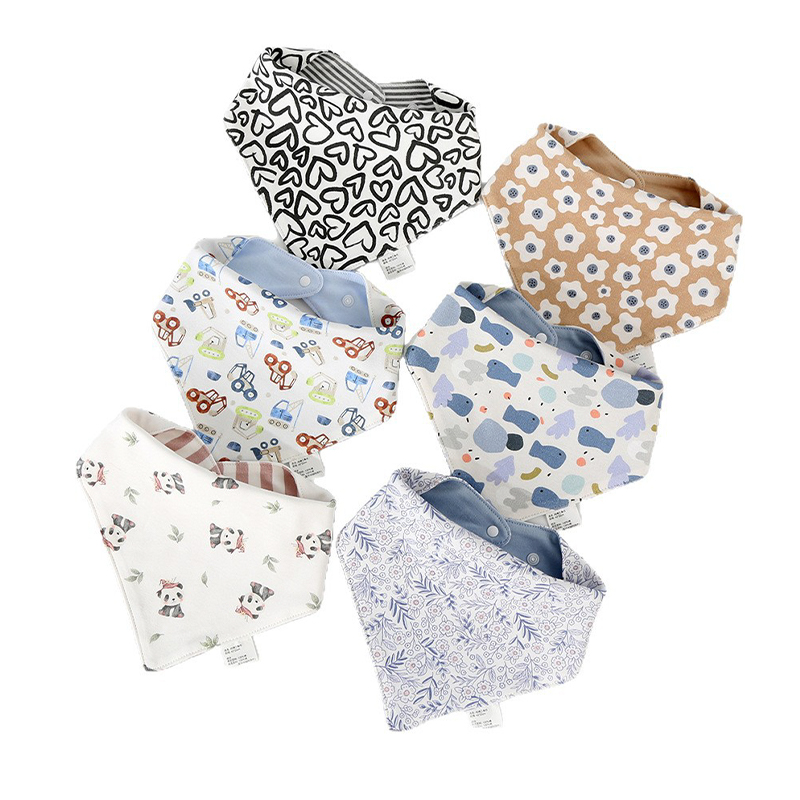
Babies' skin is delicate and sensitive, making the choice of clothing and feeding accessories important. Baby Textile Products and Organic Cotton Baby Bibs are often considered for their natural composition and gentle touch on infant skin. Beyond being simple feeding accessories, these items play a role in maintaining comfort and reducing conditions that may contribute to irritation. Understanding how these products interact with a baby's skin can help caregivers make informed decisions and create practical daily routines for feeding and hygiene.
Materials and Their Role in Skin Comfort
Organic cotton is cultivated without synthetic pesticides, herbicides, or fertilizers, which reduces chemical residues in the fibers. Conventional cotton may carry traces of these chemicals, which could irritate newborn or infant skin, particularly around areas where moisture tends to collect. Organic cotton fibers are generally softer and allow more air circulation, supporting skin that is constantly exposed to drool, milk, or other liquids during feeding.
- Soft fibers reduce friction and rubbing, especially around the neck and chin.
- Breathable weave allows airflow, reducing prolonged dampness under the bib.
- Absorbent quality draws moisture away from the skin, helping to maintain a drier surface.
These characteristics mean that caregivers can use these bibs daily without concern for rough textures or tight fabrics rubbing against sensitive areas, which is a practical consideration for everyday feeding.
Choosing the Right Size and Fit
Proper sizing is crucial for both comfort and protection. Bibs that are too tight may leave marks, chafe, or trap heat and moisture, while overly loose bibs can fold or bunch, allowing liquids to stay in contact with skin. Many organic cotton baby bibs include adjustable fasteners such as snaps or velcro, allowing caregivers to customize the fit according to the baby's age and neck size. Choosing an appropriately fitted bib ensures that it protects clothing, offering a simple yet effective way to support skin comfort during meals.
Washing Practices and Fabric Longevity
The way baby bibs are laundered has a direct effect on their comfort and skin-friendliness. Using mild, fragrance-free detergents reduces the presence of residual chemicals that could irritate sensitive skin. Avoiding harsh bleach or fabric softeners preserves the natural softness of the fibers. Washing at the appropriate temperature helps maintain shape and fit, preventing shrinkage or distortion over time. Well-maintained bibs retain their gentle feel, which is important because repeated friction from stiff or rough fabrics can cause temporary redness or discomfort.
Daily Use Scenarios
Bibs serve as a practical barrier between the baby's skin and moisture or food spills. During feeding, drool, milk, or pureed foods can come into direct contact with the chin, neck, and chest areas. Organic cotton bibs absorb liquids efficiently, helping to keep the skin relatively dry and reducing prolonged moisture exposure. Beyond feeding times, bibs can protect against drool during teething, preventing constant wetness that could otherwise irritate the skin. Using bibs strategically can decrease the frequency of clothing changes, making routines smoother while maintaining comfort for the baby.
Complementary Baby Textile Products
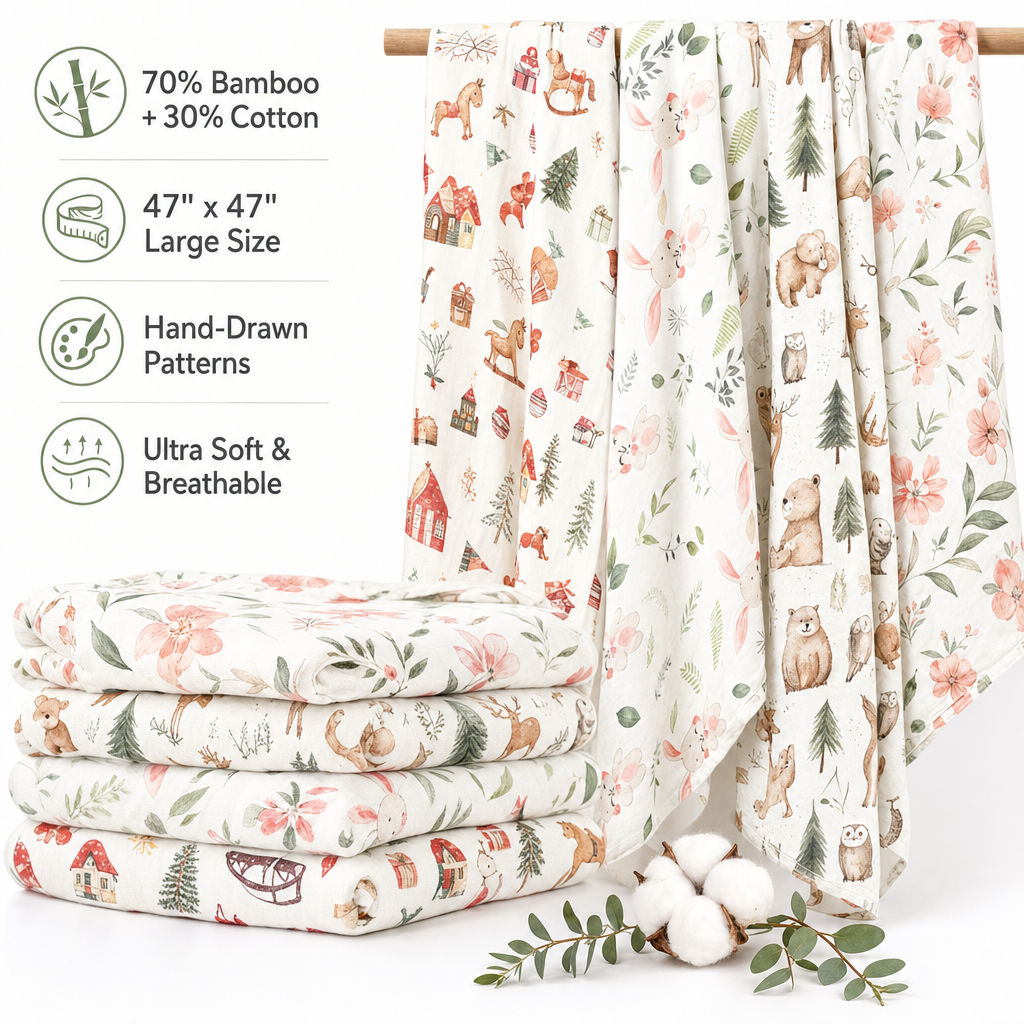
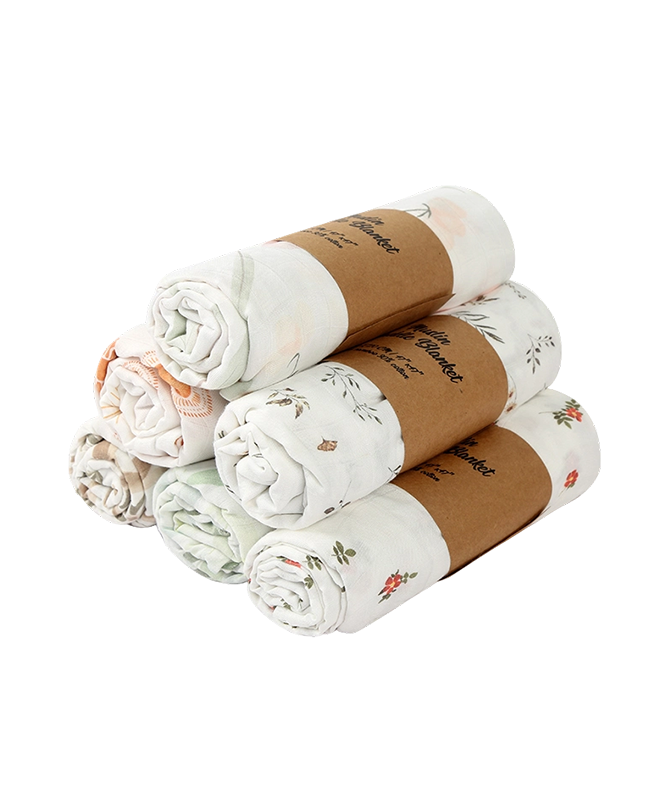
Bibs are part of a larger collection of baby textile items, such as onesies, sleepers, blankets, and swaddles. Coordinating these items to use natural, soft fabrics can create a consistent level of comfort for sensitive skin. Frequent changes of damp or soiled textiles are also important; using organic cotton products together with regular laundering can help keep the skin free from irritants. Additionally, caregivers can layer clothing thoughtfully, avoiding rough seams or decorations that might come into prolonged contact with the neck or face.
Practical Considerations for Caregivers
When selecting bibs, caregivers can consider factors beyond material, such as ease of cleaning, durability, and compatibility with daily routines. Bibs with wide coverage can protect more clothing, while foldable or waterproof-backed versions can help contain moisture without compromising comfort. Features like machine-washable fabrics and adjustable closures reduce the effort required for maintenance, allowing caregivers to focus on feeding and care without concern over repeated irritation. Small decisions in these areas have practical outcomes, supporting daily hygiene and skin comfort for infants.
Integration into Routine Baby Care
Incorporating organic cotton bibs into regular feeding routines can support a smoother daily experience. Regular inspection of bibs for wear and tear, timely laundering, and matching fabrics with other baby clothing items all contribute to maintaining a comfortable and practical environment. By paying attention to material, fit, care, and integration with other baby textile products, caregivers can create routines that protect the skin while accommodating the demands of everyday feeding, teething, and drooling periods. This approach emphasizes practical choices that simplify care while attending to the baby's comfort.