English
 Español
 Deutsch
 عربى
عربى
Growing awareness of infant comfort, safety, and proper physical support has brought renewed attention to Design Infant Head Support Pillows, ODM Baby Pillows, and Baby Gauze Bath Towels in China. These products address practical needs in early infant care, including head positioning, sleep comfort, and skin protection after bathing. As caregivers and distributors seek better understanding of product safety and performance, manufacturers are refining material selection, ergonomic design, and quality control procedures to meet these expectations.
Infants experience rapid physical development during the year of life, particularly in the neck, head, and skin. Textile products that interact closely with the infant’s body must balance softness, airflow, structural support, and hygiene. Manufacturers working in this sector must ensure that materials, shapes, and production processes align with both physiological needs and regulatory requirements.
Why Head Support Pillows Require Careful Ergonomic Design
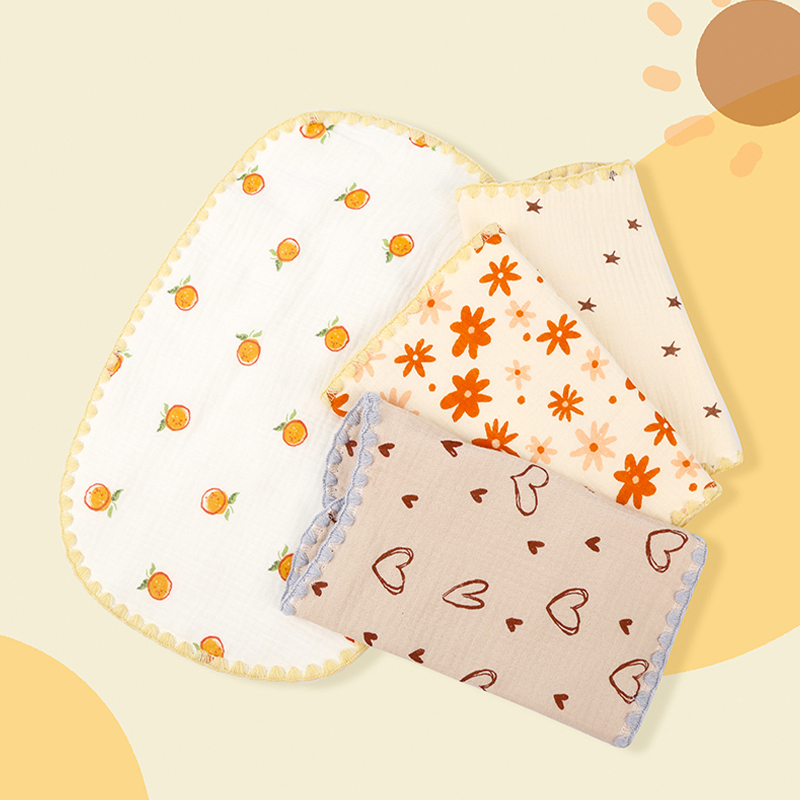
Infant head support pillows are designed to help stabilize head positioning during rest, stroller travel, or supervised relaxation. Unlike adult pillows, infant support pillows must accommodate the unique anatomical characteristics of babies, including softer skull structures and limited neck strength.
Ergonomic shaping helps distribute pressure evenly across the back of the infant’s head. Some designs incorporate a central depression or contour to reduce concentrated pressure points. This structure helps maintain natural alignment between the head, neck, and spine.
Material density plays an important role in support performance. Filling materials such as cotton fiber, polyester fiberfill, or low-density memory foam must provide gentle resistance without excessive firmness. Overly firm materials may increase pressure, while overly soft materials may lack sufficient structural stability.
Breathable outer fabrics allow air circulation around the infant’s head. This helps regulate temperature and reduce moisture buildup during sleep or rest periods. Proper airflow contributes to overall comfort and reduces skin irritation risk.
Size and proportion must also match infant growth stages. Head support pillows designed for newborns differ from those intended for older infants, reflecting differences in head size and neck strength.
Material Selection and Safety Considerations in Infant Pillows
Material safety is a primary concern because infant skin is thinner and more sensitive than adult skin.
Natural fibers such as cotton are widely used because of their softness and breathability. Cotton fibers allow moisture absorption while maintaining airflow. Some manufacturers use organic cotton to reduce chemical exposure associated with conventional farming and processing.
Synthetic fiberfill materials may be used inside pillows to provide structural support. These fibers must meet safety standards regarding chemical content and durability. Hypoallergenic materials help reduce the likelihood of allergic reactions.
Fabric finishing processes must also be carefully managed. Water-based dyes and controlled finishing treatments help reduce residual chemical content.
Third-party testing and certification provide additional verification of safety compliance. Buyers often request laboratory reports confirming material safety.
ODM Manufacturing and Customization Capabilities in Infant Pillow Production
Original Design Manufacturing (ODM) services allow brands and distributors to develop customized infant pillows based on specific market needs. ODM manufacturers manage design, prototyping, and production processes, helping brands introduce differentiated products.
Customization may include shape adjustments, fabric selection, color options, logo embroidery, and packaging design. Ergonomic variations can be developed for different infant age groups or usage scenarios.
Sample development is an important stage in ODM production. Buyers evaluate prototypes for softness, support characteristics, and structural consistency before approving mass production.
Production scalability is another important consideration. Manufacturers must ensure consistent quality across large production volumes. Quality control procedures support uniform product performance.
ODM services allow companies to develop infant pillow products aligned with brand identity while maintaining manufacturing efficiency.
Gauze Bath Towels and Their Role in Infant Hygiene and Comfort
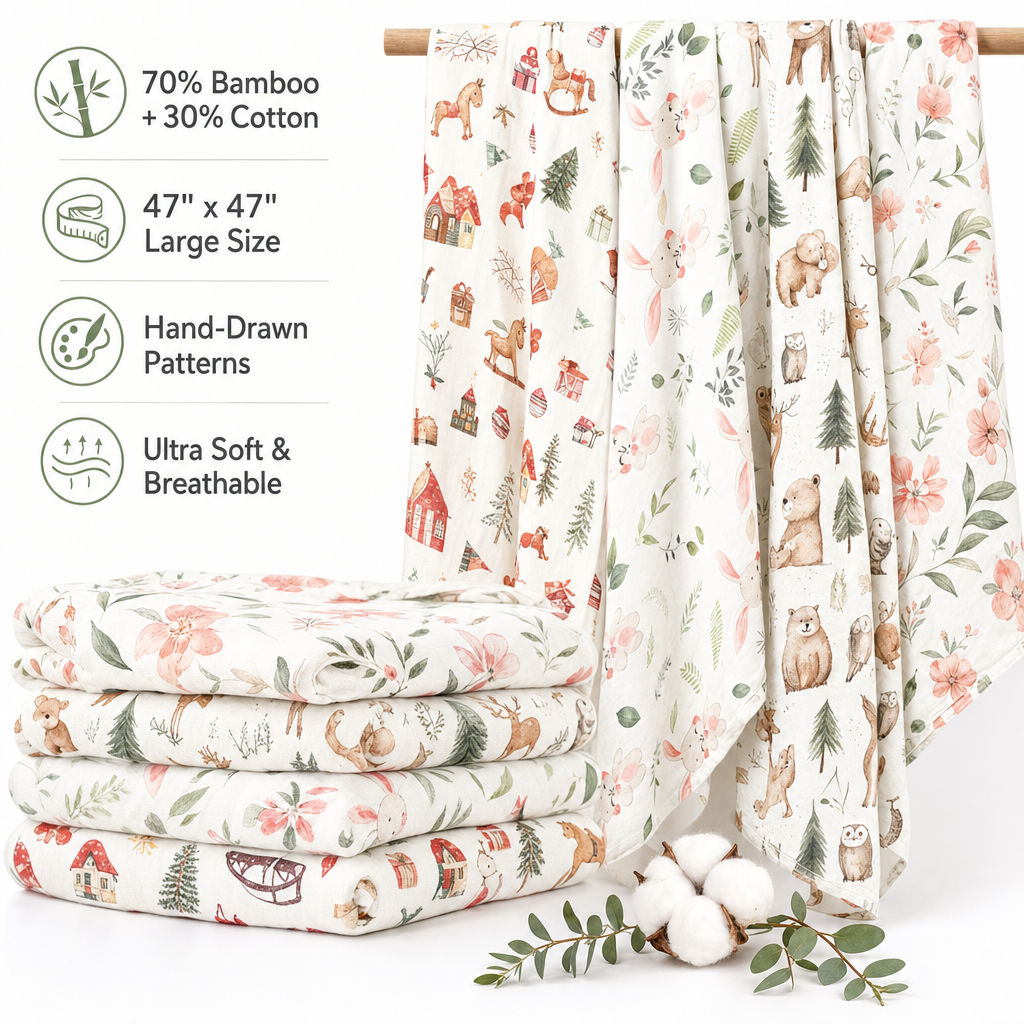
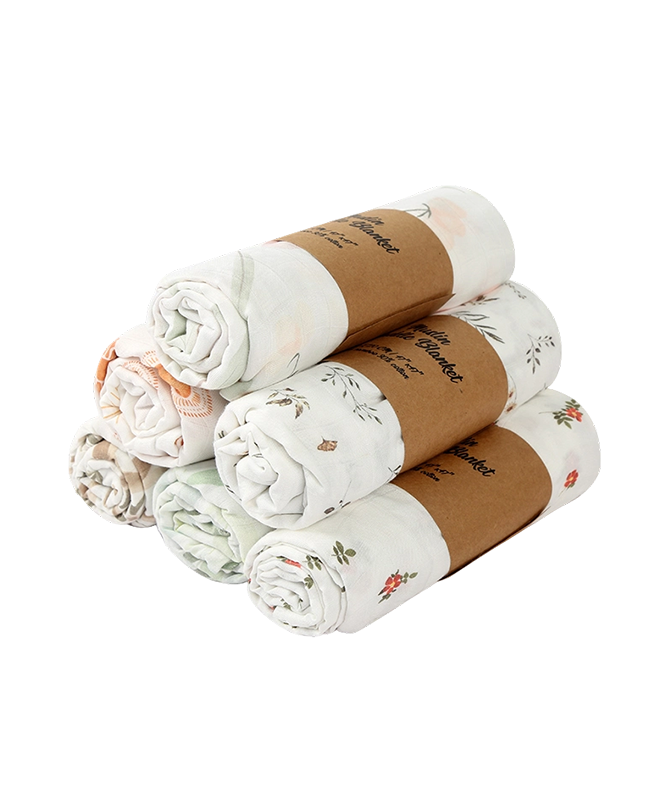
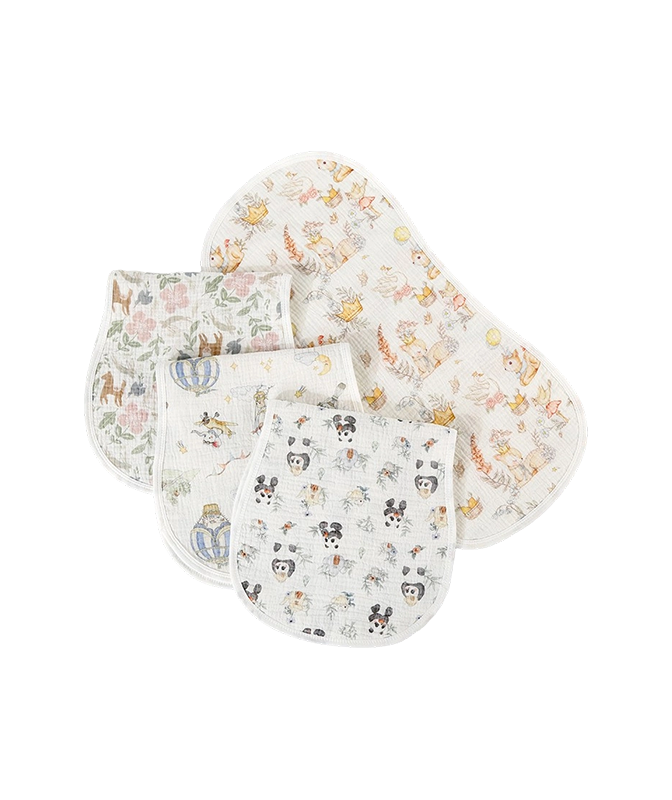
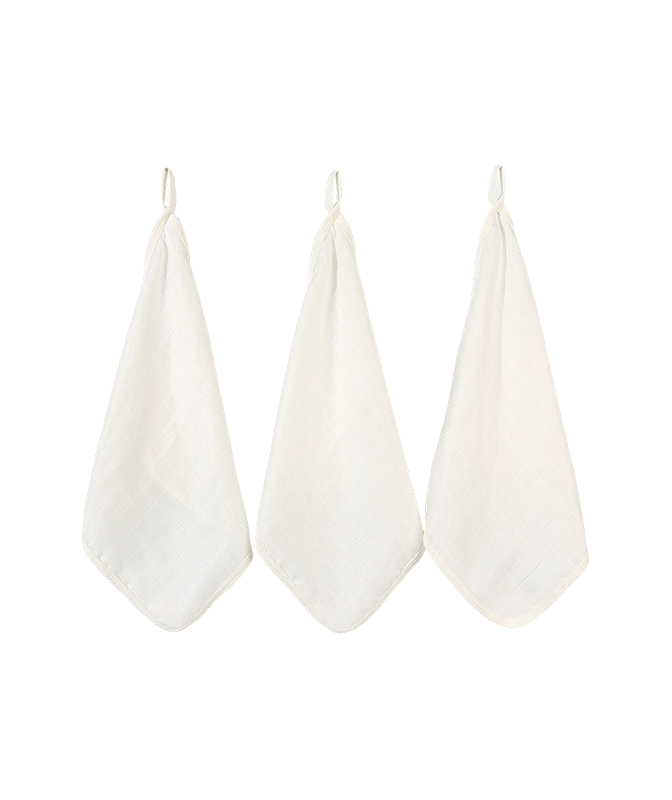
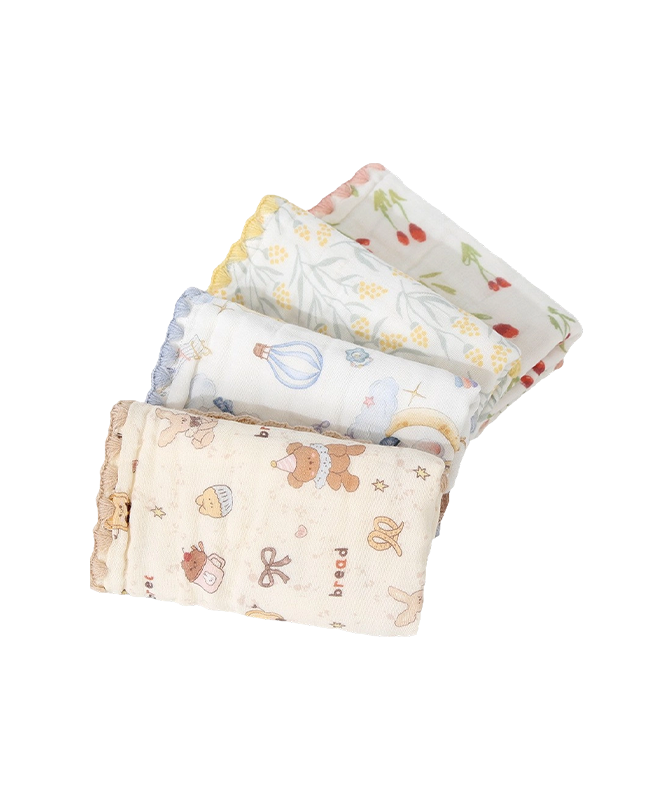
Gauze bath towels are widely used in infant care because of their lightweight structure and absorbency. Gauze fabric consists of loosely woven cotton layers that enhance airflow and drying speed.
Multiple gauze layers increase moisture absorption capacity. This allows towels to remove water efficiently after bathing while remaining lightweight.
Fast drying reduces the risk of bacterial growth associated with prolonged dampness. This contributes to hygiene maintenance in daily use.
Soft texture helps protect delicate skin during drying. Gauze fabric becomes softer after repeated washing cycles, improving comfort over time.
Hooded towel designs provide additional coverage for the infant’s head, helping maintain warmth after bathing.
Manufacturing Processes Supporting Consistent Product Quality
Manufacturing quality control begins with raw material inspection. Fabrics and filling materials are tested for fiber composition, strength, and visual consistency.
Cutting and sewing processes must maintain dimensional accuracy. Reinforced stitching improves durability and prevents seam separation during washing.
Intermediate quality checks during production help identify defects early. Final inspection ensures products meet structural and visual standards.
Clean packaging environments help reduce dust exposure before products are sealed.
Traceability systems allow manufacturers to track materials and production batches. This supports accountability and regulatory compliance.
Breathability and Temperature Regulation in Infant Textile Products
Breathability is essential for infant textile products because infants have limited ability to regulate body temperature. Breathable fabrics allow air circulation, reducing heat buildup.
Open weave fabrics such as gauze and muslin support airflow. Moisture-wicking materials help maintain dry surfaces.
Temperature regulation contributes to overall infant comfort during sleep, rest, and post-bath care.
Material weight and layer construction influence airflow characteristics. Manufacturers select appropriate fabric structures based on intended product use.
Regulatory Compliance and International Safety Standards
Infant textile products distributed globally must comply with safety regulations related to chemical content, labeling, and product performance.
Testing laboratories evaluate materials for restricted substances. Compliance documentation supports import clearance and retail distribution.
Accurate labeling provides information about material composition and care instructions.
Manufacturers maintain records demonstrating regulatory compliance.
These measures help protect both consumers and distributors.
Practical Guidance for Buyers Evaluating Infant Textile Suppliers
Buyers evaluating suppliers often request product samples to assess softness, construction quality, and functionality.
Material certification provides evidence of safety compliance. Production capacity evaluation helps ensure timely delivery.
Factory audits or virtual inspections provide insight into manufacturing conditions.
Clear communication regarding specifications helps prevent production errors.
These evaluation steps support informed sourcing decisions.
Industry Evolution Reflects Increasing Focus on Infant Comfort and Safety
The infant textile sector continues to evolve as ergonomic design, material safety, and manufacturing transparency shape product development. Manufacturers refine structural designs, improve material selection, and strengthen quality control procedures to meet practical caregiving needs.
As infant pillows and gauze bath towels remain essential components of daily care routines, ongoing improvements in design and production processes support safer, more comfortable experiences for infants while providing buyers and distributors with clearer standards for product evaluation.