English
 Español
 Deutsch
 عربى
عربى
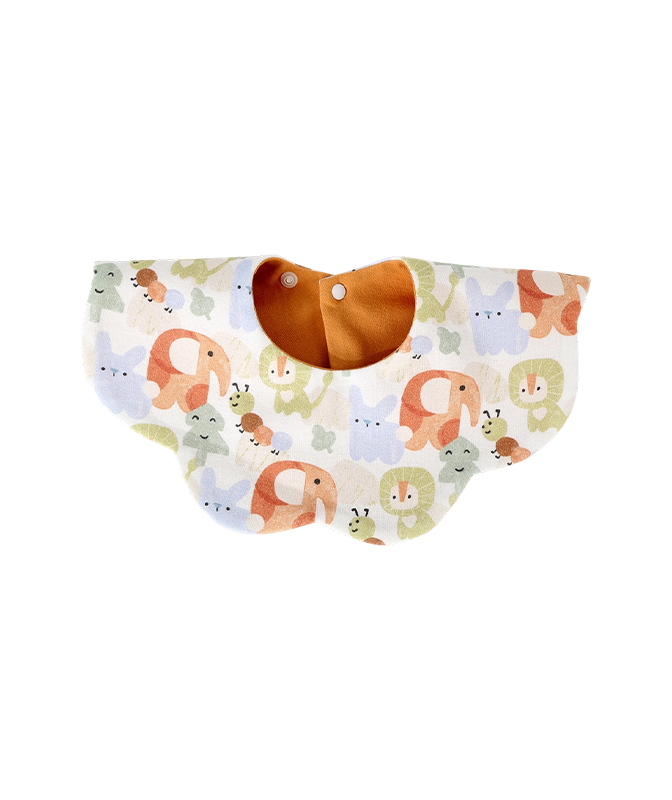
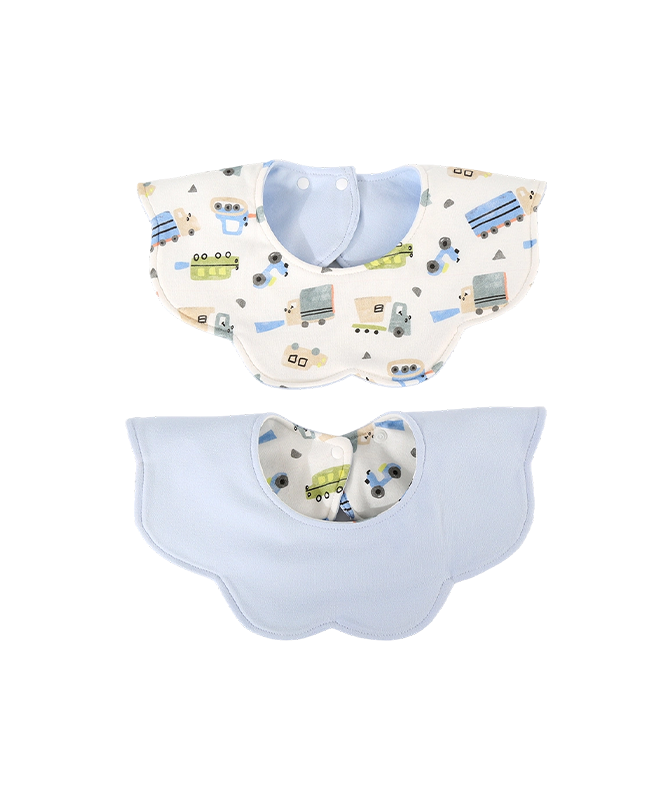
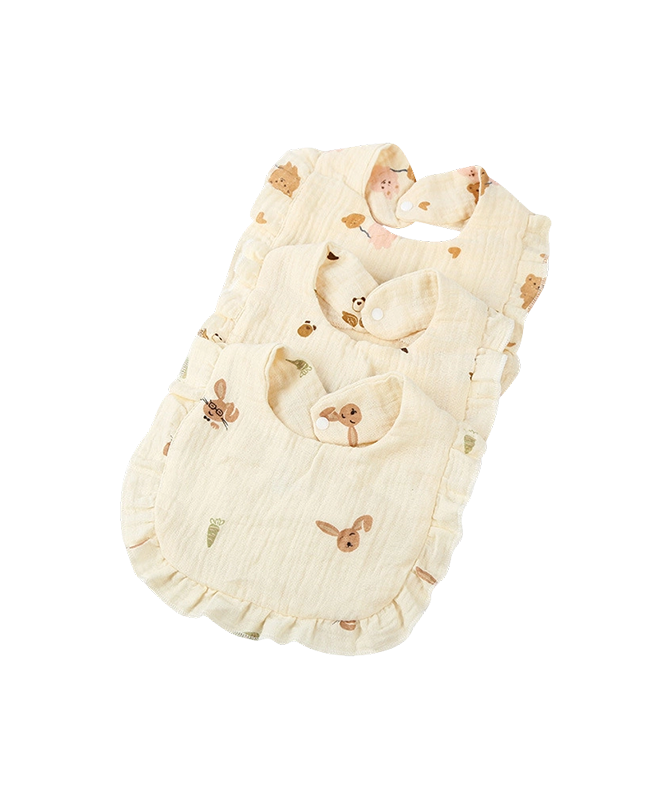
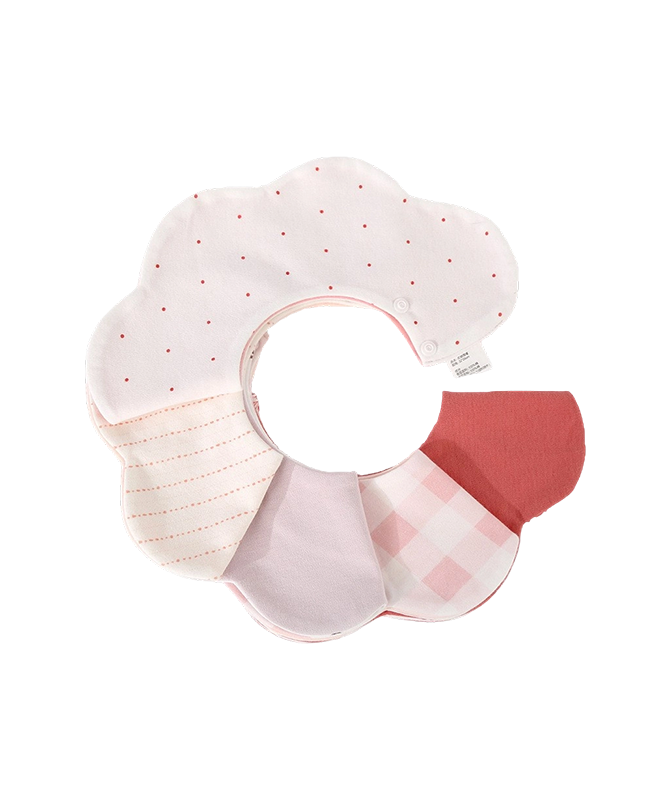
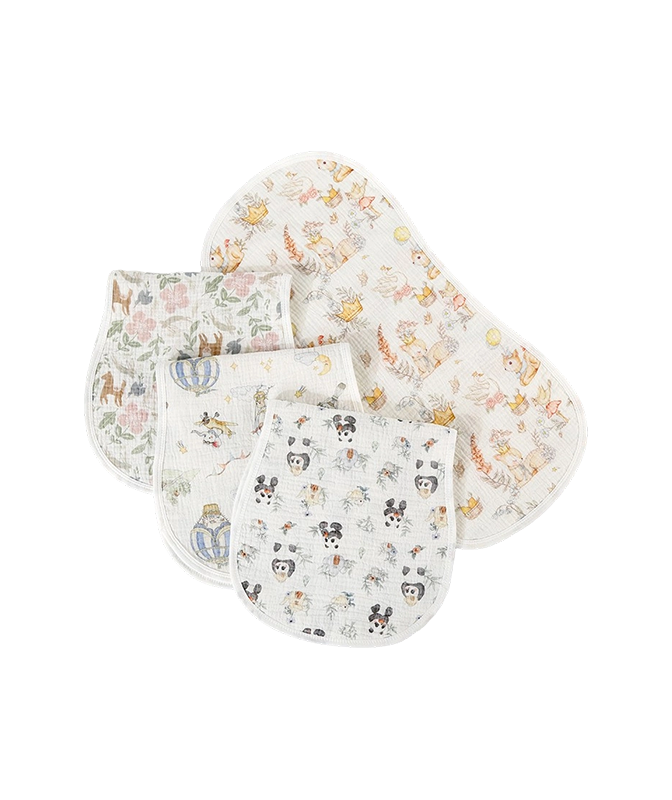
Evolving infant care expectations are reshaping the way manufacturers approach High Quality Baby Drool Cloths, Wholesale Breathable Baby Sleep Sack production, and operations within a Gauze Baby Bath Towel Company. These categories, while distinct in daily use, share common requirements: skin safety, moisture control, temperature regulation, durability, and traceable material sourcing. Retailers, healthcare distributors, and parents increasingly seek clarity about fabric composition, structural design, and production controls before making purchasing decisions.
Infant textiles maintain prolonged contact with delicate skin, and babies cannot communicate discomfort verbally. As a result, material softness, airflow, absorbency, and hygiene standards are no longer secondary considerations but central design priorities. Understanding how drool cloths, sleep sacks, and bath towels are manufactured helps buyers and caregivers assess whether products meet practical, everyday needs.
Skin Sensitivity And Moisture Management In Drool Cloths
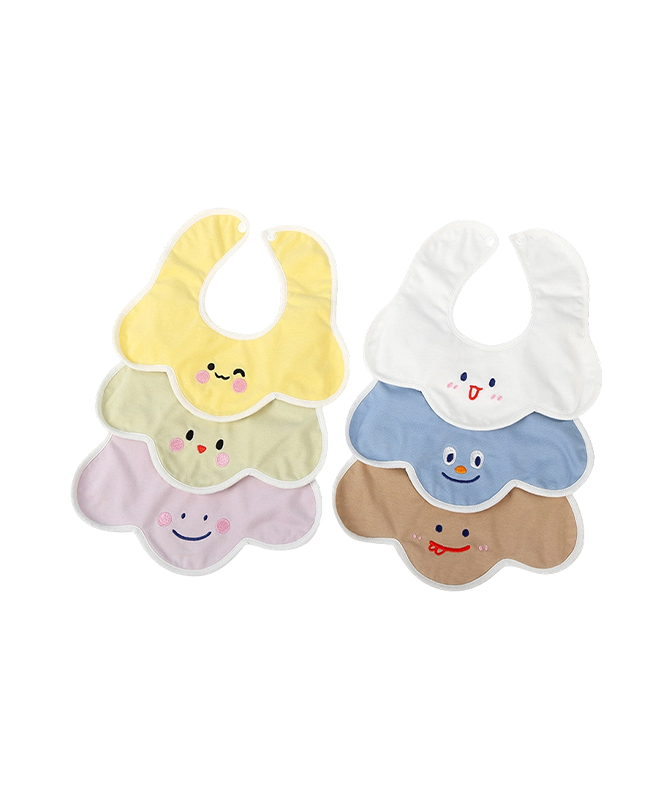
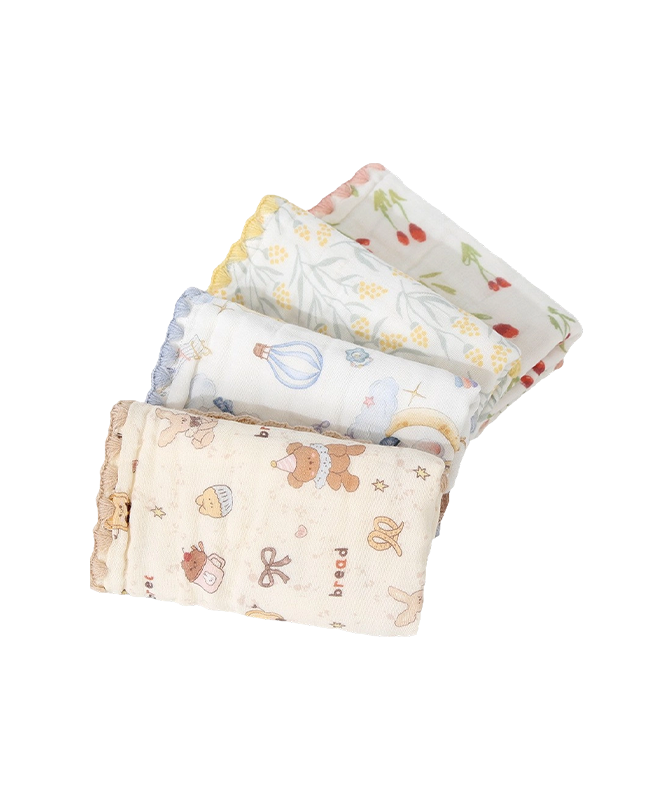
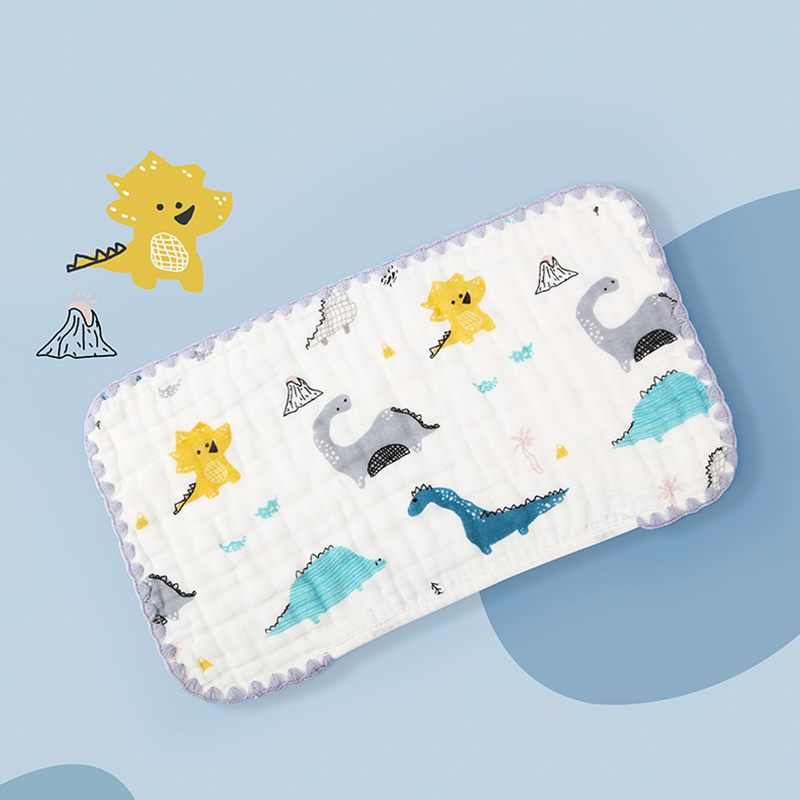
Drooling is a normal developmental stage during teething, yet prolonged moisture exposure can cause skin irritation around the chin and neck. High absorbency and breathability are therefore essential performance characteristics in drool cloth design.
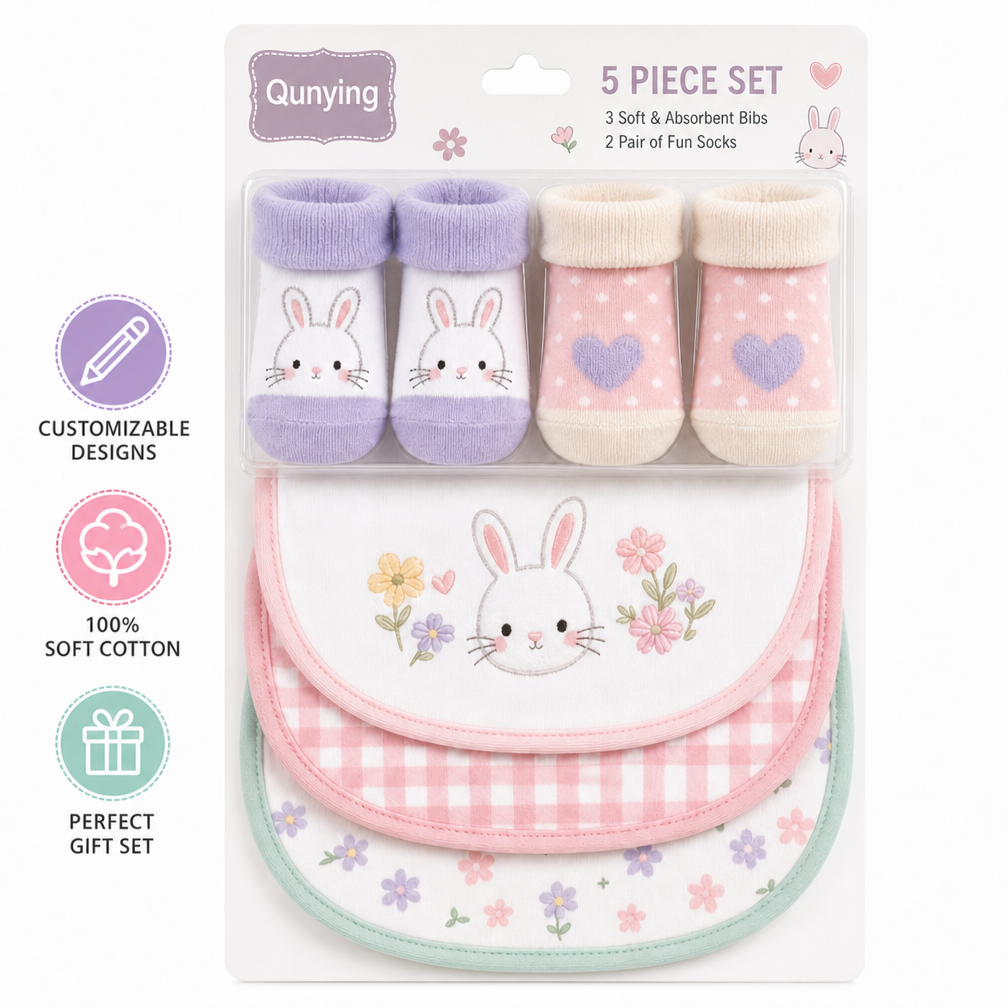
Cotton-based fabrics remain widely used because of their natural fiber structure, which allows moisture absorption while maintaining softness. Multi-layer constructions are often implemented to improve performance. The outer layer absorbs saliva quickly, while inner layers distribute moisture to prevent saturation at a single point. Some designs incorporate a moisture-resistant backing layer to reduce liquid penetration onto clothing.
Fabric weave density influences airflow and drying speed. Looser weaves may allow better ventilation, while tighter weaves provide additional structure. Manufacturers must balance absorbency with drying time to reduce prolonged dampness.
Stitching quality also affects performance. Reinforced seams prevent fraying after repeated washing cycles. Smooth edging techniques help minimize friction along the neck area. These details contribute to practical functionality in daily use.
Sleep Safety And Temperature Regulation In Baby Sleep Sacks
Sleep sacks are designed to provide warmth without the risks associated with loose blankets. Breathability is particularly important because infants have limited ability to regulate body temperature. Wholesale Breathable Baby Sleep Sack manufacturing increasingly focuses on airflow, fabric layering, and safe closure systems.
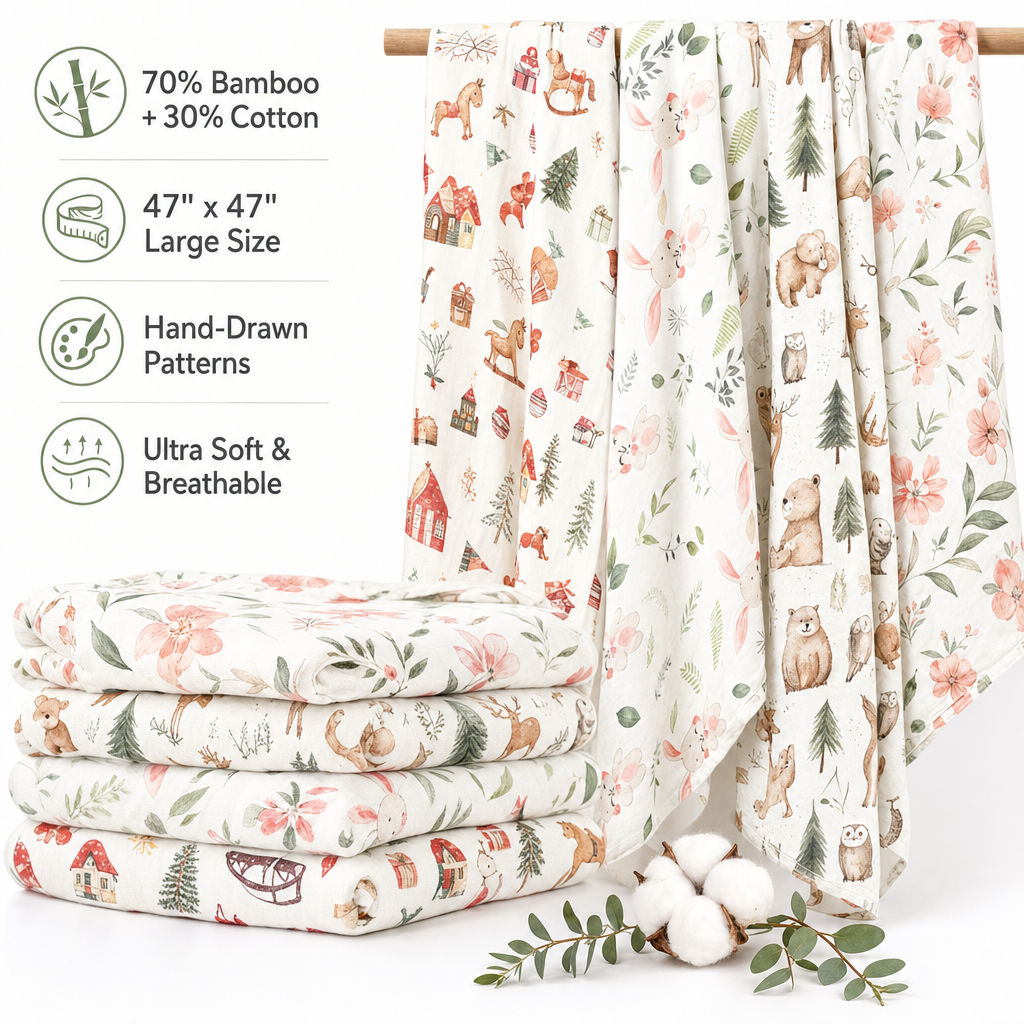
Muslin and lightweight cotton fabrics are frequently selected due to their open weave structures, which allow air circulation. Some sleep sacks are offered in varying thickness levels to accommodate different room temperatures. This allows caregivers to select appropriate warmth levels based on climate and seasonal changes.
Closure systems, typically zippers or snaps, must be positioned to avoid skin contact irritation. Covered zipper guards reduce friction along the neckline. Armhole sizing must allow natural movement without excessive looseness.
Temperature regulation also depends on fabric weight and layering. Thinner fabrics support use in warmer climates, while quilted versions provide additional insulation for cooler environments. Buyers sourcing sleep sacks in bulk often evaluate seasonal demand and regional climate conditions before determining product specifications.
Safety standards in various markets may require flammability testing and chemical content verification. Documentation from accredited laboratories supports compliance and smooth distribution.
Absorbency And Drying Performance In Gauze Bath Towels
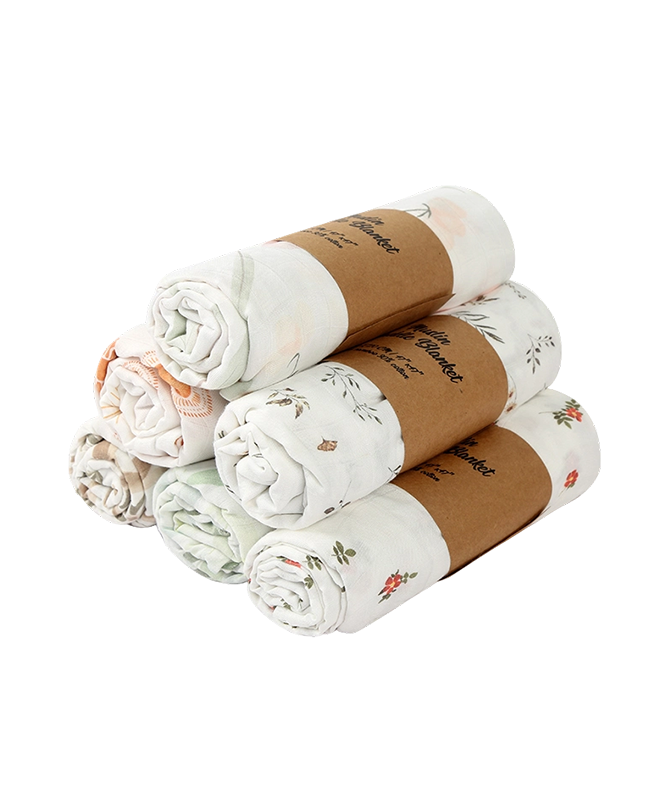
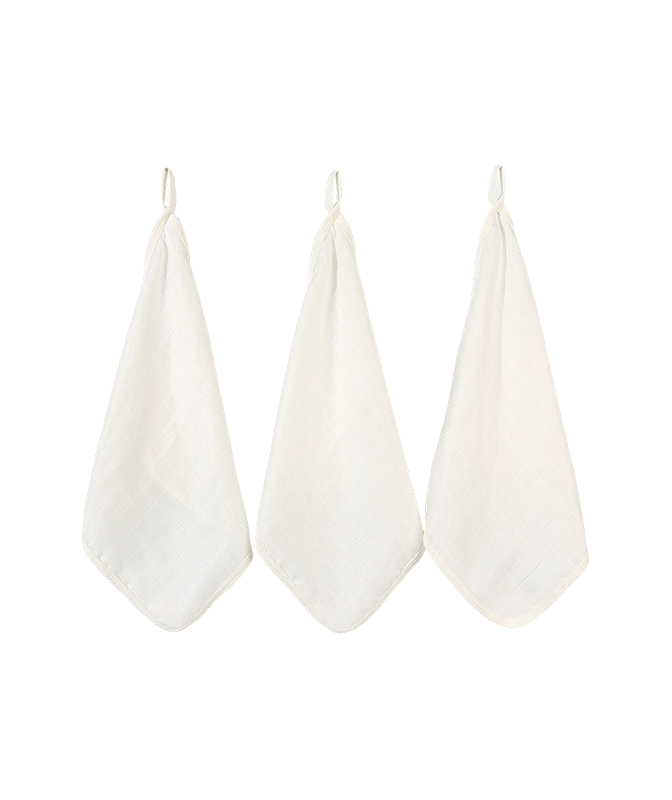
Bath time introduces unique textile requirements. Gauze fabrics are commonly selected for baby bath towels because their layered, loosely woven structure enhances absorbency while remaining lightweight.
Gauze Baby Bath Towel Company operations often focus on multi-layer gauze constructions. These layers increase water absorption capacity without significantly increasing fabric weight. The open weave accelerates drying, reducing the risk of mildew formation between uses.
Softness remains a key priority. Chemical finishing processes must be carefully managed to prevent stiff textures. Pre-washing treatments can improve softness and reduce shrinkage.
Edge binding techniques also influence durability. Towels experience frequent washing and drying cycles, so reinforced stitching prevents seam separation.
Parents often prefer hooded towel designs for infants because they help dry the head efficiently while maintaining warmth after bathing. Properly sized hoods and balanced fabric weight contribute to comfortable use.
Manufacturing Controls Supporting Consistent Product Quality
Quality control procedures are central to infant textile manufacturing. Material inspection begins before production, with incoming fabrics tested for fiber composition, strength, and visual consistency.
Cutting accuracy ensures that drool cloths, sleep sacks, and towels maintain uniform dimensions across batches. Sewing operations are monitored to maintain seam strength and structural integrity.
Intermediate inspections during production help identify issues before products reach final stages. Finished goods undergo visual inspection for surface defects, loose threads, and shape consistency.
Metal detection and needle control procedures are implemented in many facilities to reduce foreign object risks. Clean packaging areas limit dust contamination before sealing products for shipment.
Documentation of inspection records supports traceability and buyer confidence.
Environmental Considerations In Infant Textile Production
Textile manufacturing consumes water and energy, particularly during dyeing and finishing. Increasingly, factories adopt water recycling systems to reduce overall usage. Energy-efficient machinery contributes to lower electricity consumption.
Fabric waste management programs may repurpose offcuts into smaller textile items or recycling streams. Packaging choices also affect environmental impact. Recyclable polyethylene bags or paper-based packaging materials reduce waste in distribution.
Organic and low-impact dye processes reduce chemical discharge during production. Buyers seeking environmentally responsible sourcing often request certification or audit documentation verifying these practices.
Environmental responsibility is not limited to marketing messaging but involves measurable operational practices within manufacturing facilities.
Customization And Bulk Procurement Considerations
Wholesale purchasing requires careful evaluation of production capacity and customization capabilities. Bulk buyers often request specific colors, logo embroidery, size adjustments, or packaging formats aligned with brand identity.
Order quantities may differ across product categories. Drool cloths, sleep sacks, and bath towels may have different production cycles depending on complexity.
Clear communication of technical specifications helps prevent misunderstandings. Documentation of material composition, care instructions, and regulatory compliance supports smooth import processes.
Regulatory Compliance And Market Requirements
Infant textile products distributed internationally must comply with chemical safety and labeling regulations. Testing may cover restricted substances, heavy metals, and flammability performance.
Accurate labeling ensures caregivers understand fiber composition and washing instructions. Compliance documentation reduces shipment delays and supports retail distribution.
Buyers sourcing products from overseas manufacturers often request third-party inspection reports before final payment or shipment release.
Addressing Common Buyer And Caregiver Questions
Questions frequently raised by distributors and parents include how to evaluate fabric softness, how many wash cycles products can withstand, and whether materials contain harmful residues.
Laboratory testing and certification provide objective answers regarding chemical safety. Durability can be assessed through wash testing simulations. Fabric GSM (grams per square meter) offers insight into thickness and weight characteristics.
Market Evolution Reflects Practical Infant Care Needs
Infant textile categories such as drool cloths, sleep sacks, and gauze bath towels continue to evolve as safety awareness and environmental considerations shape product development. Manufacturers refine material selection, airflow design, and quality control procedures to meet changing expectations.
Retailers and distributors respond by requesting clearer documentation, traceability, and customization options aligned with regional preferences. These adjustments reflect practical realities of daily infant care, where comfort, hygiene, and safety remain constant priorities across global markets.