English
 Español
 Deutsch
 عربى
عربى
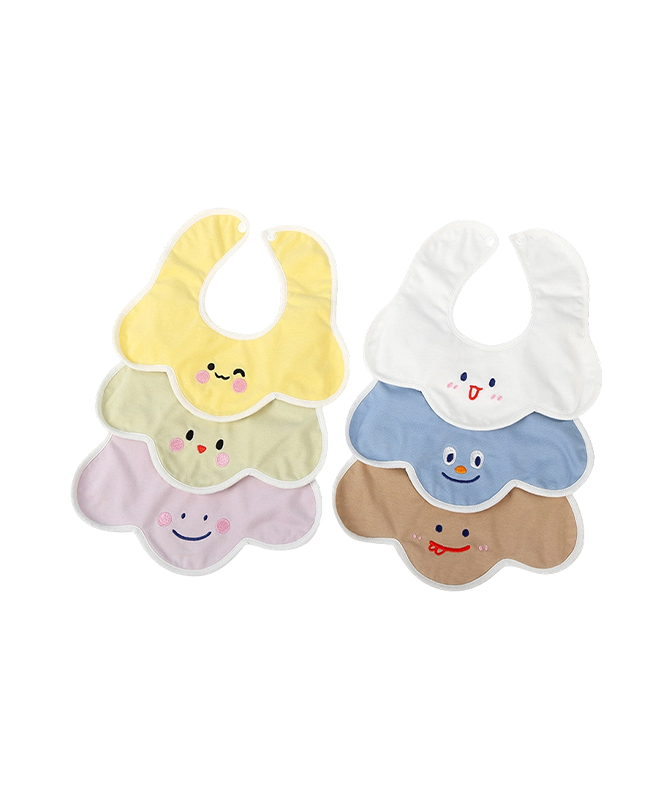
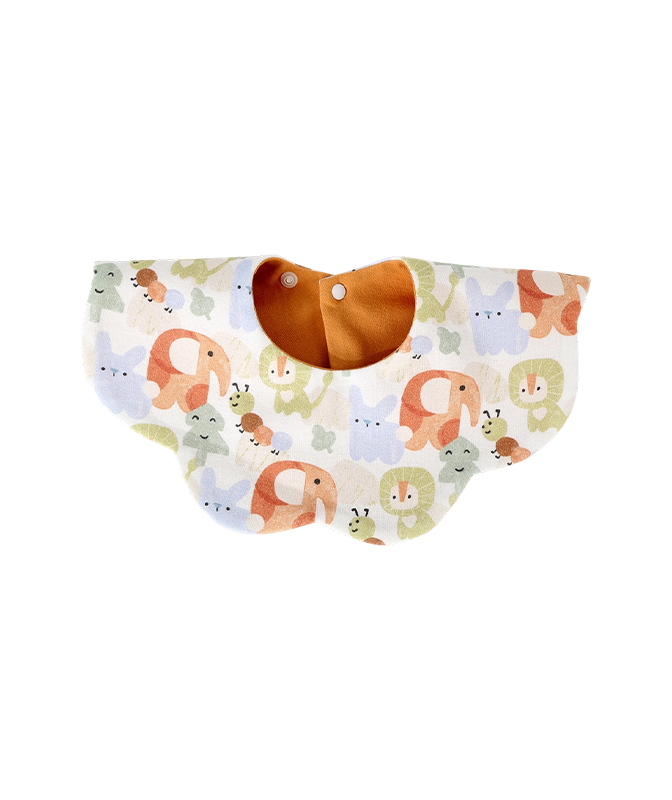
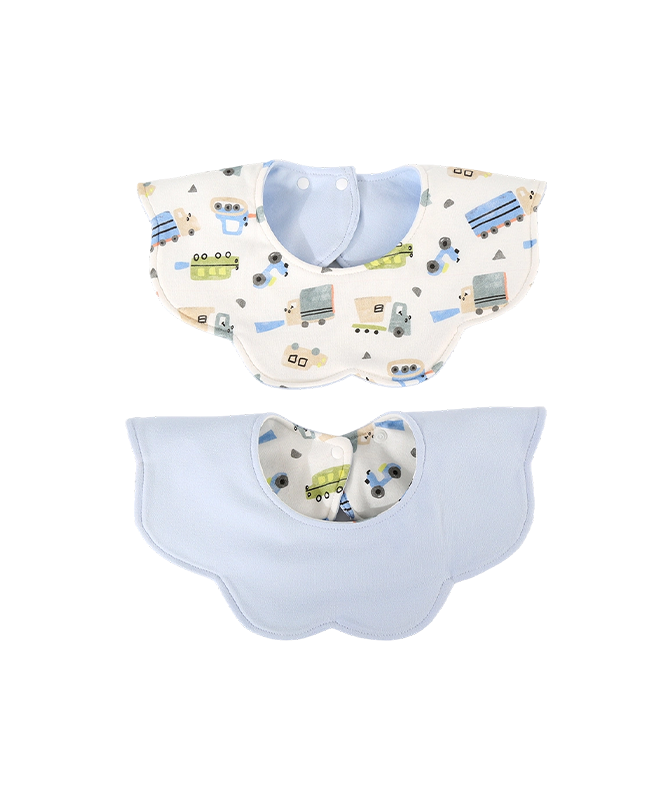
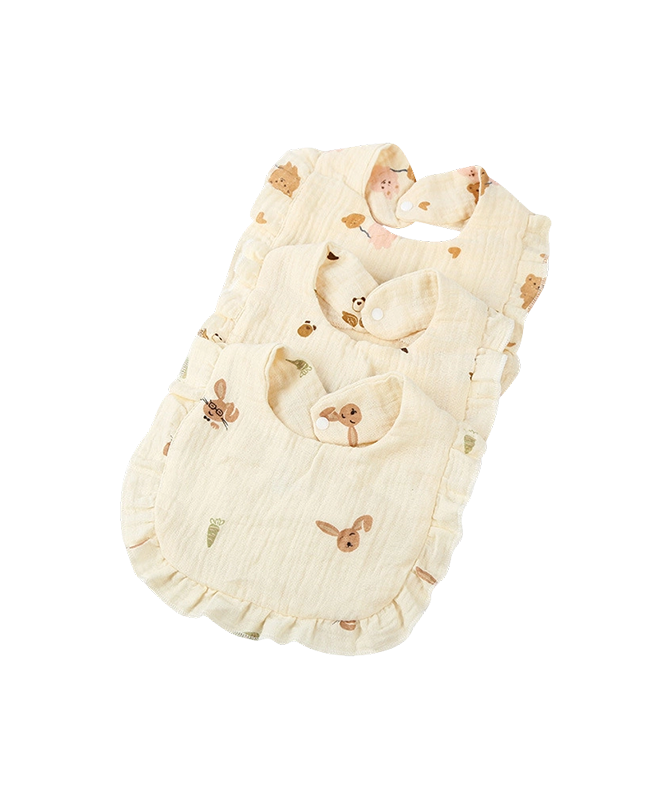
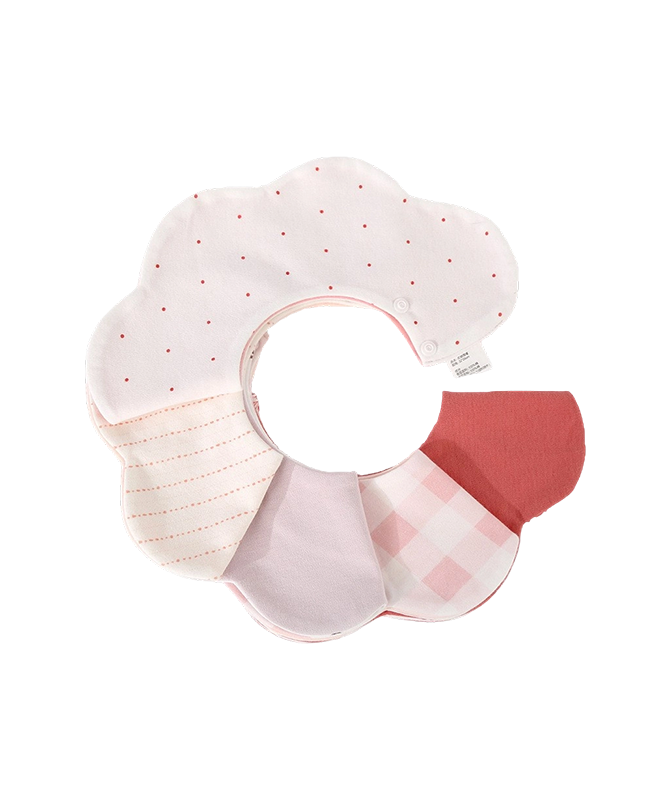
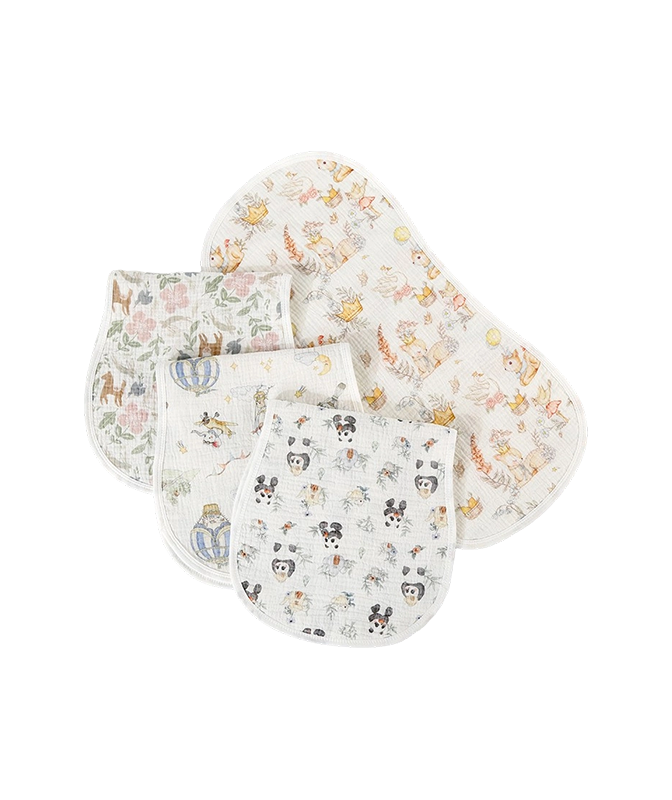
Caregivers, retailers, and healthcare providers continue to evaluate infant feeding accessories based on safety, comfort, and material transparency. OEM Organic Cotton Baby Bibs, Custom Breathable Baby Textile, and Muslin Baby Bibs Factory operations are receiving increasing attention as stakeholders seek clearer understanding of how infant textile products are designed, sourced, and manufactured. This shift is not driven by trends alone, but by practical concerns surrounding infant skin sensitivity, moisture management, durability, and environmental responsibility.
Infant bibs serve a functional role beyond protecting clothing. They help manage drooling during teething, reduce moisture accumulation on the skin, and support hygiene during feeding. Because these products remain in close contact with delicate skin for extended periods, material selection, production controls, and design structure directly affect safety and performance. Understanding how these factors interact allows buyers, distributors, and caregivers to make informed decisions when sourcing infant textile products.
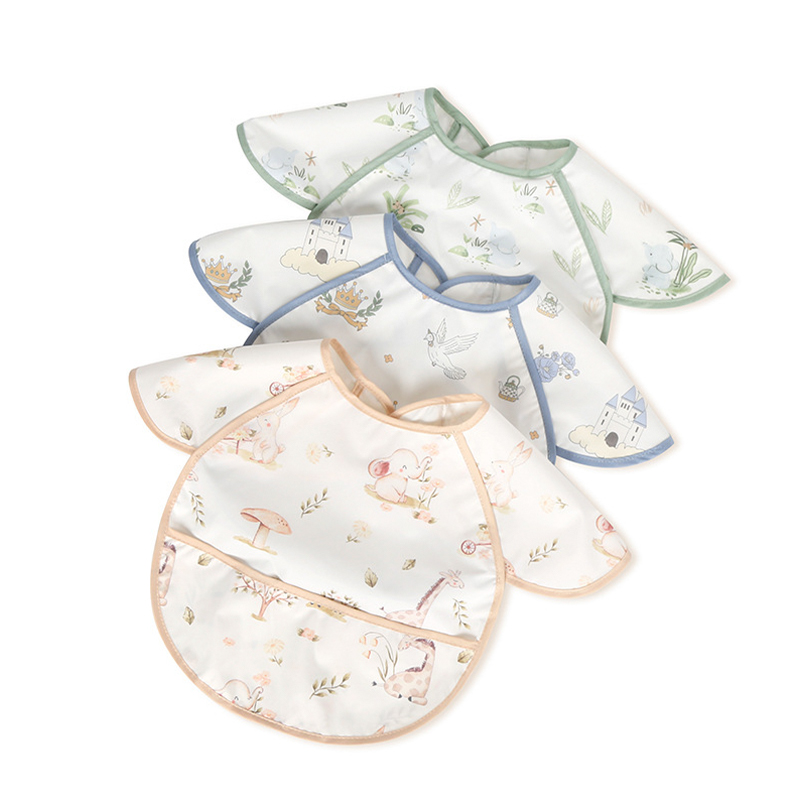
Why Organic Cotton Has Become a Preferred Material for Infant Bibs
Organic cotton has gained attention because it is cultivated using agricultural practices that avoid synthetic pesticides and fertilizers. This reduces the likelihood of chemical residues remaining in the fiber after processing. For infant textile products, this is especially relevant because babies have thinner skin barriers compared to adults, making them more vulnerable to irritation.
Beyond agricultural practices, processing methods also influence the safety of organic cotton bibs. After harvesting, cotton fibers undergo cleaning, spinning, weaving, dyeing, and finishing. Each stage must be carefully controlled to avoid introducing harmful substances. Water-based dyes and controlled finishing processes help reduce chemical exposure risks.
Organic cotton fibers also offer structural advantages. Their natural softness reduces friction against sensitive skin. Additionally, cotton fibers can absorb moisture effectively, helping keep the infant’s neck and chest dry during drooling or feeding.
For buyers evaluating suppliers, certification such as Global Organic Textile Standard (GOTS) provides verification that organic practices extend beyond farming into processing and manufacturing.
How Breathable Textile Design Supports Infant Comfort Throughout the Day
Breathability is a critical factor in infant bib performance. Breathable textiles allow air to circulate, reducing heat and moisture buildup. This helps prevent skin irritation and discomfort, especially in warm climates or indoor environments with limited ventilation.
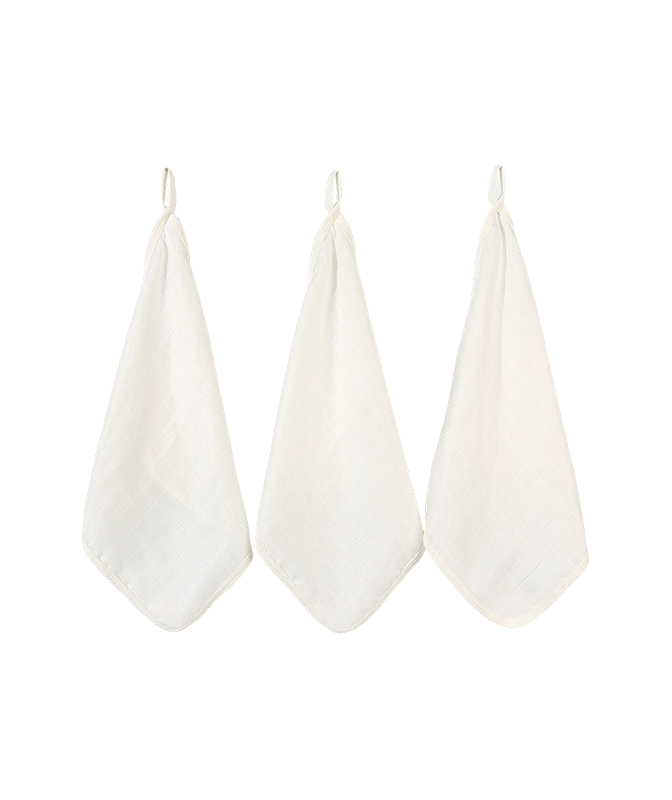
Muslin fabric, commonly used in infant bibs, is known for its open weave structure. This structure allows air to pass through the fabric more easily compared to tightly woven materials. At the same time, muslin maintains sufficient absorbency to capture saliva and liquid during feeding.
Multi-layer muslin constructions can enhance performance. The outer layer absorbs moisture, while inner layers distribute moisture across a wider area, accelerating evaporation. This helps keep the bib surface relatively dry and reduces prolonged contact with wet fabric.
Breathable textile designs also contribute to temperature regulation. Infants cannot regulate body temperature as efficiently as adults, so breathable fabrics help maintain comfort during extended wear.
Manufacturing Controls That Affect Product Consistency and Safety
Manufacturing environments directly influence textile product quality.
Material inspection begins when fibers or fabrics arrive at the production facility. Inspection teams check for fiber consistency, fabric strength, and visual defects. Approved materials move to cutting and sewing stages, where automated and manual processes shape the bib structure.
Stitching quality plays an important role in durability. Loose or uneven stitching may cause seams to weaken over time. Reinforced stitching techniques help maintain structural integrity after repeated washing.
Quality control procedures often include inspection at multiple stages. Intermediate inspections during sewing help identify issues early, while final inspections verify shape accuracy, stitching strength, and surface cleanliness.
Packaging environments also receive attention. Clean packaging areas reduce exposure to dust and airborne contaminants before products are sealed and prepared for shipment.
These manufacturing controls support consistent product quality across large production volumes.
Functional Design Features That Improve Bib Performance
The effectiveness of a baby bib depends on more than material selection. Structural design determines how well the bib performs during real-world use.
Absorbent layers help capture moisture quickly. Bibs with multiple fabric layers distribute liquid across a larger surface area, improving evaporation speed. This helps prevent moisture from soaking through to clothing.
Neck closure systems influence both comfort and adjustability. Snap closures provide secure fastening and allow size adjustment as the infant grows. Soft closures reduce pressure on the neck area.
Bib shape also affects coverage. Wider bib designs provide protection during feeding, while contoured shapes allow comfortable movement during daily wear.
Machine wash durability is another important design consideration. Bibs must withstand repeated washing cycles without losing shape or structural integrity.
Supply Chain Transparency and Its Role in Buyer Confidence
Global buyers often evaluate suppliers based on transparency in material sourcing and production practices. Transparent supply chains allow buyers to verify product origin, material composition, and manufacturing conditions.
Documentation such as material certifications, laboratory test reports, and inspection records provides evidence of compliance with safety requirements.
Production traceability systems help track materials from raw fiber to finished product. This ensures accountability at each stage of production.
Transparent communication between manufacturers and buyers helps prevent misunderstandings related to product specifications, delivery timelines, and customization requirements.
This level of transparency supports long-term business relationships and consistent product quality.
Environmental Responsibility in Infant Textile Manufacturing
Environmental considerations increasingly influence manufacturing decisions. Textile production involves water use, energy consumption, and waste generation, so manufacturers implement measures to reduce environmental impact.
Water recycling systems allow processing water to be treated and reused. This reduces total water consumption during dyeing and finishing.
Energy-efficient equipment reduces electricity usage during sewing and fabric processing. Production planning also improves energy efficiency by reducing idle machine time.
Fabric waste reduction programs repurpose offcuts into smaller textile products or recycled fiber materials.
Packaging materials are also evolving. Recyclable packaging options reduce waste during product distribution.
These environmental measures align with broader sustainability goals across the textile industry.
Customization Options Supporting Brand Differentiation
Customization plays a significant role in the infant textile market. Private label brands and distributors often request custom designs that align with their brand identity.
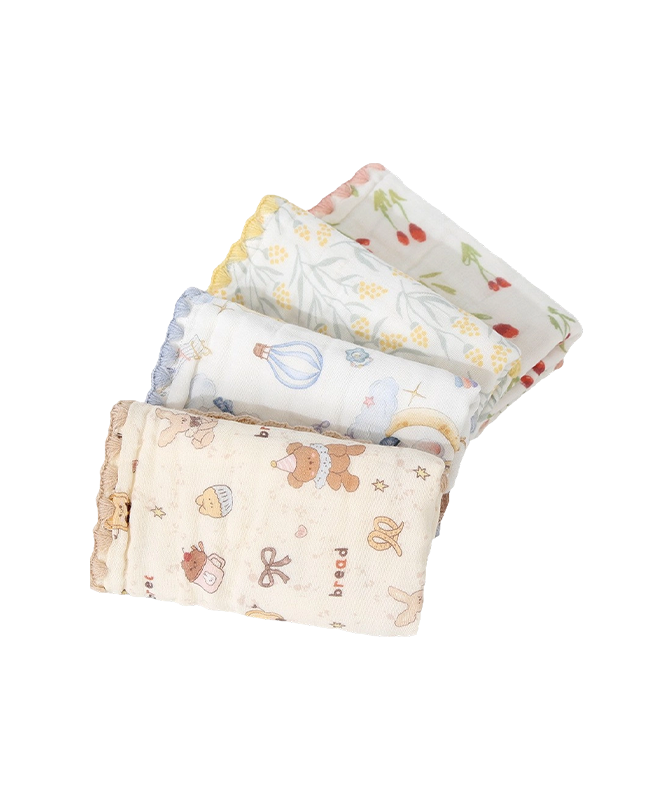
Customization options may include fabric color selection, printed patterns, embroidered logos, and packaging design.
Manufacturers may provide sample development services to allow buyers to evaluate product appearance and functionality before full production.
Custom sizing and shape variations can also be developed based on specific market needs.
Customization allows brands to offer distinctive products while maintaining consistent manufacturing standards.
Regulatory Compliance and International Safety Requirements
Infant textile products must comply with regulatory standards in importing countries. These standards focus on chemical safety, labeling accuracy, and product performance.
Testing laboratories analyze textile samples for restricted substances, including certain dyes and heavy metals.
Product labeling must accurately describe material composition and care instructions.
Manufacturers maintain documentation to demonstrate compliance with regulatory requirements.
Compliance helps ensure smooth customs clearance and supports consumer safety expectations.
Practical Considerations for Buyers Selecting Infant Textile Suppliers
Buyers evaluating suppliers often review material certifications, production capacity, quality control systems, and communication responsiveness.
Requesting product samples allows buyers to evaluate fabric softness, stitching quality, and absorbency performance.
Factory audits or virtual tours provide insight into manufacturing conditions.
Clear technical specifications help ensure that finished products meet buyer expectations.
These evaluation steps help buyers identify suppliers capable of supporting consistent production.
Industry Adaptation Reflects Changing Expectations in Infant Care
The infant textile sector continues to evolve as safety awareness, environmental responsibility, and functional performance shape product development. Manufacturers are refining material selection, improving manufacturing controls, and enhancing transparency throughout the supply chain.
These adjustments reflect practical needs across healthcare, retail, and home care environments. As infant care products remain essential items used daily, continued improvements in material safety, comfort, and manufacturing consistency support better outcomes for caregivers, distributors, and the infants who use these products.