English
 Español
 Deutsch
 عربى
عربى
Shifts in global infant care standards have brought renewed attention to China Baby Textile Products, especially as international buyers increasingly prioritize safety, traceability, and environmental responsibility. At the same time, the expanding sale of eco-friendly baby products is influencing purchasing patterns across retail, e-commerce, and healthcare channels. For every Baby Bibs Manufacturer operating within this environment, adapting to evolving regulations, material requirements, and consumer expectations has become part of daily operations rather than a future goal.
Parents, distributors, and procurement managers are asking practical questions: Which materials are safe for newborn skin? How do manufacturers verify environmental claims? What production processes ensure consistent hygiene? These questions are shaping the textile product sector and redefining how baby bibs and related items are designed, manufactured, and distributed.
Eco-Friendly Materials and Their Role in Infant Textile Safety
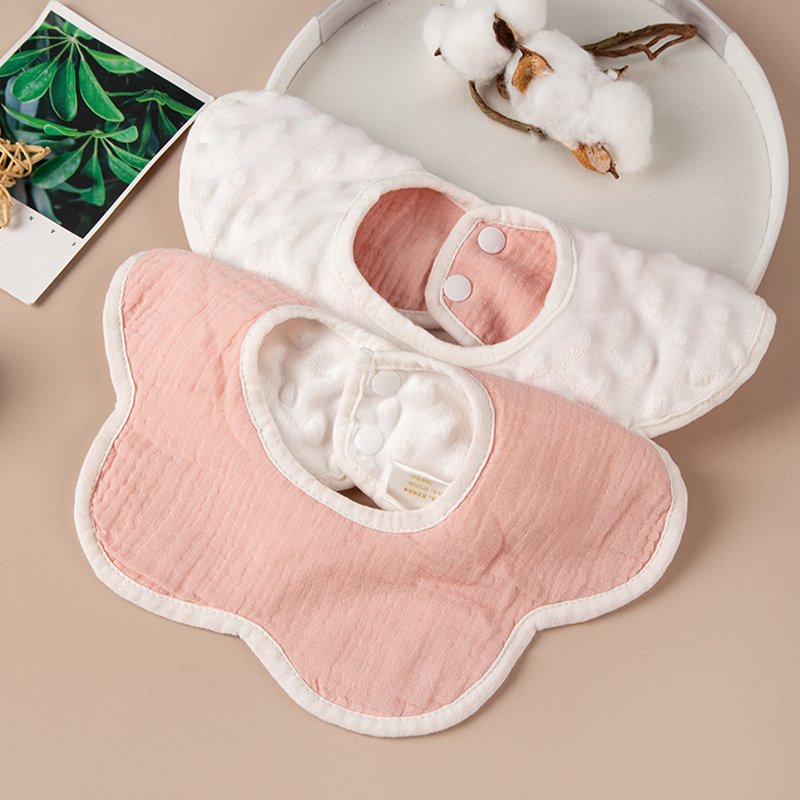
Material selection plays a central role in infant textile production because newborn skin is thinner and more sensitive than adult skin. Exposure to harsh chemicals, dyes, or synthetic fibers can contribute to irritation or allergic reactions. As a result, many manufacturers have expanded their use of natural and certified materials such as organic cotton, bamboo fiber, and recycled polyester blends.
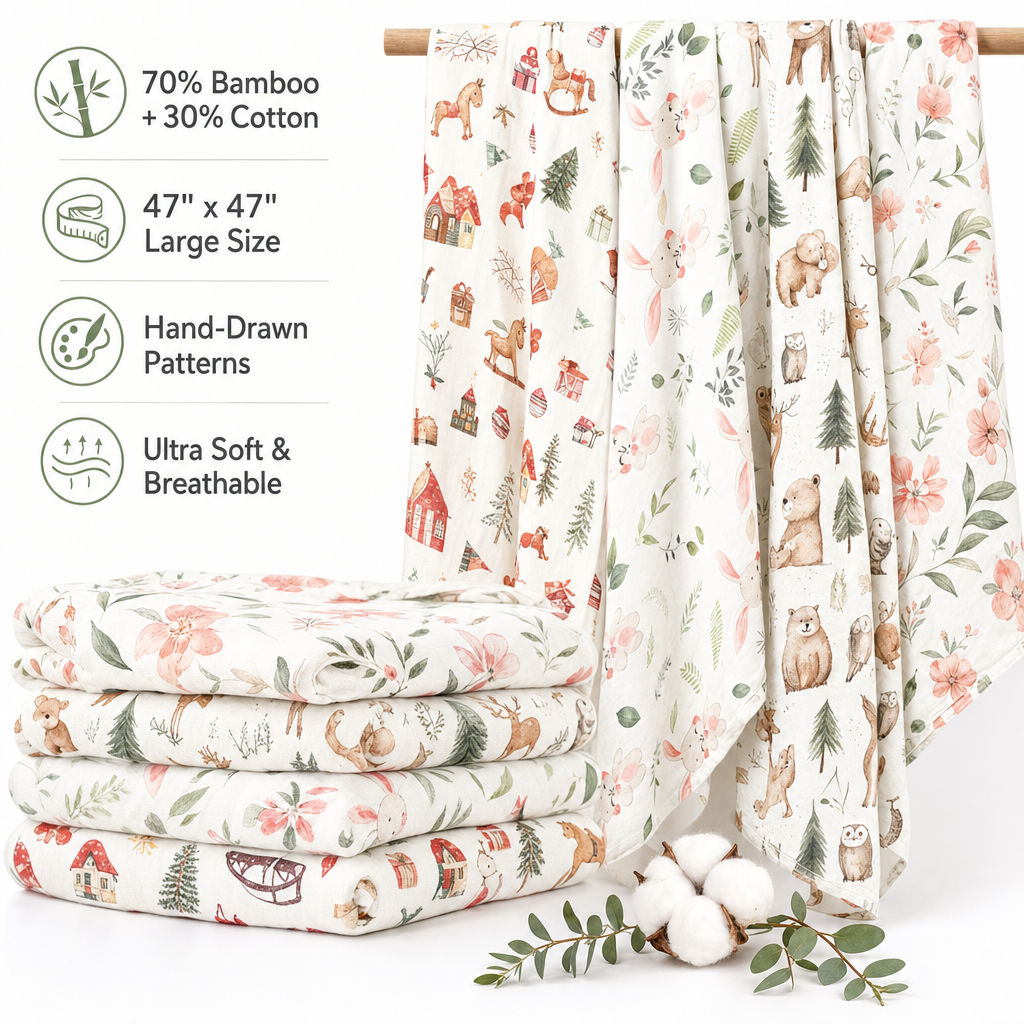
Organic cotton is frequently chosen because it is cultivated without synthetic pesticides or fertilizers. This reduces chemical residue in the finished textile. Bamboo fiber is valued for its softness and moisture absorption characteristics, which can help keep infants dry during feeding or teething. Some manufacturers also incorporate recycled fibers to reduce environmental impact while maintaining durability.
However, materials alone do not determine safety. Processing methods, including bleaching, dyeing, and finishing, also influence the final product. Water-based dyes and low-impact finishing treatments are increasingly adopted to reduce chemical exposure.
For buyers evaluating products, requesting documentation such as OEKO-TEX® Standard 100 or Global Organic Textile Standard (GOTS) certification helps verify that materials meet recognized safety thresholds.
Manufacturing Controls That Support Consistent Hygiene Standards
Manufacturing environments have a direct effect on product cleanliness and quality. Textile factories producing infant items often implement controlled workflows to reduce contamination risks. These include separated zones for raw materials, cutting, sewing, inspection, and packaging.
Quality control procedures commonly include:
- Incoming material inspection to detect defects or contamination
- In-process inspection during sewing and assembly
- Finished product inspection for stitching strength, shape consistency, and surface cleanliness
- Metal detection to prevent foreign objects from entering packaged goods
These operational practices help ensure that finished baby bibs meet hygiene expectations, especially when distributed through healthcare providers, retail stores, or direct-to-consumer channels.
Environmental Responsibility and Its Impact on Textile Supply Chains
Environmental considerations now extend beyond the product itself to include the entire supply chain. Buyers increasingly request transparency regarding water use, waste management, and emissions associated with textile manufacturing.
Water consumption is a significant concern because textile dyeing and finishing processes can require large volumes of water. To address this, some manufacturers invest in water recycling systems that treat and reuse process water. Others adopt low-liquor-ratio dyeing techniques to reduce total consumption.
Waste reduction also receives attention. Fabric offcuts may be repurposed into smaller textile items, cleaning cloths, or recycled fibers. Packaging materials such as recyclable polyethylene bags or paper-based packaging help reduce environmental impact during distribution.
Energy efficiency initiatives, including modern sewing equipment and optimized production scheduling, can reduce electricity usage and operating costs simultaneously.
These measures align with the broader market shift toward environmentally responsible manufacturing without compromising functional performance.
Functional Design Considerations That Improve Infant Comfort
Design decisions influence how effectively a baby bib performs its intended purpose. Parents and caregivers often evaluate features such as absorbency, fit, fastening mechanisms, and ease of cleaning.
Absorbency is essential because bibs are used during feeding and teething, when saliva and liquids are common. Multi-layer constructions combining absorbent inner layers with moisture-resistant backing help prevent liquid penetration onto clothing.
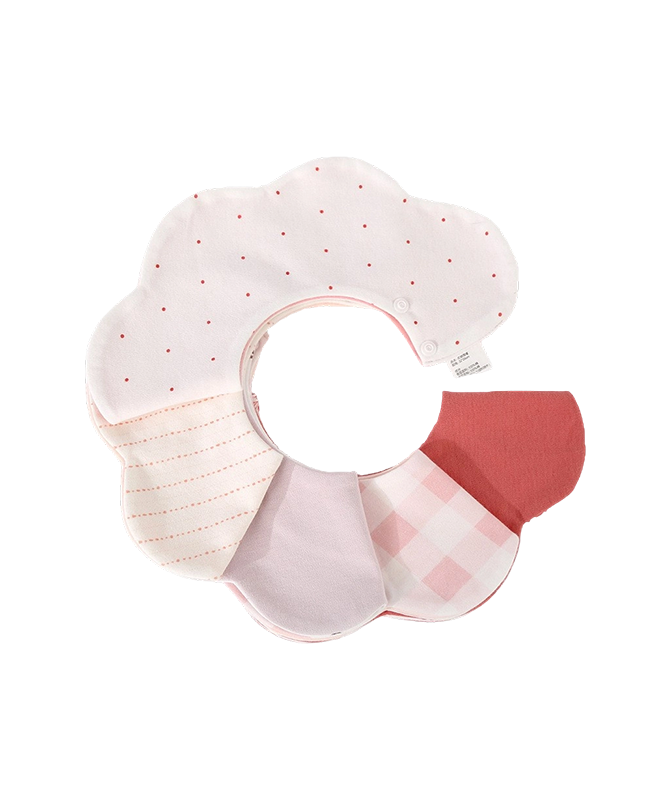
Neck closure design also affects usability. Adjustable snap closures or hook-and-loop fasteners allow the bib to accommodate infants at different growth stages. Smooth edges and soft stitching help reduce friction against the skin.
Shape and coverage vary depending on intended use. Feeding bibs may provide broader coverage across the chest, while drool bibs focus on comfort and continuous wear.
Machine washability is another practical requirement. Durable stitching and stable fabric structures allow bibs to withstand repeated washing cycles without losing shape or function.
Regulatory Compliance and International Trade Requirements
Infant textile products distributed internationally must comply with regulatory requirements established by importing countries. These regulations often focus on chemical content, labeling accuracy, and safety performance.
For example, textile products sold in North America and Europe may need to comply with chemical safety standards that restrict certain dyes, heavy metals, or harmful substances. Labeling requirements typically include fiber composition, care instructions, and country of origin.
Manufacturers and exporters must maintain documentation demonstrating compliance, including test reports from accredited laboratories.
Buyers working with overseas suppliers often request third-party inspection reports to confirm that products meet contractual and regulatory requirements before shipment.
Supply Chain Stability and Production Scalability
Supply chain reliability has become a major consideration for distributors and retailers. Textile manufacturing involves multiple stages, including raw material sourcing, fabric processing, cutting, sewing, inspection, and packaging.
Production capacity planning ensures that orders can be fulfilled within agreed timelines. Manufacturers may maintain safety stock of commonly used materials to reduce delays caused by supply disruptions.
Digital production management systems are increasingly used to track order progress, improve scheduling efficiency, and reduce errors.
This operational transparency benefits buyers who need predictable delivery timelines for retail launches or seasonal demand.
The Role of Eco-Friendly Products in Consumer Purchasing Decisions
Consumer awareness of environmental issues continues to influence purchasing behavior. Parents often consider environmental impact alongside safety and functionality when selecting infant products.
Eco-friendly textile products may incorporate certified organic materials, reduced-chemical processing methods, or recyclable packaging. While these features do not change the fundamental function of a bib, they reflect broader lifestyle choices made by environmentally conscious families.
Retailers and distributors respond to this demand by expanding product lines that emphasize environmental responsibility.
Clear labeling and certification help consumers understand product attributes and make informed purchasing decisions.
Customization and Product Differentiation in Competitive Markets
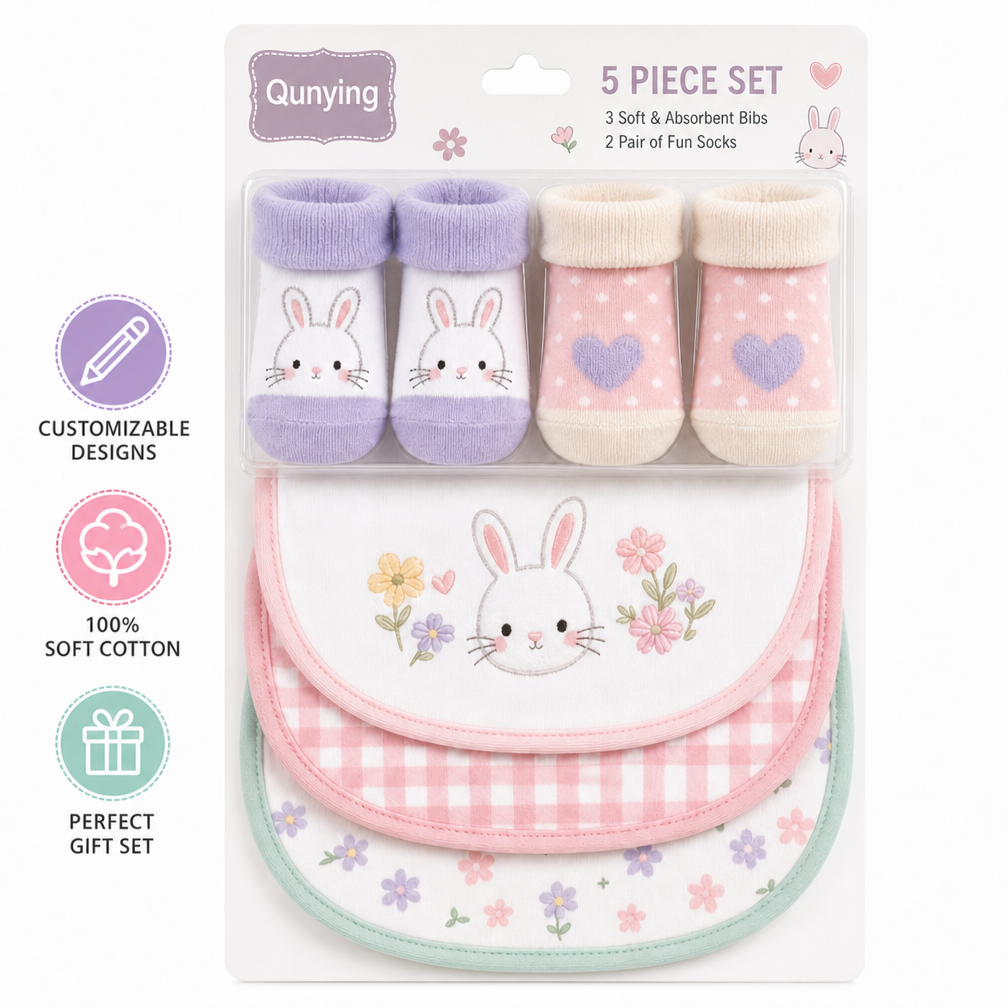
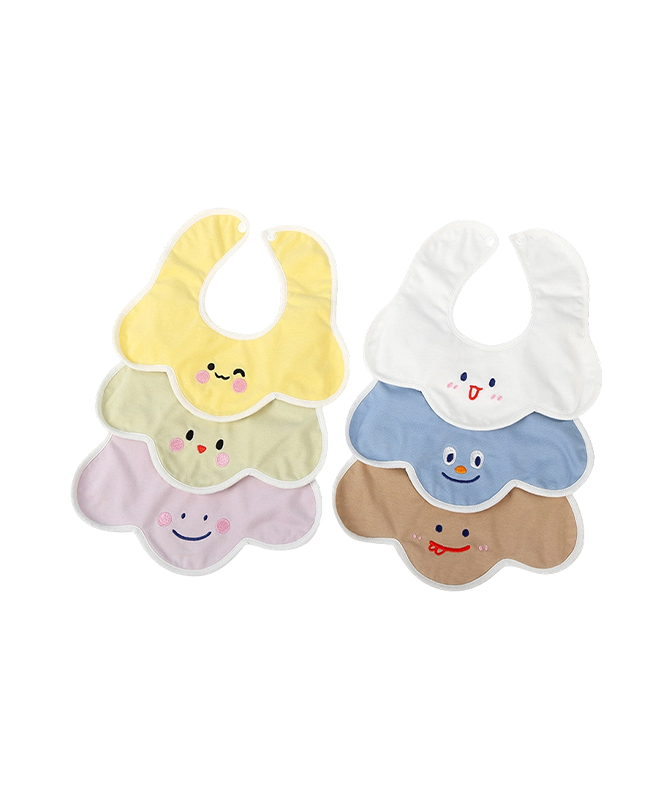
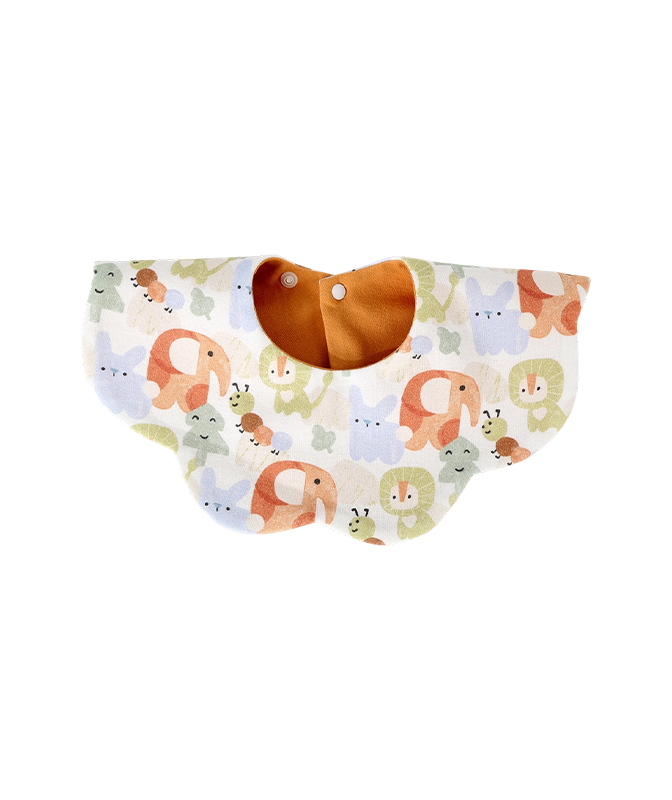
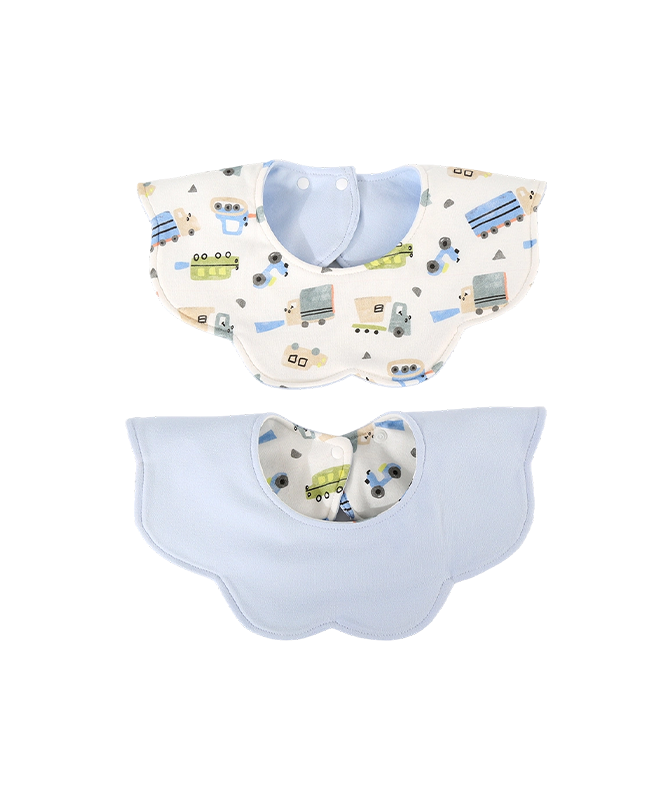
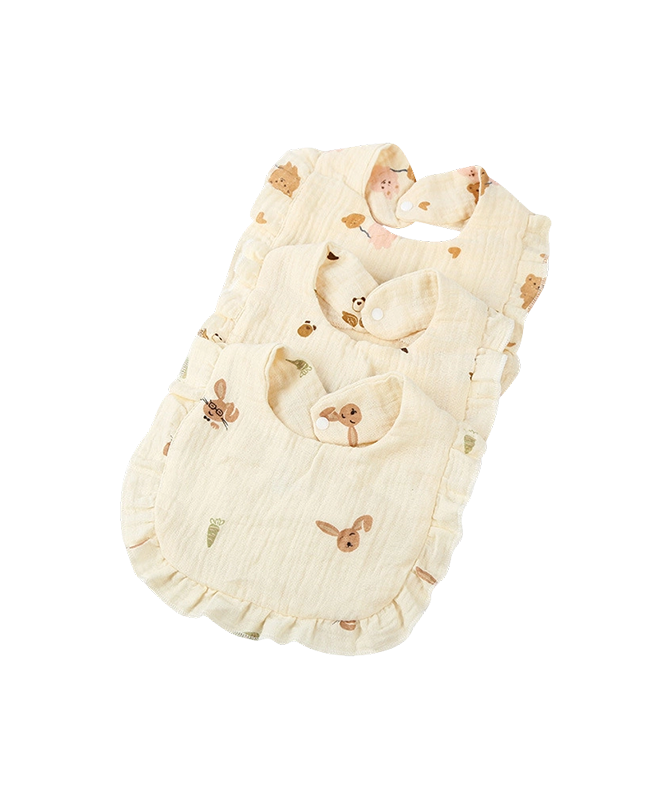
Customization has become a common request from distributors and private label brands. Manufacturers may offer options such as custom colors, printed patterns, embroidered logos, and specialized packaging.
These customization options allow brands to differentiate their products while using standardized manufacturing processes.
Design flexibility also supports regional preferences. For example, color palettes, patterns, and packaging formats may vary depending on local market expectations.
Manufacturers capable of managing customization while maintaining consistent quality are better positioned to support diverse customer requirements.
Practical Guidance for Buyers Evaluating Textile Product Suppliers
Buyers evaluating suppliers often consider several practical factors beyond product appearance.
Material certification provides evidence of safety and environmental compliance. Production capacity helps ensure timely delivery. Quality control procedures reduce the likelihood of defects or inconsistencies.
Communication responsiveness is also important. Clear technical specifications, sample approval processes, and documented production timelines help prevent misunderstandings.
Requesting product samples before placing large orders allows buyers to evaluate material quality, stitching, and functionality firsthand.
Factory audits or virtual facility tours can provide additional insight into manufacturing practices.
Market Outlook and Industry Adaptation to Changing Expectations
The infant textile sector continues to evolve as environmental awareness, regulatory requirements, and consumer expectations shape product development and manufacturing practices.
Manufacturers are integrating safer materials, refining production processes, and improving supply chain transparency. Buyers are placing greater emphasis on documentation, traceability, and environmental accountability.