When Should Baby Sweat Towels Be Used Daily?
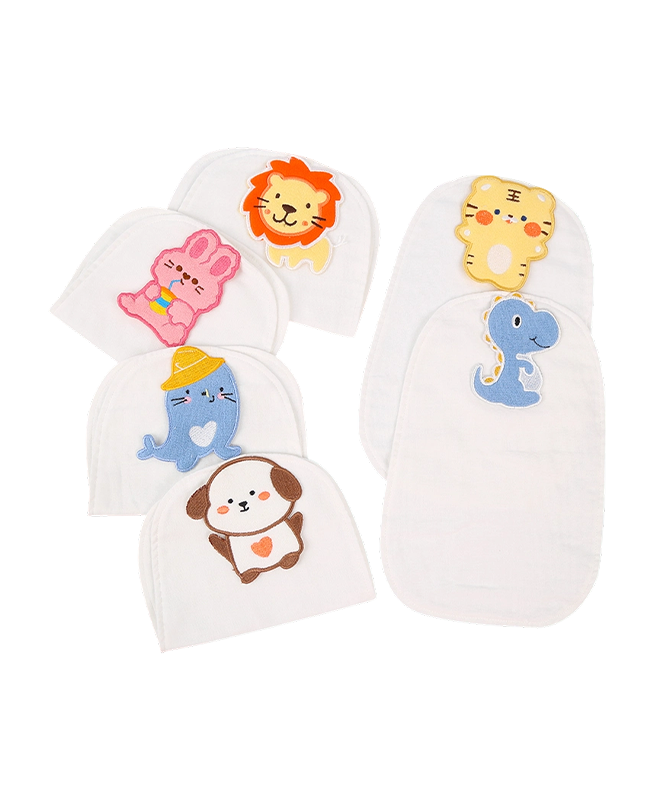
Baby sweat towels are designed specifically to manage perspiration, especially in infants who cannot regulate body temperature as efficiently as adults. Babies often sweat on their back, neck, and head during sleep, feeding, or being carried.
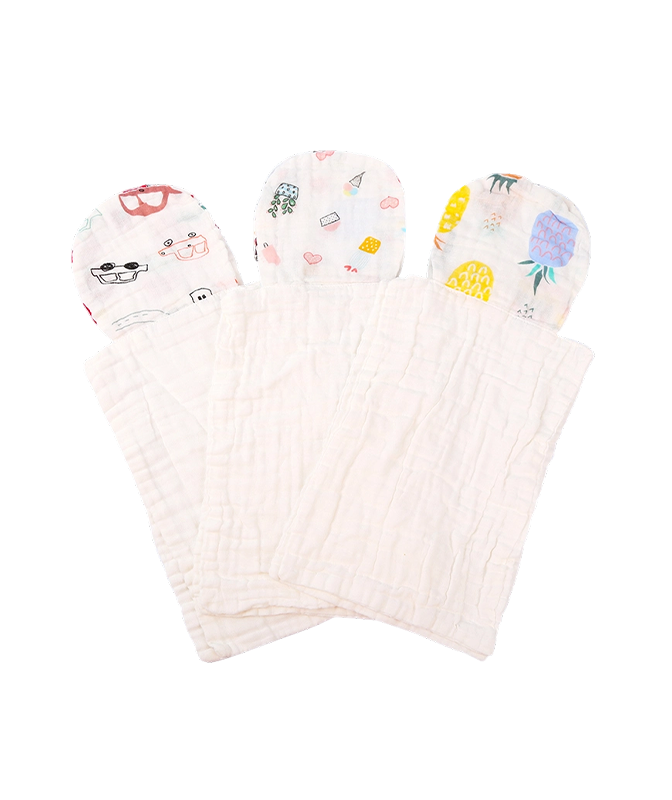
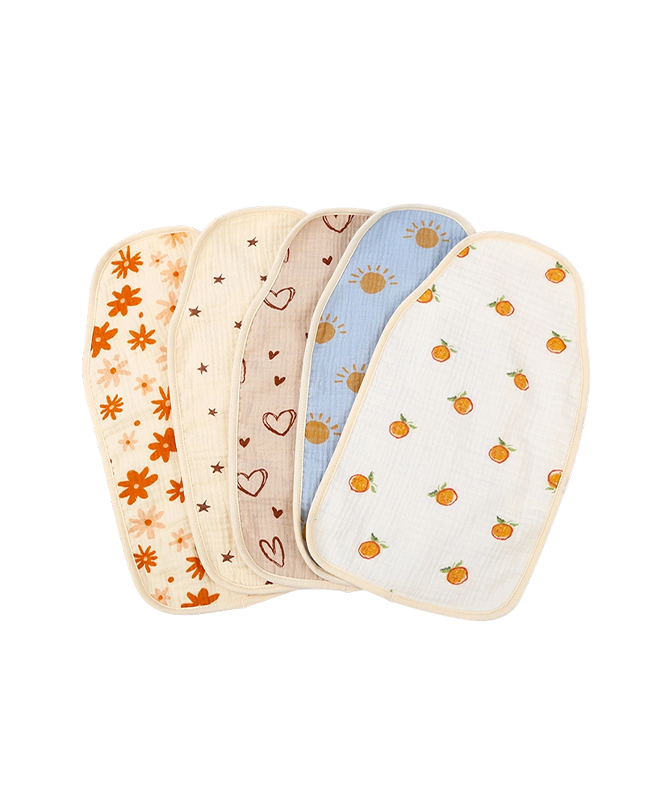
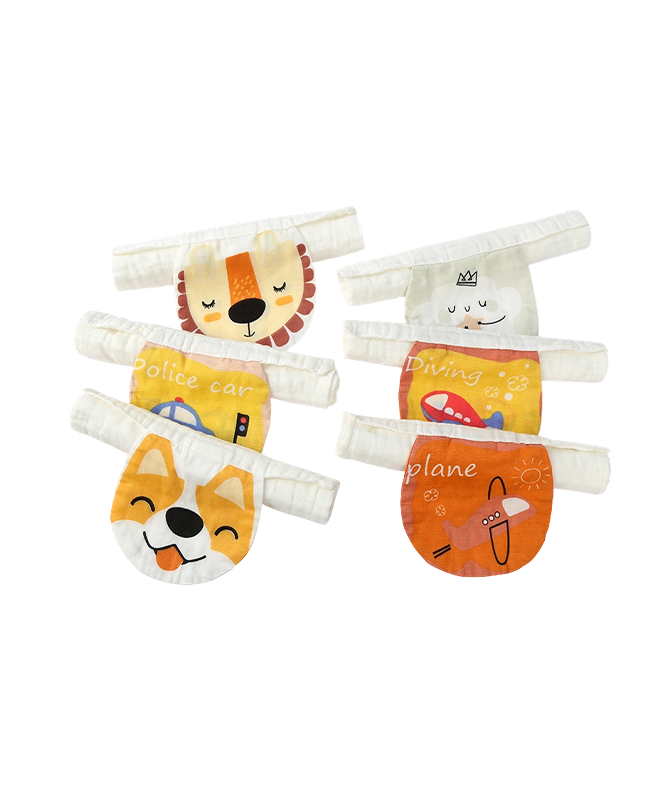
These towels are typically placed between the baby's back and clothing. Their main function is to absorb sweat quickly while keeping the baby's clothing dry. This helps reduce prolonged skin dampness, which can contribute to discomfort or skin irritation.
Baby sweat towels are commonly used in situations such as:
- Sleeping in warm indoor environments
- Outdoor walks in warm or humid weather
- Feeding sessions where body heat increases
- Use in baby carriers where airflow is limited
Their design is usually thin and flexible. This allows them to conform to the baby's body without creating pressure points. Many versions are shaped with curved or contoured edges to fit naturally along the back.
Material selection is important. Cotton is widely used because it offers softness and breathability. Some sweat towels use multi-layer gauze fabric, which increases airflow and allows faster moisture evaporation.
Caregivers can replace sweat towels easily without changing the entire outfit. This simplifies daily care, particularly when babies sweat frequently.
How Do Baby Towels Support Bathing Routines?
Baby towels are primarily designed for drying infants after bathing or washing. Their role involves removing surface moisture efficiently while maintaining skin comfort.
Unlike adult towels, baby towels use softer fibers and lighter construction. Infant skin has a thinner outer layer, making it more sensitive to friction. Soft textile construction helps reduce mechanical irritation during drying.
Many baby towels include features such as:
- Hooded corners to cover the baby's head
- Smooth fiber surfaces to reduce friction
- Medium thickness to balance absorption and drying speed
- Lightweight construction for easier handling
The hooded design serves both functional and thermal purposes. After bathing, babies lose heat quickly due to evaporation. Covering the head helps retain warmth, since significant heat loss can occur from the head area.
Baby towels are also used beyond bathing. Caregivers may use them for:
- Drying after swimming
- Wrapping babies during medical examinations
- Providing warmth during diaper changes
Cotton terry cloth is commonly used due to its loop structure. The loops increase surface area, allowing the towel to capture water efficiently. Organic cotton options are also available for caregivers concerned about chemical exposure during textile processing.
Proper drying technique is also important. Instead of rubbing, caregivers often pat the skin gently. This approach reduces friction and helps protect delicate skin.
What Makes Absorbent Baby Towels More Effective?
Absorbent baby towels are designed with enhanced liquid retention capability. Their structure and material composition allow them to handle larger volumes of liquid compared to standard baby towels.
This increased absorbency is achieved through several factors:
- Higher fiber density
- Specialized fiber blends
- Multi-layer construction
- Loop or pile fabric structures
Microfiber is sometimes used in absorbent towels due to its fine fiber diameter. These fibers create more contact points for water absorption. Bamboo fiber is another material option. It has natural moisture absorption properties and provides a soft texture.
Absorbent baby towels are particularly useful in situations such as:
Drying babies with thick hair
- Managing heavy perspiration in warm climates
- Cleaning after spills or feeding accidents
- Supporting post-bath drying in cooler environments
The towel's ability to absorb quickly helps reduce evaporation time. This supports faster drying and reduces the risk of chilling.
Absorbent towels may also be used as protective layers during diaper-free time or during medical monitoring.
Durability is another consideration. Towels with reinforced stitching and stable fiber structure maintain performance over repeated washing cycles.
Where Do Material Choices Affect Performance Outcomes?
Material selection directly affects comfort, absorption efficiency, and product lifespan. Several textile types are commonly used in infant towels.
Cotton remains widely used due to its softness, breathability, and compatibility with sensitive skin. Its natural fiber structure allows moisture absorption while maintaining airflow.
Bamboo fiber is valued for its softness and moisture handling properties. It also provides temperature-regulating characteristics, which help maintain comfort.
Microfiber offers high absorption efficiency and fast drying time. However, it may feel different from natural fibers, so caregivers often select based on preference.
Gauze fabric is another common option for sweat towels. Its loose weave structure increases airflow, allowing faster moisture evaporation.
Fabric thickness also affects performance. Thicker fabrics generally absorb more liquid but may take longer to dry after washing. Thinner fabrics dry faster and may be more suitable for frequent daily use.


 English
 Español
 Deutsch
 عربى
عربى