How Does Breathable Baby Sleep Sack Improve Safety
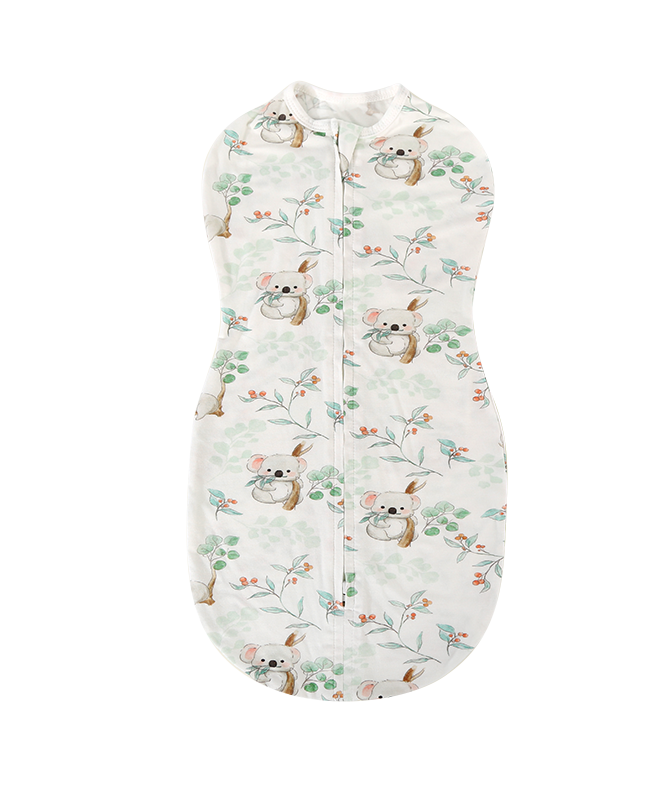
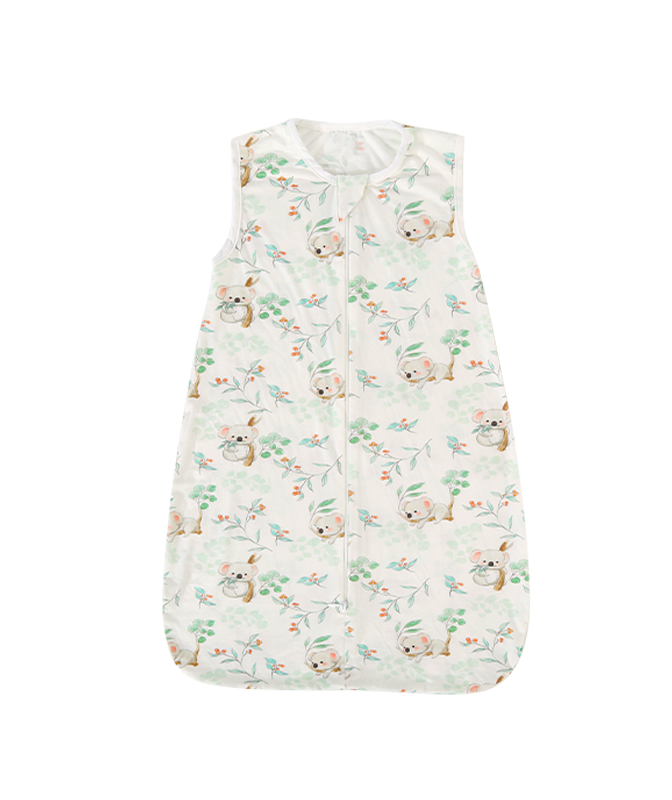
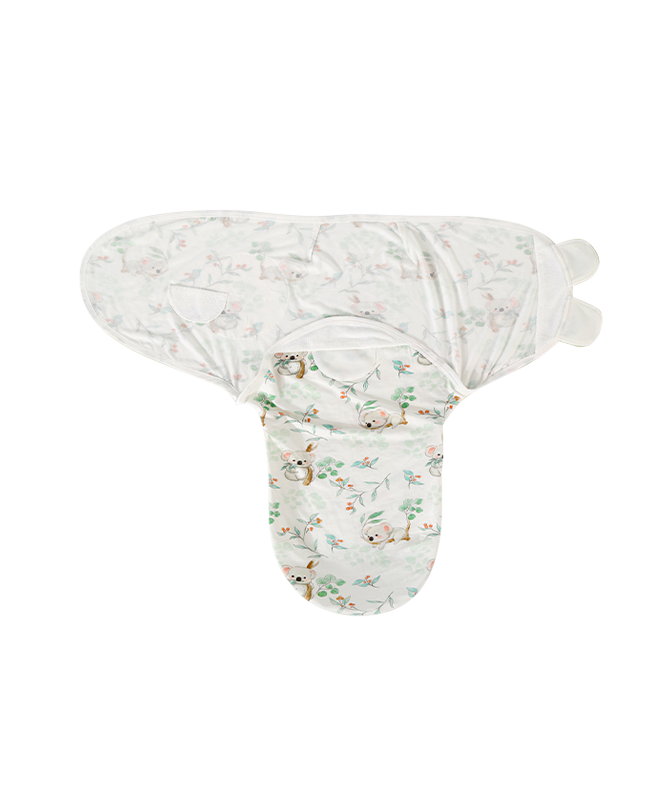
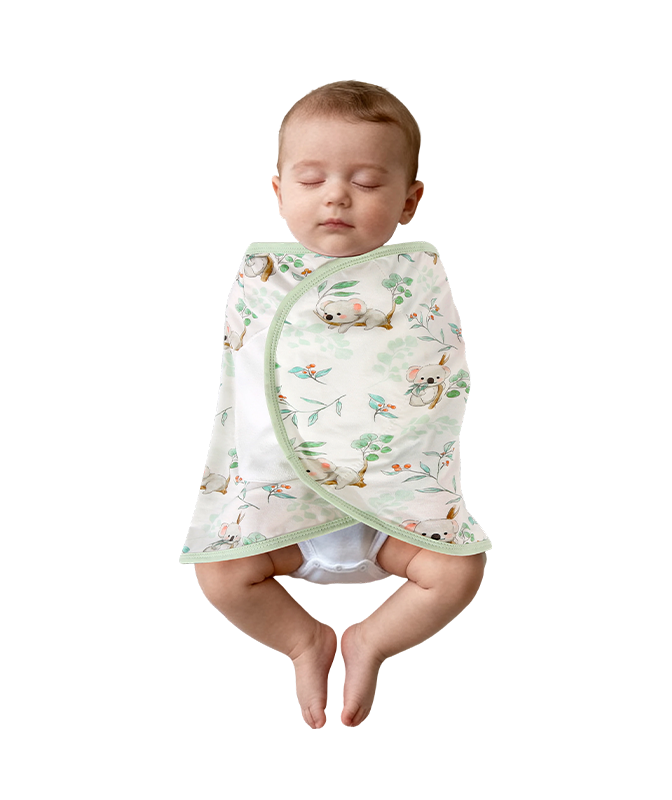
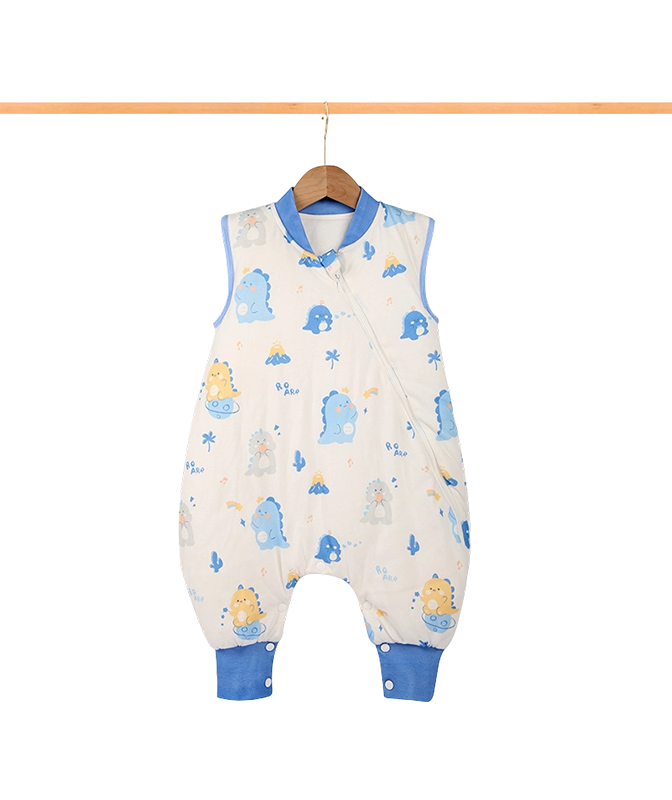
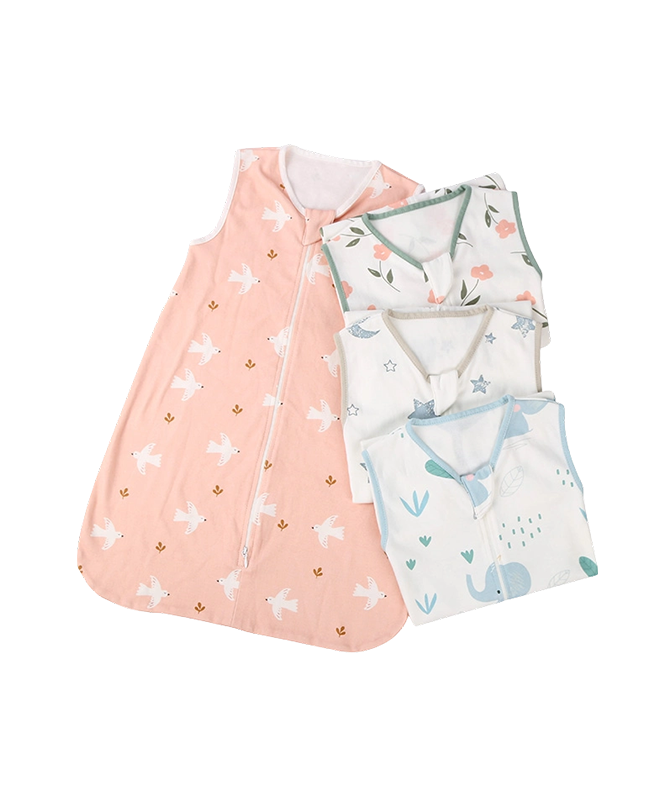
A breathable baby sleep sack is a wearable blanket designed to cover the infant’s body while leaving the head uncovered. Its primary function is to maintain consistent warmth without introducing loose bedding into the sleep environment.
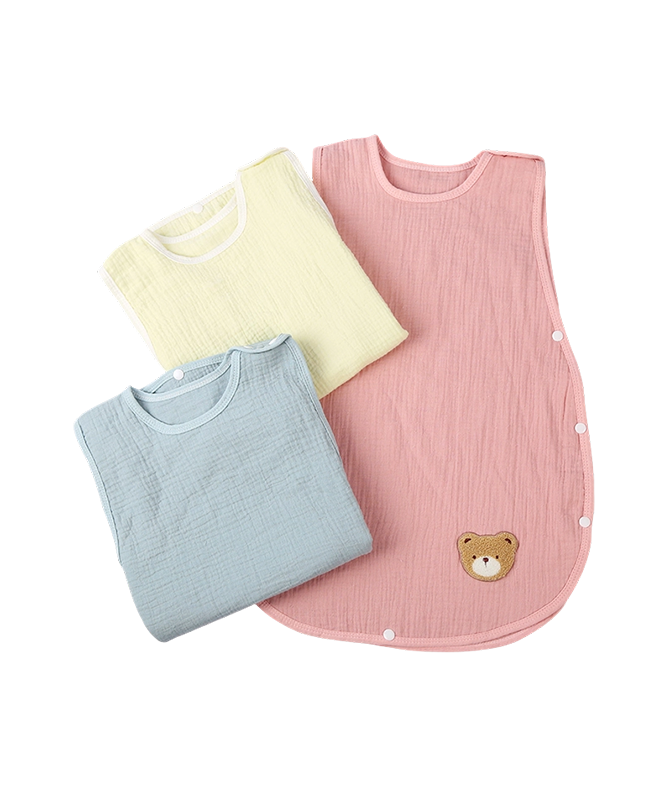
The breathable aspect comes from fabric selection and construction. Materials such as cotton, muslin, and bamboo blends allow air circulation through the textile. This airflow helps regulate body temperature and reduces heat buildup, which can occur when airflow is restricted.
Sleep sacks also help maintain proper sleep positioning. Unlike loose blankets, which can shift or bunch, a wearable design stays in place throughout sleep. This reduces the likelihood of fabric covering the baby’s face.
Key structural features include:
- Arm openings to allow natural upper body movement
- Enclosed lower section for leg coverage
- Zipper closures for secure fastening
- Sleeveless or short-sleeve designs for ventilation
Temperature regulation is one of the main benefits. Infants do not adjust their coverings during sleep, so maintaining stable insulation helps prevent overheating or excessive cooling.
Sleep sacks are commonly used in controlled indoor environments where room temperature remains relatively stable. Breathable versions are particularly suitable in warmer climates or heated indoor spaces.
Why Are Baby Sleeping Bags Used Overnight?
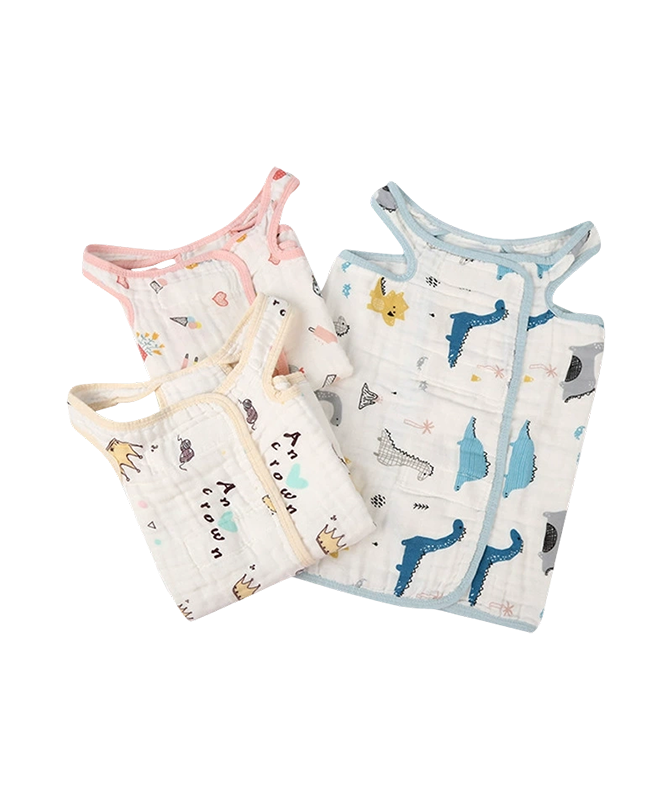
Baby sleeping bags serve a similar purpose but may vary in thickness and insulation depending on seasonal use. These products provide warmth while maintaining freedom of movement within a controlled range.
Unlike traditional blankets, sleeping bags remain attached to the infant’s body. This helps maintain consistent thermal coverage throughout sleep cycles.
Baby sleeping bags are categorized based on insulation levels, often measured using thermal resistance ratings. Lightweight versions are used in warmer environments, while insulated versions are used in cooler temperatures.
The enclosed design helps maintain warmth around the legs and torso. At the same time, arm openings allow upper body mobility, supporting natural sleep movement.
Sleeping bags also help simplify nighttime care. Caregivers do not need to reposition blankets repeatedly. This reduces sleep disruption for both caregivers and infants.
These products are commonly used in:
- Nighttime sleep routines
- Naps in cribs or bassinets
- Travel situations where temperature conditions vary
- Daycare environments with standardized sleep practices
Material selection affects both comfort and performance. Cotton is widely used for breathability and softness, while layered fabrics provide additional insulation when needed.
When Do Baby Sleeping Bags Crawling Suits Help?
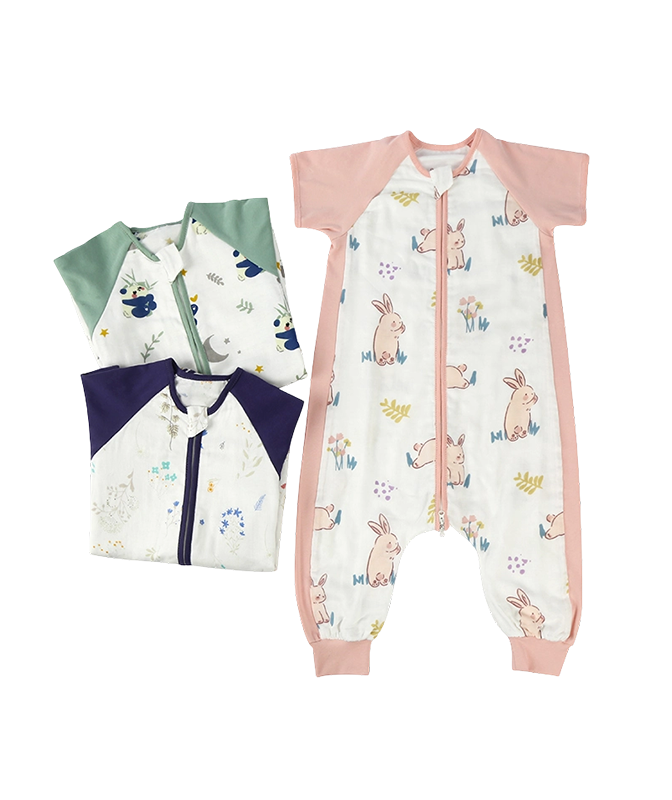
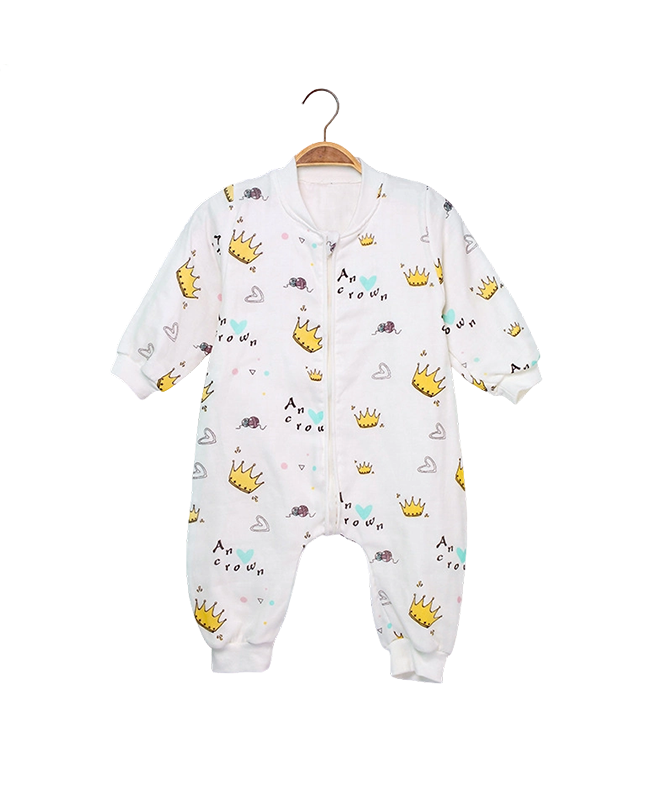
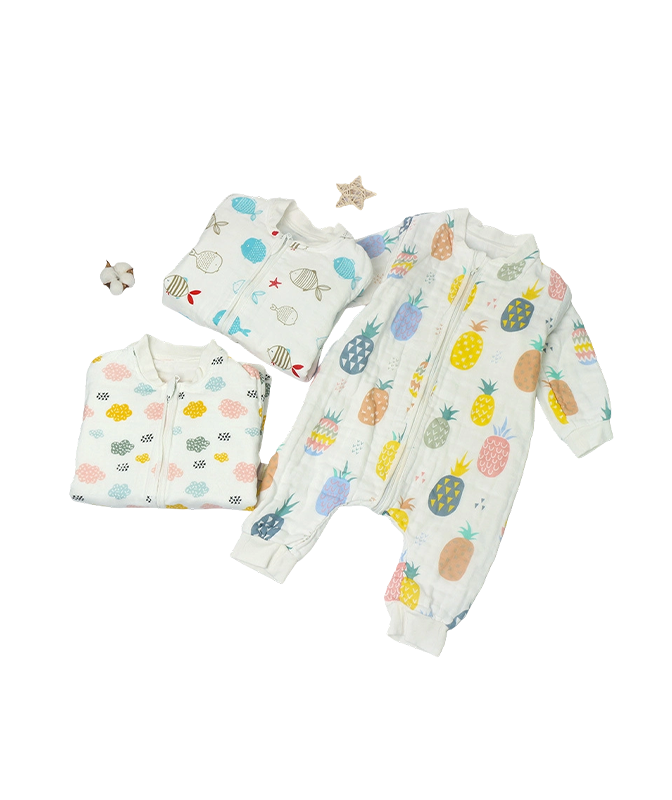
Baby sleeping bags/crawling suits are designed for infants who have begun moving actively, such as crawling or standing. These products combine warmth with mobility, allowing infants to move safely while remaining covered.
Unlike traditional sleeping bags, crawling suits include separated leg sections. This allows independent leg movement while maintaining thermal protection.
This design supports developmental milestones. Infants learning to crawl or stand require freedom of movement while still benefiting from temperature regulation.
Common features include:
- Leg openings for unrestricted movement
- Flexible fabric to support joint motion
- Front or side zipper closures
- Footed or footless options
Crawling suits are often used during cooler seasons or in environments where floor surfaces may feel cold.
They also help maintain warmth during early morning or evening routines when infants transition between sleep and active play.
These suits may serve both as sleepwear and as transitional clothing before daytime dressing.
How Do Materials Affect Comfort And Breathability?
Material choice directly affects breathability, insulation, and skin comfort. Cotton remains one of the commonly used fabrics because it allows airflow and provides softness.
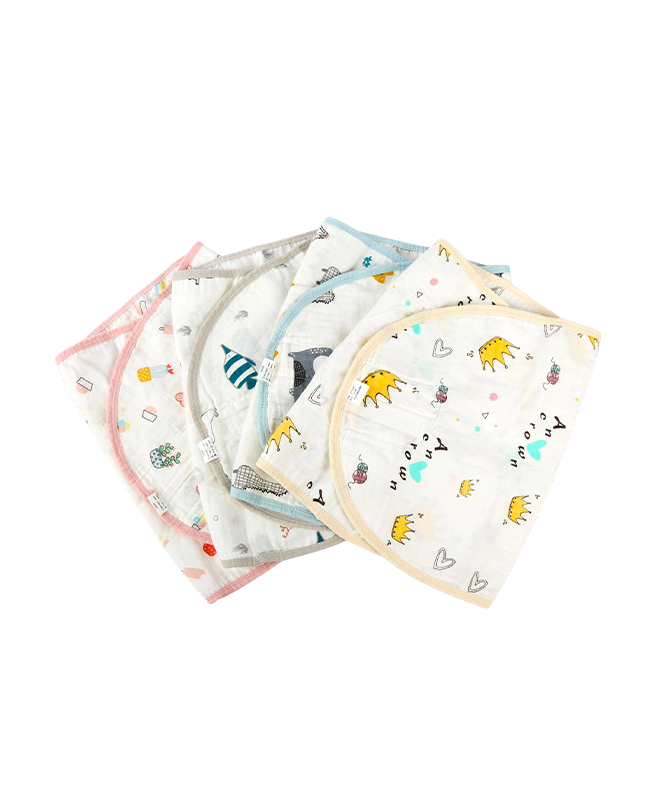
Muslin fabric is valued for its open weave structure. This allows air to circulate more easily, supporting temperature regulation.
Bamboo fiber blends offer moisture absorption and temperature moderation properties. These fabrics help manage perspiration during sleep.
Polyester blends may be used in outer layers to improve durability, while inner layers maintain softness.
Fabric thickness also affects performance. Lightweight fabrics support airflow, while thicker fabrics increase insulation.
Caregivers often select materials based on room temperature, seasonal conditions, and infant sensitivity.


 English
 Español
 Deutsch
 عربى
عربى