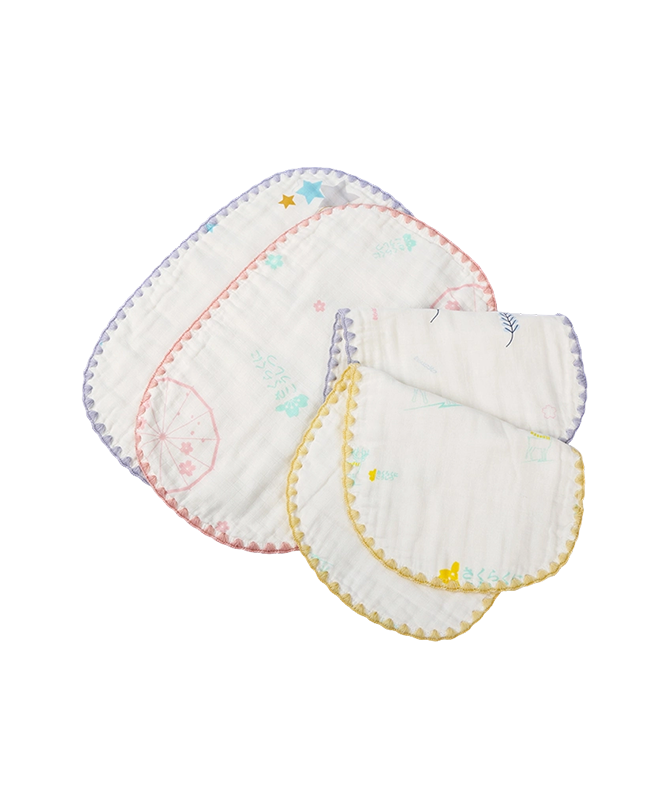
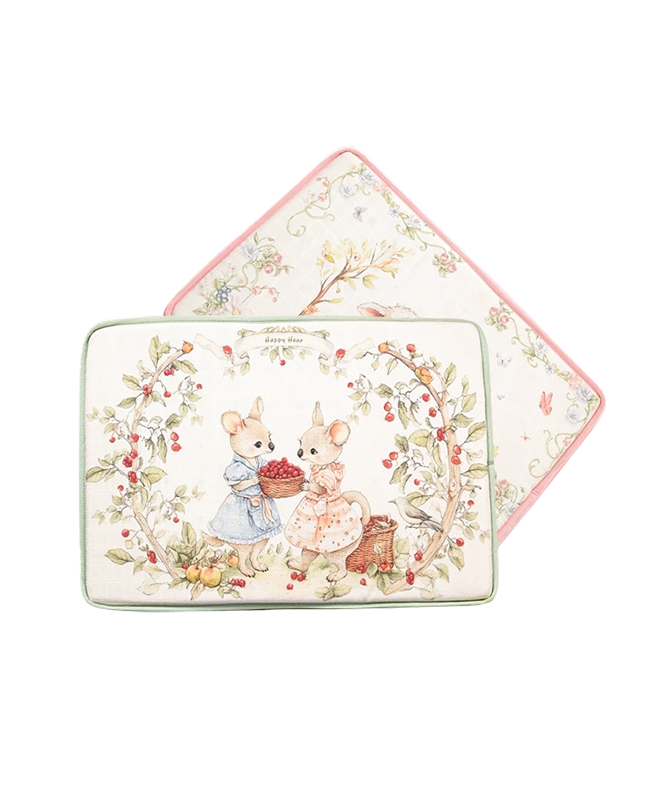
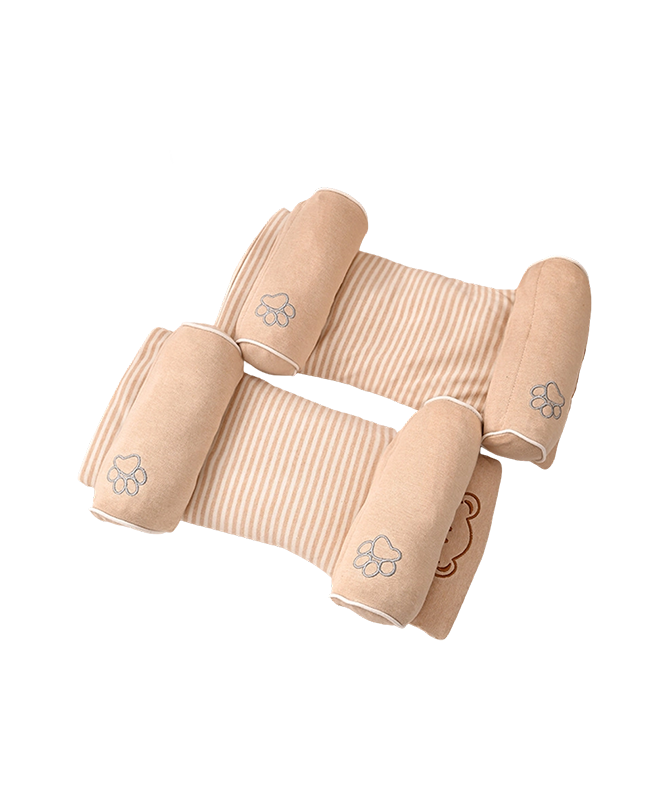
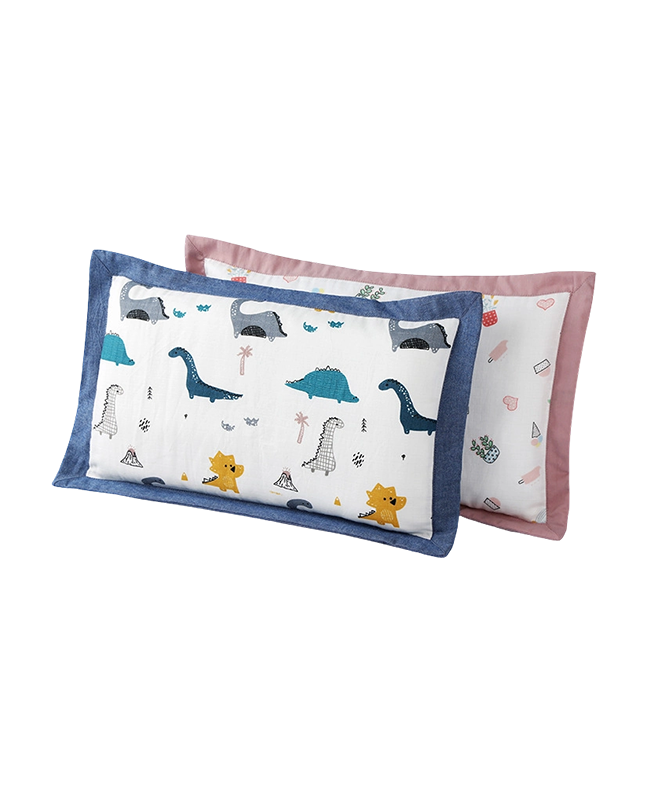
How Do Infant Head Support Pillows Work?
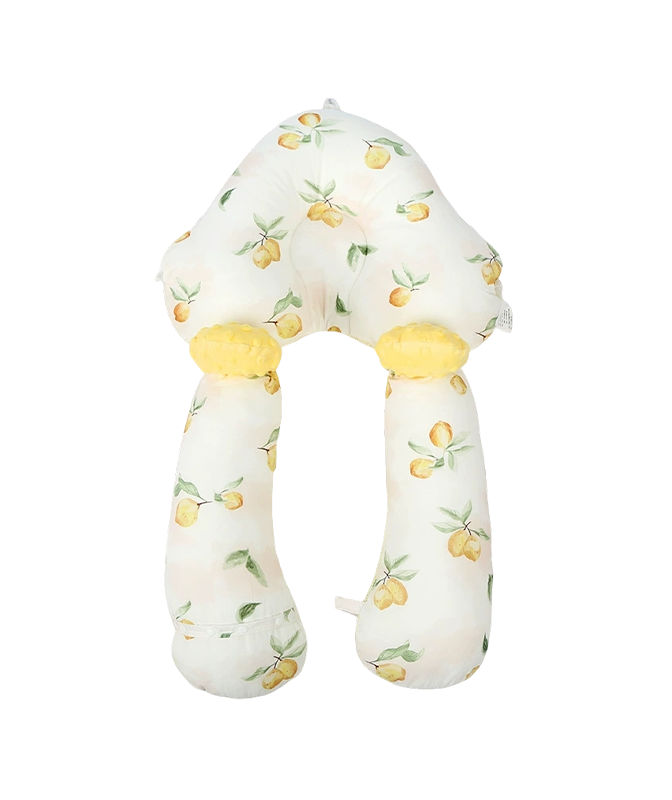
Infant Head Support Pillows are designed to stabilize a baby's head and neck during short-term, supervised use—particularly in strollers, car seats, swings, or bouncers. Newborns and young infants have limited neck muscle control, which can cause the head to tilt sideways when seated upright.
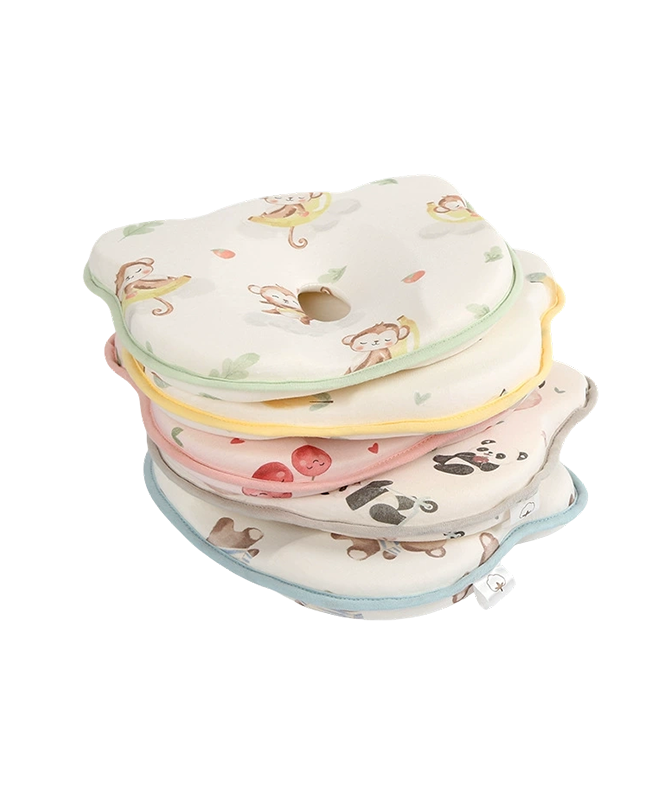
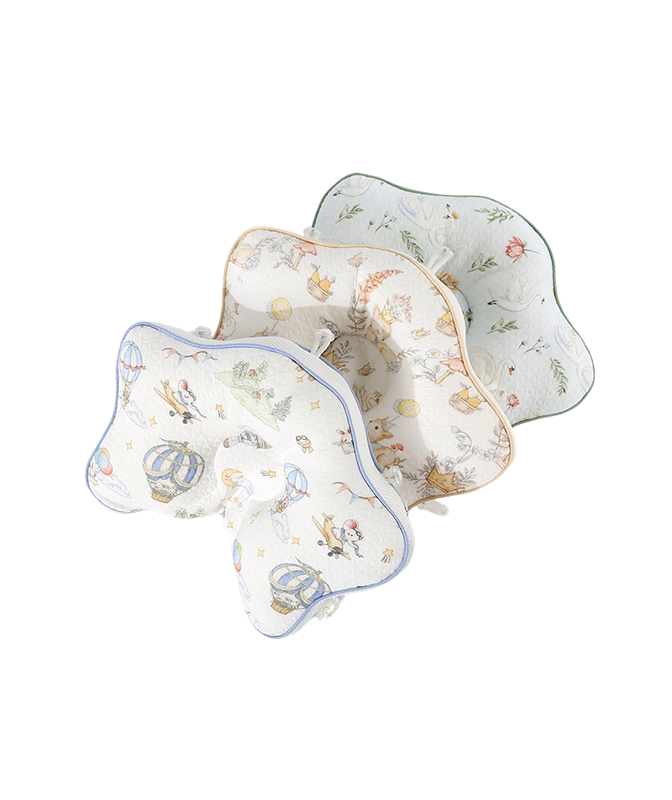
These pillows typically feature a contoured or U-shaped design. The structure gently surrounds the head without lifting it forward. This helps reduce lateral movement and supports alignment between the head and spine.
Key design elements include:
- Side cushioning to prevent head tilt
- A central hollow or flat section for even pressure distribution
- Soft, breathable outer fabric
- Lightweight filling materials
The goal is not to elevate the head but to reduce instability during transport. Materials often include polyester fiberfill or memory foam alternatives that maintain shape without excessive firmness.
It is important to clarify usage context. Infant Head Support Pillows are generally intended for supervised, awake periods or during transportation when properly installed within car seat guidelines. They are not typically recommended for unsupervised crib sleep due to safe sleep practices that emphasize flat, firm surfaces without additional padding.
Caregivers should ensure that any head support accessory does not interfere with car seat harness positioning. Proper installation maintains safety compliance.
What Makes Baby Pillows Structurally Different?
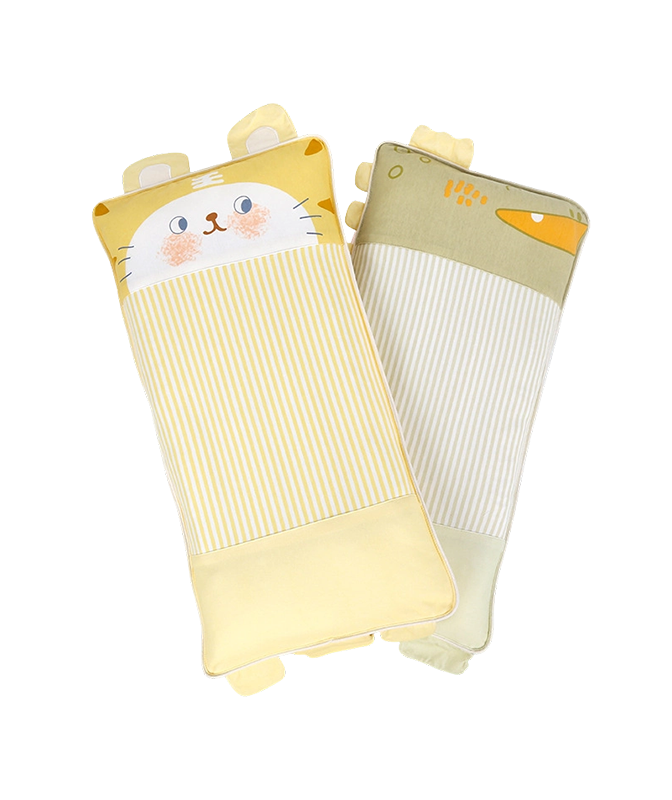
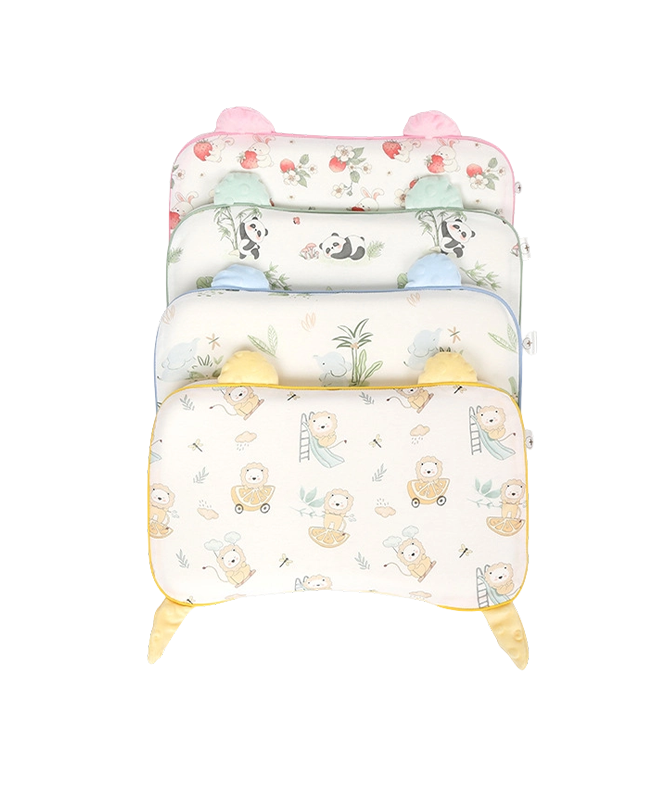
Baby Pillows differ from adult pillows in both height and firmness. Standard adult pillows are too thick and soft for infants, potentially affecting spinal alignment. Baby-specific designs are flatter and use controlled-density filling.
Their main purpose is comfort support during supervised rest, tummy time breaks, or decorative nursery use. In some cultures, baby pillows are used for short daytime naps under supervision.
Structurally, baby pillows often include:
- Thin profiles to reduce neck flexion
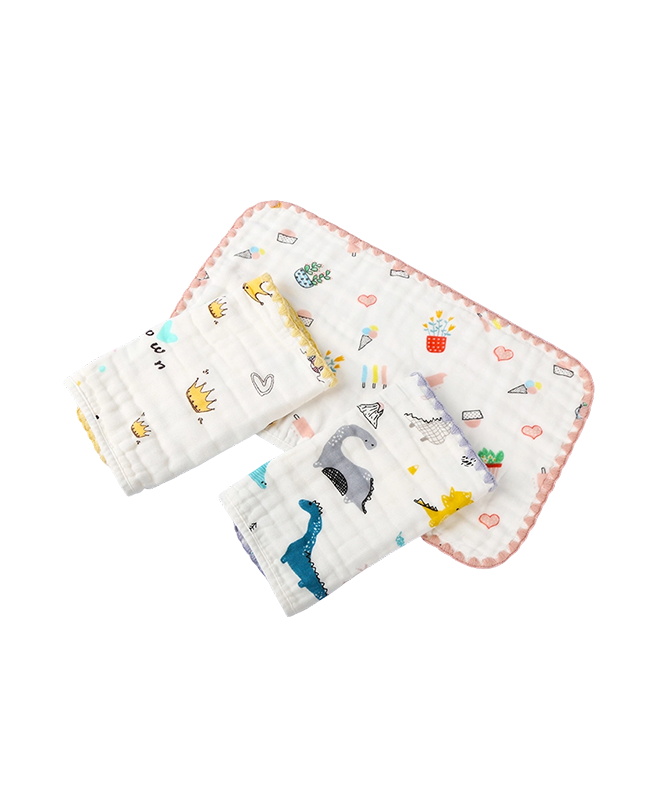
- Soft cotton or blended covers
- Hypoallergenic filling materials
- Washable outer cases
Some versions incorporate a shallow indentation in the center to distribute pressure more evenly across the skull. However, caregivers should understand that not all baby pillows are designed for overnight sleep.
Pediatric sleep guidelines in many regions recommend firm, flat surfaces without loose bedding for infants under one year of age. Therefore, baby pillows are often used outside of crib sleep environments.
Maintenance is also an important factor. Baby Pillows should be washable to maintain hygiene, as infants are prone to drooling and milk spills.
Why Choose Newborn Flat Pillow Cotton?
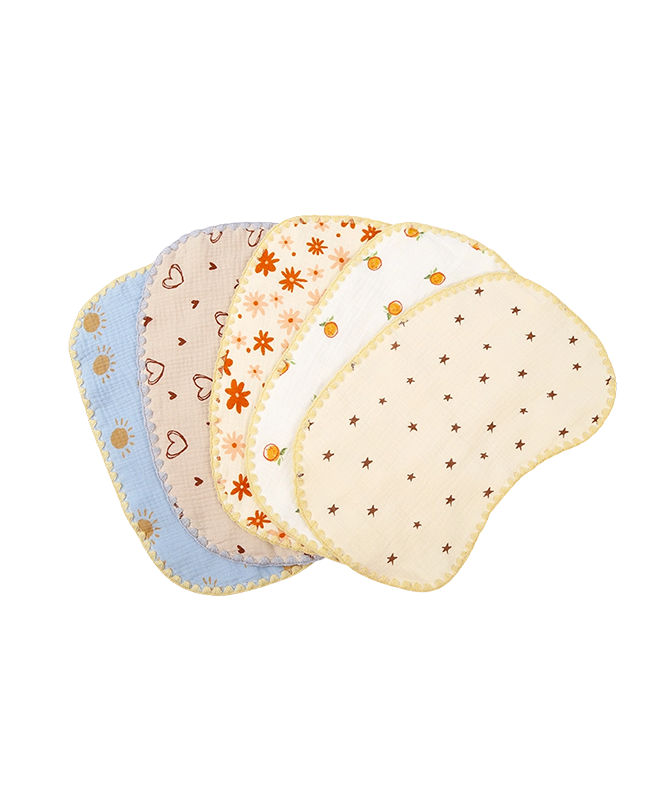
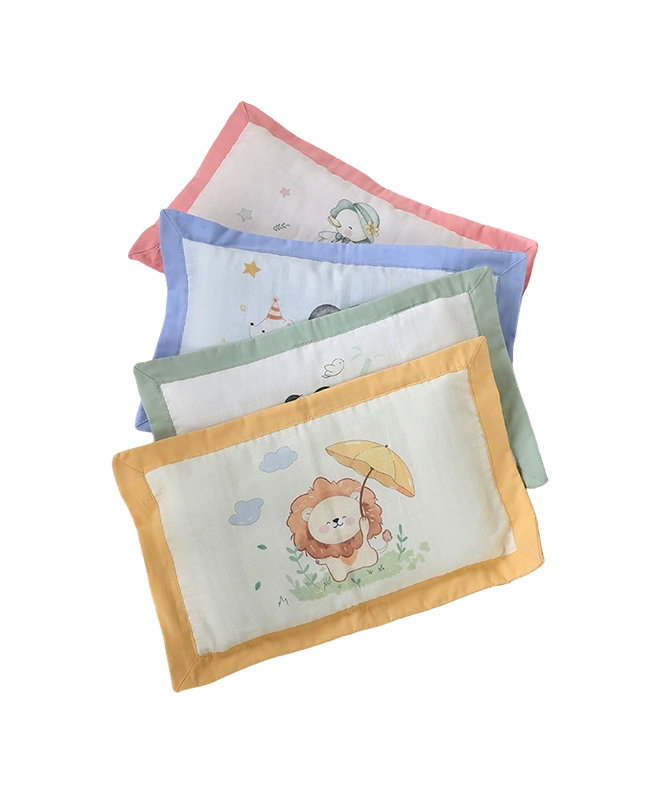
Newborn Flat Pillow Cotton products focus on material composition and low-profile construction. These pillows are designed with minimal thickness to avoid altering natural head positioning.
Cotton is frequently selected for its breathability and softness. Its natural fiber structure allows air circulation, which can help regulate temperature and reduce heat buildup.
Flat pillow design aims to:
- Maintain neutral neck alignment
- Distribute pressure evenly
- Provide light cushioning without elevation
Some caregivers use newborn flat pillows during supervised resting periods to address concerns about positional head flattening. The concept is to distribute pressure rather than concentrate it in one area.
However, medical consultation is important when addressing head shape concerns. Repositioning strategies and supervised tummy time are widely recommended approaches for managing positional flattening.
Cotton covers also offer advantages in terms of skin compatibility. Infants have sensitive skin, and natural fibers reduce friction and moisture retention compared to some synthetic fabrics.
When Are Baby Pillows Flat Pillows Used Safely?
Baby Pillows/Flat Pillows are generally used during supervised activities rather than unsupervised nighttime sleep. These pillows provide gentle head support in environments such as:
Strollers during walks
- Supervised play mats
- Travel situations
- Temporary resting on caregiver supervision
The flat structure reduces neck flexion compared to thicker pillows. This helps maintain natural spinal alignment when used appropriately.
Safety considerations include:
- Avoiding use in cribs for unattended sleep
- Ensuring firmness prevents deep sinking
- Monitoring the infant during use
- Confirming pillow size matches infant proportions
Caregivers should also inspect stitching and seams regularly to ensure structural integrity.
Flat pillows can also serve as transitional support as infants develop stronger neck control. As muscle strength increases, reliance on external head support typically decreases.


 English
 Español
 Deutsch
 عربى
عربى