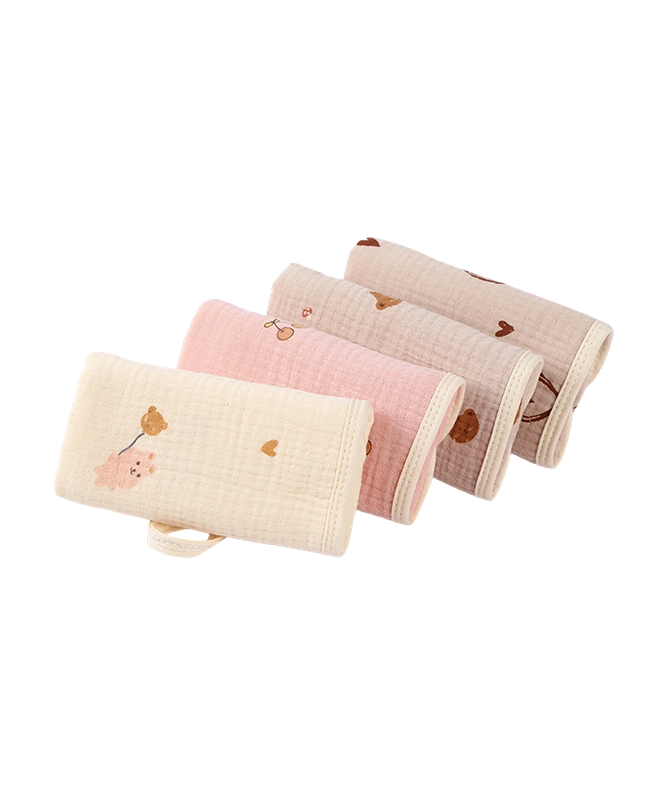
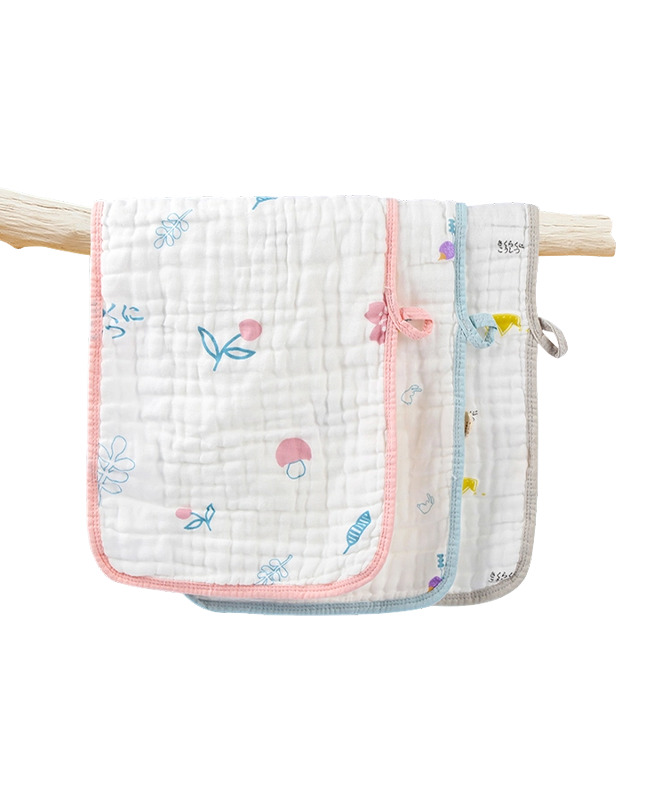
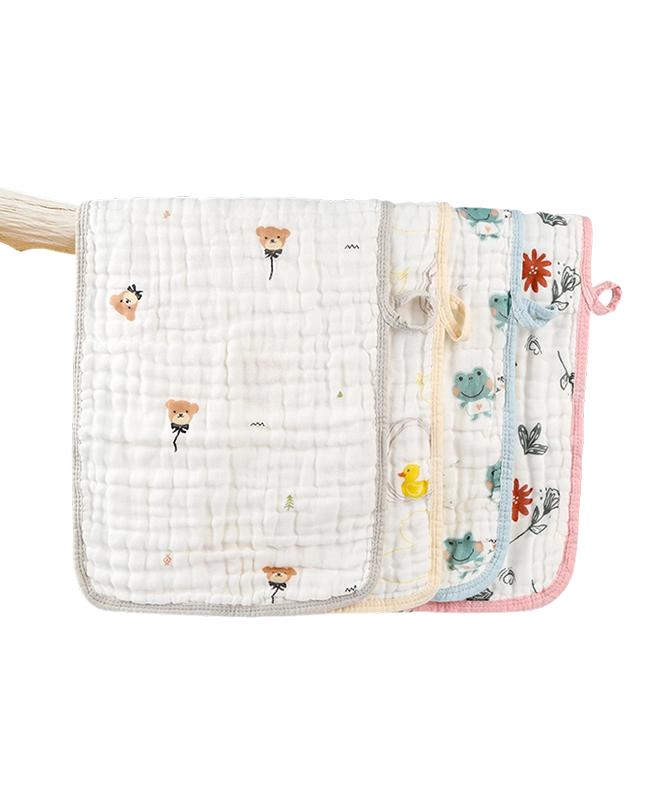
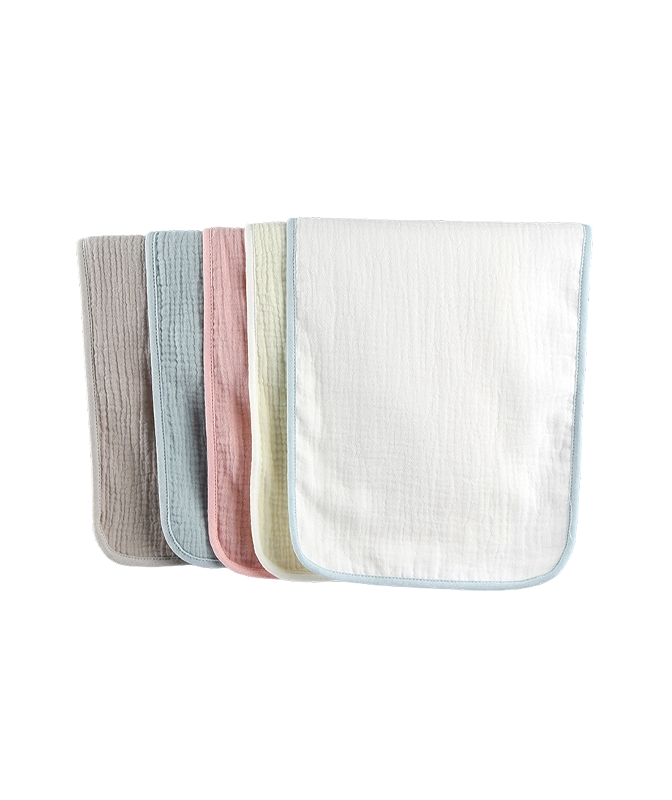
How Do Baby Handkerchiefs/Towels Support Daily Hygiene?
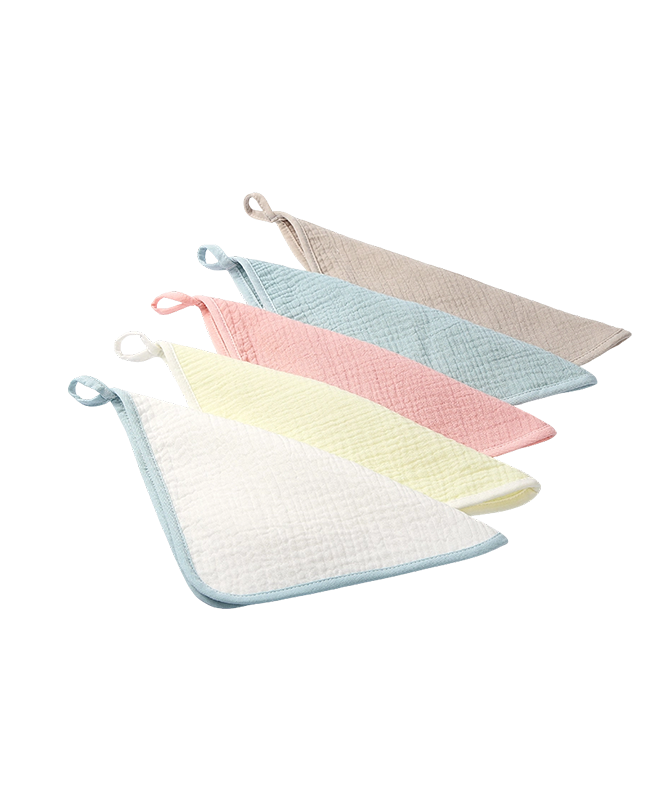
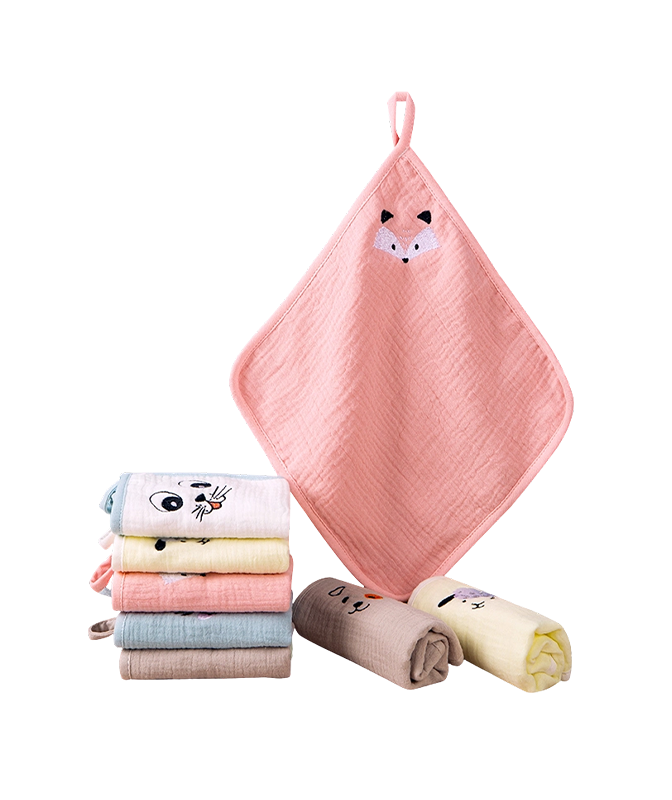
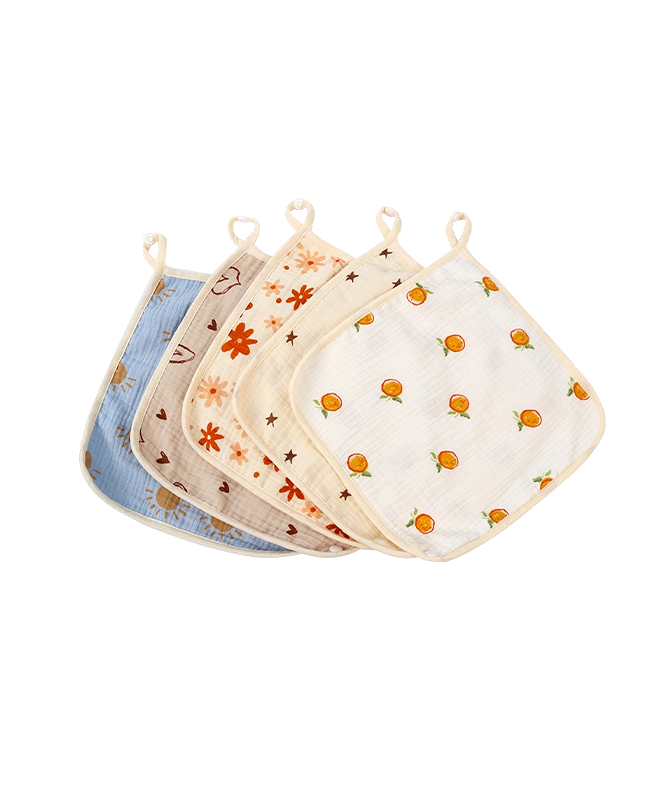
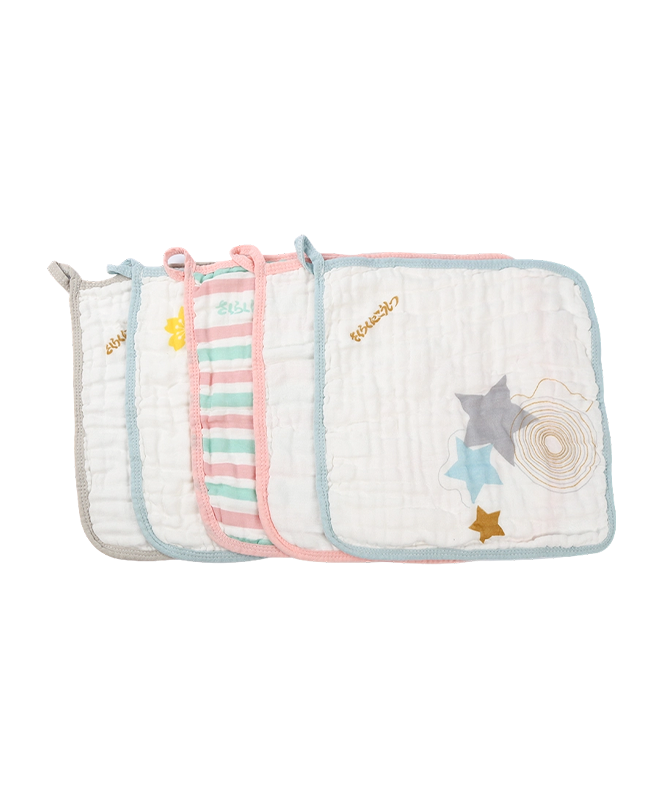
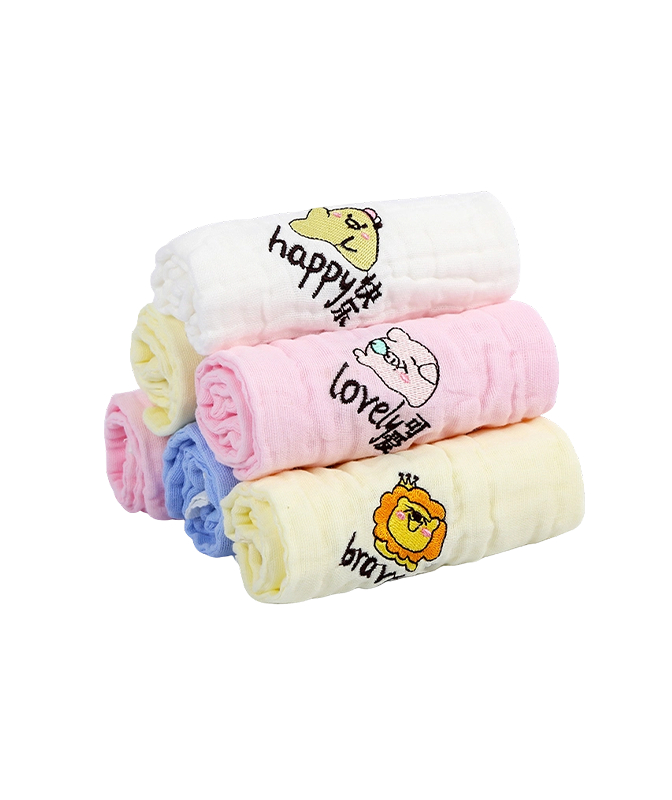
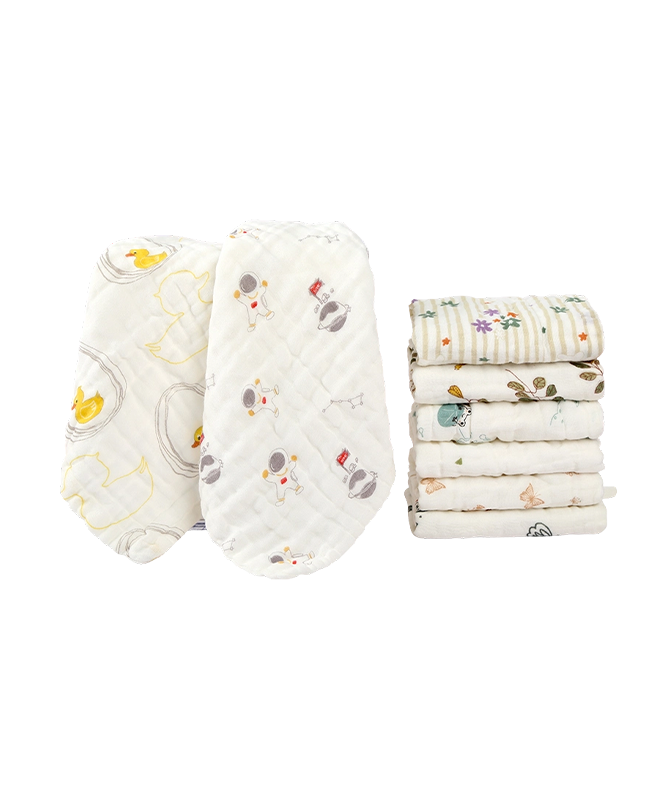
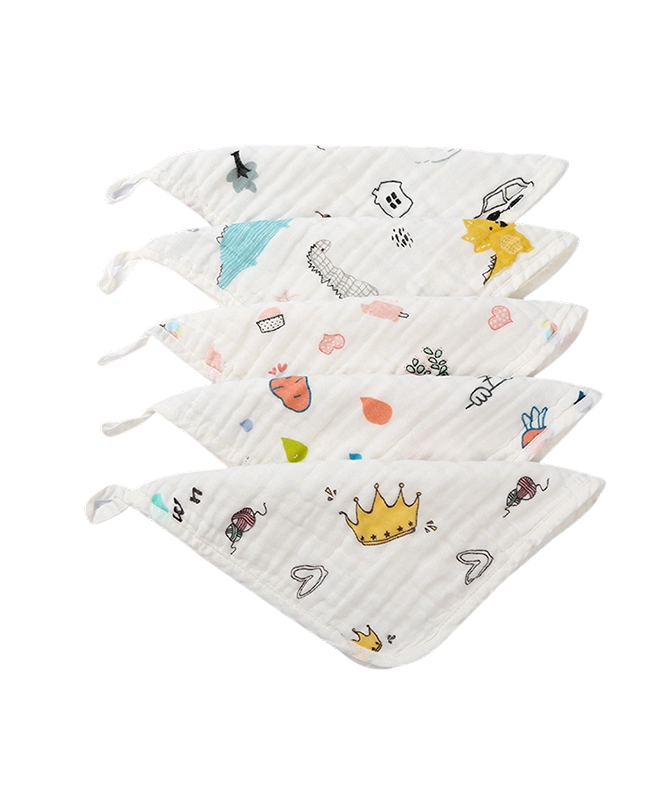
Baby Handkerchiefs/Towels are small, lightweight cloths designed for frequent, quick cleaning tasks throughout the day. Their compact size and soft fabric make them suitable for sensitive areas such as the face, neck, and hands.
- What Are Their Primary Everyday Uses?
These cloths are commonly used for:
- Wiping saliva during teething stages
- Cleaning milk residue after feeding
- Drying hands after washing
- Removing sweat from the neck and face
Infants produce frequent moisture from drooling, spit-up, and feeding, which makes these cloths essential for maintaining dryness and preventing skin irritation.
- How Does Fabric Thickness Affect Function?
Handkerchief towels typically use thin cotton or muslin materials. This design allows:
- Quick absorption of small moisture amounts
- Faster drying after washing
- Reduced bulk for easy carrying
Thin fabrics are especially practical for travel, diaper bags, and outdoor use.
- How Many Handkerchief Towels Are Needed Daily?
Babies may require multiple handkerchief towels per day depending on drooling intensity and feeding frequency. Having several available allows parents to maintain hygiene without reusing damp cloths.
- What Should Parents Check Before Purchasing?
Important selection criteria include:
Soft, smooth fiber surface
- Reinforced edges to prevent fraying
- Absence of rough seams
- Breathable fabric construction
Proper maintenance includes regular washing and complete drying to prevent bacterial growth.
These towels function as quick-response tools for daily cleaning and comfort.
What Makes Infant Towels Different From Standard Towels?
Infant Towels are designed specifically for drying a baby's body after bathing. Their structure differs significantly from adult towels due to infant skin sensitivity and thermal regulation needs.
- How Does Size Improve Drying Efficiency?
Infant towels are typically larger than handkerchief towels but smaller than adult bath towels. This size balance allows:
- Full body coverage
- Easier wrapping for warmth retention
- Better handling during drying
Hooded towel designs are especially common because they help dry the head quickly while preventing heat loss.
- What Fabric Structures Are Commonly Used?
Infant towels often use:
- Terry cotton loops for absorption
- Bamboo-cotton blends for softness
- Multi-layer cotton fabrics
Looped terry construction increases surface area, which improves water absorption.
- How Do Infant Towels Help Maintain Body Temperature?
After bathing, infants lose heat faster than adults due to their larger surface-area-to-body-weight ratio. Absorbent towels help by:
- Removing moisture quickly
- Allowing faster dressing
- Reducing evaporation-related cooling
Quick drying reduces discomfort and helps stabilize body temperature.
- What Safety Factors Should Parents Consider?
Parents should check:
- Fabric softness to prevent friction
- Absence of loose threads
- Moderate weight to avoid excessive pressure
Heavy towels may feel uncomfortable or difficult to handle during drying.
Infant towels serve a central role in post-bath care and overall hygiene maintenance.
Why Is Baby Cotton Towel Material Widely Used?
Baby Cotton Towels are widely used due to cotton's natural properties, which support moisture management and skin compatibility. Cotton fibers offer predictable performance and ease of maintenance.
- How Does Cotton Improve Moisture Absorption?
Cotton fibers contain hollow structures that allow water absorption. This helps towels:
- Remove moisture efficiently
- Maintain softness after repeated washing
- Prevent excessive dampness on skin
Higher-quality cotton towels often use longer fibers, which improve durability.
- How Does Cotton Protect Sensitive Skin?
Cotton's smooth fiber surface reduces friction and irritation. This is especially important for infants with sensitive skin or conditions such as eczema.
- How Durable Are Cotton Towels Over Time?
Cotton towels tolerate frequent washing without losing structural stability. However, durability depends on:
- Fiber length and density
- Stitch reinforcement
- Washing and drying conditions
Avoiding excessive heat helps maintain softness and prevents shrinkage.
- How Should Parents Maintain Cotton Towels Properly?
Recommended care practices include:
- Washing with mild detergents
- Avoiding bleach when possible
- Drying completely before storage
Proper care preserves absorbency and reduces fabric stiffness.
Cotton towels remain a practical choice for both daily cleaning and post-bath drying routines.


 English
 Español
 Deutsch
 عربى
عربى