How Do Diaper Pads Help Manage Moisture Effectively?
Diaper pads are designed as absorbent layers placed inside diapers or between the diaper and clothing. Their main function is to capture excess moisture, especially in situations where standard diapers alone may not provide sufficient absorption.
The core material typically consists of multiple layers. A common structure includes a soft nonwoven top layer, an absorbent core made from fluff pulp or superabsorbent polymer (SAP), and a backing layer that helps prevent leakage. SAP is capable of absorbing many times its weight in liquid, transforming fluid into gel-like material that stays contained within the pad.
Caregivers often use diaper pads in the following scenarios:
- Overnight use when infants sleep for longer periods
- Long travel situations where diaper changes may be delayed
- Supporting infants with sensitive skin conditions
- Providing extra protection during illness-related diarrhea
Another important function relates to skin health. Excess moisture is one of the primary causes of diaper dermatitis. By reducing prolonged skin exposure to urine, diaper pads help lower the likelihood of irritation. This is particularly useful for newborns, whose skin barrier is still developing.
Diaper pads are also used in healthcare settings. Pediatric wards may use them to monitor urine output or reduce contamination risk during examinations. Their disposable nature helps maintain hygiene standards.
It is important to note that diaper pads supplement diapers; they do not replace them. They enhance absorption capacity but rely on the diaper structure for proper positioning and containment.
When Should Baby Clothes Pads Be Used Daily?
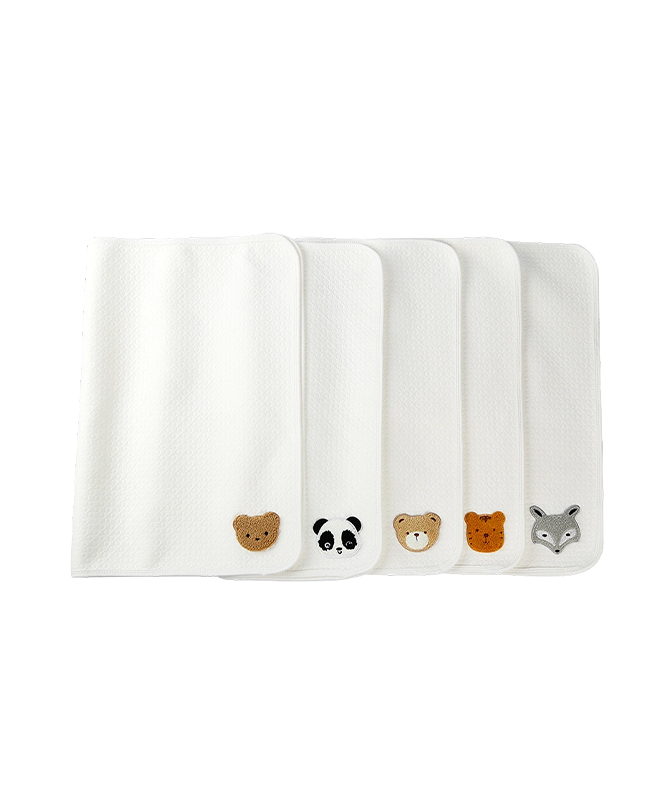
Baby clothes pads serve a different purpose. These pads are designed to protect clothing rather than replace or supplement diaper absorption directly. They are often placed between the diaper and outer garments or attached to clothing in areas prone to moisture exposure.
One common application involves preventing urine leakage from reaching clothing layers. Even properly fitted diapers can occasionally leak due to movement, pressure, or positioning. Clothes pads act as an intermediate barrier that absorbs small leaks before they spread.
Another scenario involves drooling or feeding-related moisture. For example, babies often produce saliva during teething stages. Pads integrated into shoulder or chest areas help prevent damp clothing, which can cause discomfort or increase laundry frequency.
Materials used in baby clothes pads typically include:
- Cotton layers for comfort and breathability
- Absorbent fiber cores to retain liquid
- Moisture-resistant backing layers to limit transfer
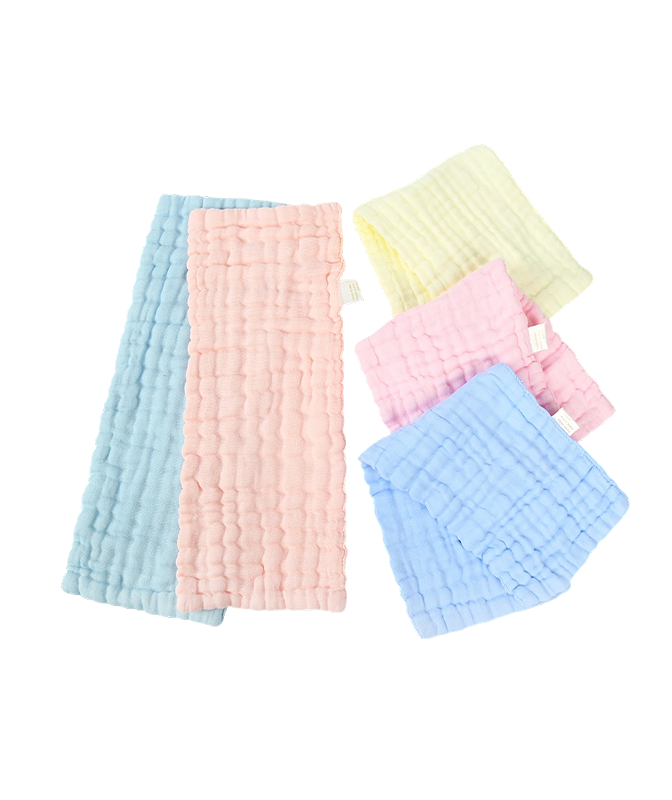
Some versions are reusable and washable, while others are disposable. Reusable types are commonly made with layered cotton or bamboo fabric and may include waterproof membranes such as thermoplastic polyurethane (TPU).
Temperature regulation is another consideration. Wet clothing can cool rapidly, especially in air-conditioned environments. Clothes pads help keep garments dry, which helps maintain stable body temperature.
These pads are particularly useful for:
- Active infants learning to crawl
- Travel situations where extra clothing changes are inconvenient
- Daycare environments with multiple children
- Infants with frequent spit-up or drooling
The use of clothes pads helps extend the usability of clothing and reduces the need for immediate outfit changes.
Where Are Waterproof Changing Pads Commonly Needed?
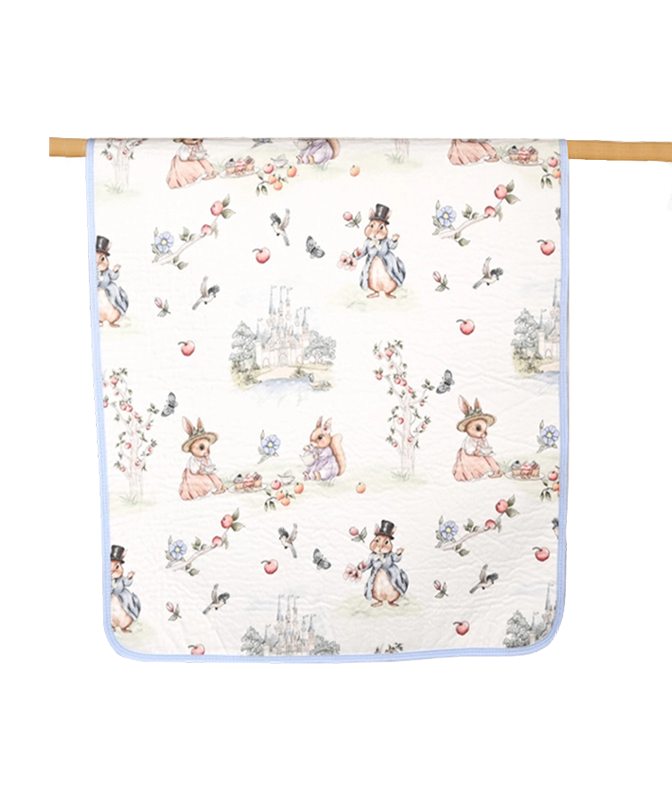
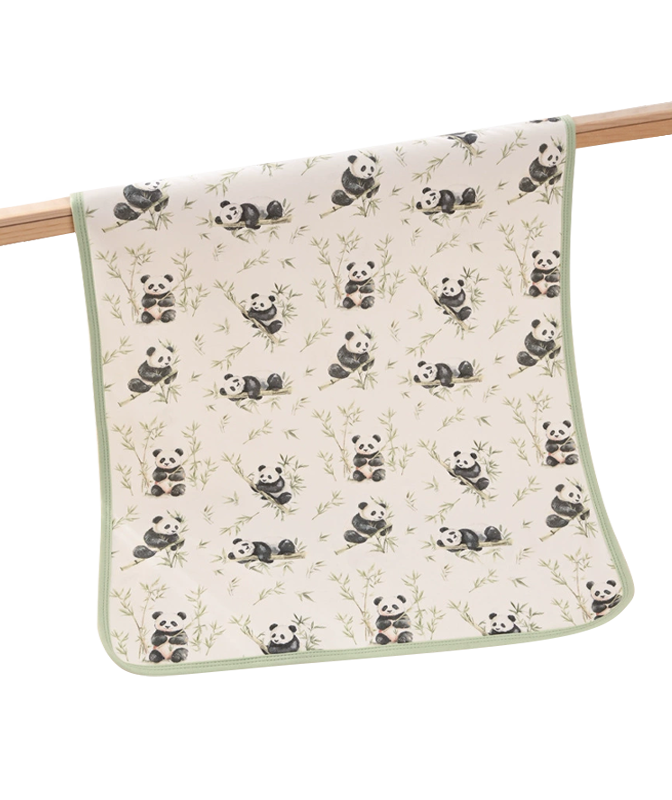
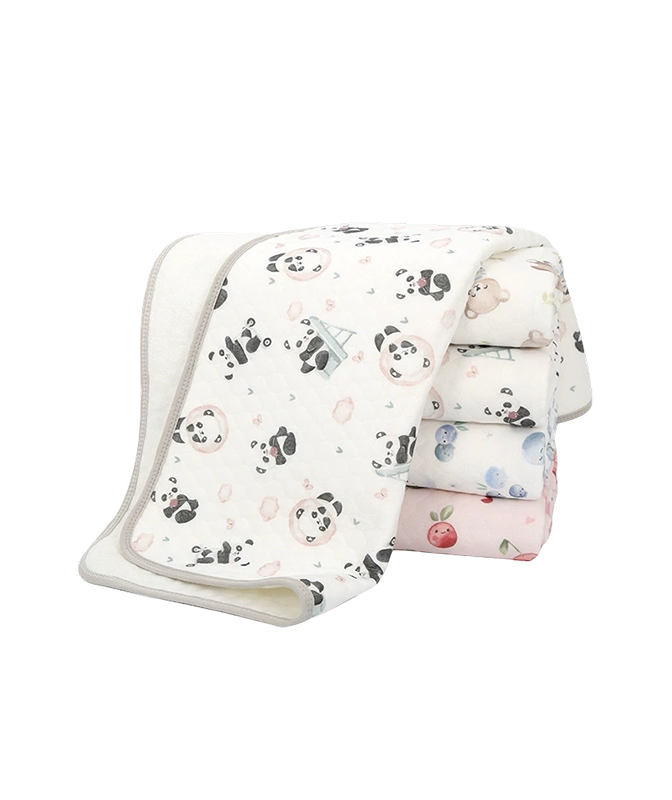
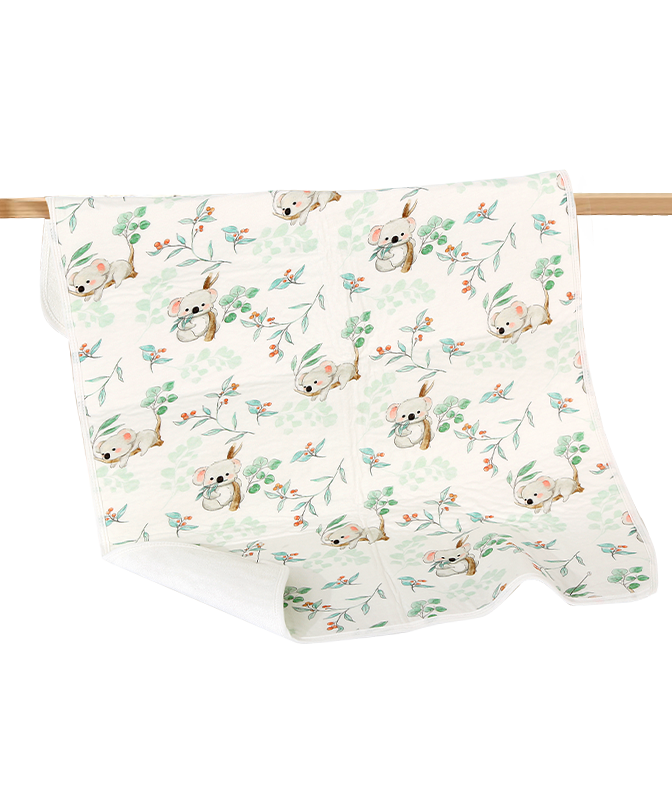
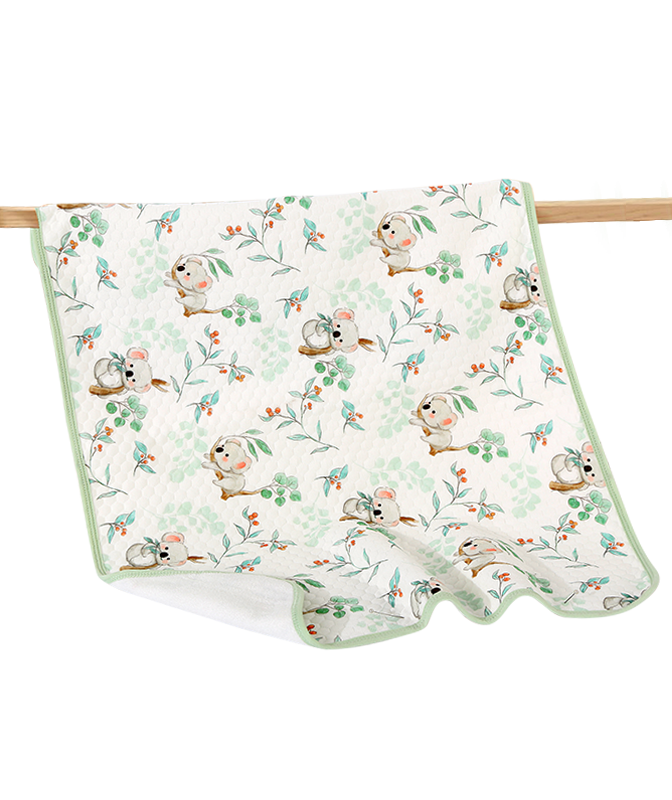
Waterproof changing pads are used as protective barriers between the baby and external surfaces during diaper changes or rest periods. Unlike diaper pads or clothes pads, they protect furniture, beds, and changing stations.
These pads are constructed with layered designs. A typical structure includes:
- Soft top surface for infant comfort
- Absorbent middle layer
- Waterproof bottom layer to prevent liquid penetration
The waterproof layer is often made from TPU or polyethylene film. These materials prevent liquid from passing through while maintaining flexibility.
Changing pads are widely used in several environments:
Home changing tables
- Beds and sofas
- Public diaper changing stations
- Hospital neonatal units
- Travel situations such as hotels or vehicles
One of the major concerns addressed by waterproof changing pads is contamination control. Public changing stations can carry bacteria or residue from previous use. A personal waterproof pad creates a clean barrier between the baby and the surface.
Waterproof changing pads also help protect furniture. Urine leaks or diaper accidents during changing can damage mattresses or upholstery. Using a protective pad prevents permanent stains and reduces cleaning requirements.
Portable versions are often foldable and lightweight, making them convenient for travel. Some include additional features such as:
- Anti-slip backing to maintain position
- Quilted surfaces for comfort
- Machine-washable construction
- Compact folding design
These characteristics make waterproof changing pads suitable for both home and mobile use.


 English
 Español
 Deutsch
 عربى
عربى