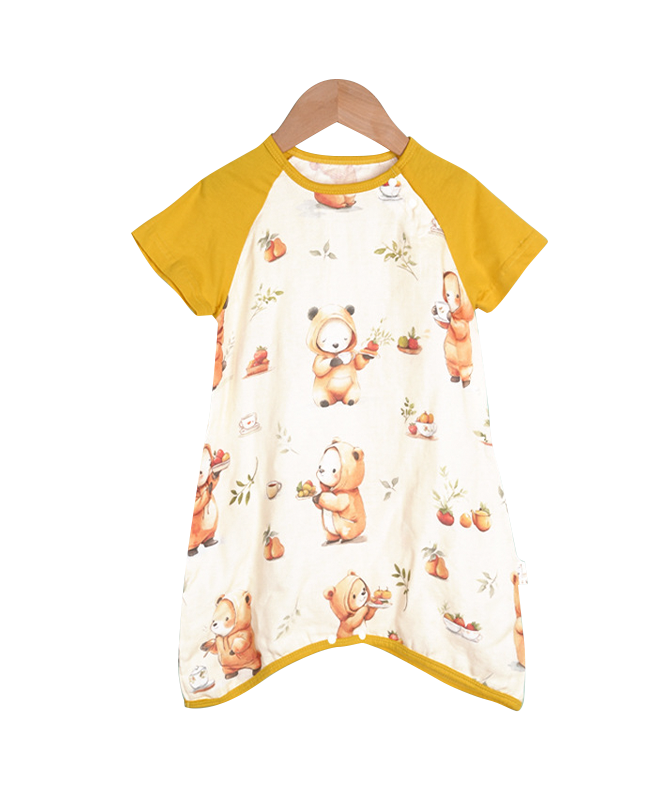
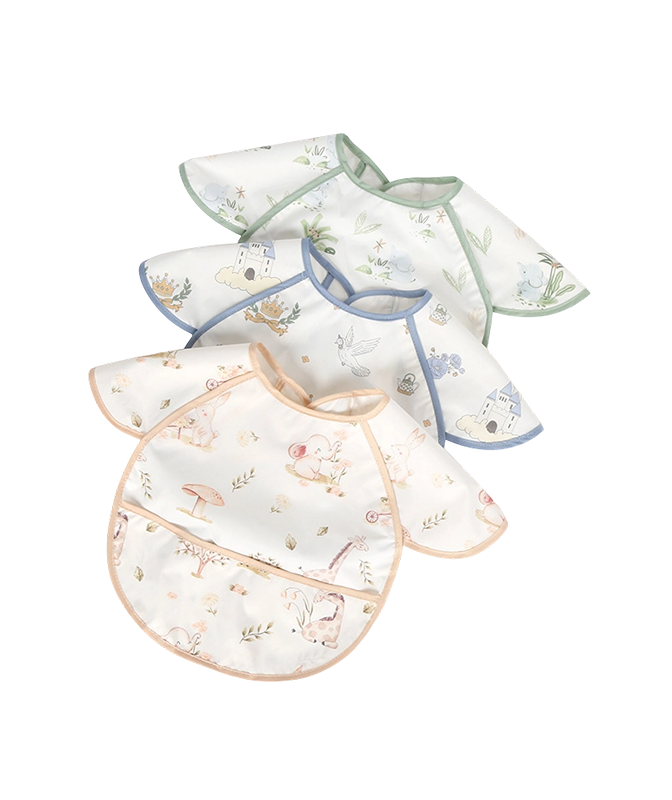
What Defines Everyday Baby Clothes?
Baby Clothes refer to garments designed for infants and young babies during daily activities such as sleeping, feeding, crawling, and outdoor outings. These items prioritize softness, ease of movement, and convenience during frequent changes.
- Fabric Selection and Skin Sensitivity
Infant skin is thinner and more absorbent than adult skin, making material composition a primary consideration.
Commonly used fabrics include:
- Cotton: Breathable and widely used for onesies, rompers, and sleepwear.
- Organic cotton: Produced without synthetic pesticides, often preferred for sensitive skin.
- Bamboo viscose blends: Known for softness and moisture absorption.
- Cotton-spandex blends: Provide stretch to accommodate growth and movement.
Parents should check for labels indicating absence of harmful dyes or formaldehyde treatments. Washing garments before use reduces residual processing chemicals.
- Structural Design and Functionality
Daily wear must accommodate diaper changes and frequent washing. Practical design features include:
- Snap closures at the crotch for quick diaper access
- Envelope necklines that allow easy removal
- Flat seams to minimize skin friction
- Covered zippers to avoid scratching
Garments that open fully at the front are especially useful for younger infants who cannot support their heads.
- Seasonal Adaptation
Layering is often safer than overdressing. Breathable base layers paired with lightweight outerwear allow temperature adjustment. Overheating increases discomfort and may disrupt sleep patterns.
Choosing simple, functional clothing reduces stress during daily routines and supports infant mobility as they begin rolling or crawling.
Why Choose High End Infant Clothes?
High End Infant Clothes differ from standard garments primarily in material sourcing, craftsmanship, and aesthetic detailing. While price is higher, the value lies in refined fabric quality, advanced tailoring, and durability.
- Premium Materials and Processing
Luxury infant garments frequently use:
- Long-staple cotton varieties
- Fine merino wool for temperature regulation
- Silk-cotton blends
- Cashmere blends for outerwear
These fabrics are selected for texture consistency and reduced pilling over time.
- Construction Quality and Longevity
Higher-end garments typically demonstrate:
- Reinforced stitching at stress points
- Even seam alignment
- Stable color retention after multiple washes
- Pre-shrunk fabric treatment
Parents who plan to pass garments down to siblings or relatives may find this durability meaningful.
- Ethical and Sustainable Production
Many premium brands emphasize:
- Transparent supply chains
- Small-batch production
- Certified organic fabrics
- Fair labor standards
For families prioritizing environmental or ethical considerations, these aspects influence purchasing decisions beyond visual appeal.
- When Is Premium Clothing Practical?
High-end garments are often selected for:
- Special occasions such as family gatherings
- Professional photography sessions
- Gifts for newborn celebrations
However, they may not always be suitable for daily wear if maintenance requirements are complex, such as hand-washing or delicate drying conditions.
Balancing wardrobe composition—combining everyday pieces with select premium items—allows families to maintain practicality without sacrificing style for important events.
How Should Infant Newborn Clothes Be Selected?
Infant Newborn Clothes specifically address the needs of babies from birth to approximately three months. At this stage, infants have limited mobility, fragile skin, and undeveloped temperature regulation.
- Prioritizing Comfort During Early Weeks
Newborn garments should focus on:
- Ultra-soft fabric texture
- Minimal internal seams
- Tag-free labeling
- Flexible neck openings
Because newborns spend significant time sleeping, sleepwear design plays a central role. Two-way zippers are often preferred for nighttime diaper changes without fully undressing the baby.
- Sizing and Growth Considerations
Newborn sizes can vary significantly depending on birth weight and growth rate. Some babies outgrow newborn sizing within weeks.
Practical recommendations include:
- Purchasing limited quantities in newborn size
- Including 0–3 month garments for transition
- Avoiding tight elastics around wrists and ankles
- Stretchable fabrics accommodate growth spurts and reduce discomfort.
- Temperature and Layering Safety
Newborns cannot regulate body temperature efficiently. Garments should allow caregivers to adjust layering according to room temperature.
Typical layering approach:
- Soft bodysuit as base layer
- Lightweight footed sleeper
- Optional swaddle blanket
Hats are recommended in cooler environments but should be removed indoors once temperature stabilizes.
- Safety Precautions in Design
Loose buttons, decorative strings, or rigid embellishments can present choking or skin irritation risks. Simpler designs reduce potential hazards.
Garments should also avoid heavy synthetic materials that trap heat. Breathable textiles promote comfort and reduce skin rashes.


 English
 Español
 Deutsch
 عربى
عربى