When Do Caregivers Use Baby Burp Cloths?
Baby burp cloths are primarily used during and after feeding sessions to manage milk regurgitation, also called spit-up. This occurs because an infant’s digestive system is still developing, and the lower esophageal sphincter may allow stomach contents to flow back upward.
Protection During Feeding and Burping
Caregivers typically place the cloth over their shoulder while holding the infant upright. This positioning provides a barrier between the baby’s mouth and the caregiver’s clothing.
Key functions include:
- Absorbing milk spit-up during burping
- Protecting caregiver garments from stains and moisture
- Reducing the need for frequent clothing changes
This is particularly relevant during the 6 months when spit-up frequency tends to be higher.
Fabric Thickness and Absorption Requirements
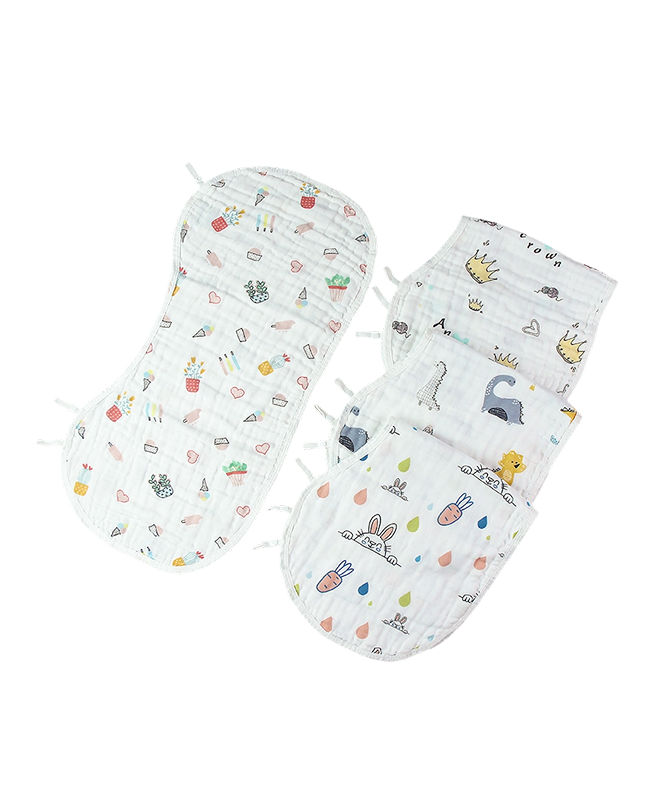
Burp cloths are generally thicker than drool cloths because spit-up volume can be larger. Effective burp cloth construction often includes:
- Multiple absorbent layers
- Soft outer surfaces to prevent skin friction
- A size large enough to cover shoulder areas
These structural features improve liquid retention and reduce leakage.
Shape and Handling Efficiency
Many burp cloths are rectangular or contoured to fit naturally over the shoulder. This allows the cloth to remain stable without constant adjustment.
Proper size helps ensure coverage without interfering with infant handling.
How Do Baby Drool Cloths Help Daily Comfort?
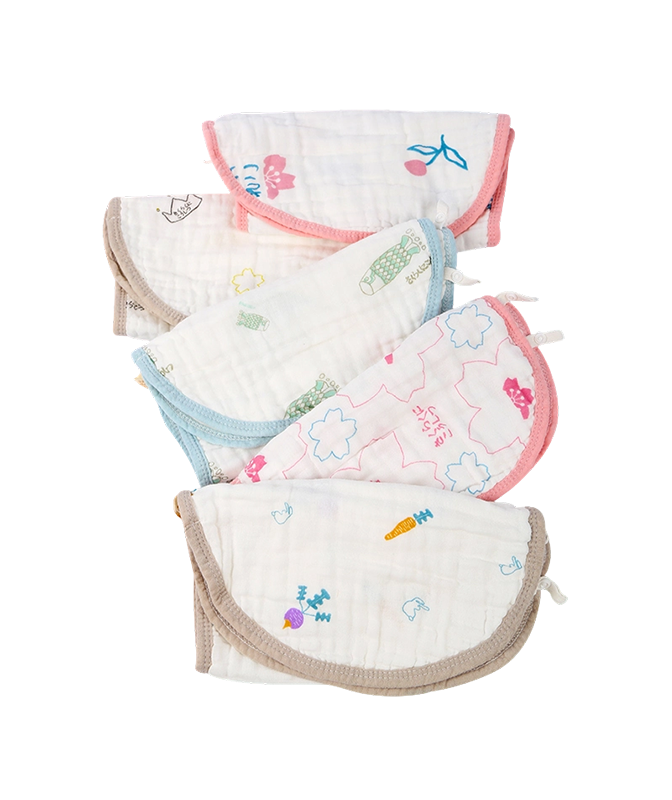
Baby drool cloths are designed to manage continuous saliva flow, especially during teething stages. Saliva production increases as teeth begin to develop, which can cause damp clothing and skin irritation.
Continuous Moisture Absorption
Unlike spit-up, drooling occurs gradually throughout the day. Drool cloths help by absorbing smaller amounts of liquid over longer periods.
This prevents:
- Prolonged moisture contact with infant skin
- Neck and chest irritation
- Frequent outfit changes
These cloths are often lighter and more flexible than burp cloths.
Placement and Wearability
Drool cloths are typically worn around the neck or placed near the chest area. Their lightweight construction allows infants to wear them without restricting movement.
This supports continuous protection during:
- Playtime
- Sleep
- Feeding intervals
Comfort is important because drool cloths may remain in place for extended durations.
Material Selection for Sensitive Skin
Soft cotton-based materials are commonly used to reduce friction. Breathable fabrics also help minimize heat retention, which can affect skin comfort.
This makes material choice a key factor in daily usability.
What Makes Multi-purpose Baby Cloths Versatile Tools?
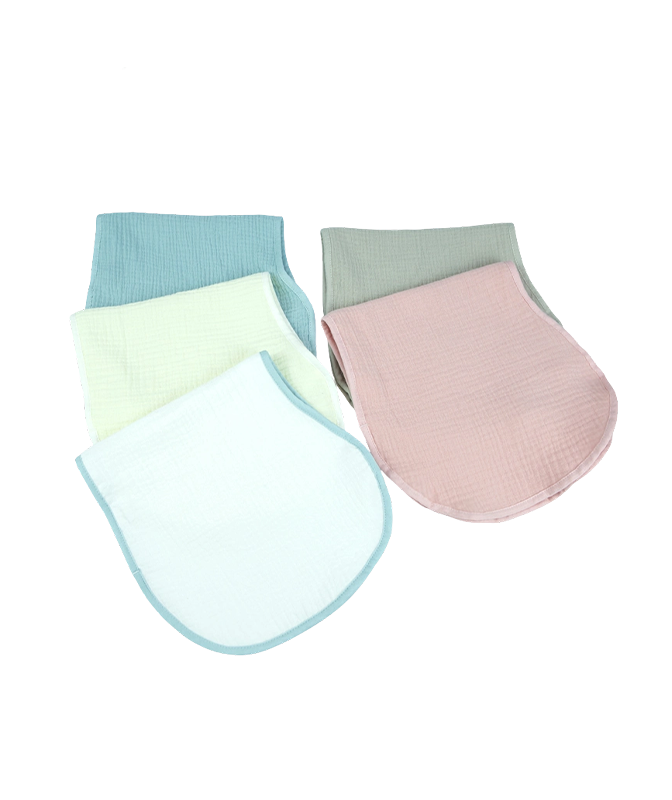
Multi-purpose baby cloths are designed to perform several functions beyond feeding support. Their flexible design allows caregivers to use a single cloth in multiple caregiving situations.
Common Practical Uses in Daily Care
These cloths can serve as:
- Burp cloth substitutes
- Drool wipes
- Face cleaning cloths
- Temporary changing surface covers
This flexibility reduces the number of specialized items caregivers need to carry.
Travel and Convenience Benefits
Multi-purpose cloths are especially useful outside the home. Their versatility allows caregivers to respond quickly to unexpected situations.
Examples include:
- Cleaning milk spills
- Drying skin after washing
- Providing temporary surface protection
Their portability makes them part of standard diaper bag supplies.
Fabric Balance Between Thickness and Flexibility
Multi-purpose cloths are typically designed with moderate thickness. This allows them to absorb liquids while remaining easy to fold and transport.
This balance supports multiple caregiving functions.
How Do Muslin Baby Burp Cloths Improve Performance?
Muslin baby burp cloths use muslin cotton fabric, which has a specific weaving structure that affects performance.
Muslin Weave Structure and Breathability
Muslin is a loosely woven cotton textile that allows air circulation. This structure helps moisture evaporate more quickly than tightly woven fabrics.
Breathability contributes to:
- Faster drying after use
- Reduced moisture retention on surfaces
- Improved comfort during prolonged contact
These properties are useful in warm environments.
Absorption Efficiency Through Layering
Although muslin fabric is lightweight, multiple layers can improve absorption capacity. Layered muslin burp cloths can handle moderate spit-up volumes while maintaining flexibility.
This allows caregivers to use cloths repeatedly throughout the day.
Fabric Softness and Repeated Washing Durability
Muslin cotton tends to become softer after washing. This characteristic supports frequent cleaning, which is necessary for infant hygiene.
Repeated washing does not significantly reduce usability when properly manufactured.


 English
 Español
 Deutsch
 عربى
عربى