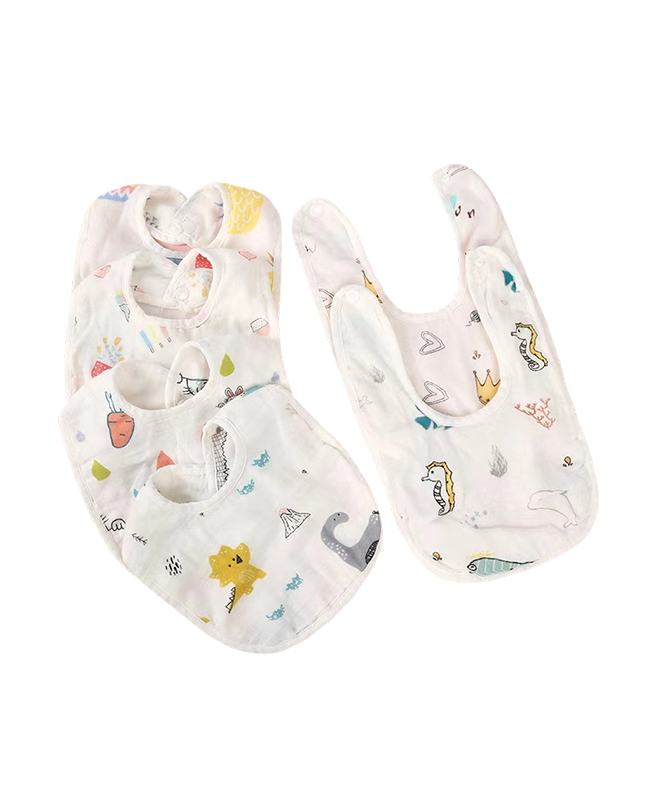
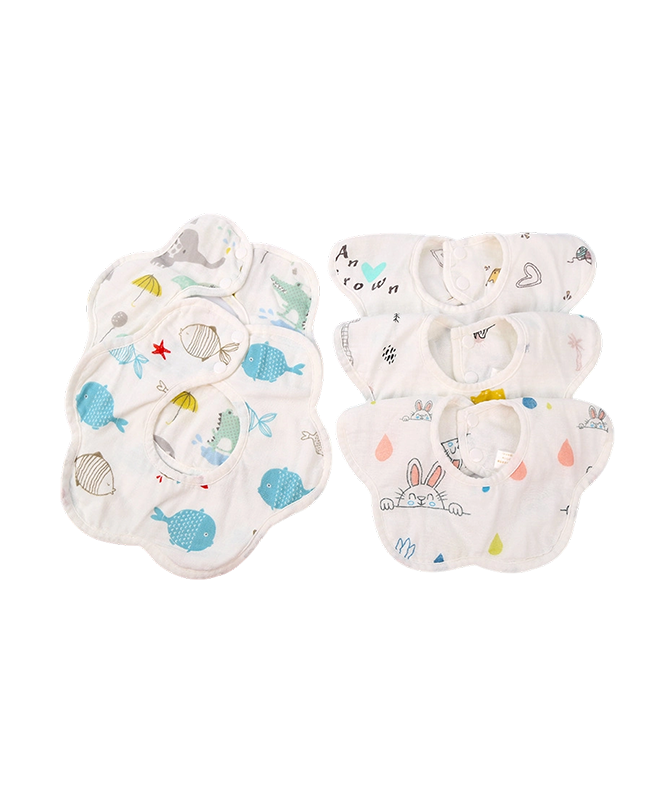
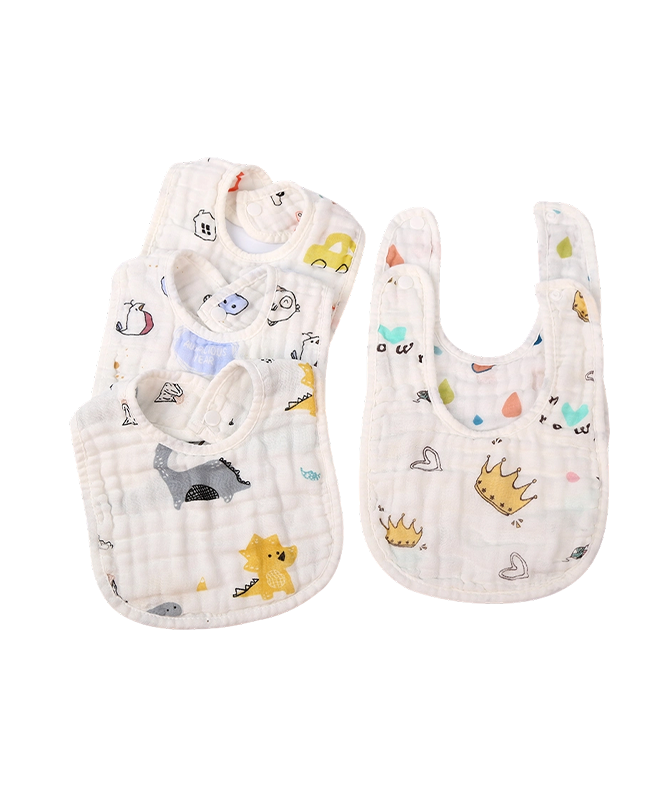
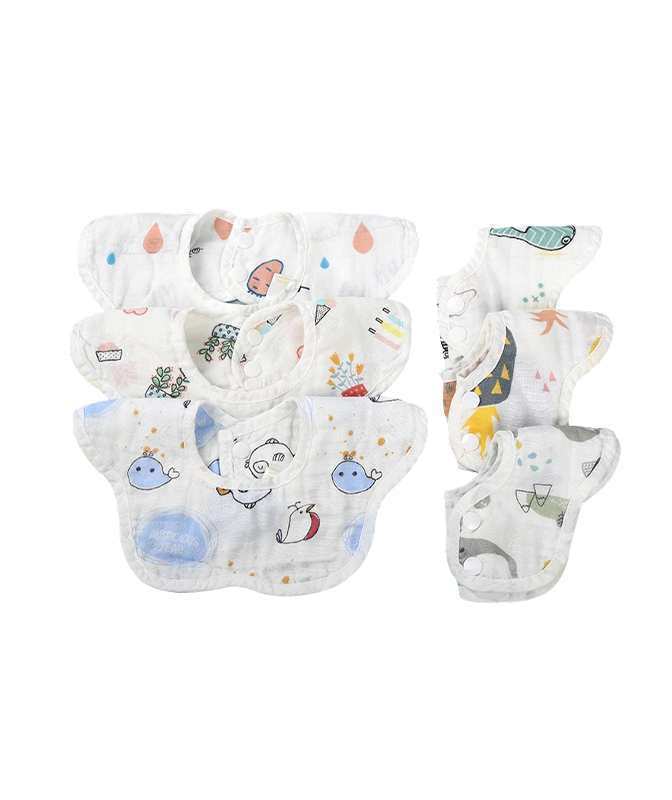
Why Choose Organic Cotton Baby Bibs?
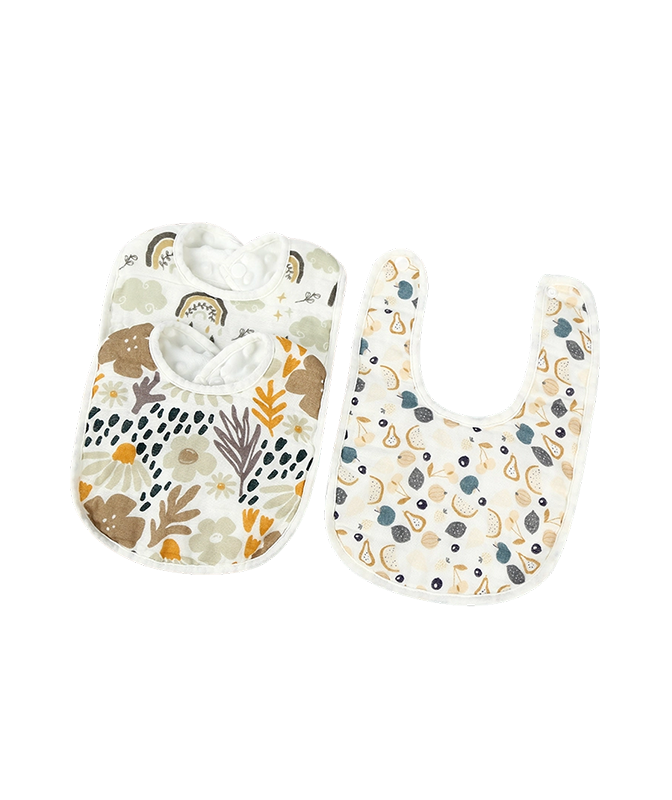
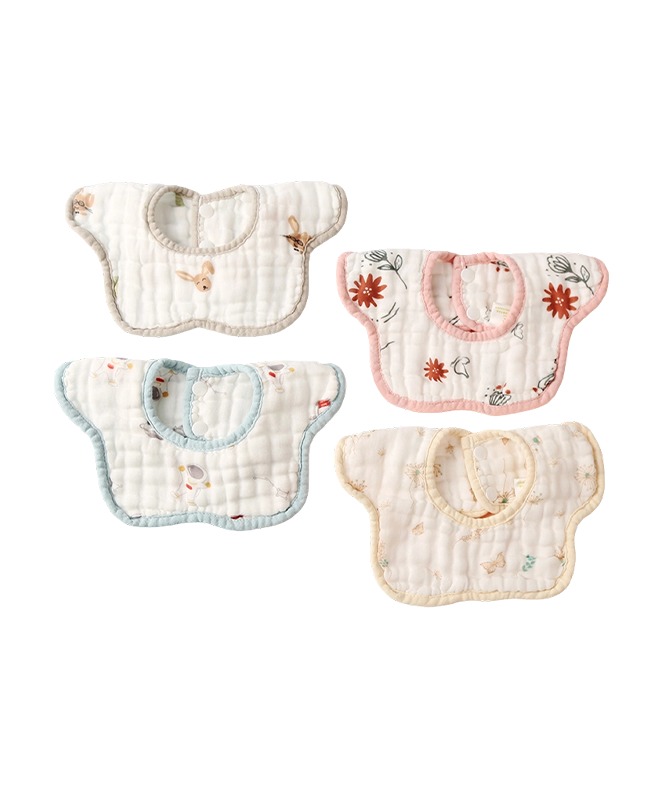
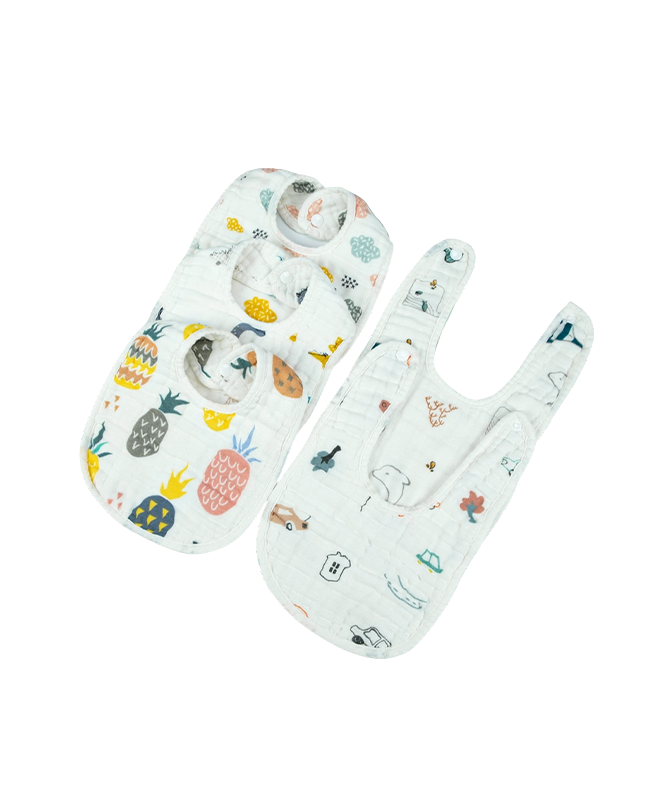
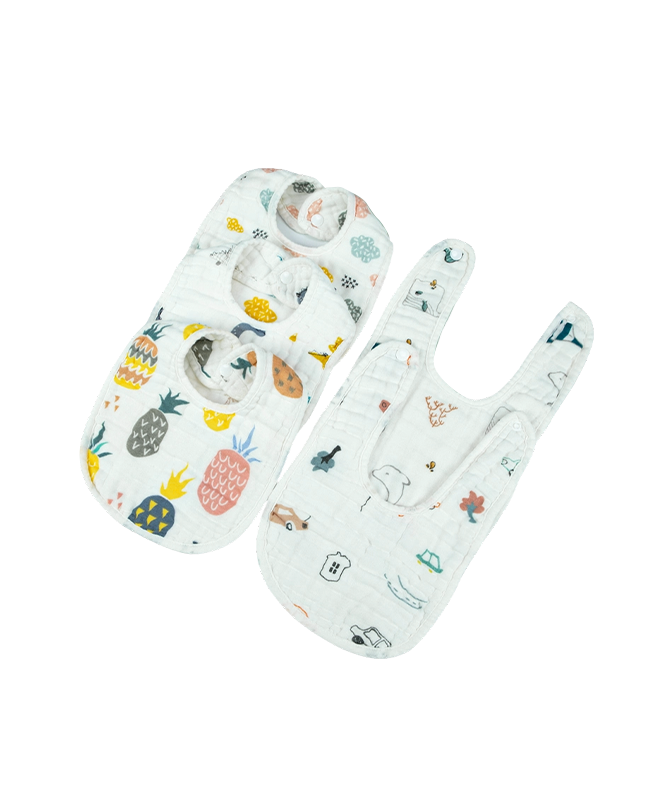
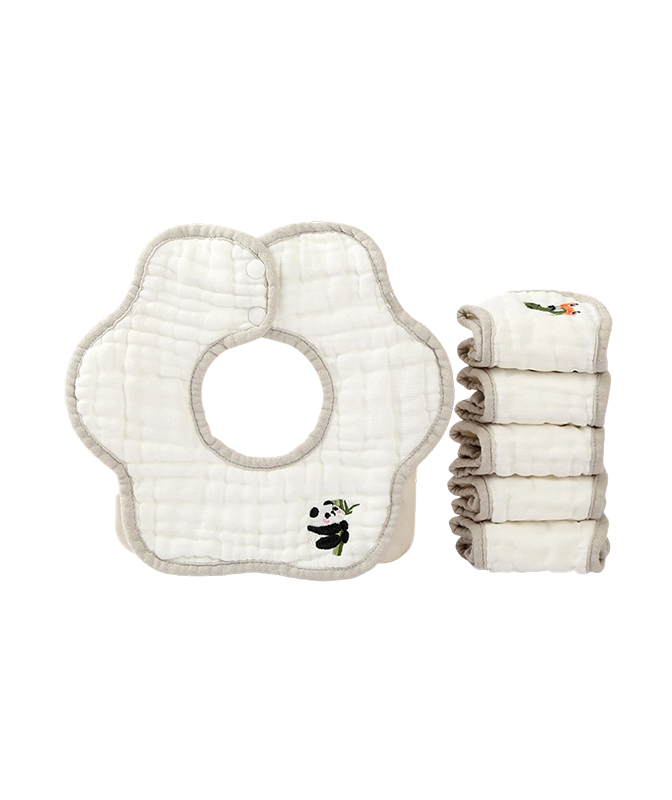
Organic Cotton Baby Bibs are manufactured using cotton grown without synthetic pesticides or genetically modified seeds. The production process also limits chemical bleaching and harsh finishing agents. For infants with sensitive skin or eczema tendencies, this material category often becomes a primary consideration.
- Fabric Safety and Skin Contact
Infants frequently drool during teething stages, meaning bibs stay in contact with the neck and chest area for extended periods. Organic cotton offers:
- Reduced chemical residue compared to conventionally processed textiles
- Breathable weave structure that helps regulate moisture
- Certification standards such as GOTS (Global Organic Textile Standard) provide traceability across farming, dyeing, and manufacturing stages.
- Absorbency Performance
Organic cotton maintains natural fiber properties, which contribute to moisture absorption. However, thickness and layering influence effectiveness. Many organic bibs include:
- Double-layered cotton panels
- Fleece backing for additional moisture retention
- Reinforced stitching to prevent distortion after washing
- Absorbency level matters more during drooling phases than during solid feeding.
- Washing and Longevity
Frequent laundering is unavoidable. Organic cotton fabrics should maintain structural integrity after repeated machine washing. Parents should verify:
- Shrinkage tolerance
- Colorfast dye processing
- Seam reinforcement
Although organic production reduces environmental burden, the bib’s lifespan ultimately depends on stitching quality and fabric density.
For caregivers prioritizing reduced chemical exposure and environmental awareness, this category aligns with long-term sustainability goals while addressing daily drooling needs.
What Makes Cotton Baby Bibs Practical?
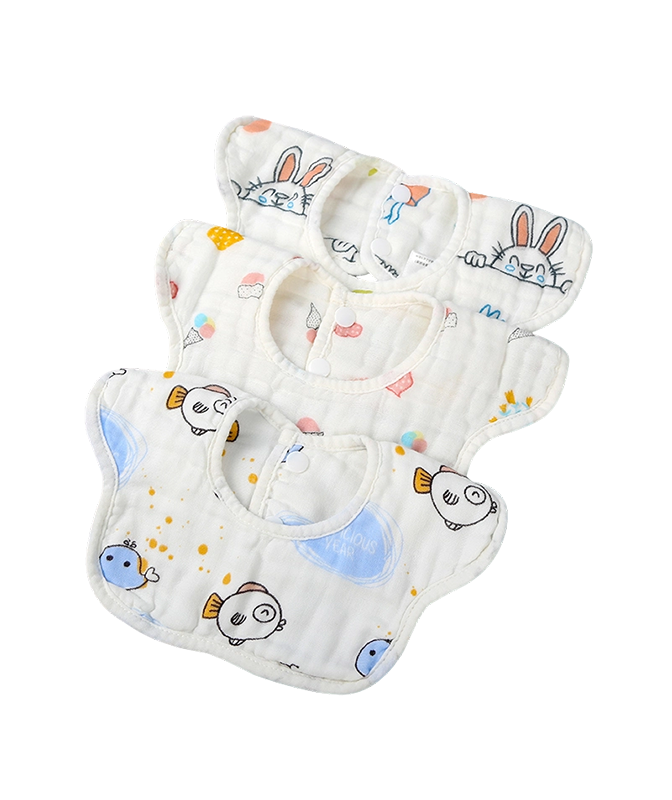
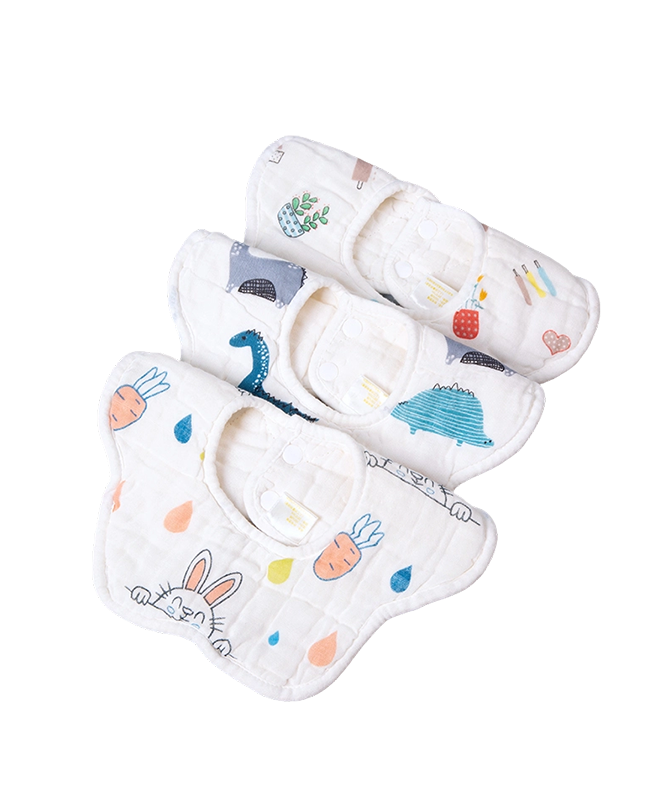
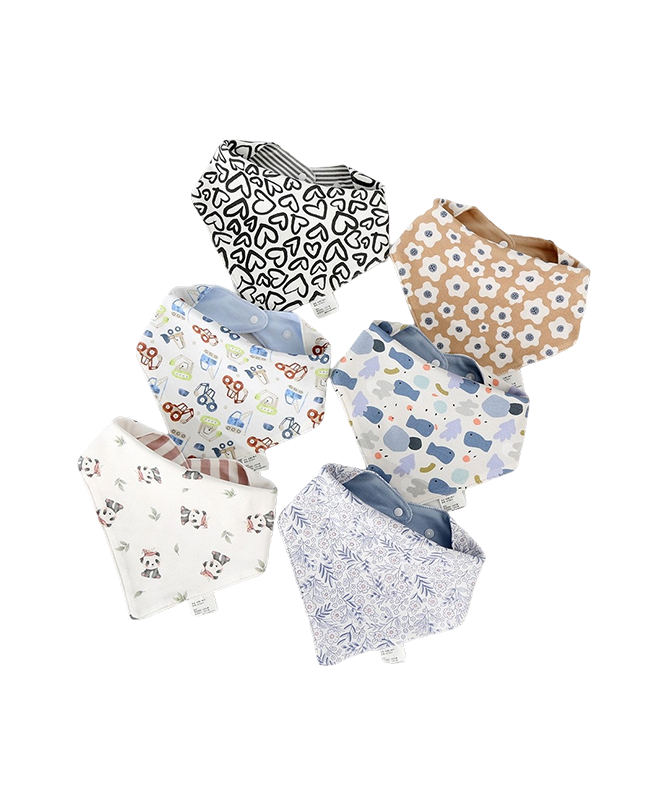
Cotton Baby Bibs remain widely used due to accessibility, affordability, and versatility. While not necessarily organic, conventional cotton bibs still provide breathable comfort when manufactured under regulated textile standards.
- Material Structure and Breathability
Standard cotton fibers allow airflow and moderate moisture absorption. For general feeding or light drooling, they perform adequately. Common constructions include:
- Single-layer cotton for lightweight use
- Terry cloth texture for increased absorption
- Muslin weave for flexibility
Breathability reduces heat accumulation around the neck area, which is important during warmer seasons.
- Cost Efficiency and Bulk Use
Babies may require multiple bib changes per day. Cotton bibs are often sold in multipacks, supporting:
- Rotational daily use
- Backup supply for daycare settings
- Quick replacement during travel
Lower unit cost allows parents to maintain hygiene standards without excessive expense.
- Closure Systems and Fit
Comfort depends not only on fabric but also on fastening method. Common options include:
- Snap buttons with adjustable positions
- Hook-and-loop (Velcro) closures
- Tie-back designs
Snap systems typically provide greater durability over time, while hook-and-loop offers quicker removal but may wear out with repeated washing.
- Maintenance Considerations
Cotton bibs tolerate machine washing at moderate temperatures. However, stains from fruit purees or formula may require pre-treatment. Thicker terry styles absorb well but may take longer to dry.
For families seeking simple, washable solutions for everyday feeding, conventional cotton bibs balance performance and practicality.
When Are Waterproof Bibs Necessary?
Waterproof Bibs address a different stage of feeding development, particularly when babies transition to solid foods. Pure cotton options may absorb liquids but cannot fully prevent seepage onto clothing. Waterproof designs introduce barrier layers to manage heavier spills.
- Material Composition and Barrier Function
Waterproof bibs typically combine:
- Polyester outer layers
- TPU (thermoplastic polyurethane) backing
- Silicone surfaces with wipe-clean finish
These materials create a liquid-resistant barrier that prevents soaking through to inner garments.
- Solid Food and Self-Feeding Stages
As babies begin self-feeding, food splatter increases. Waterproof bibs often include:
- Catch-all pockets to collect dropped food
- Wider shoulder coverage
- Adjustable neck sizing
This structure reduces laundry frequency and protects outfits during high-mess meals.
- Cleaning and Hygiene Efficiency
Unlike absorbent cotton bibs that require full washing, many waterproof bibs can be:
- Wiped clean with a damp cloth
- Rinsed under running water
- Air-dried quickly
- Silicone versions are sometimes dishwasher safe, depending on manufacturer instructions.
- Safety and Comfort Factors
Although waterproof layers block moisture, breathability decreases compared to cotton. Prolonged wear during drooling phases may cause neck irritation if airflow is limited.
Parents should check:
- Soft edging around neck openings
- Absence of rigid seams
- BPA-free certification for silicone materials
- Selecting the appropriate size ensures comfort and prevents chafing.
Waterproof bibs are particularly useful during travel, outdoor dining, or daycare settings where quick cleaning is necessary.


 English
 Español
 Deutsch
 عربى
عربى