English
 Español
 Deutsch
 عربى
عربى
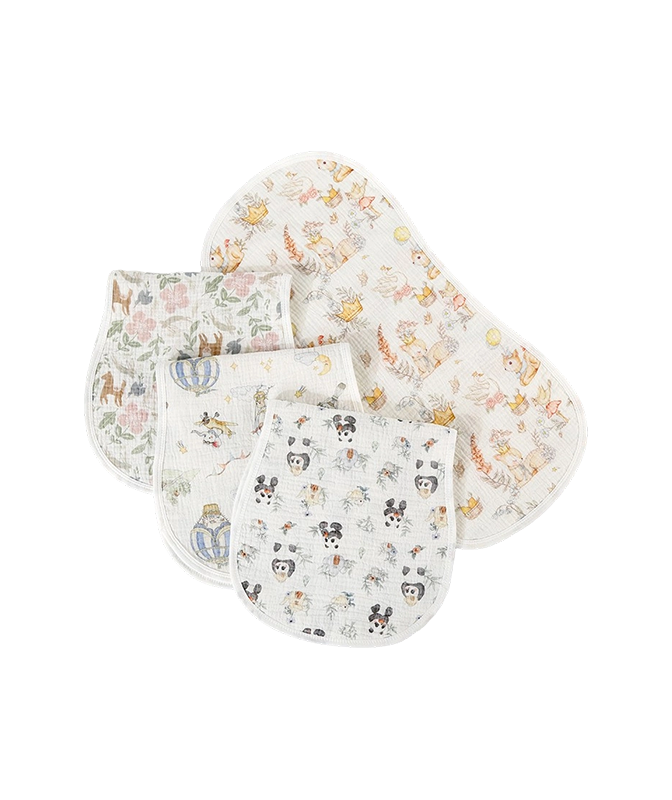
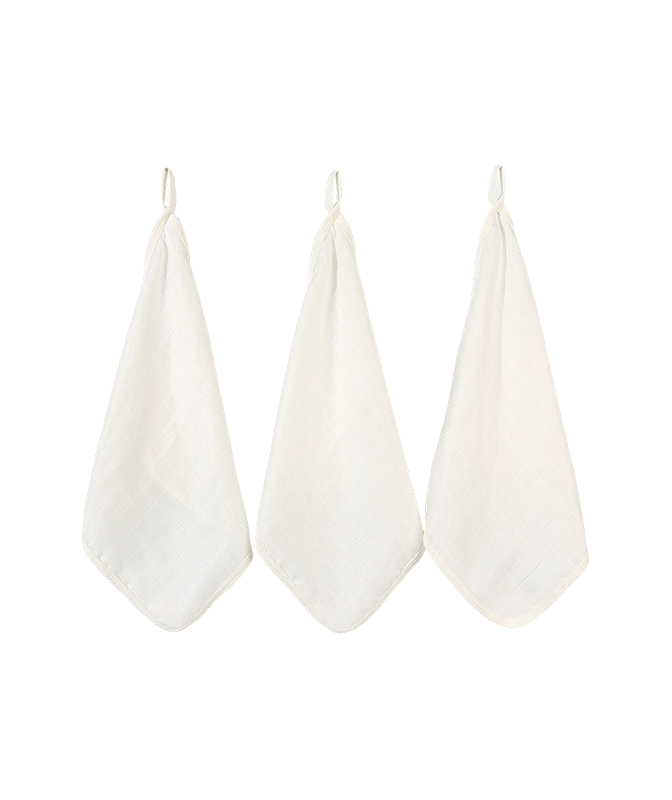
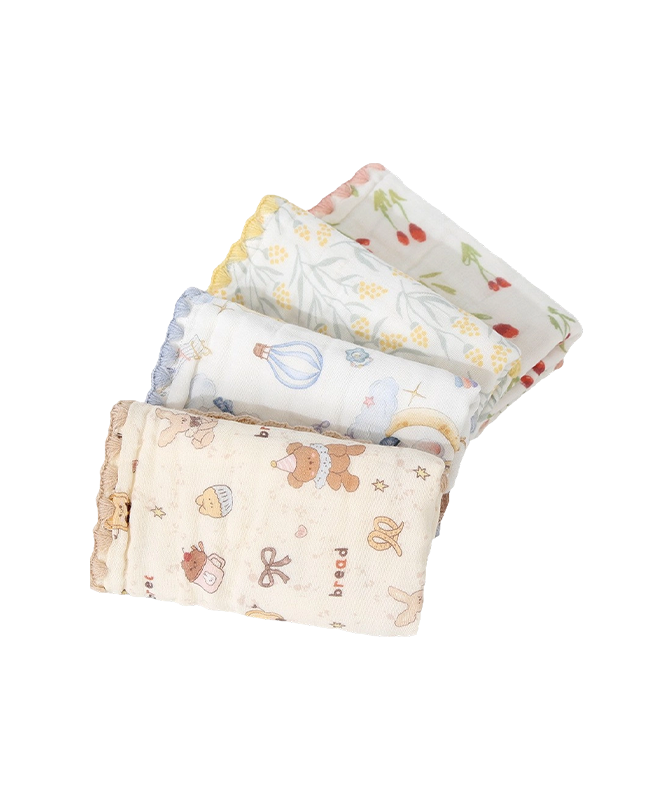
Breathable Baby Sleep Sack, Baby Gauze Bath Towels are increasingly discussed in infant care routines where post-bath handling and sleep transition are closely connected. It explains how Baby Gauze Bath Towels are used in gentle post-bath care, what design considerations influence their application, and how they work alongside breathable sleep sack products in daily routines.
Post-Bath Care Challenges in Infant Routines
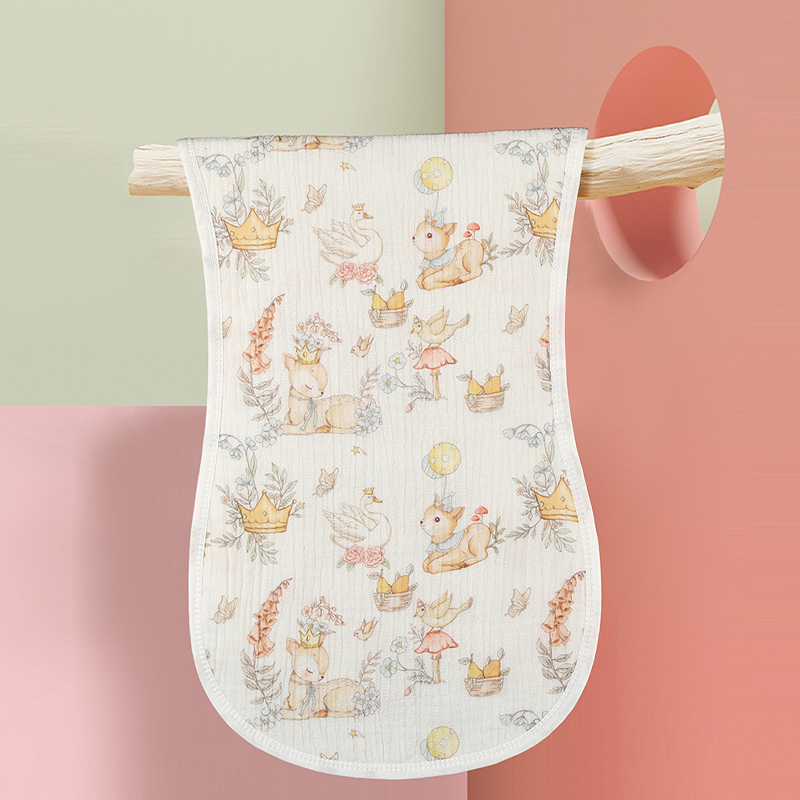
After bathing, infant skin remains sensitive to temperature changes and surface moisture. Caregivers usually need to manage drying, wrapping, and dressing within a short time window, while also ensuring that the fabric used does not feel too heavy or restrictive.
Traditional thick towels can absorb water effectively but may retain moisture for longer periods, making repeated handling less convenient in fast daily routines. At the same time, loose blankets used after bathing may shift during movement, which can require frequent adjustment.
In this context, Baby Gauze Bath Towels are often selected as an alternative material option because their structure is lighter and more flexible during wrapping and unfolding. After this stage, the Breathable Baby Sleep Sack is commonly used during rest periods, forming a sequential care routine from bath to sleep.
Material and Design Adjustment in Infant Textiles
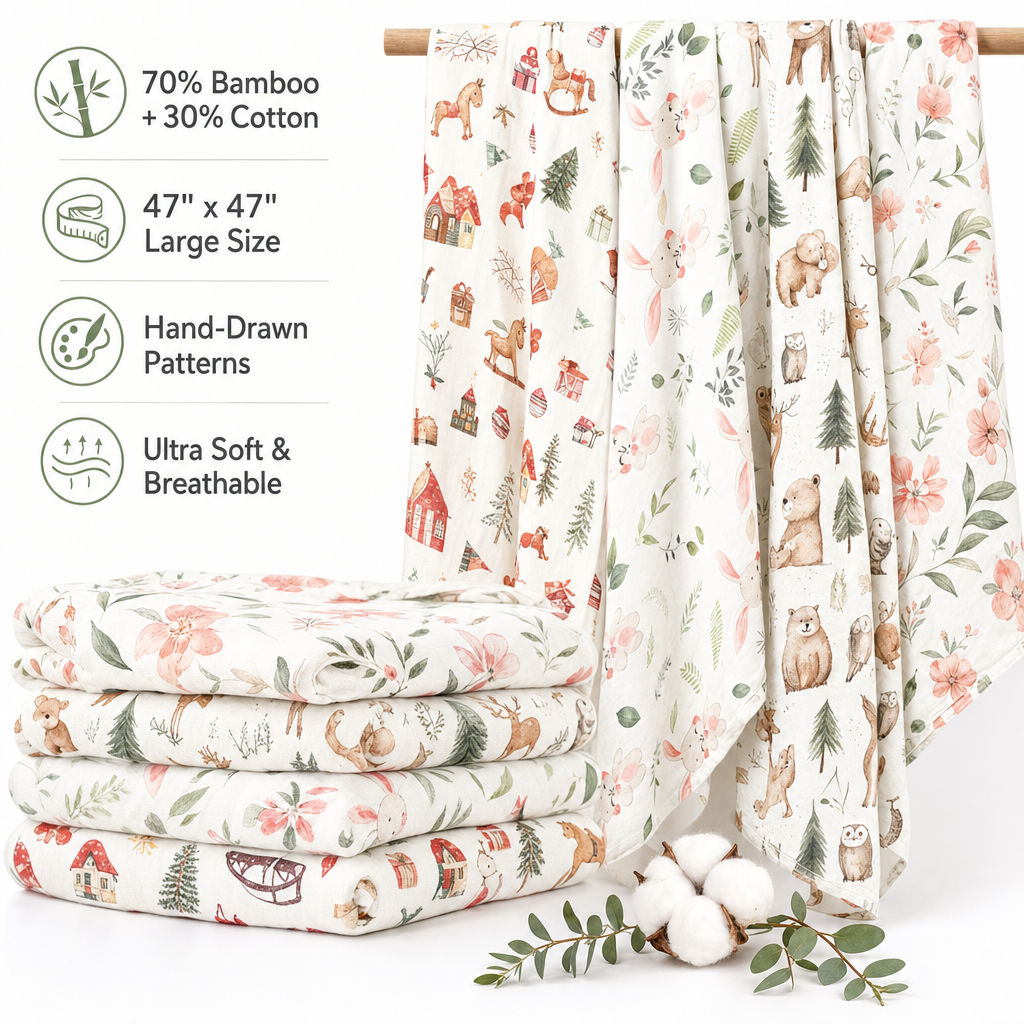
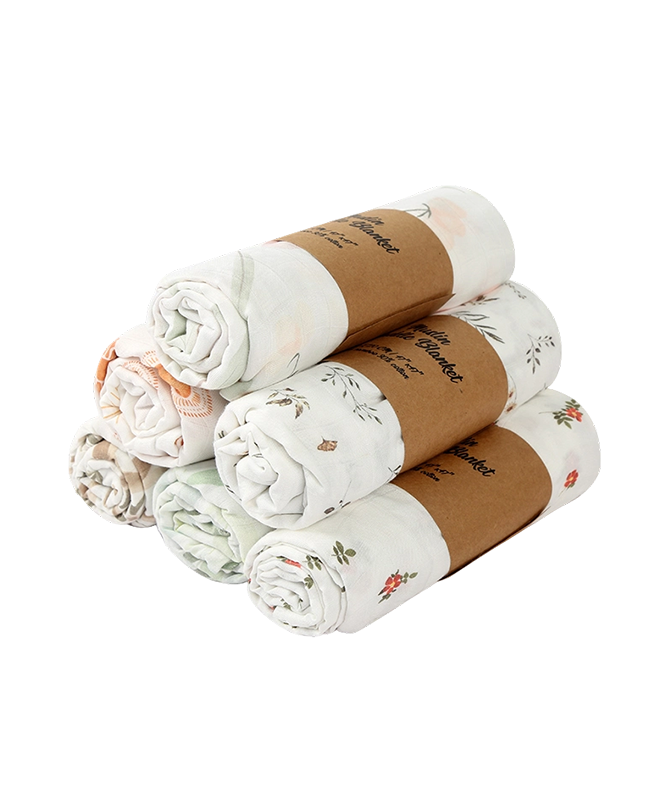
Baby Gauze Bath Towels are made using layered gauze cotton structures. The weaving style creates small gaps between fibers, allowing air to circulate more freely during and after use. This does not change the basic function of absorbing moisture but affects how quickly the fabric feels dry and how easily it can be folded or reused during daily care.
Breathable Baby Sleep Sack uses a wearable construction approach. Instead of placing fabric over the infant, it is worn like a garment. This design helps maintain coverage during movement and reduces the need for repeated adjustments during sleep. The material is typically lightweight and chosen for consistent texture across repeated washing cycles.
Structural comparison in practical use
|
Product Type |
Fabric Structure |
Main Usage Stage |
Handling Feature |
|
Baby Gauze Bath Towels |
Multi-layer cotton gauze |
Post-bath care |
Flexible wrapping and quick repositioning |
|
Breathable Baby Sleep Sack |
Lightweight wearable textile |
Sleep period |
Stable coverage during movement |
|
Standard bath towels |
Dense cotton loops |
Post-bath drying |
Higher absorption, slower drying |
This comparison shows how material design changes are aligned with different care stages rather than replacing each other.
Application in Post-Bath Care Routine
Baby Gauze Bath Towels are typically used immediately after bathing. The towel is wrapped around the infant to absorb surface moisture and help transition from bath to dressing. Because of its lighter structure, caregivers can adjust wrapping more easily without handling heavier fabric layers.
In many routines, after drying and dressing, Breathable Baby Sleep Sack is used as the final step before sleep. This creates a consistent flow where the infant moves from bathing to drying, then dressing, and finally into a sleep environment without switching between multiple thick coverings.
A simplified routine structure is often:
- Bathing stage: cleansing and water exposure
- Post-bath stage: Baby Gauze Bath Towels used for moisture handling
- Dressing stage: light clothing applied
- Sleep stage: Breathable Baby Sleep Sack used as a covering layer
This sequence helps organize daily care steps into predictable stages.
Usage Characteristics in Real Care Environments
In daily infant care environments, Baby Gauze Bath Towels are often selected for their flexibility during repeated use. Since bathing occurs frequently, especially in early infancy, caregivers tend to prefer materials that can be washed and dried without long waiting times.
Breathable Baby Sleep Sack is commonly used in nighttime environments where caregivers want to reduce the need for blanket adjustment. Because it stays positioned on the body, it reduces frequent repositioning during sleep movement.
Observed usage pattern reference
- Gauze towels are used multiple times per day in many households
- Sleep sacks are used primarily during night rest periods
- Fabric rotation is common, with several gauze towels used alternately
- Sleep sacks are often treated as a fixed sleep garment rather than a seasonal accessory
These patterns reflect how both products are integrated into routine childcare practice.
Practical Data: Daily Use and Handling Comparison
|
Care Factor |
Baby Gauze Bath Towels |
Breathable Baby Sleep Sack |
|
Frequency of use |
High (post-bath routine) |
Moderate (sleep cycle) |
|
Washing cycle |
Frequent due to daily bathing |
Regular but less frequent |
|
Handling time per use |
Short wrapping and unfolding cycles |
Extended overnight use |
|
Fabric contact stage |
Direct skin contact after bath |
Continuous sleep contact layer |
This data highlights differences in timing and usage rather than performance ranking.
Application Scenarios in Infant Care Routines
Baby Gauze Bath Towels are commonly used in home bathing routines, daycare environments, and travel situations where lightweight fabric handling is preferred. Their ability to be folded compactly also makes them suitable for carrying in diaper bags without occupying much space.
Breathable Baby Sleep Sack is often used in sleeping environments where caregivers prefer a consistent covering method without loose bedding. It is particularly relevant in settings where infants move frequently during sleep, as it reduces the need for repeated adjustment.
In combined use scenarios, both products support a continuous care process:
- Bathing → gauze towel wrapping → dressing → sleep sack use
This flow helps maintain consistent fabric transitions throughout the day.
Broader Perspective on Infant Textile Design
Infant textile design has been gradually moving toward lighter structures and simplified care routines. Baby Gauze Bath Towels reflect this direction in post-bath handling, where fabric is designed for frequent washing and flexible use. Breathable Baby Sleep Sack reflects a similar direction in sleep environments, focusing on wearable design instead of loose fabric covering.
This shift is not only about material choice but also about how daily care routines are structured. Instead of using multiple heavy layers, caregivers can rely on sequential lightweight products that match different stages of infant care.