English
 Español
 Deutsch
 عربى
عربى
Breathable Baby Sleep Sack, Baby Gauze Bath Towels are increasingly referenced together in infant daily care routines where fabric softness, breathability, and handling convenience are considered important in early childcare practice.
Why Soft Textile Choices Matter in Daily Routine
Infant care routines usually involve repeated cycles of bathing, drying, dressing, and sleeping within a short time span. In this sequence, the materials that come into direct contact with skin are often selected based on texture, moisture handling, and ease of use.
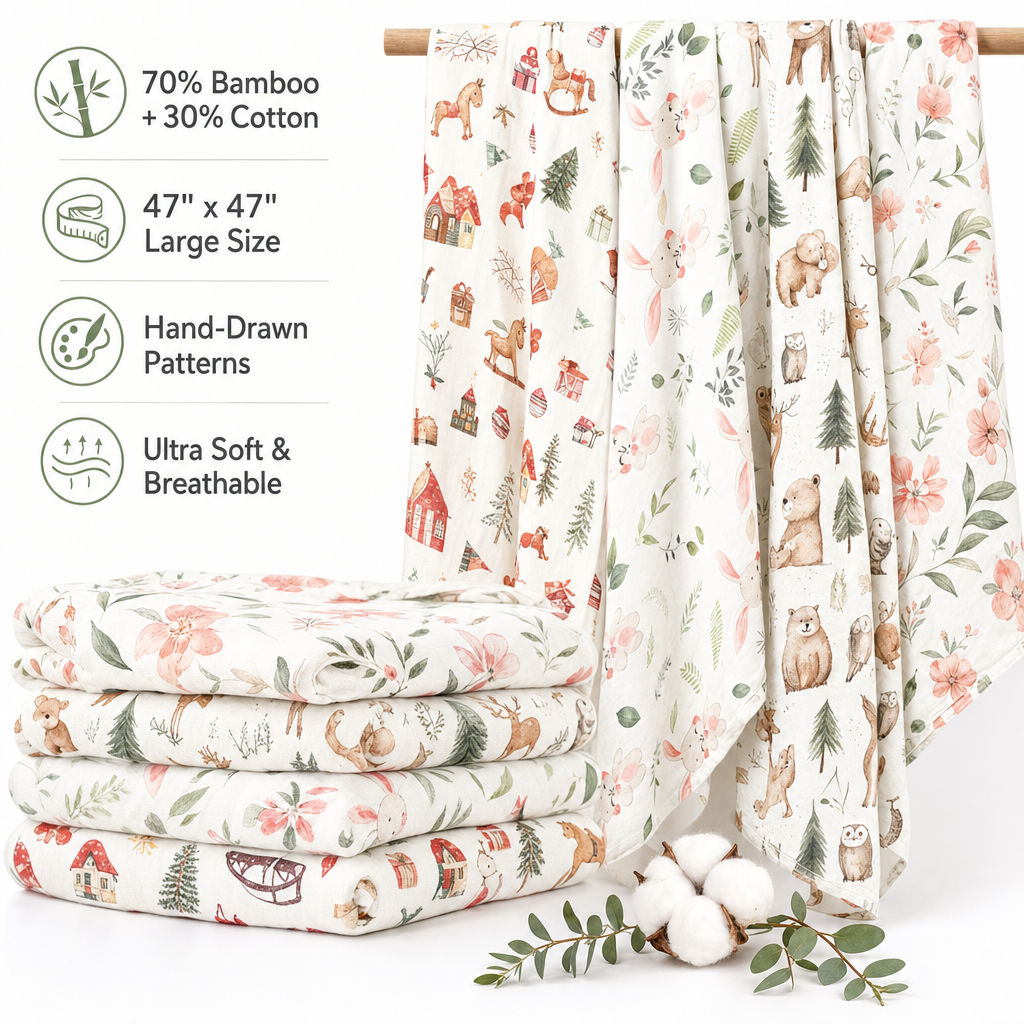
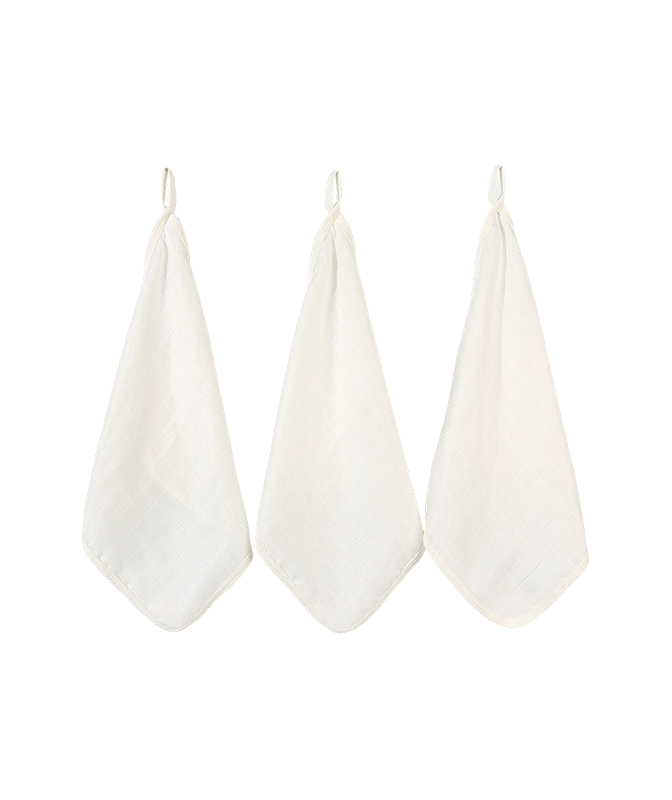
After bathing, the skin is still slightly damp, and caregivers typically use towels to absorb water before dressing. Baby Gauze Bath Towels are often used in this step because gauze fabric allows air to pass through more freely compared with denser towel structures. This reduces the time fabric stays wet during use and makes handling more flexible during repeated daily washing cycles.
Following this stage, infants transition into rest or sleep periods, where the Breathable Baby Sleep Sack is commonly used as a wearable covering layer. Instead of loose blankets, sleep sacks provide structured coverage while still allowing movement, which fits into routines where frequent repositioning is avoided during sleep.
The connection between these two products is not functional overlap but sequential use within a daily care flow.
Product Structure and Material Direction
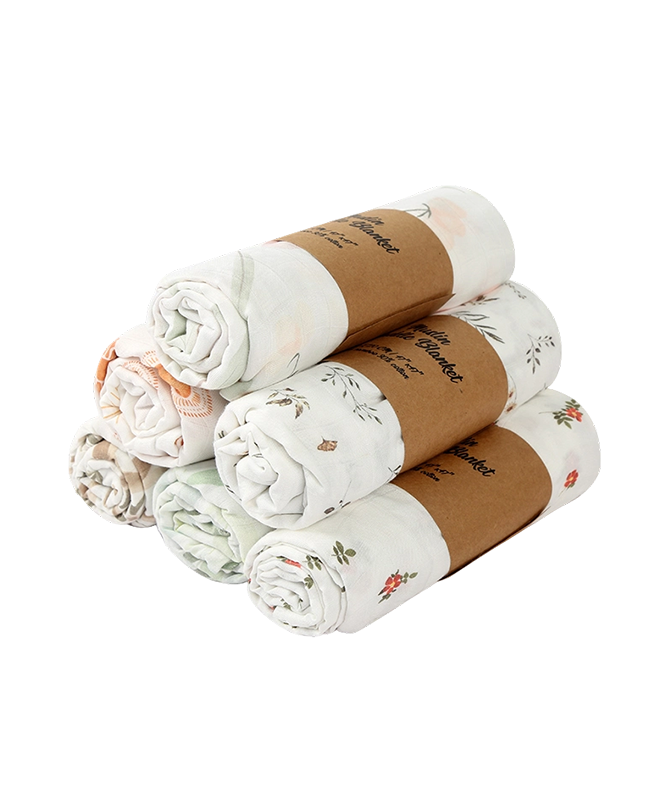
Baby Gauze Bath Towels are typically constructed using multiple layers of loosely woven cotton gauze. This structure creates small air channels within the fabric, which affects how moisture spreads and evaporates after use. Unlike thicker towels, gauze towels rely more on a layered fabric design rather than dense fiber absorption.
Breathable Baby Sleep Sack, on the other hand, uses a wearable design that keeps the fabric positioned around the body. The structure is shaped to allow leg movement while maintaining consistent coverage during sleep. The material selection often focuses on lightweight textile layers that do not add unnecessary bulk when the infant changes position.
Common structural differences in use
|
Product Type |
Fabric Structure |
Primary Function Stage |
Handling Feature |
|
Baby Gauze Bath Towels |
Multi-layer cotton gauze |
Post-bath drying |
Flexible wrapping and quick handling |
|
Breathable Baby Sleep Sack |
Lightweight woven fabric |
Sleep period |
Wearable structure with stable positioning |
|
Traditional Bath Towels |
Dense cotton loops |
Post-bath drying |
Higher absorbency but heavier texture |
This comparison highlights that the two products are not substitutes but serve different points in the daily routine.
Application in Infant Daily Care Flow
Baby Gauze Bath Towels are typically used immediately after bathing. Caregivers wrap the towel around the infant to absorb surface moisture before moving to dressing. Because gauze fabric is relatively thin, it allows for quicker repositioning and easier folding during repeated use.
The breathable baby sleep sack is then used during rest or sleep periods. Instead of adjusting blankets, caregivers place the infant directly into the sleep sack, which reduces the need for frequent covering adjustments during movement.
A simplified routine often looks like this:
- Bathing stage: water exposure and cleansing
- Drying stage: Baby Gauze Bath Towels used for surface moisture handling
- Dressing stage: light clothing layers applied
- Sleep stage: Breathable Baby Sleep Sack used for overnight covering
This sequence reduces the number of fabric changes and simplifies handling during nighttime care.
Usage Observation Table: Daily Handling Characteristics
|
Routine Step |
Product Used |
Observed Handling Feature |
Care Consideration |
|
After bath |
Baby Gauze Bath Towels |
Lightweight wrapping and quick adjustment |
Easier repeated washing cycles |
|
Dressing transition |
Cotton clothing layers |
Short handling period |
Layer coordination |
|
Sleep period |
Breathable Baby Sleep Sack |
Stable positioning during movement |
Reduced need for repositioning |
This structure shows how textile selection changes depending on the stage of care rather than a single-use function.
Practical Usage Notes from Care Settings
In everyday childcare environments, Baby Gauze Bath Towels are often selected for environments where frequent washing is needed. Their lightweight structure makes them easier to dry after cleaning, which supports repeated daily use.
Breathable Baby Sleep Sack is commonly used in sleep environments where caregivers prefer a consistent covering method without loose fabric around the crib or bed area. This reduces the need to adjust blankets during sleep cycles.
Some practical usage patterns include:
- Using multiple gauze towels in rotation for daily bath cycles
- Pairing sleep sacks with light inner clothing layers depending on room temperature
- Selecting gauze materials for warmer indoor environments where thicker fabrics feel less suitable
- Keeping sleep sacks as a fixed nighttime garment rather than changing bedding frequently
These patterns reflect how both products are integrated into routine care rather than used independently.
Data Reference: Usage Pattern Summary in Care Routines
Based on general childcare usage observations across household routines, the following patterns are commonly reported:
|
Routine Factor |
Baby Gauze Bath Towels |
Breathable Baby Sleep Sack |
|
Daily usage frequency |
High (often multiple times per day) |
Moderate (primarily nighttime) |
|
Washing cycle |
Frequent |
Regular but less frequent |
|
Handling time per use |
Short |
Extended (overnight period) |
|
Fabric interaction stage |
Post-bath skin contact |
Sleep coverage layer |
This comparison reflects functional distribution across different care phases.
Broader Textile Direction in Infant Care
Infant textile design is gradually moving toward simpler handling systems that reduce unnecessary layering. Baby Gauze Bath Towels represent this shift in post-bath care, where fabric is designed to be lightweight, washable, and easy to reposition.
At the same time, Breathable Baby Sleep Sack reflects a similar direction in sleep-related care, focusing on structured wearable formats rather than loose coverings. Both product types show a preference for reducing complexity in daily handling while maintaining basic comfort-related functions such as airflow and moisture management.
This direction also aligns with caregiving environments where time efficiency and repeated washing cycles are important considerations.