English
 Español
 Deutsch
 عربى
عربى
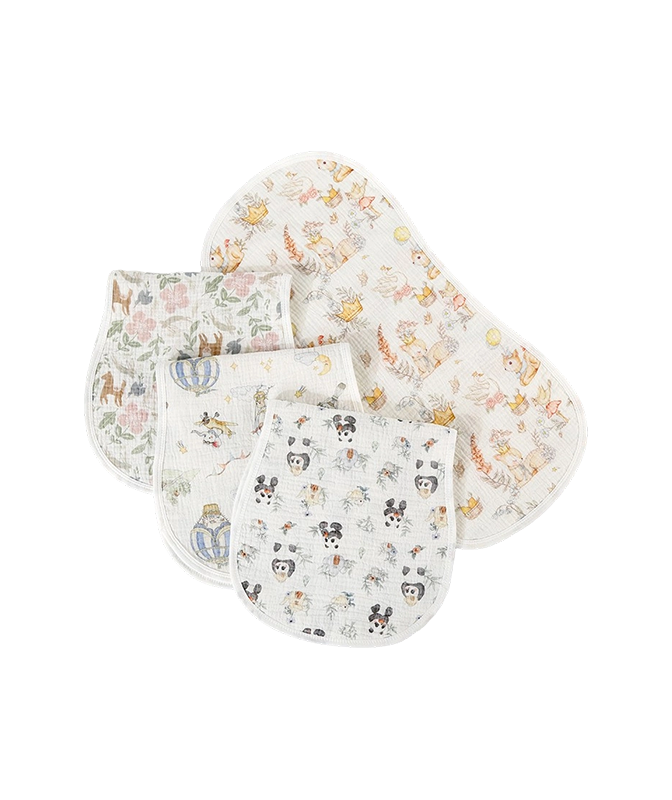
Breathable Baby Sleep Sack, Baby Gauze Bath Towels are increasingly used in infant care products as parents pay more attention to airflow, fabric safety, and daily usability. This article explains what this product direction is addressing, how design details are adjusted, and where these items are commonly applied in real caregiving routines.
What Caregivers Are Trying to Solve at Night
Infant nighttime rest often involves frequent adjustments due to temperature changes, movement, and fabric comfort concerns. Traditional blankets can shift during sleep, which may cause caregivers to look for alternatives that stay in place and provide consistent coverage without heavy layering.
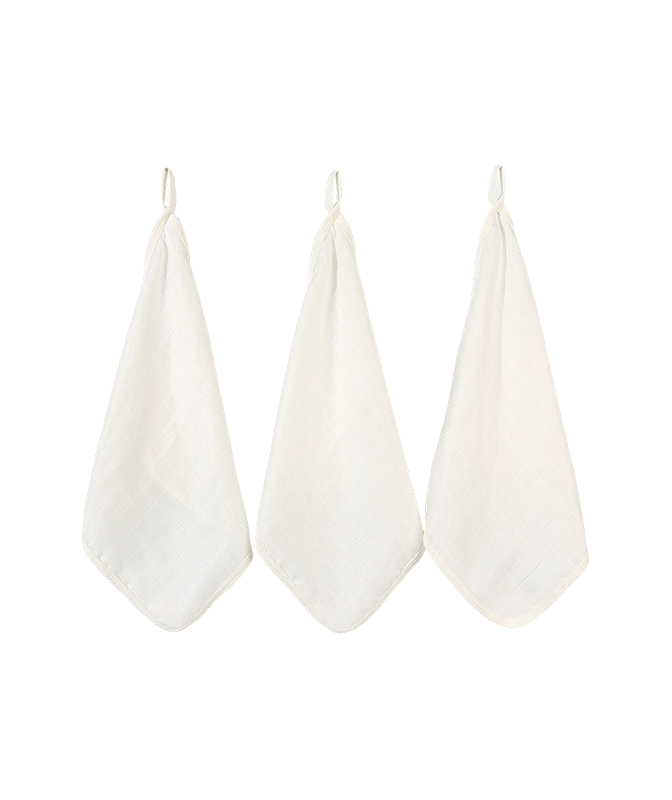
At the same time, post-bath care routines also influence sleep quality. After bathing, babies are typically wrapped in towels before dressing, and fabric texture or moisture retention can affect how smoothly this transition happens. Baby Gauze Bath Towels are often considered in this context because gauze materials are lightweight and allow air circulation, helping reduce lingering dampness after bathing.
These two product types are often discussed together because they both relate to fabric breathability, temperature balance, and ease of handling during routine care.
Product Design Adjustments and Material Approach
The development direction behind Breathable Baby Sleep Sack focuses on reducing fabric heaviness while maintaining structured coverage. Instead of loose blankets, sleep sacks are designed as wearable sleeping layers that keep the baby covered without requiring constant adjustment during the night.
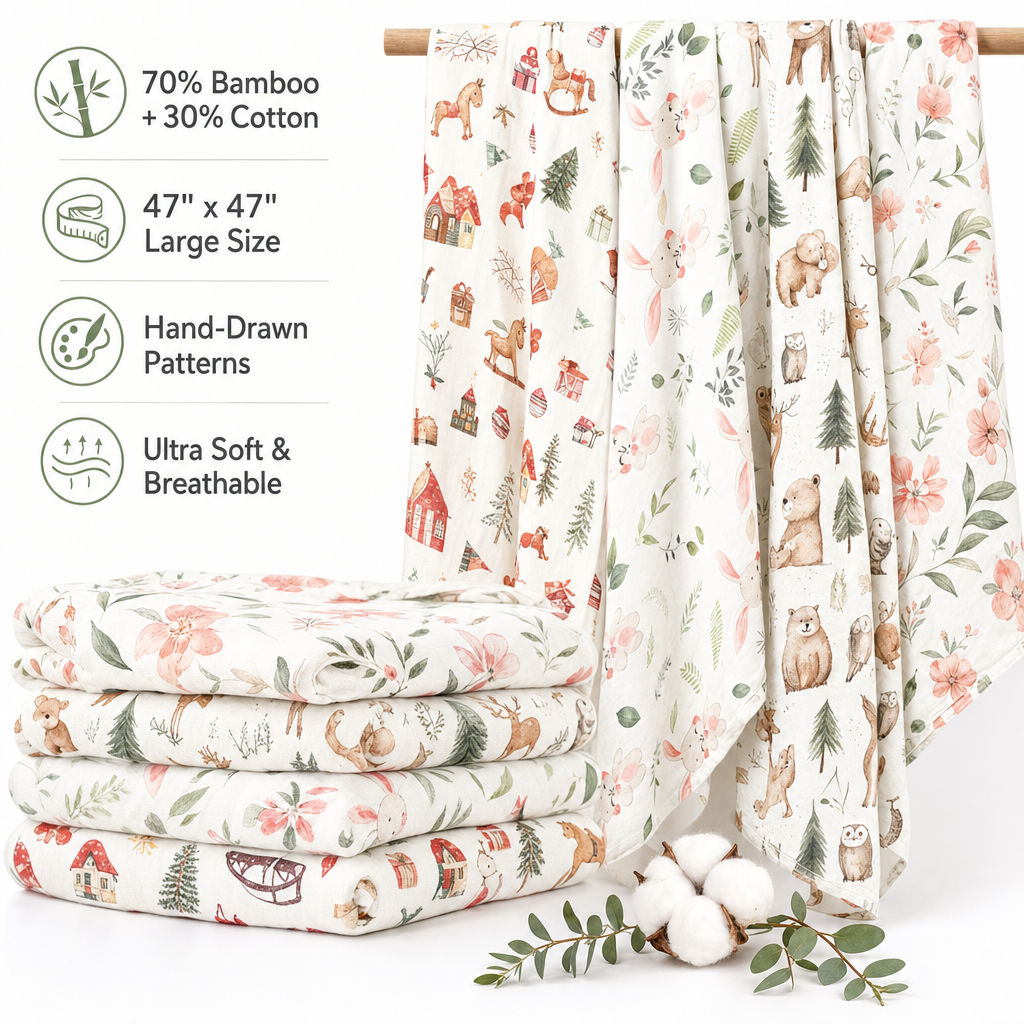
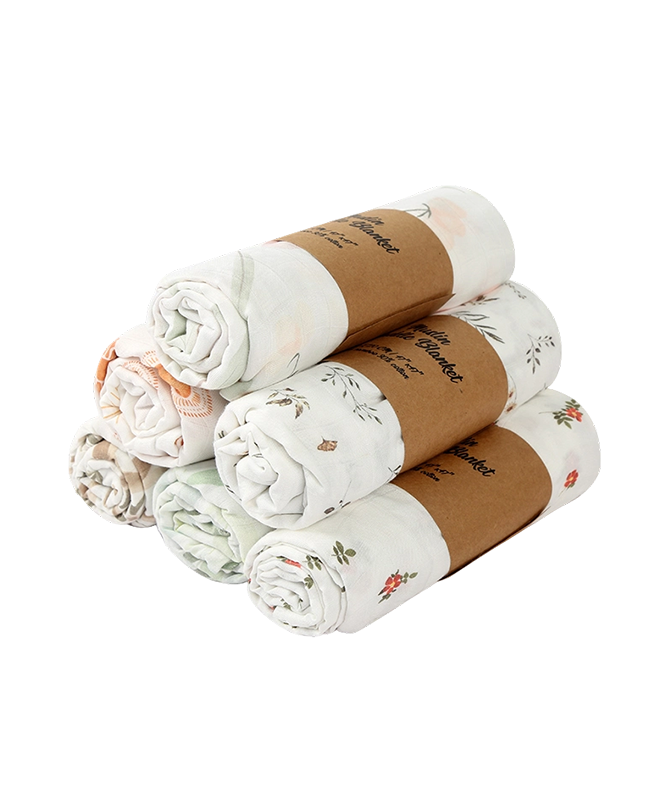
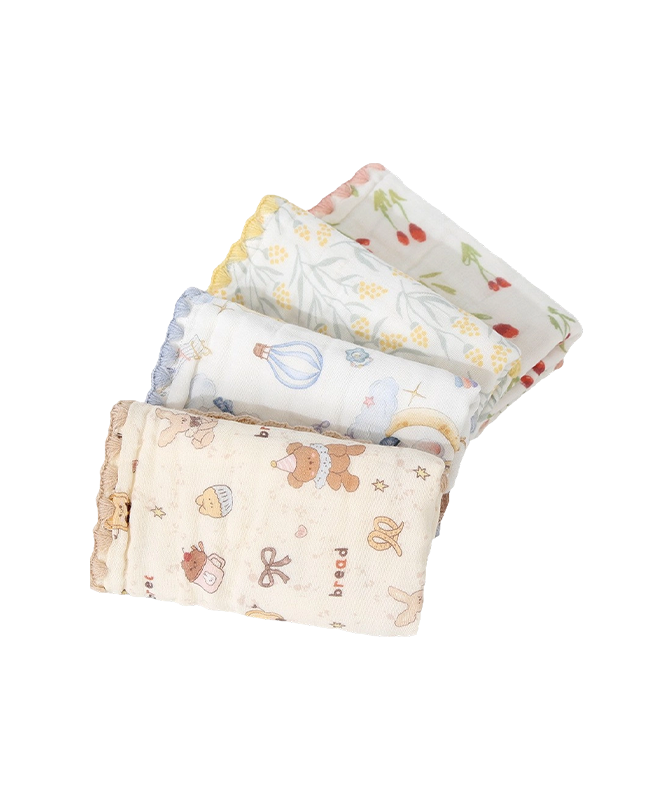
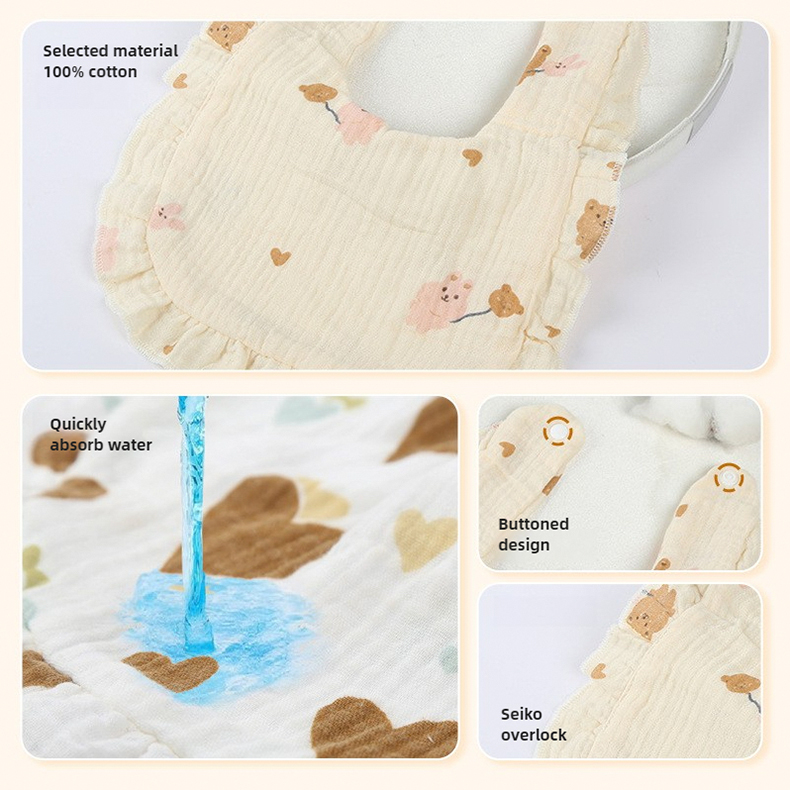
Baby Gauze Bath Towels follow a similar logic but are used earlier in the daily routine. They are typically made with multi-layer gauze structures that allow air to pass through more easily compared with thicker terry cloth. This helps the towel dry faster after use and reduces the sense of dampness when wrapped around the infant.
|
Item Type |
Main Material Structure |
Primary Use Stage |
Functional Focus |
|
Breathable Baby Sleep Sack |
Lightweight woven or cotton blend layers |
Sleep time |
Stable coverage during movement |
|
Baby Gauze Bath Towels |
Multi-layer gauze cotton |
Post-bath care |
Moisture release and airflow |
|
Traditional Blanket |
Single dense fabric layer |
General use |
Warmth without structure |
Sleep sack designs usually include front or side openings for easier dressing, while gauze bath towels rely more on flexible wrapping formats. Both prioritize reducing fabric bulk so that airflow is not heavily restricted during use.
Usage in Daily Infant Care Routines
In practical use, the Breathable Baby Sleep Sack is mainly applied during nighttime sleep cycles when caregivers want to avoid loose bedding. The structured design helps keep the fabric positioned around the body even when infants move frequently during sleep.
Baby Gauze Bath Towels are commonly used right after bathing, especially in environments where quick drying and lightweight handling are preferred. After a bath, the towel is wrapped briefly to absorb water on the skin surface, then removed or replaced with clothing layers. Because gauze fabric is thin, it does not retain excessive moisture for long periods.
In some routines, both products are used in sequence: bath → gauze towel wrap → sleep sack dressing. This creates a simplified transition from bathing to sleep without switching between multiple heavy fabric layers.
Observed Usage Feedback from Care Settings
Based on routine caregiving reports and user feedback in childcare environments, several recurring points appear regarding both products:
- Caregivers note that sleep sacks reduce the need to re-cover infants during sleep
- Gauze towels are often preferred in warmer indoor environments due to lighter texture
- Fabric breathability is frequently mentioned in relation to seasonal changes
- Washing and drying time is considered important in repeated daily use
These observations are not limited to one specific environment and are often discussed in both home care and nursery settings.
Practical Comparison of Functional Characteristics
Rather than focusing on performance claims, the comparison below highlights structural and usage differences that influence daily handling:
- Breathable Baby Sleep Sack focuses on fixed positioning during movement, while gauze towels are designed for flexible wrapping and removal
- Sleep sacks are generally used for longer continuous periods, whereas gauze towels are used in shorter cycles
- Airflow consideration is built into both, but applied differently: sleep sacks manage internal temperature balance, gauze towels manage post-wash moisture release
- Care routines using both products tend to reduce the number of fabric changes needed during early childcare stages
These distinctions help explain why the two products are often discussed together in infant textile planning.
Broader Industry Direction in Infant Textile Design
Infant textile development has been gradually shifting toward lighter structures and multi-stage usability. Products like Breathable Baby Sleep Sack reflect a trend toward reducing loose bedding in sleep environments, while Baby Gauze Bath Towels reflect a similar shift in post-bath care materials.
Instead of relying on thicker insulation layers, more designs now focus on layered breathability and easier washing cycles. This direction also aligns with modern household routines where quick drying, frequent washing, and simple handling are important factors.
Material selection is also becoming more standardized around cotton-based gauze and blended breathable fabrics. These materials are easier to maintain across repeated washing cycles and maintain a consistent texture over time.
Frequently Asked Questions (FAQ)
Q1: What age range is typically suitable for a Breathable Baby Sleep Sack?
It is generally used from early infant stages through toddler periods, depending on size variations and mobility level.
Q2: Can Baby Gauze Bath Towels be used outside bathing time?
Yes, they can also be used as light wraps during resting periods or stroller use in mild indoor environments.
Q3: How does a sleep sack differ from a regular blanket in use?
A sleep sack stays wearable on the body, while a blanket is placed over the body and may shift during movement.
Q4: Are gauze bath towels suitable for all seasons?
They are often used in warmer or indoor-controlled environments, but can also be layered depending on temperature needs.
Q5: Do sleep sacks restrict movement?
They are designed to allow basic leg and arm movement while maintaining overall coverage.
Q6: How should both products be maintained for daily use?
Regular washing with mild detergent and air drying is commonly recommended to maintain fabric texture and usability.