English
 Español
 Deutsch
 عربى
عربى
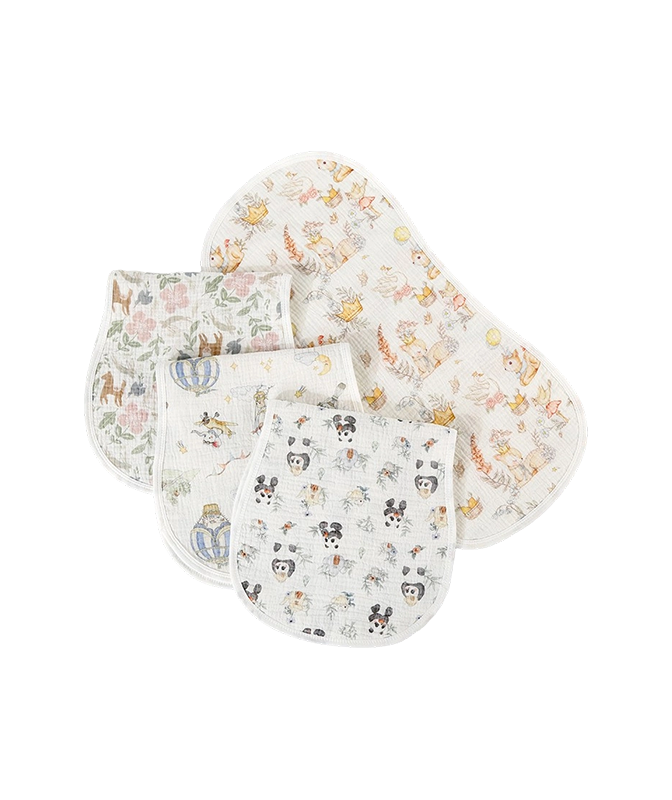
Feeding and caring for infants involves frequent small spills, dribbles, and unexpected messes, which are a normal part of daily routines. Items such as Baby Burp Cloths and Multi-purpose Baby Cloths are widely used by caregivers to manage these situations, providing a practical layer of protection for both the baby and caregiver. Their design and adaptability allow them to serve multiple functions, helping maintain cleanliness and comfort during feeding, burping, and general handling throughout the day.
The Role of Cloths During Feeding
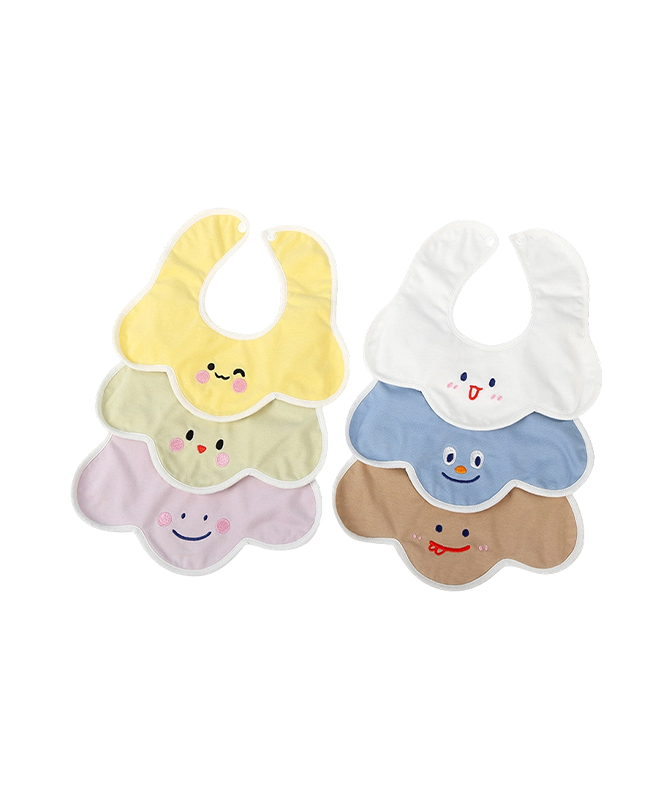
Feeding sessions naturally result in moisture around the baby's mouth and chin. Spit-up, milk dribbles, or drooling can quickly dampen clothing and nearby surfaces. Baby burp cloths act as an accessible layer that absorbs moisture before it spreads, reducing the need for frequent outfit changes.
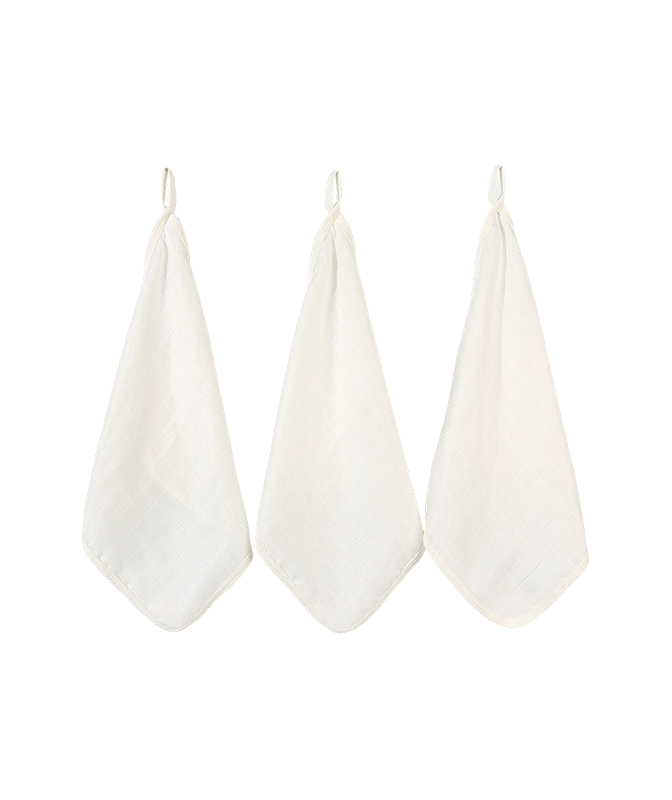
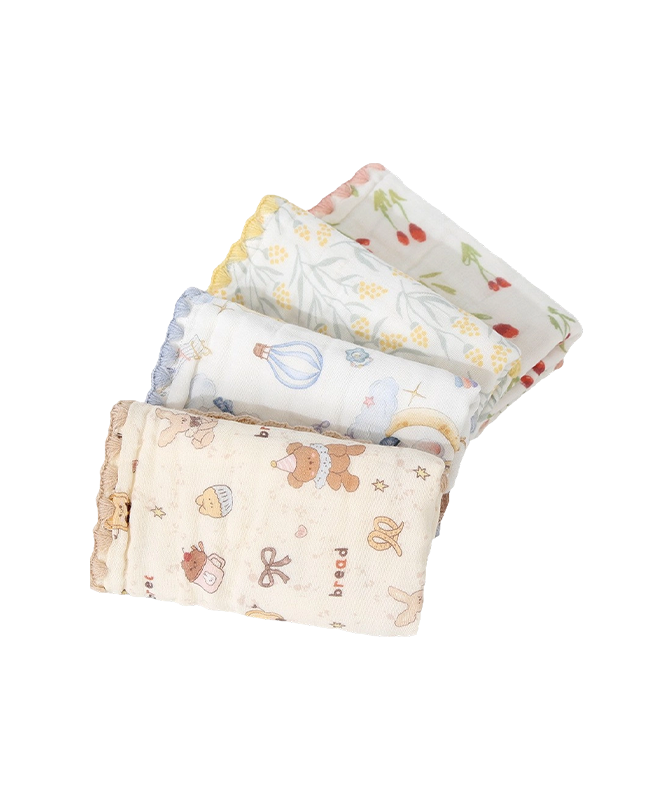
Multi-purpose baby cloths extend this support by allowing caregivers to switch tasks without reaching for a separate item. A single cloth can serve as a burp cloth during feeding, a hand wipe after a quick spill, or a surface cover for temporary protection. Their versatility helps manage messes efficiently in different parts of the home or while traveling.
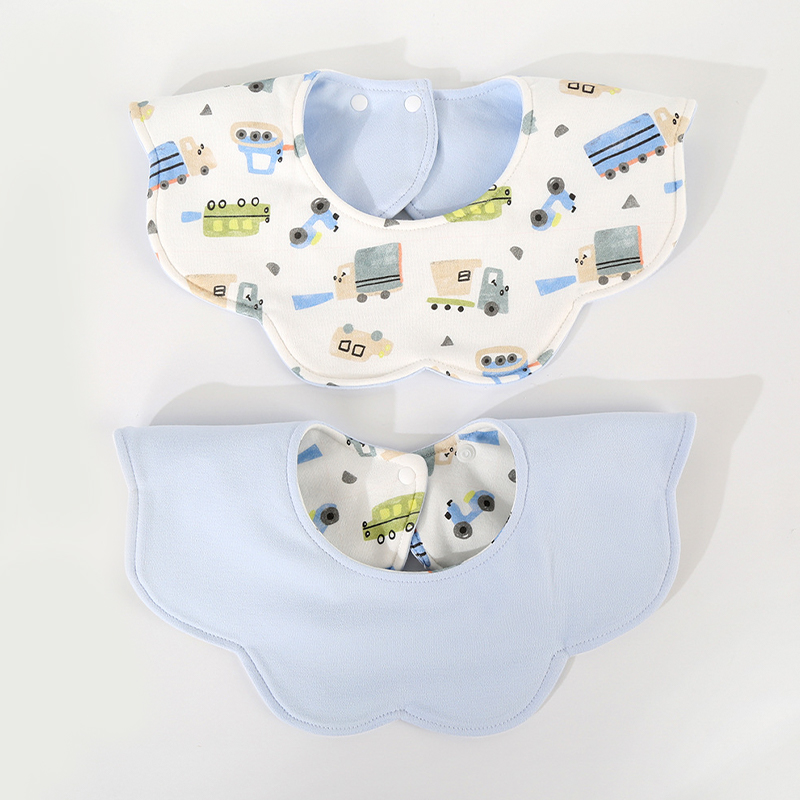
Key Practical Features to Consider
When choosing cloths for daily use, several practical factors can influence how well they perform:
Absorbency and softness
Cloths should capture moisture quickly without feeling rough on delicate skin.
Appropriate size and shape
Larger cloths provide better coverage for shoulders and laps during burping, while smaller options may be suitable for quick wipes.
Durable stitching and edges
Secure seams help the cloth maintain structure through repeated washing, but edges should remain soft to prevent irritation.
Lightweight and portable
Cloths that fold easily can be carried in diaper bags or kept near feeding areas for immediate access.
Maintenance-friendly fabrics
Materials that retain softness and shape after multiple washes support frequent use without losing comfort.
These features help caregivers handle daily messes with less disruption and without requiring multiple specialized items.
Managing Mess Beyond Feeding
While their primary association is with burping, these cloths serve several roles throughout daily care. After feeding, a burp cloth can be repositioned to wipe the baby's hands or face, clean minor spills, or temporarily cover a chair or car seat. Multi-purpose baby cloths may also assist during diaper changes, acting as a quick wipe or protective surface.
Their compact size and flexibility allow cloths to adapt to various tasks, reducing the need to carry extra towels or wipes. This adaptability is particularly useful for caregivers managing multiple responsibilities or for families on the go.
Organizing Cloths for Daily Efficiency
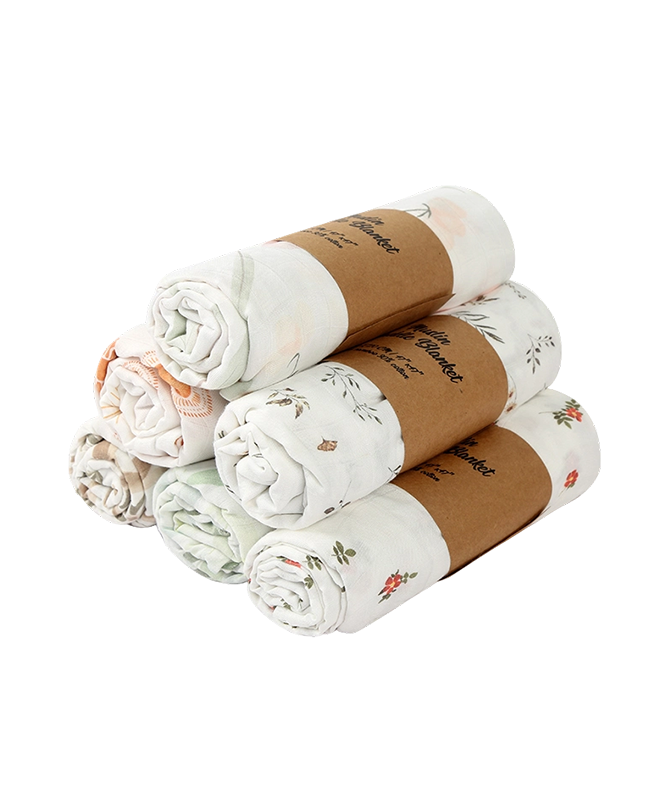
Having a dedicated supply of clean cloths in convenient locations supports smoother routines. Caregivers may keep a stack near feeding areas, in diaper bags, or within reach during travel. This ensures cloths are readily available for quick replacement during meals or unexpected spills.
Rotating cloths throughout the day helps maintain hygiene and limits repeated exposure to moisture, which is especially important when caring for babies with sensitive skin. Organizing by function—feeding, wiping, and general cleaning—can further streamline daily activities.
Balancing Comfort and Protection
Baby burp cloths contribute to both comfort and cleanliness. A dry surface around the baby's chin and neck helps reduce skin irritation from moisture accumulation. For caregivers, cloths minimize the need to constantly wipe clothing, allowing for smoother interactions during feeding and play.
Multi-purpose cloths that are soft and flexible provide this balance without requiring additional items. They can be used repeatedly throughout the day for different tasks while maintaining a consistent level of comfort for the baby.
Material Considerations for Sensitive Skin
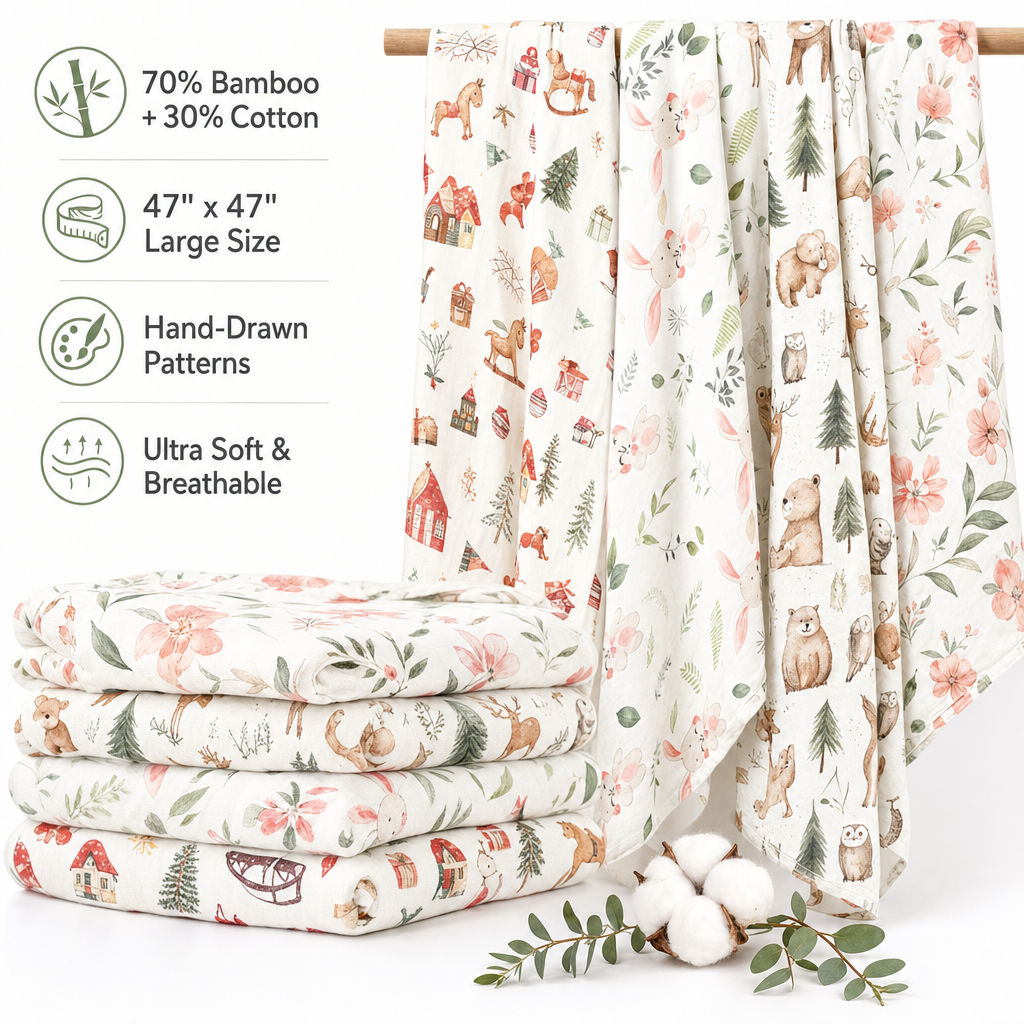
The fabric used in burp and multi-purpose cloths can influence daily usability. Soft, breathable materials such as cotton or muslin allow moisture to be absorbed while reducing friction against the baby's skin. Fabrics that maintain softness after multiple washes help preserve comfort during frequent use.
Supporting Practical Hygiene Practices
Regular cleaning and proper maintenance of cloths contribute to overall hygiene. Using a fresh cloth for each feeding session or messy interaction reduces the spread of moisture and keeps surfaces clean. Gentle detergents and appropriate drying methods help maintain fabric quality without altering texture.
Having multiple cloths available ensures continuity throughout the day, preventing interruptions to feeding or play routines and allowing caregivers to respond efficiently to messes.