English
 Español
 Deutsch
 عربى
عربى
Breathable Baby Sleep Sack and Baby Gauze Bath Towels are increasingly being discussed together in modern baby care discussions as caregivers look at how fabric selection influences daily infant routines. This article explains how these two textile products are being applied in practical baby care systems, focusing on material structure, usage scenarios, and the way lightweight fabric design is being integrated into everyday care routines.
Background and Care Environment Considerations
Infant care products are often designed around two main concerns: comfort during long wear and ease of handling during frequent cleaning routines. In many households, textile products like sleep sacks and bath towels are used multiple times a day, which makes fabric behavior under repeated washing and extended contact an important factor to observe.
A Breathable Baby Sleep Sack is typically used as a wearable covering that replaces loose bedding. It is designed to maintain consistent coverage during sleep without requiring additional blankets. At the same time, Baby Gauze Bath Towels are commonly used after bathing, where quick water absorption and gentle surface contact are considered important in handling infant skin.
The challenge in baby care systems is not only about selecting individual items but also about how different textile products work together in a routine. For example, sleepwear and bath-time textiles are often part of the same daily cycle, which places attention on fabric weight, drying speed, and layering compatibility.
Fabric Structure and Product Development Approach
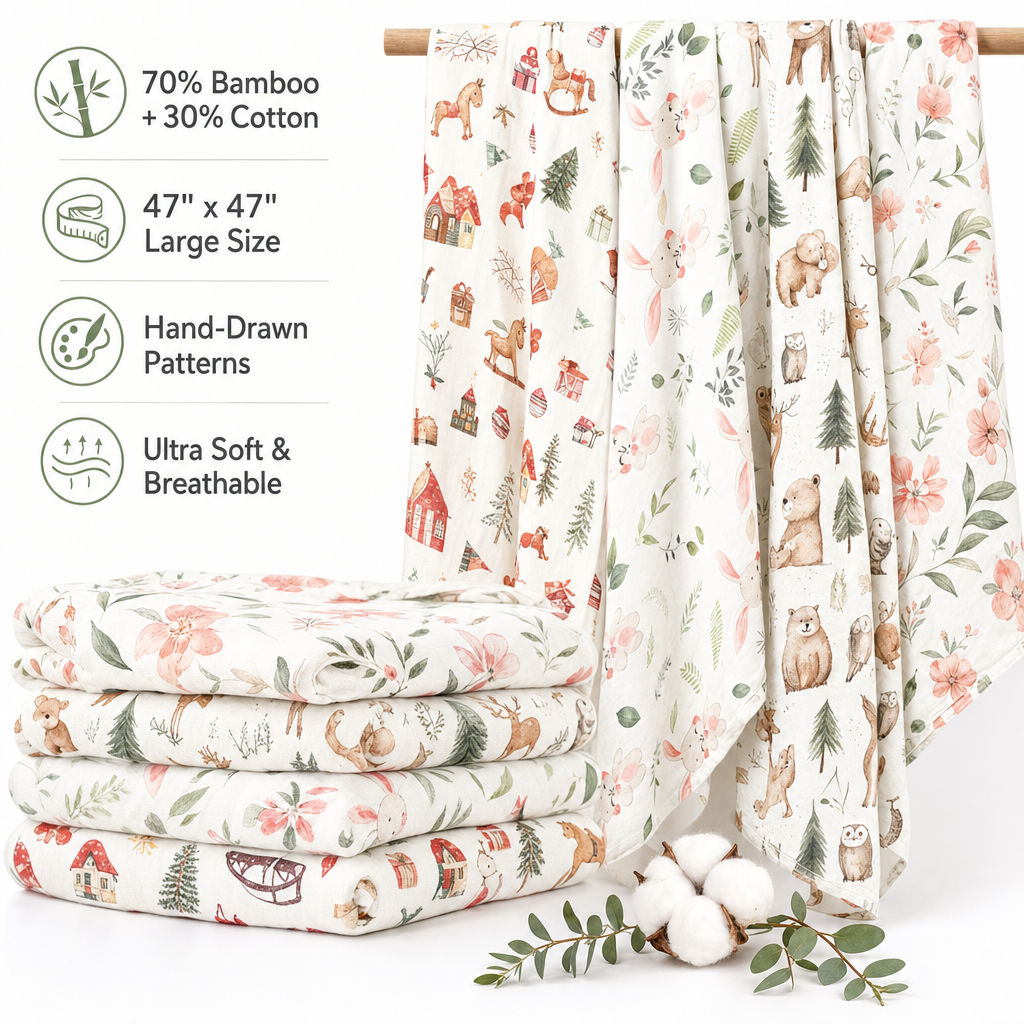
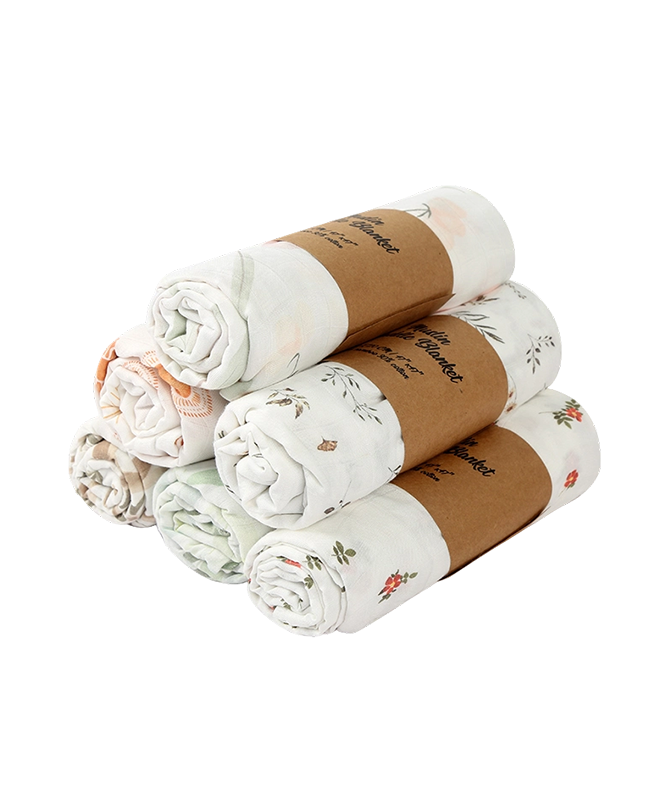
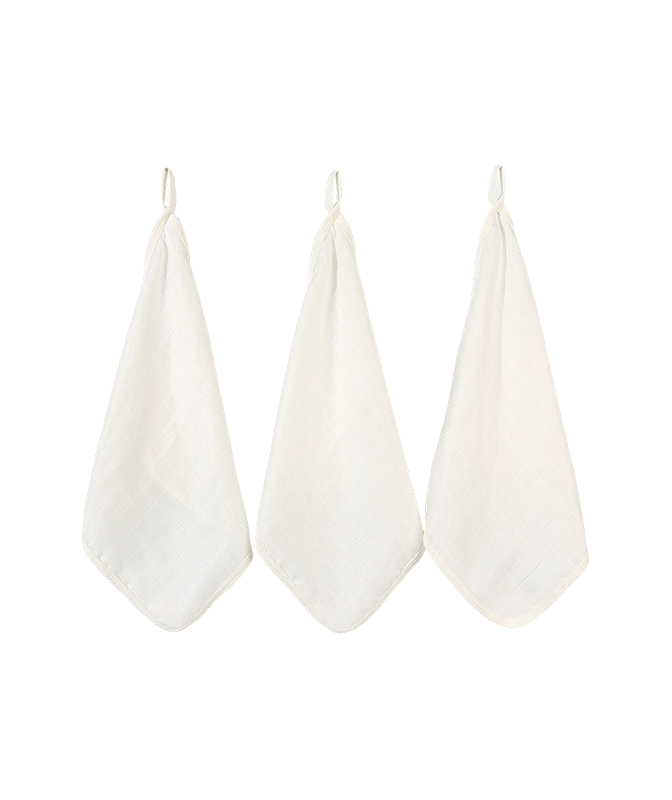
Recent textile development for infant care has placed attention on gauze-based weaving methods and multi-layer lightweight construction. Baby Gauze Bath Towels often use loosely woven cotton structures, allowing air circulation through the fabric while maintaining softness when damp.
A Breathable Baby Sleep Sack generally uses layered fabrics with controlled thickness. The goal is not to create heavy insulation but to maintain steady airflow while preventing overheating or excessive cooling during sleep transitions.
Key structural characteristics include:
- Gauze weaving that reduces fabric density while maintaining surface softness
- Multi-layer stitching is used in sleep sacks to balance warmth and airflow
- Flat seam design to reduce friction points during movement
- Pre-washed textile processing to stabilize fabric texture before use
- Lightweight fiber alignment for quicker drying after washing
The development focus is less about adding features and more about adjusting fabric behavior under repeated household use, especially in washing-drying cycles and daily handling.
Application in Daily Baby Care Routines
In practical settings, Baby Gauze Bath Towels and Breathable Baby Sleep Sack products are often used in sequence throughout the day. After bathing, gauze towels are used for drying, followed by changing into sleepwear or sleep sacks, depending on the time of day.
These products are applied in several routine scenarios:
Post-bath drying and skin contact management
Transition from bathing to rest or sleep periods
Indoor temperature variation during day and night cycles
Travel situations where compact textile storage is needed
Routine washing rotation within household laundry cycles
The lightweight structure of gauze towels allows them to be folded easily and stored in small spaces, which is useful for households managing multiple infant care items. Sleep sacks, on the other hand, reduce the need for separate blankets, which simplifies bedtime preparation routines.
Comparative Fabric Attributes in Use
While both products serve different functions, they share similarities in material approach. The table below outlines general usage-oriented characteristics without ranking performance:
|
Feature Area |
Baby Gauze Bath Towels |
Breathable Baby Sleep Sack |
|
Fabric Type |
Multi-layer cotton gauze |
Lightweight layered fabric |
|
Primary Use |
Drying after bathing |
Sleep coverage during rest |
|
Airflow Behavior |
High due to loose weave |
Controlled ventilation structure |
|
Drying Time |
Relatively short |
Moderate depending on layer thickness |
|
Storage Form |
Foldable, compact |
Foldable but structured shape |
|
Skin Contact |
Direct after bathing |
Prolonged during sleep |
This comparison reflects how different textile designs are aligned with specific stages of baby care rather than competing in function.
Observed Usage Patterns in Household Settings
In many household care routines, caregivers tend to rotate multiple gauze towels within a single day due to frequent washing needs. This usage pattern is influenced by how quickly the fabric becomes damp and how fast it returns to a dry state.
For sleep sacks, usage patterns are more stable, often tied to nighttime or nap schedules. The Breathable Baby Sleep Sack is usually kept as part of a fixed sleep routine, which reduces the need for multiple bedding layers.
Some observed usage behaviors include:
- Alternating between 2–4 gauze towels during daily bathing cycles
- Washing sleep sacks on a scheduled basis rather than after each use
- Storing towels separately to avoid moisture retention
- Using sleep sacks as a replacement for loose blankets in crib settings
- Adjusting fabric layers seasonally based on indoor temperature
These patterns show that fabric design influences not only comfort but also how caregivers organize daily tasks.
Material Handling and Care Maintenance Notes
Both product types require regular washing, and their fabric structure influences how they are maintained over time. Gauze towels, due to their open weave, tend to dry faster but may require careful folding to maintain shape. Sleep sacks, depending on stitching and layering, may need more space during drying to maintain even airflow.
Common maintenance considerations:
- Washing at moderate temperatures to maintain fiber stability
- Avoiding heavy mechanical twisting during drying
- Separating lightweight gauze from heavier textiles in laundry cycles
- Allowing sleep sacks to dry fully before storage to prevent moisture buildup
- Using mild detergents suitable for infant textiles
These practices are generally applied to maintain consistent fabric texture across repeated cycles.