English
 Español
 Deutsch
 عربى
عربى
Selling baby products is different from selling other goods. Parents are nervous. They check labels. They read reviews. They return things that do not work. A baby products supplier needs to understand this. The products must be safe. The quality must be consistent. The packaging must survive shipping. Here is what buyers actually check before placing an order.
Safety Certifications Are the First Question
Products need to meet local safety standards
Different countries have different rules. A baby products supplier shipping to the US needs CPSC compliance. Europe needs EN standards. Australia needs AS/NZS. Buyers ask for certificates before they ask for prices.
No certificates, no sale. The buyer cannot take the risk. A product that fails safety testing gets recalled. Recalls cost millions.
Materials need to be non-toxic and clearly labeled
Parents look for BPA-free, phthalate-free, lead-free. A baby products supplier should have test reports ready. The reports should be less than one year old. Old reports raise questions.
Common materials in baby products:
- Food-grade silicone — soft, non-toxic, easy to clean
- Polypropylene (PP) — rigid, dishwasher safe, recyclable
- Polyethylene (PE) — flexible, chemical resistant
- ABS plastic — hard, impact resistant, for toys and accessories
Small parts are a serious liability
Babies put everything in their mouths. A baby products supplier selling items with small parts needs to warn buyers. The packaging should have age grading. 0-3 months. 3-6 months. 6-12 months. 12 months and up.
Buyers check for choking hazards. They test with a small parts cylinder. If a part fits inside, it is not for children under 3.
Quality Consistency Determines Repeat Orders
Batch-to-batch variation causes returns
A buyer orders 10,000 units. The first shipment looks good. The second shipment has color variation. The silicone feels different. The buyer rejects the shipment. The baby products supplier eats the cost.
Quality control is not optional. Test samples from every batch. Keep records. Buyers ask for those records.
Packaging needs to survive shipping and shelf handling
Baby products ship in cartons. Cartons get stacked. They get dropped. A baby products supplier with weak packaging gets chargebacks. The buyer deducts damaged goods from the invoice.
Here is what packaging needs to handle:
- Compression from stacking pallets high
- Vibration during truck transport
- Humidity changes in shipping containers
- Repeated handling in warehouses
- Lead times and small order quantities
A baby products supplier with 90-day lead times loses orders. Buyers want 30 to 45 days. Faster is better. Longer is a problem.
MOQ matters too. A startup needs 500 units per SKU. A big retailer needs 5,000. A supplier that only handles high MOQs misses the small buyers. A supplier that only handles small MOQs cannot serve the big ones.
Popular Baby Product Categories for Suppliers
Feeding and nursing
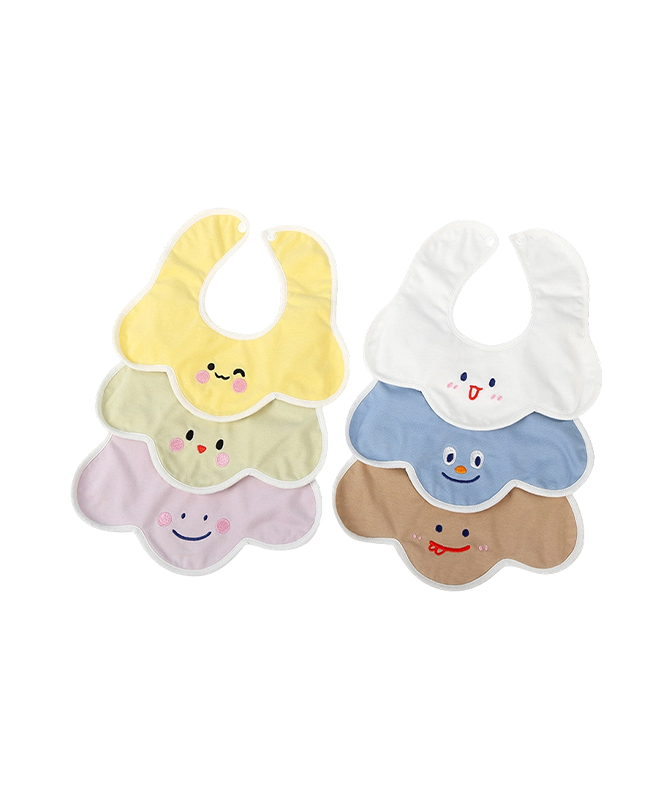
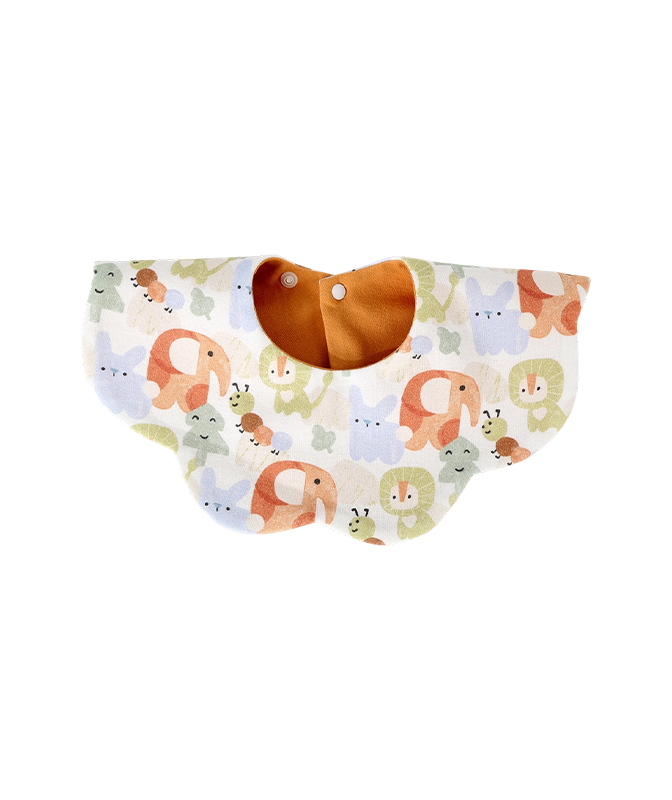
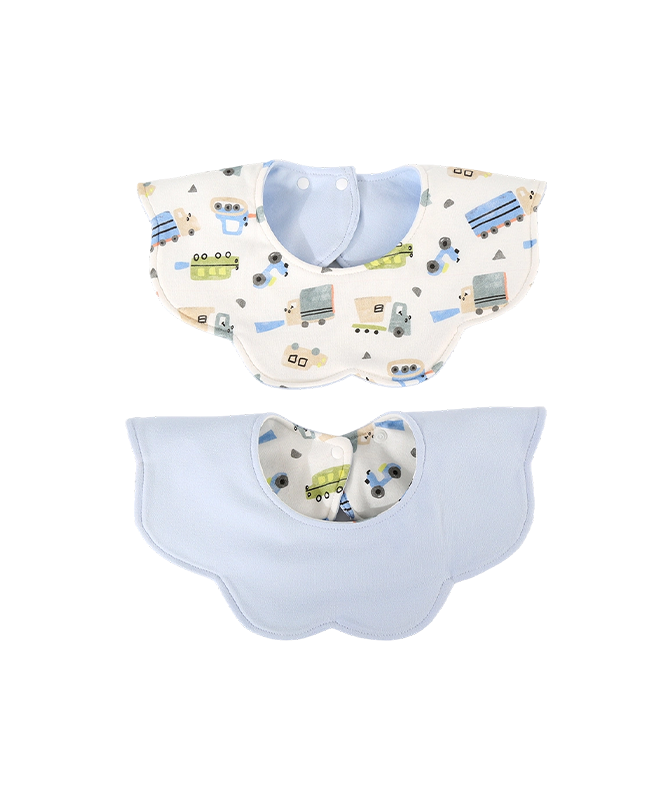
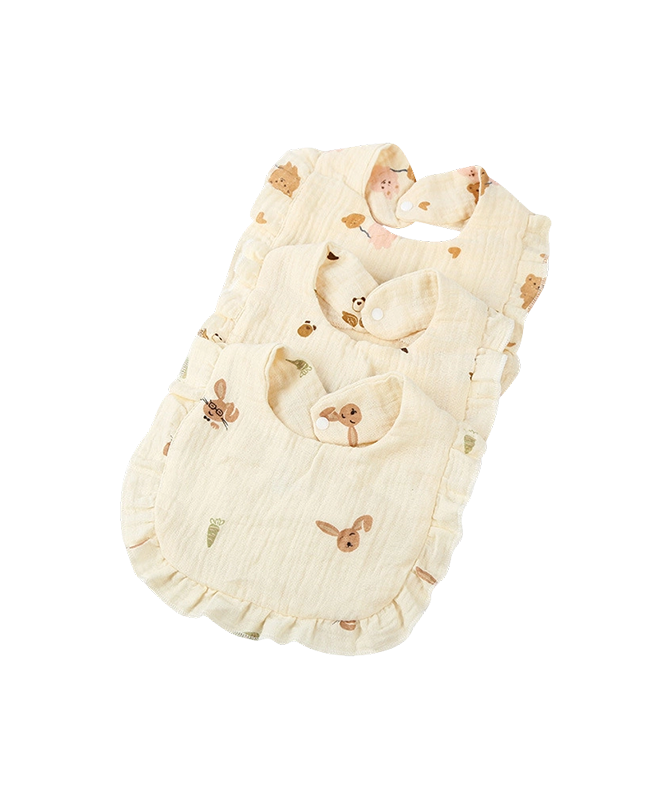
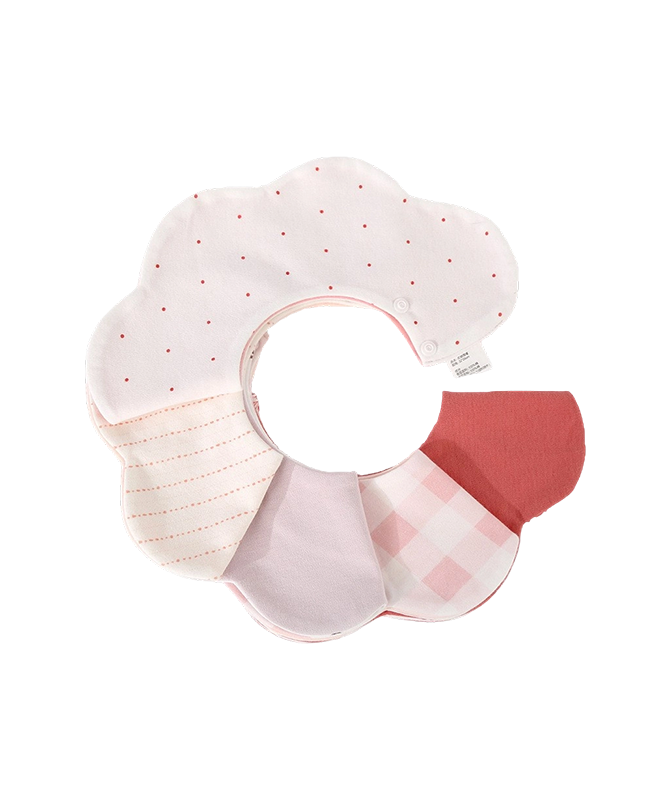
Bottles. Nipples. Sippy cups. Bibs. Breast pumps. A baby products supplier in feeding needs to understand liquids. Products must not leak. They must be easy to clean. They must survive dishwashers and sterilizers.
Bath and hygiene
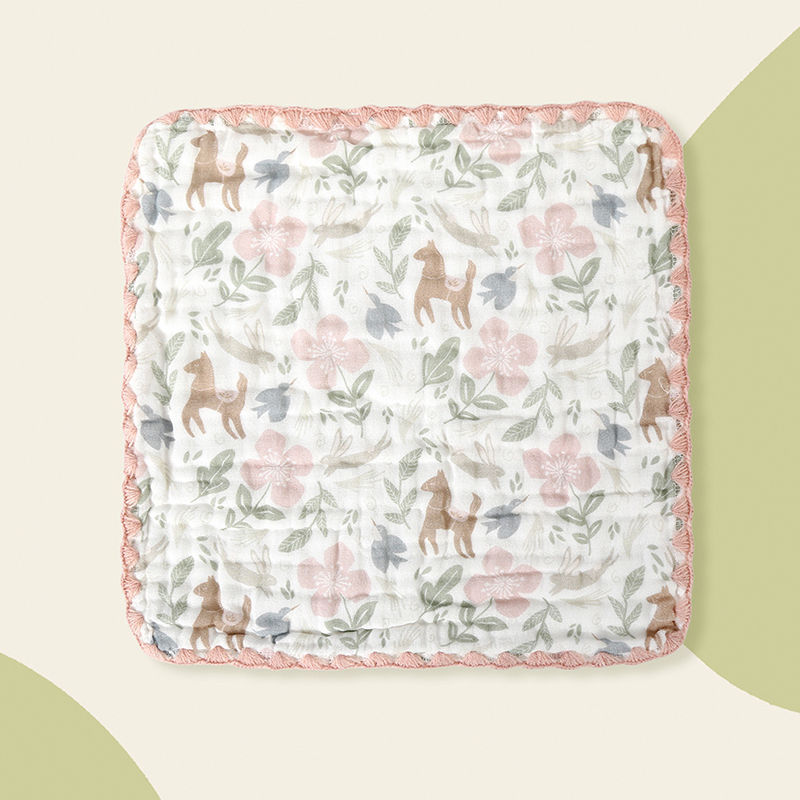
Bathtubs. Thermometers. Washcloths. Nail clippers. Toothbrushes. Safety is critical. Non-slip surfaces. No sharp edges. Materials that do not mold.
Sleep and nursery
Crib sheets. Sleep sacks. Mobiles. Night lights. A baby products supplier for sleep products needs to follow safe sleep guidelines. No loose bedding. No pillows for infants. Breathable fabrics.
Travel and gear
Car seat accessories. Stroller organizers. Diaper bags. Travel changing pads. Durability matters. Products get used daily. They get thrown into cars and strollers.
What Buyers Ask Before Placing an Order
Do you have liability insurance?
A baby products supplier without insurance is a risk. If a product hurts a baby, someone pays. The buyer does not want it to be them.
What is your defect rate?
Buyers ask. They want under 1 percent. Higher than that, and they find another supplier.
Can you provide samples?
Samples before mass production. Samples from the production line, not specially made. Buyers test samples. They show them to focus groups. They approve or reject.
A baby products supplier is not a commodity business. Safety is personal. Quality is visible. Parents notice when something is off. They post reviews. They tell friends. One bad product damages the buyer's brand.
Suppliers who cut corners get found out. Buyers test. They inspect. They reject. The relationship ends.
Suppliers who deliver safe, consistent products get repeat orders. Buyers trust them. They recommend them to other buyers. The business grows.
Certifications first. Quality second. Price third. That is the order. A baby products supplier that understands this wins. One that chases cheap loses. Parents do not bargain hunt on safety. Neither should buyers.