

 English
 Español
 Deutsch
 عربى
عربى



A sweat towel hangs around a neck, wipes a forehead, and gets thrown in the wash every night. It is a gym essential, a sports team staple, a promotional product that actually gets used. Printed washed...
READ MORE-
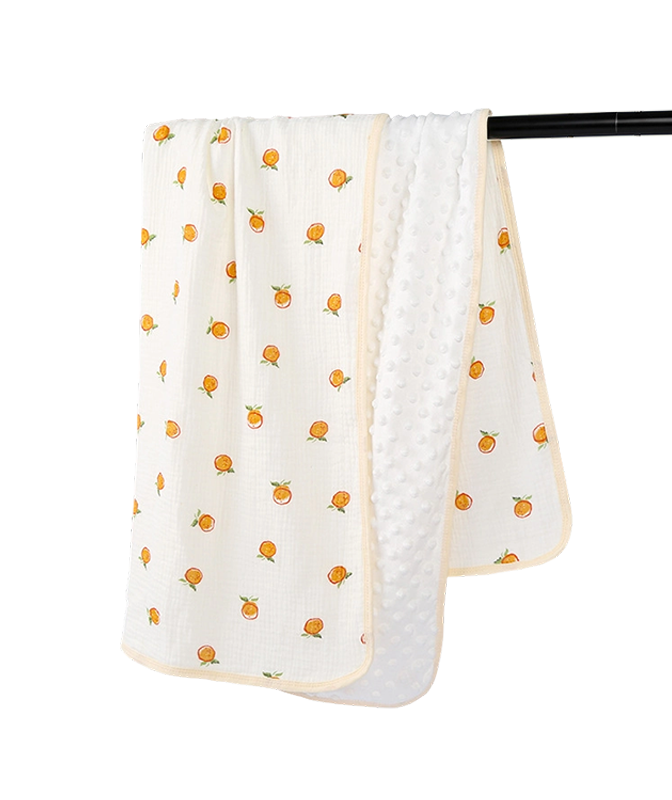

Double-Layer Crepe & Fleece Baby Blanket - Soft Printed Dot Pattern Nursery Throw
-
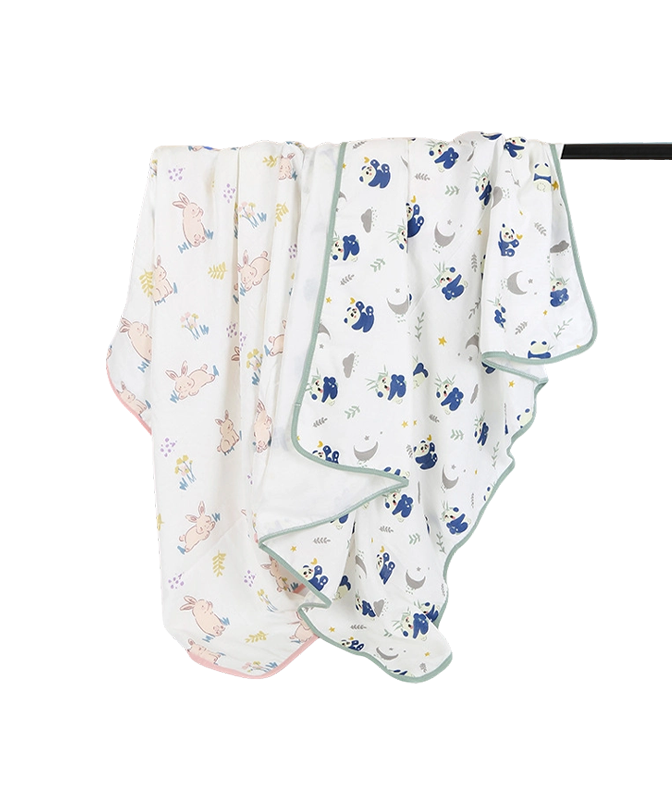
Gauze Bath Towel And Bamboo Cotton Blanket
-
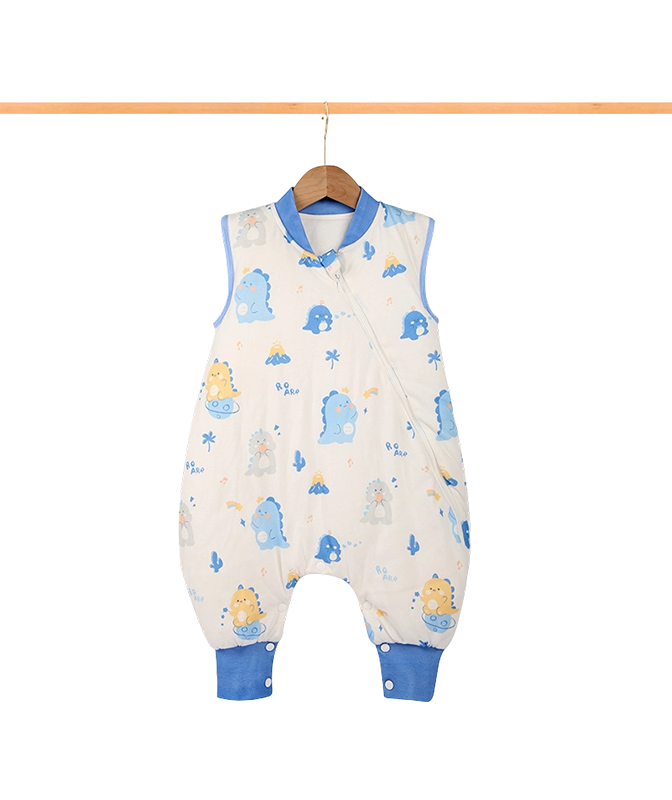
Warm Padded Baby Vest Sleeping Bag - Sleeveless Winter Wearable Blanket
-
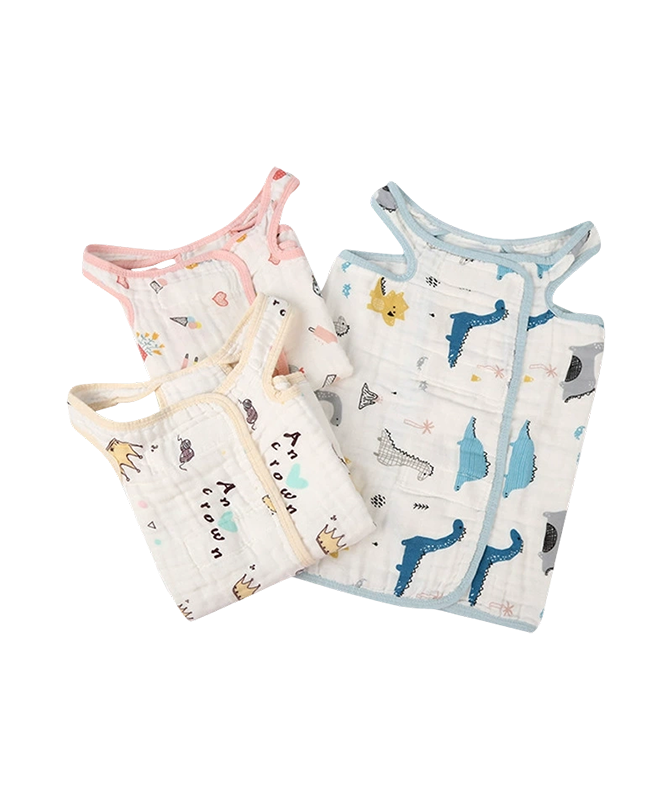
Gauze Vest Sleeping Bag
-
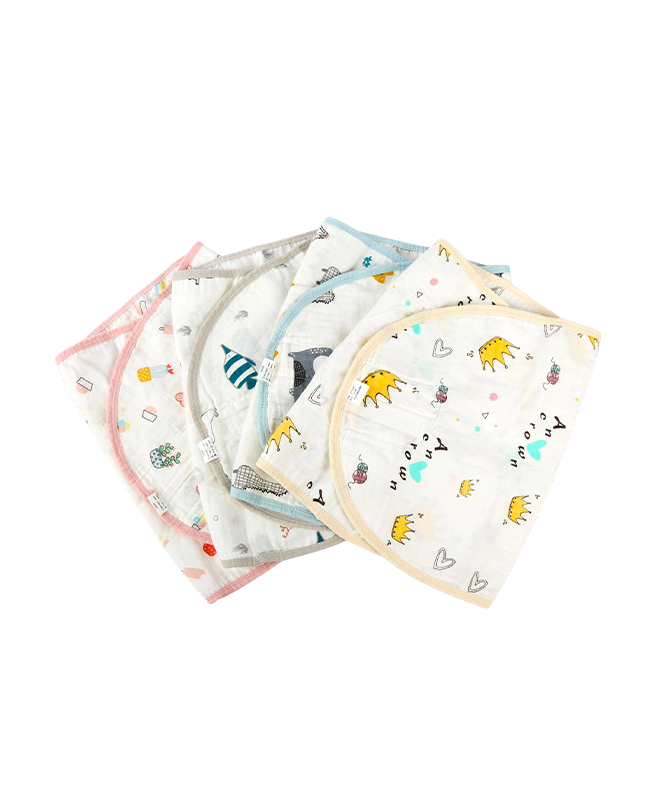
Printed Swaddling Cloth
-
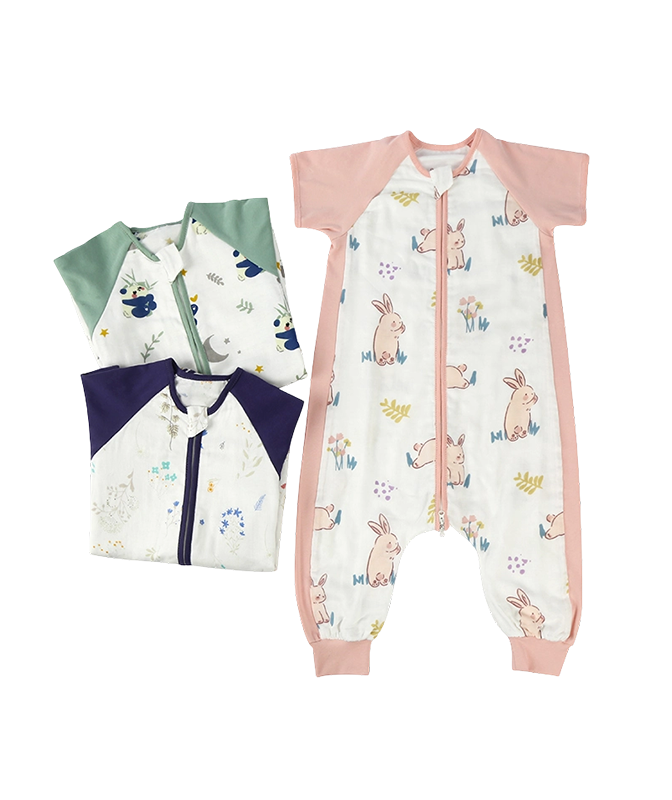
Pure Cotton Cartoon Sleeping Bag
-
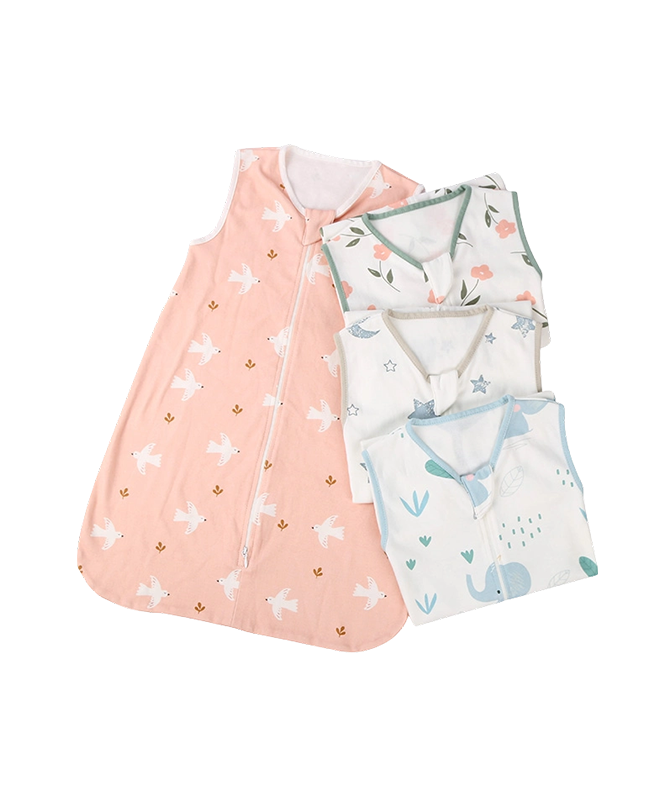
Bamboo Cotton Cartoon Sleeping Bag
-
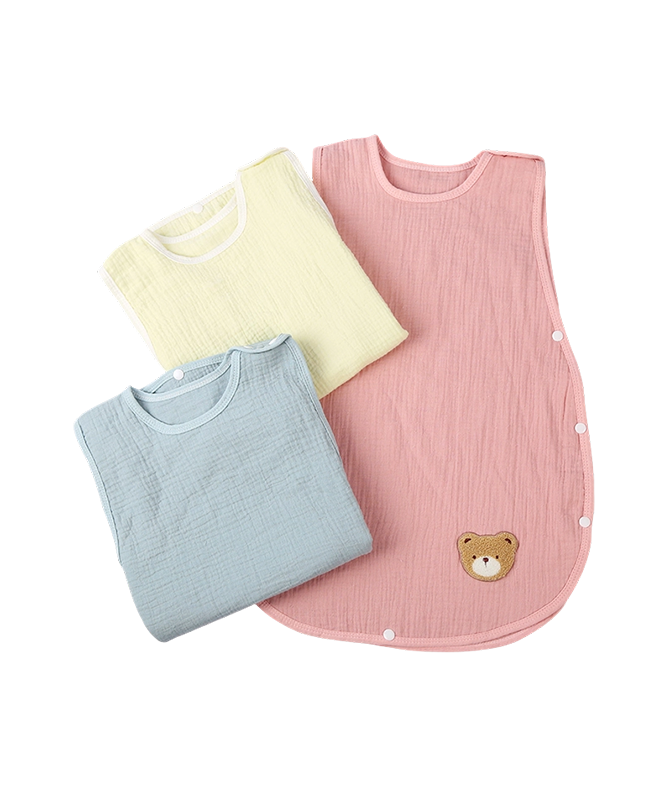
Muslin Solid Color Sleeveless Sleeping Bag
-
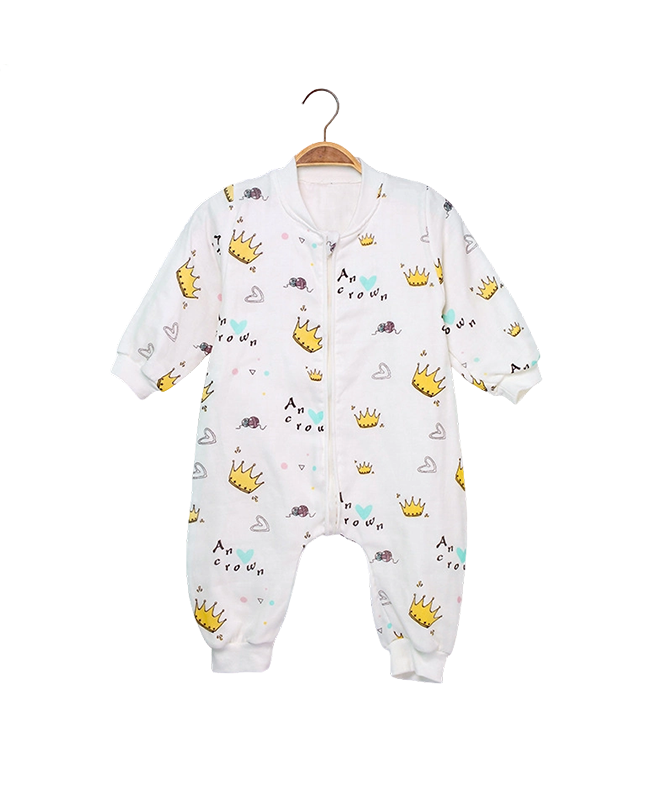
6-Layer Washed Split-Leg Sleeping Bag
-
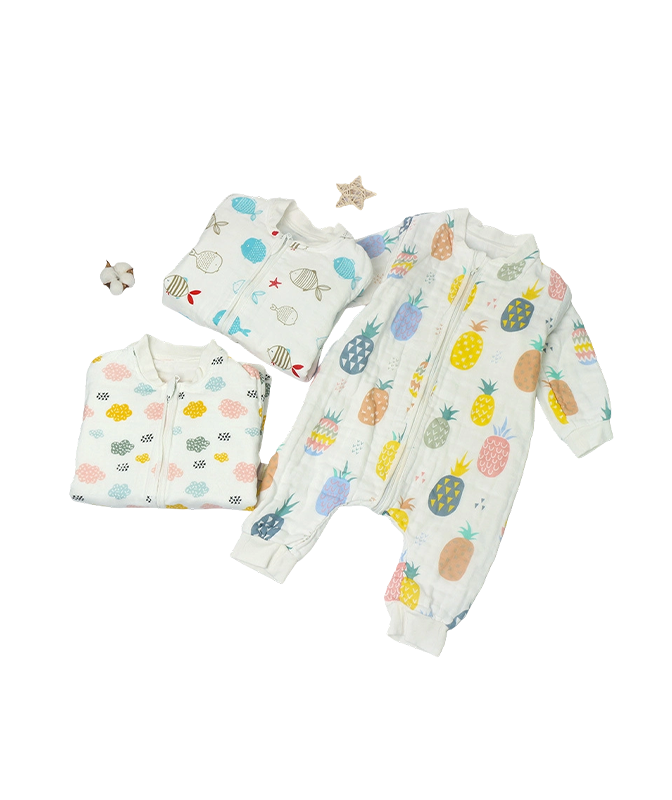
Detachable Split-Leg Gauze Sleeping Bag
-
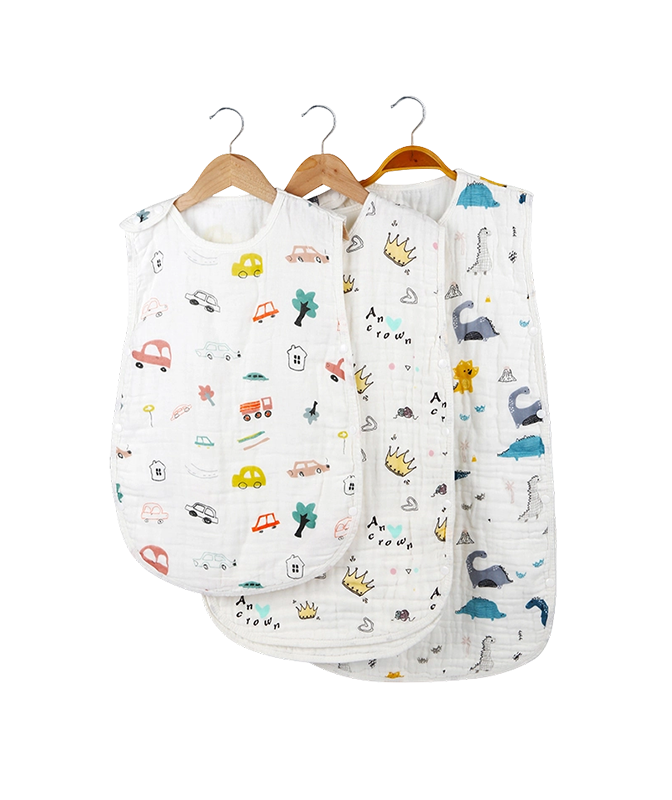
Washed Sleeveless Baby Muslin Sleeping Bag
-
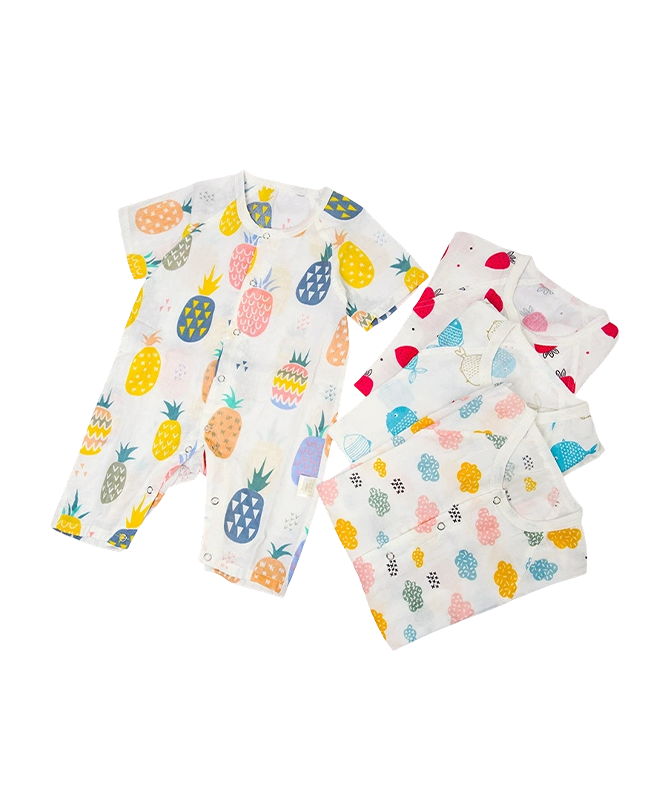
High-Density Double-Layer Gauze Romper


About Qunying
Jinhua Qunying Textile Co., Ltd. operates from its own premises spanning approximately 7,000 square metres, achieving a daily production capacity of 60,000 items. With 15 years of specialisation within the maternal and infant products sector, the company has consistently focused on the research, development, and production of mid-to-high-end cotton goods for infants and young children. Its products are exported to countries including Europe, America, Japan, South Korea, and Vietnam. As a China eco-friendly baby products supplier and baby swaddle blanket factory, we are mainly engaged in wholesale toddler baby accessories, we undertake contract manufacturing for numerous domestic and international brands, possessing thorough familiarity with the operational models of major e-commerce platforms. Its products, quality standards, and responsiveness have garnered consistent and profound recognition from a broad client base. Core product lines include: bibs, bath towels, sweat towels, pillows, sleeping bags, and nappy pads. OEM and ODM customisation services are available. With a warehouse holding 10 million yuan worth of fabric and inventory, the company offers bespoke production from a single item, complimentary sample production, and drop-shipping services.
- Reasonable Prices
- Sufficient Equipment
- Stone Experts
- Modern Technology
- Fast Service
- 24/7 Services
News
-
-
A burp cloth made from muslin is not like a terry cloth or a fleece cloth. Muslin is a lightweight, open-weave cotton that starts soft and gets softer each time it is washed. It breathes. It dries fas...
READ MORE -
A burp cloth sits on the shoulder, catching what comes back up after a feeding. It gets used, washed, and used again. Most burp cloths are plain white, functional and forgettable. Printed burp cloths ...
READ MORE -
A bandana bib wraps around a baby's neck, catching the drool before it reaches the shirt. It looks like a bandana, but it works like a bib. The shape is triangular, the closure is snaps or Velcro, and...
READ MORE -
A baby's skin is thin. It overheats fast. It reacts to trapped moisture. The fabric touching a newborn has to let air move while keeping the baby warm. A breathable baby textile factory produces knitt...
READ MORE
Message Feedback
Products Industry knowledge
Why Eco-friendly Baby Products Matter Indoors
Eco-friendly Baby Products are generally associated with reduced chemical exposure, reusable materials, and lower environmental impact during production and disposal. For newborn care, this category commonly includes cotton textiles, silicone feeding tools, bamboo fiber towels, and water-based printed nursery items.
Parents often ask whether environmentally conscious products actually change everyday use. In practice, the difference is usually connected to three areas:
- Fabric treatment methods
- Repeated skin contact
- Product lifespan after frequent washing
For example, some conventional textile treatments may contain dyes or finishing agents that release odor after unpacking. Products developed with simplified processing methods often reduce this issue, which becomes important in enclosed nursery environments.
Another factor involves washing frequency. Baby items are cleaned much more often than standard household textiles. Materials that maintain structure after repeated machine washing can help reduce replacement cycles. This matters for bibs, swaddles, stroller liners, and changing pads that experience daily use.
Parents shopping online also tend to compare:
- Organic cotton vs conventional cotton
- Bamboo fiber vs polyester blends
- Reusable wipes vs disposable products
- Water-based printing vs plastic coating decoration
These comparisons are less about trends and more about practical maintenance. Some eco-focused fabrics dry faster, trap less odor, or feel softer after repeated cleaning cycles.
From a manufacturing perspective, many suppliers now provide certification details related to textile safety, including testing for heavy metals, azo dyes, and formaldehyde content. Buyers in North America and Europe increasingly review these details before selecting nursery textiles or feeding accessories.
How Baby Swaddle Blanket Designs Affect Sleep
A Baby Swaddle Blanket is designed to help limit sudden arm movement during early infancy while maintaining warmth and comfort. However, not all swaddle structures function the same way, and caregivers frequently misunderstand size, fabric thickness, and seasonal suitability.
One of the common questions involves fabric choice. Lightweight cotton muslin is widely used in warmer environments because it allows more airflow, while layered knit fabrics may provide additional insulation in cooler indoor conditions. The room temperature, not just the season, should influence blanket selection.
Another consideration is swaddle shape. Current market designs generally include:
- Traditional square blankets
- Hook-and-loop swaddle wraps
- Zipper swaddle sacks
- Convertible transition swaddles
Traditional wraps provide flexibility but require manual folding skills. Structured swaddles simplify wrapping for new parents but may reduce adjustment options as the infant grows.
Safety guidelines are also important. A Baby Swaddle Blanket should fit securely without excessive compression around the hips or chest. Pediatric sleep recommendations often emphasize allowing natural hip movement while keeping loose fabric away from the face.
Caregivers sometimes assume thicker swaddles improve sleep duration, but overheating may interrupt sleep cycles instead. Breathable fabric construction usually plays a larger role than blanket weight.
Search intent around swaddling products often includes questions such as:
- “when to stop swaddling a baby”
- “breathable swaddle blanket materials”
- “newborn sleep wrapping methods”
- “cotton muslin swaddle uses”
These searches indicate that buyers are not only comparing appearance but also looking for practical guidance tied to infant sleep safety.
In retail markets, many swaddles are now developed as multi-use textile products. Beyond sleeping, some families use them as:
- Stroller covers
- Nursing covers
- Burp cloth alternatives
- Portable changing surfaces
Which Infant Safety Products Support Daily Protection
Infant Safety Products cover a broad category that includes feeding safety tools, nursery protection equipment, travel accessories, and home monitoring items. Rather than focusing only on emergency prevention, modern product development increasingly addresses routine household risks.
For example, silicone corner guards, cabinet locks, and outlet covers are now commonly used before babies begin crawling. Early preparation helps parents reduce hazards gradually instead of making sudden home changes later.
In feeding categories, product safety often relates to:
- BPA-free material selection
- Anti-choking structure design
- Heat resistance during sterilization
- Leak prevention systems
Parents also evaluate whether feeding accessories can withstand dishwasher cleaning or steam sterilization without deformation.
Travel-related Infant Safety Products have also expanded in recent years. Portable seat protectors, stroller harness systems, reflective diaper bags, and anti-slip bath supports are increasingly designed for small living spaces and mobile family routines.
One common misunderstanding is assuming all baby products sold online meet the same compliance standards. In reality, testing requirements may differ depending on the sales region. Buyers often review:
- CPSIA compliance
- EN71 testing
- ASTM standards
- Phthalate-free certification
These details help parents compare products beyond appearance or packaging claims.
As children grow, many families transition from infant-focused items toward Toddler Baby Accessories that support mobility and independent activity. These products commonly include:
- Adjustable bibs
- Snack containers
- Learning utensils
- Backpack harnesses
- Soft knee protectors
- Portable step stools
Unlike newborn products, toddler accessories often prioritize durability and repeated handling. Materials must tolerate drops, chewing, outdoor use, and frequent cleaning.
Another purchasing factor involves storage convenience. Foldable or stackable accessories are becoming more common because parents often manage limited household space while traveling between daycare, vehicles, and home environments.
Some brands now design coordinated systems where feeding sets, travel accessories, and nursery organizers share compatible sizing or storage methods. This approach helps reduce clutter and simplifies replacement purchasing.
Contact Us
-

-

+86-0579-82360699
+86-13757979229
+86-18967494288
+86-18058913213 -

1st Floor, Building E7, Feiyang Smart Manufacturing Town, South Second Ring West Road, Bailongqiao Town, Wucheng District, Jinhua City, Zhejiang Province, China
QUNYING
Copyright © 2025 by Jinhua Qunying Textile Co., Ltd. Rights Reserved.

Toddler Baby Accessories