Why Are Baby Bath Towels Frequently Layered
Baby Bath Towels are designed to dry infants quickly while reducing irritation caused by trapped moisture. Since infant skin contains a thinner protective barrier compared with adult skin, towel materials must balance water absorption and softness carefully.
Many manufacturers use multilayer cotton or gauze structures because thicker fabrics alone do not always improve drying efficiency. A towel that absorbs water too slowly may leave damp areas on the baby's body, especially around the neck folds, legs, and back.
Several features commonly affect towel performance:
|
Feature
|
Practical Purpose
|
Common Material
|
|
Hooded Design
|
Keeps head warm after bathing
|
Cotton or gauze
|
|
Double-Layer Fabric
|
Improves absorption
|
Cotton blends
|
|
Rounded Edges
|
Reduces seam friction
|
Soft binding fabric
|
|
Lightweight Weave
|
Faster drying after washing
|
Gauze cotton
|
Parents often ask whether heavier towels are more suitable for newborns. In practice, very thick towels may take longer to dry between uses, increasing the chance of moisture retention in humid environments.
Proper washing also affects towel lifespan. Using mild detergents and avoiding excessive softeners can help preserve absorption performance over time.
How Do Baby Gauze Bath Towels Improve Airflow
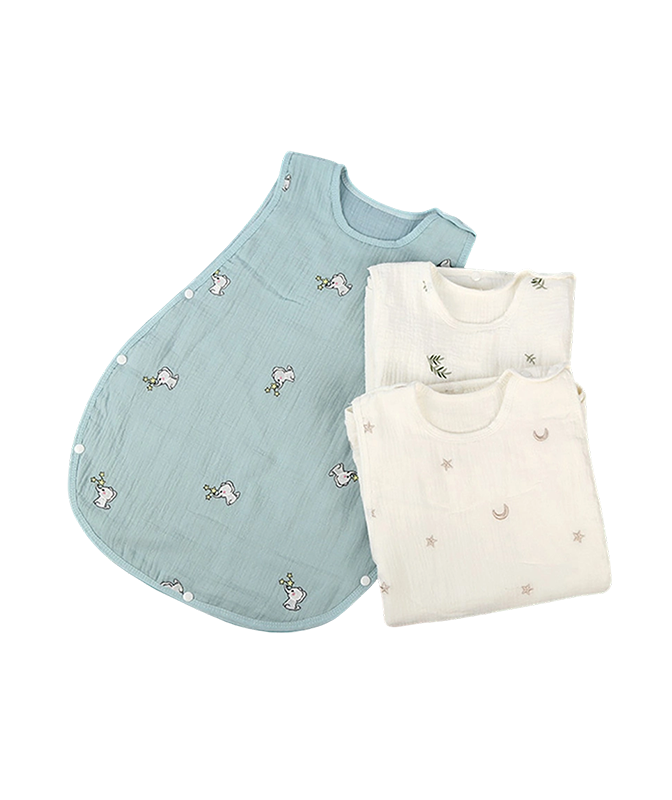
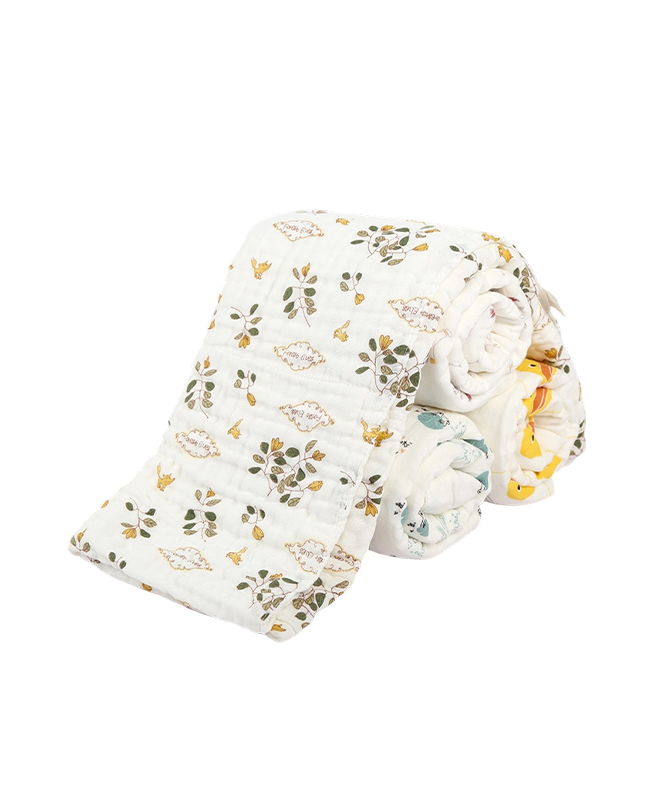
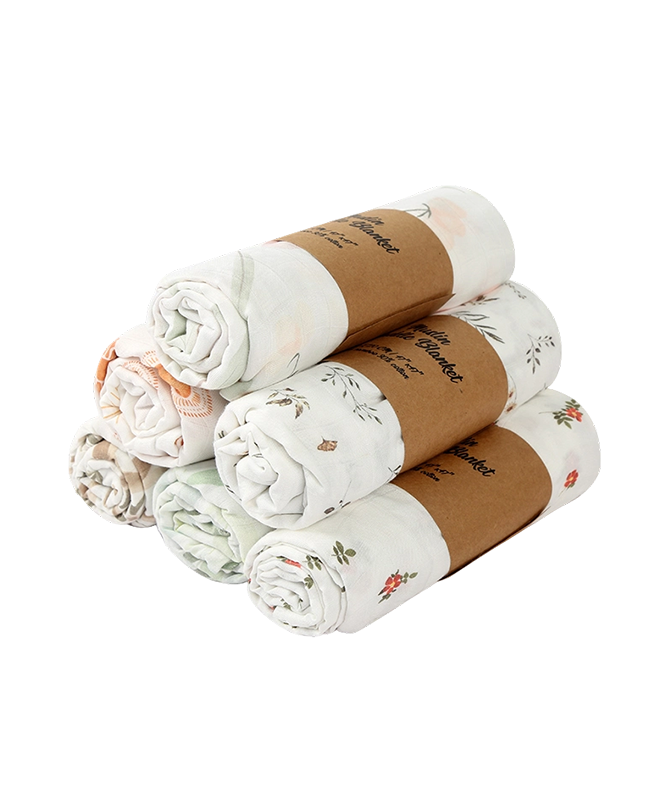
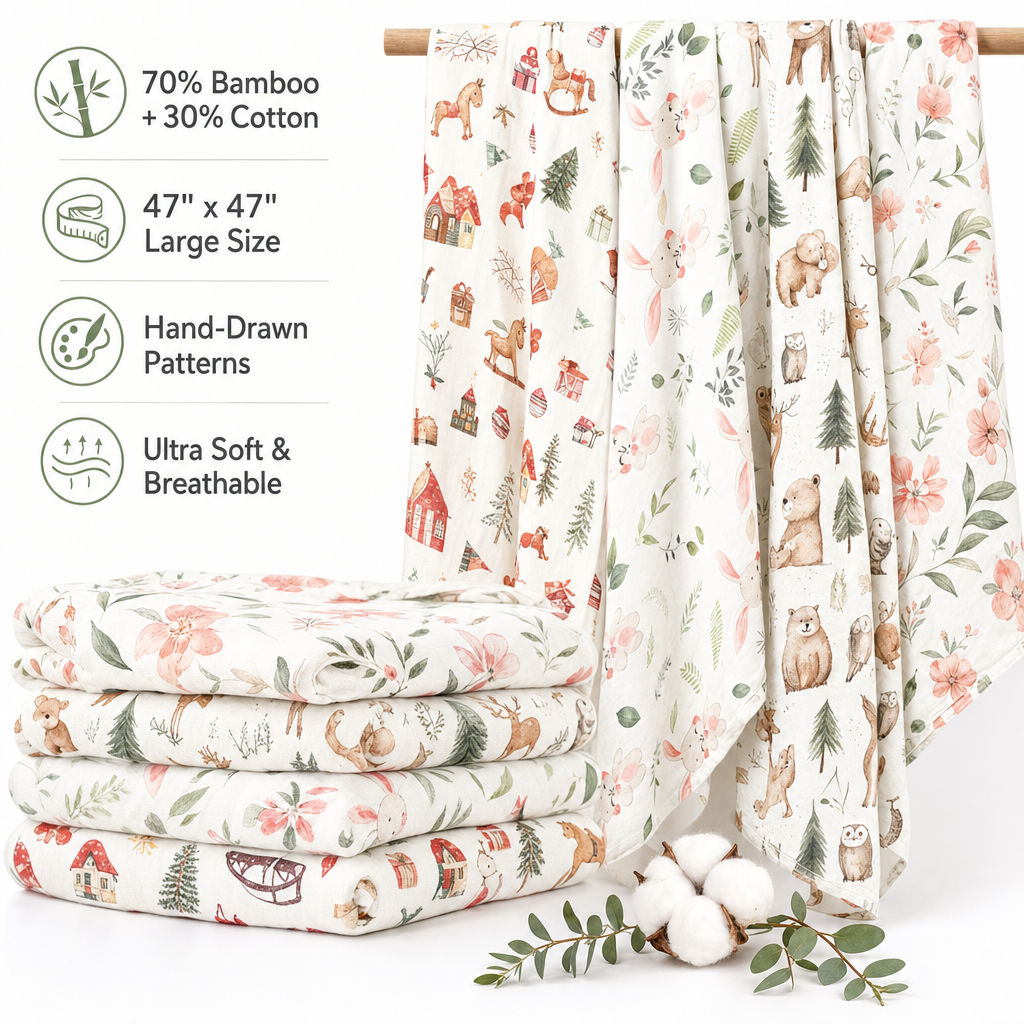
Baby Gauze Bath Towels are widely used because gauze fabrics allow better air circulation than dense woven materials. The loose weaving pattern creates small spaces between fibers, helping moisture evaporate more efficiently after bathing.
This structure offers several daily advantages:
- Reduced heaviness after absorbing water
- Shorter indoor drying time
- Softer texture after repeated washing
- Easier folding for travel or diaper bags
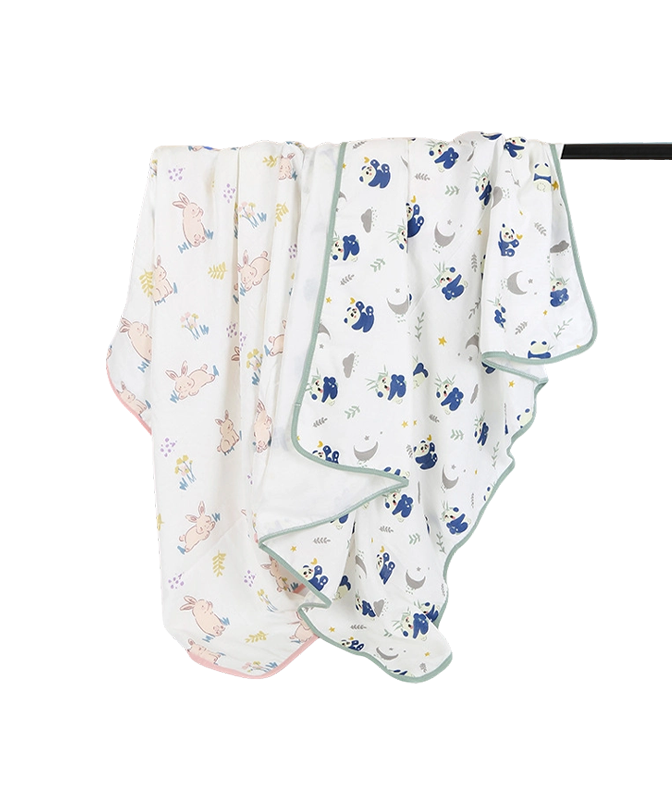
Some parents worry that gauze towels may feel too thin during colder seasons. However, multiple gauze layers can still provide warmth while maintaining airflow. Four-layer or six-layer gauze towels are commonly selected for year-round use.
Another common question concerns shrinkage. Since cotton gauze is loosely woven, slight shrinkage may occur after a few washes. Pre-washed production methods are often used to minimize size changes before products reach consumers.
Color processing is also important in infant textiles. Low-irritation dyeing and reduced chemical finishing are often preferred for towels that frequently touch sensitive skin.
When Should a Gauze Baby Bath Towel Be Used
A Gauze Baby Bath Towel is often chosen for newborn care because of its flexible structure and breathable texture. Compared with traditional terry towels, gauze materials usually feel lighter and dry faster between uses.
Parents commonly use this type of towel for:
- Post-bath drying
- Summer stroller covering
- Swaddling during short naps
- Shoulder protection during feeding
The versatility of a Gauze Baby Bath Towel makes it useful beyond bathing routines alone. Some families continue using gauze towels even after infancy because the fabric remains comfortable during warmer temperatures.
Fabric density affects absorbency levels significantly. Lower-density gauze dries quickly but may absorb less water, while higher-layer constructions improve moisture control without becoming excessively bulky.
Edge stitching quality also deserves attention. Repeated machine washing can weaken seams if the towel lacks reinforced borders. Products with stronger edge construction generally maintain shape longer after frequent laundering.
What Makes Breathable Baby Blankets Practical
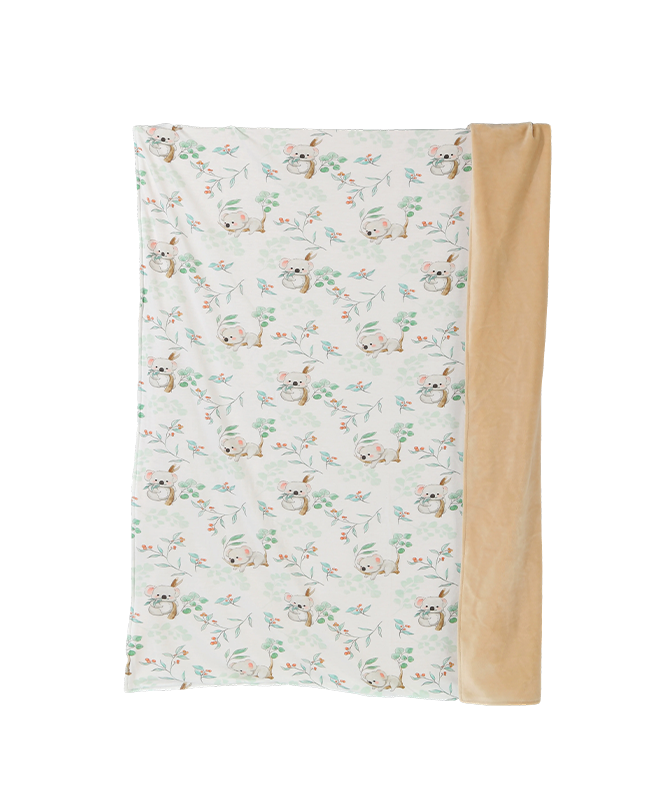
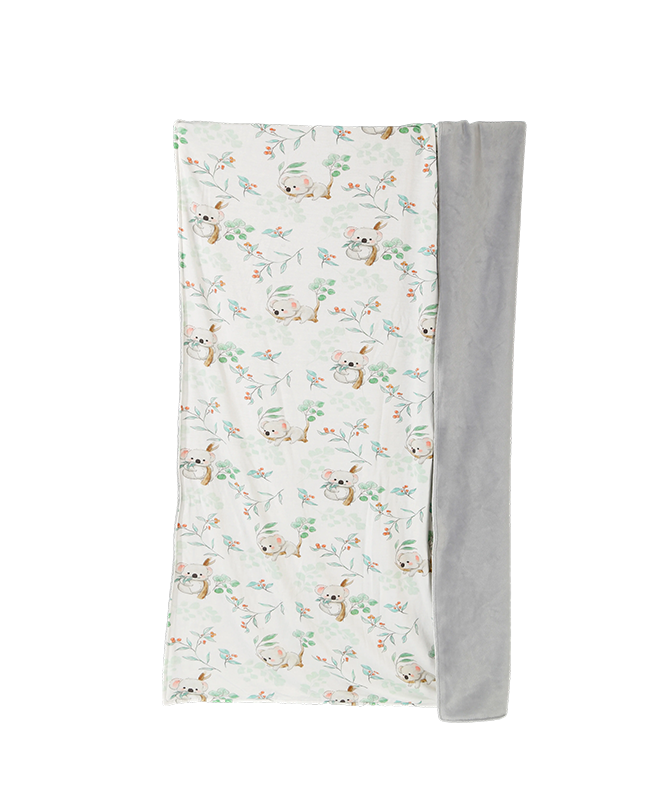
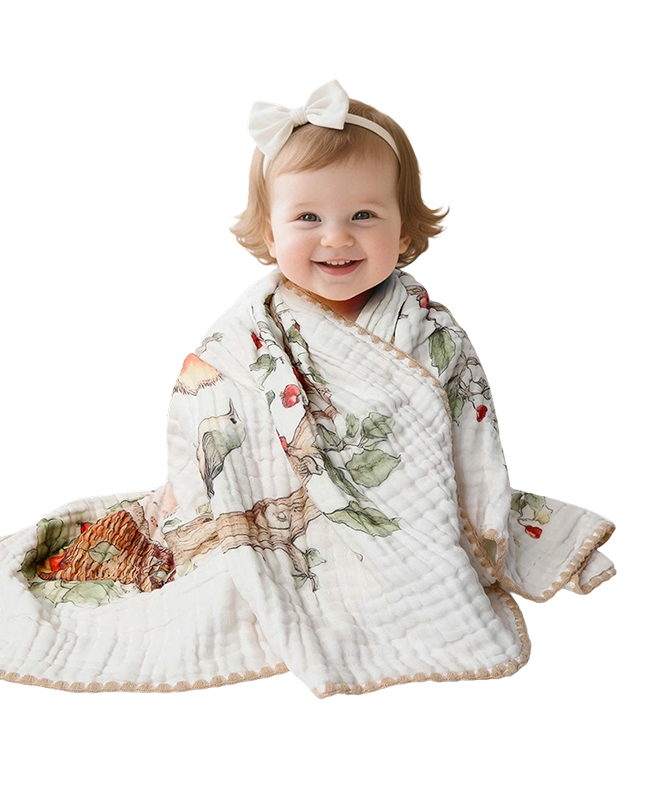
Breathable Baby Blankets are designed to support airflow while helping infants maintain stable body temperature during sleep or travel. Overheating has become a growing concern among caregivers, especially in warmer climates or heavily heated indoor spaces.
Blanket breathability depends on several factors:
- Fiber type
- Weaving density
- Layer thickness
- Moisture release capability
Cotton, muslin, and lightweight knitted fabrics are commonly used because they allow heat to escape more easily compared with dense fleece materials.
Parents sometimes layer blankets during colder weather. Instead of using one extremely thick blanket, combining breathable layers often allows better temperature adjustment throughout the night.
Blanket size also affects safety and practicality. Oversized blankets may bunch around the infant, while smaller breathable designs are easier to position during stroller use or supervised naps.
Many caregivers ask how often blankets should be washed. Since infants frequently contact blankets with saliva, sweat, or milk residue, weekly washing is generally common, though frequency may increase during teething stages or seasonal allergies.
Why Is Minky Dot Baby Blanket Popular
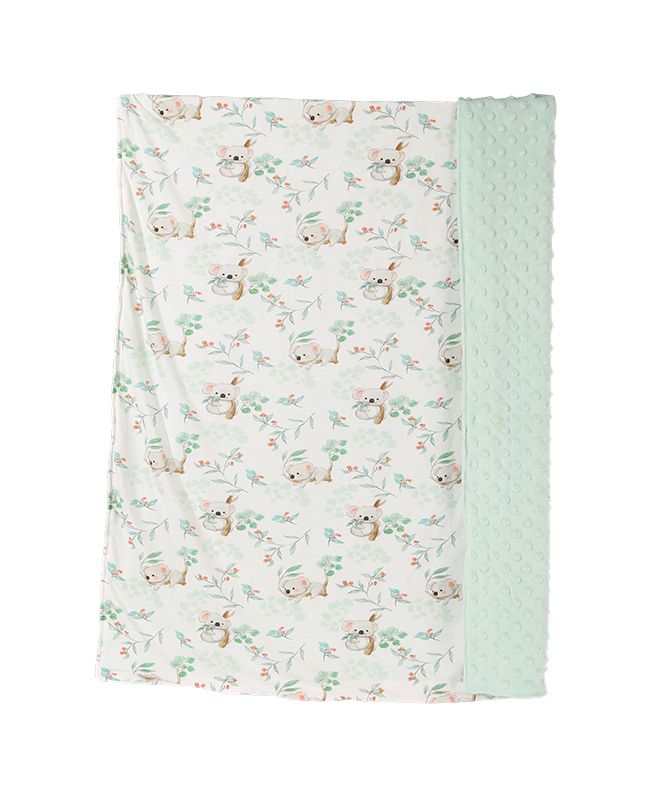
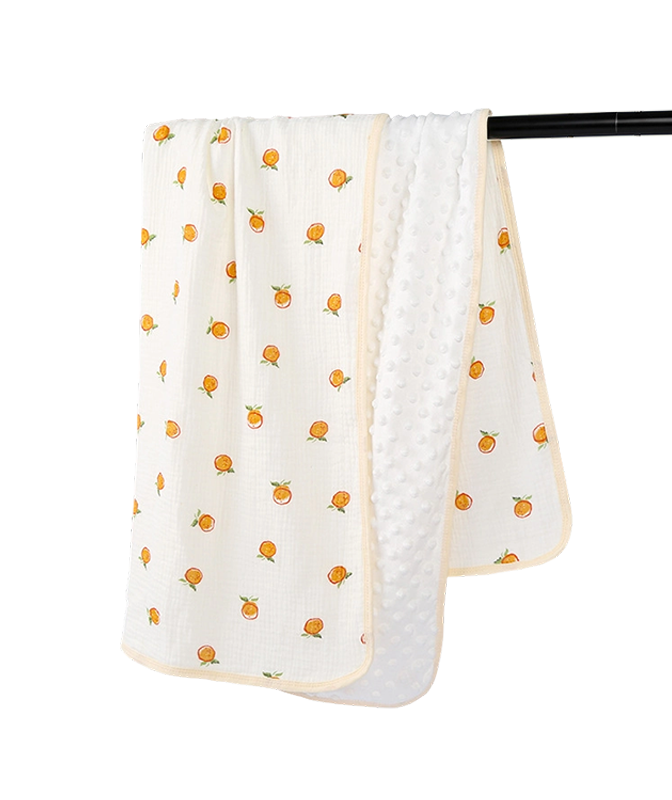
Minky Dot Baby Blanket products are recognized for their textured surface and soft synthetic fibers. Unlike gauze-based blankets focused mainly on airflow, minky fabrics are designed to provide warmth and tactile comfort.
The raised dot texture serves both functional and sensory purposes:
- Creates soft touch feedback
- Helps maintain warmth during colder weather
- Adds fabric thickness without excessive weight
- Provides cushioned texture during resting time
Some parents introduce a Minky Dot Baby Blanket during stroller rides, supervised floor play, or evening naps. Because the material retains heat more effectively than gauze, many families prefer using it in air-conditioned environments or during the winter months.
Cleaning methods are important for maintaining minky fabrics. High heat drying may flatten fibers or affect surface texture over time. Lower-temperature washing and air drying are commonly recommended to preserve softness.
One practical concern involves lint attraction. Synthetic plush fabrics may collect dust or pet hair more easily than cotton gauze products, making regular washing and storage important for maintaining cleanliness.


 English
 Español
 Deutsch
 عربى
عربى